Medical tourism in India
Medical Tourism in India
India treated approximately 7.3 million foreign medical patients in 2024, generating an estimated $9 billion in healthcare revenue and ranking among the top three global destinations by volume (India Brand Equity Foundation 2024). The federal Heal in India initiative, launched by the Ministry of Health and Family Welfare, has set a target of $13 billion in annual medical-tourism revenue by 2027, supported by a dedicated Ayush visa, single-window patient facilitation portals, and price transparency mandates at empaneled hospitals. Delhi, Mumbai, Chennai, Bengaluru, and Hyderabad form the country's primary medical corridors, each with multiple JCI- and NABH-accredited tertiary centers.
India's patient mix differs from beach-and-cosmetic destinations: roughly 60 percent of inbound caseload involves serious medical care rather than elective surgery (Federation of Indian Chambers of Commerce and Industry 2024). Bangladeshi, African, Central Asian, and Gulf patients dominate the volume, while US and UK patients increasingly travel for cardiac, oncology, transplant, and orthopedic care where domestic pricing has put treatment out of reach even for insured families. Average savings versus US providers run 65 to 90 percent for complex surgical care.
Popular Procedures in India
India's strength is high-acuity, high-complexity medicine performed at scale. Indian cardiac surgeons collectively perform more than 240,000 open-heart procedures annually, a volume that produces some of the lowest published mortality rates in the world for coronary bypass and valve surgery (Indian Society of Cardiothoracic and Vascular Surgeons 2024).
- Cardiac surgery (CABG, valve replacement, pediatric cardiac)
- Orthopedics (hip and knee replacement, spine surgery, robotic joint replacement)
- Oncology (proton therapy, CAR-T, surgical and medical oncology)
- Neurosurgery (gamma knife, deep brain stimulation, complex spine)
- Organ transplantation (kidney, liver, bone marrow)
- IVF and reproductive medicine
- Ayurveda and integrative wellness programs
- Bariatric and metabolic surgery
Clinics and Doctors
India hosts 45 JCI-accredited hospitals and more than 1,800 facilities accredited by the National Accreditation Board for Hospitals and Healthcare Providers (NABH), the country's tightly enforced national standard (JCI Directory 2024; NABH 2024). Multi-hospital groups such as Apollo, Fortis, Max Healthcare, Manipal, Medanta, and Narayana Health operate flagship campuses comparable in technology and outcomes to leading US academic centers, with several offering proton-beam oncology, robotic CABG, and CAR-T cell therapy. India produces roughly 100,000 new physicians per year and many senior consultants hold US, UK, or Canadian board certification, including significant numbers of returnees from the NHS and US health systems.
Why Patients Choose India
Four drivers shape US patient demand. First, cost on serious care: a coronary bypass runs $7,000 to $12,000 versus $120,000-plus in the US, a liver transplant $35,000 to $50,000 versus more than $800,000, and a robotic knee replacement $8,000 to $11,000 (Medical Tourism Association 2024). Second, surgeon volume — leading Indian cardiac and oncology surgeons perform two to four times the annual case counts of US peers. Third, fast access: complex surgical care typically begins within 7 to 14 days of inquiry versus months of US waiting lists. Fourth, integrated long-stay infrastructure, including hospital-attached patient hotels, family accommodations, and Ayurveda-based recovery programs in Kerala and Rishikesh.
Planning Treatment in India
US passport holders need a medical visa (M visa) or the streamlined e-Medical Visa, both of which allow stays of up to 60 days with triple entry and can be issued within 72 hours. English is the working language of Indian medicine and is universal at major hospitals. Plan 10 to 14 days for cardiac or orthopedic procedures, 4 to 8 weeks for transplant care including donor workup, and 2 to 4 weeks for oncology evaluation and initiation. The cool, dry season from October through March is the most comfortable for travel and recovery across most of the country.
Top clinics in India
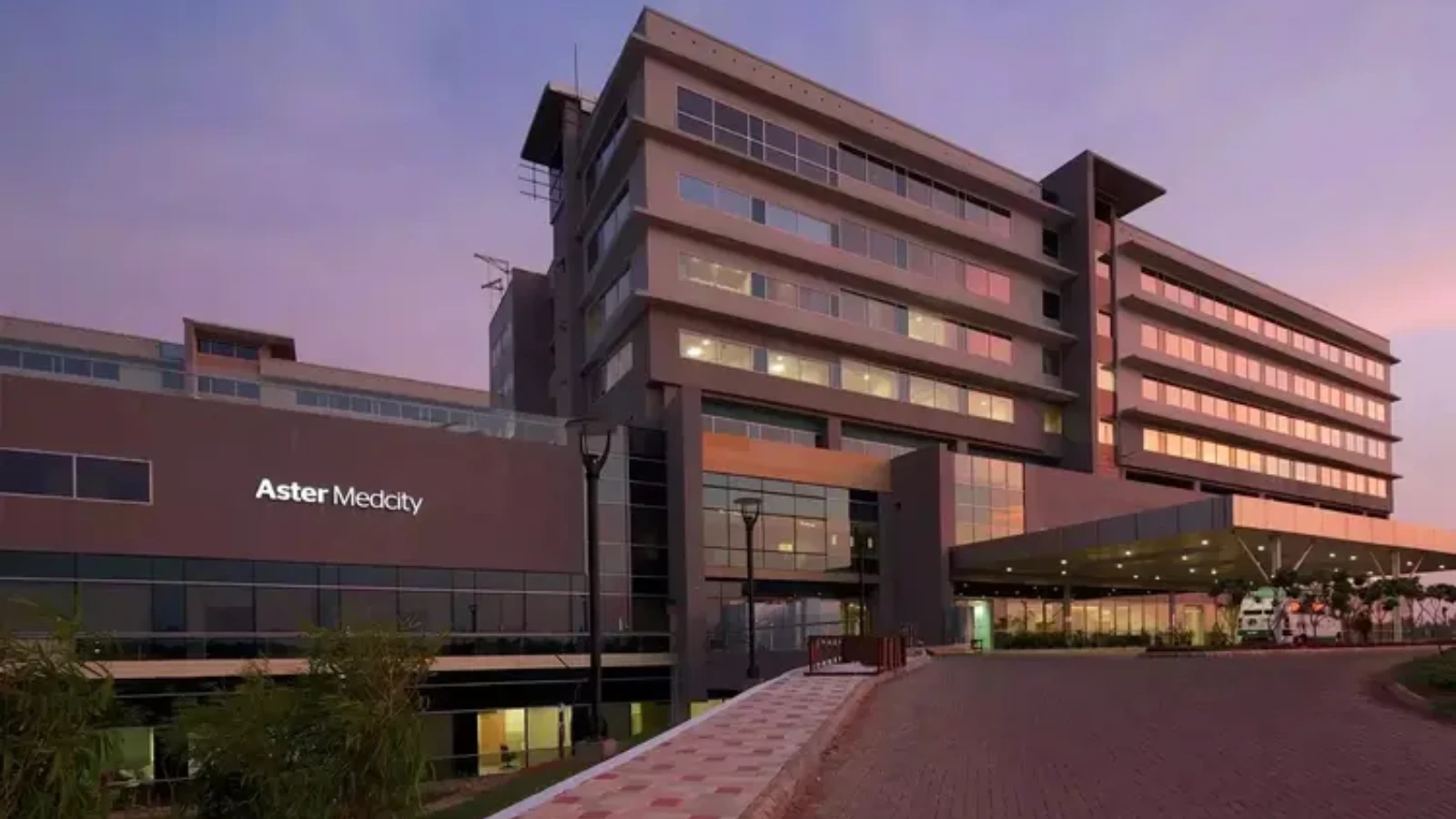
Tertiary multi-specialty hospital in Kochi, Kerala, part of the Aster DM group, with strong cardiac, oncology and transplant programs.
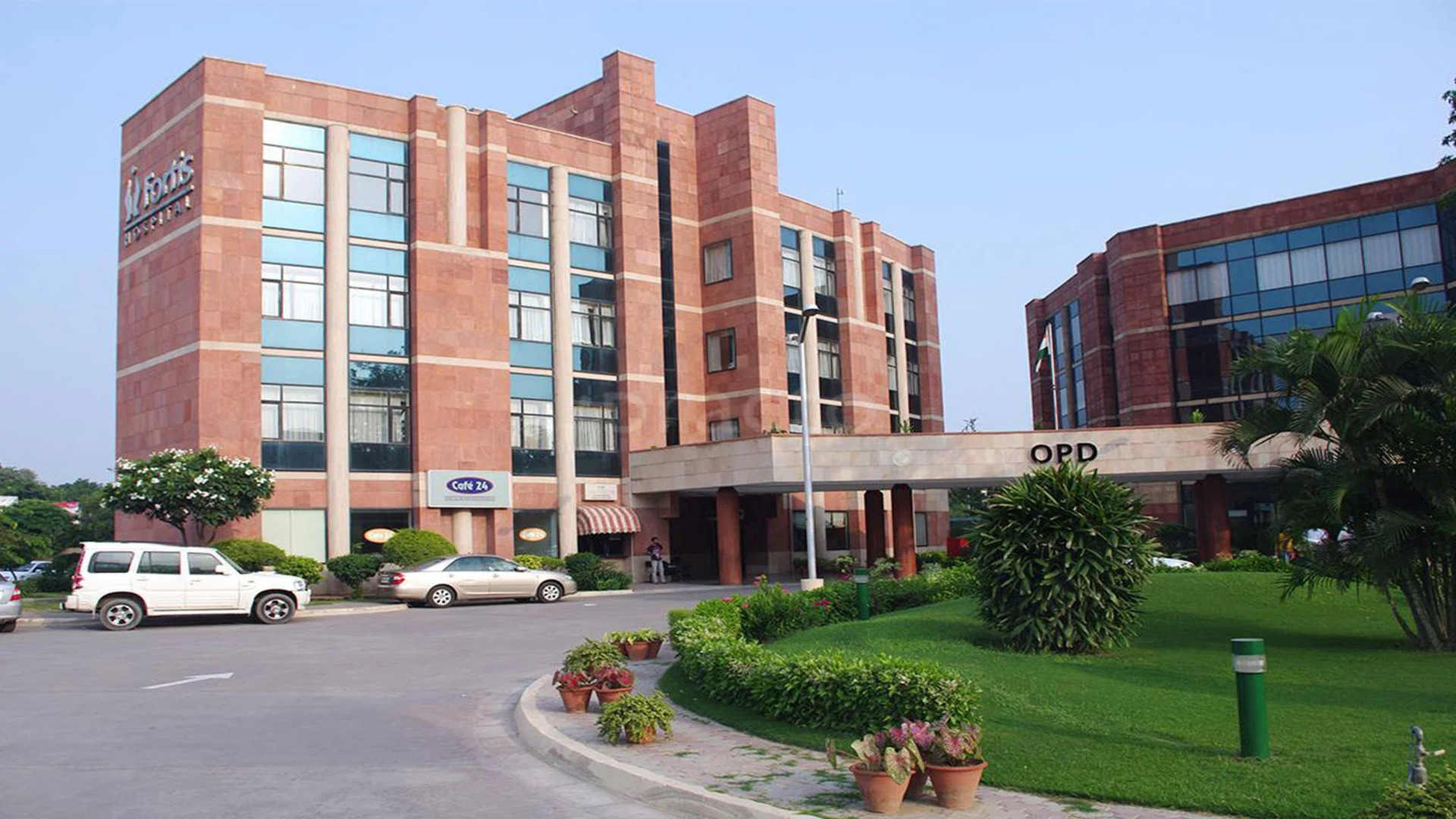
Tertiary multi-specialty hospital in Mohali (Punjab) within the Fortis network, with strong cardiac, oncology and orthopedic programs.
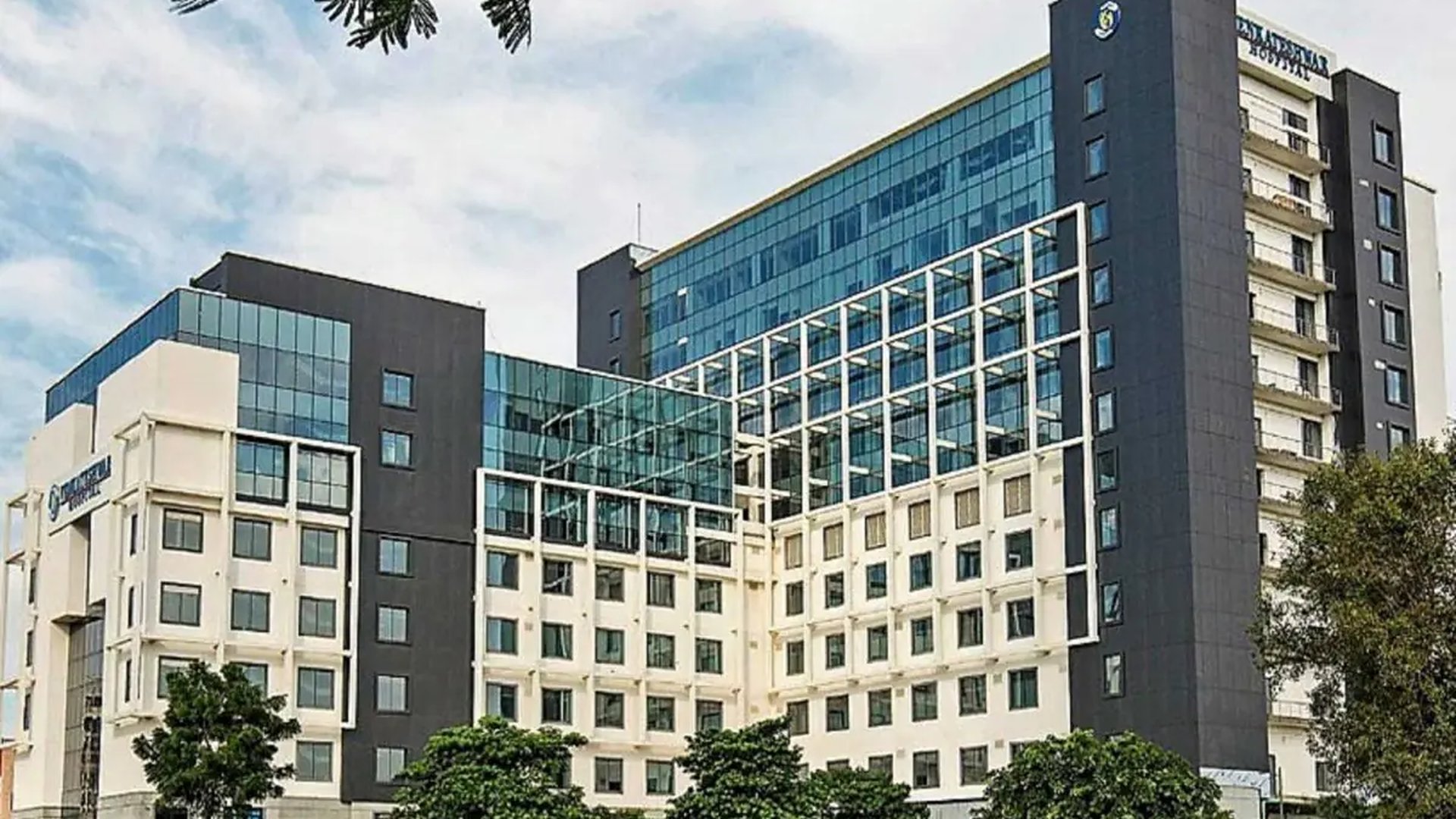
Multi-specialty private hospital in Dwarka, New Delhi, with cardiac, oncology and orthopedic programs for South Asian and international patients.
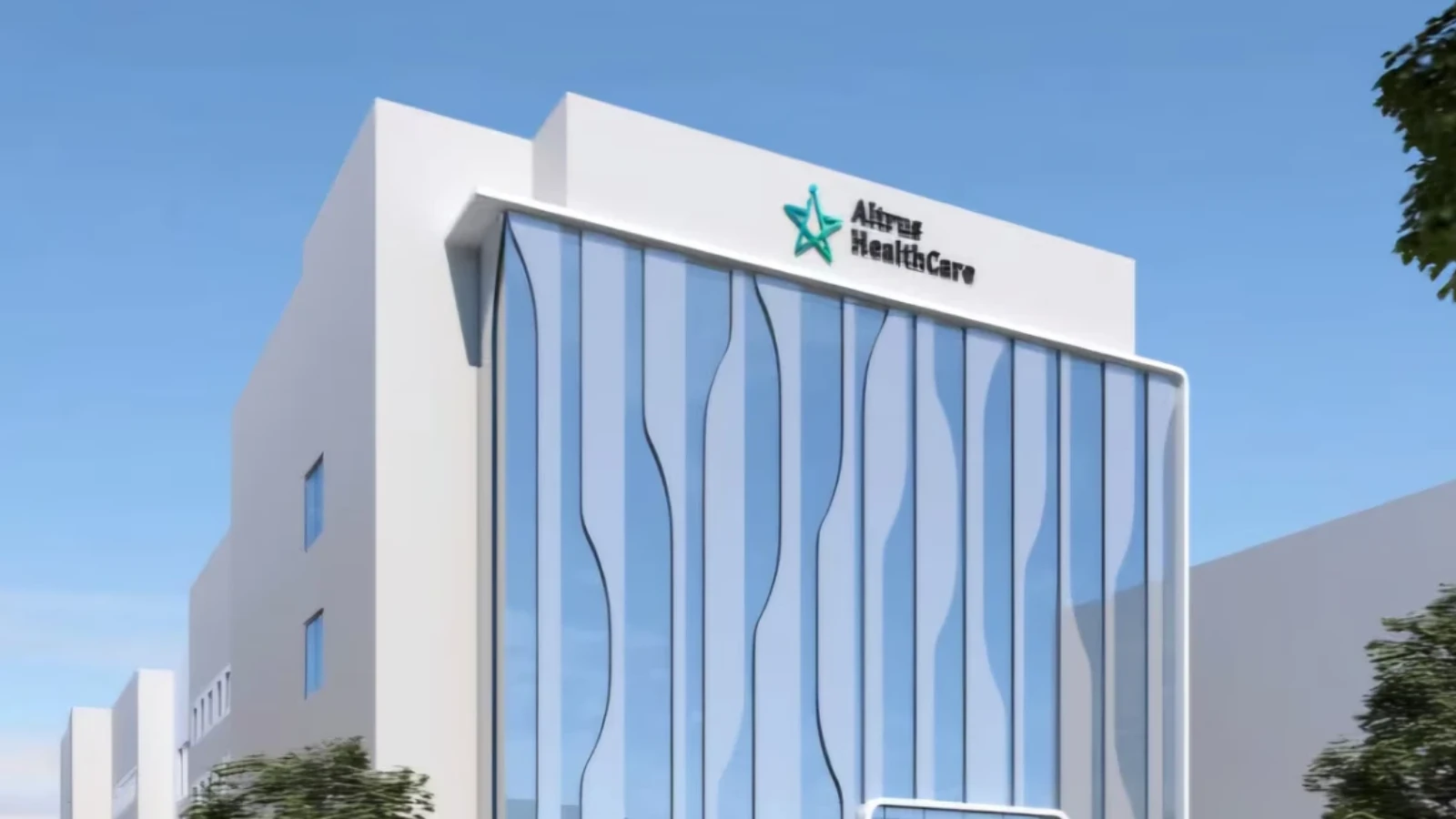
Multi-specialty healthcare provider in Dehradun, Uttarakhand, with orthopedic and cardiology services for the northern India catchment.
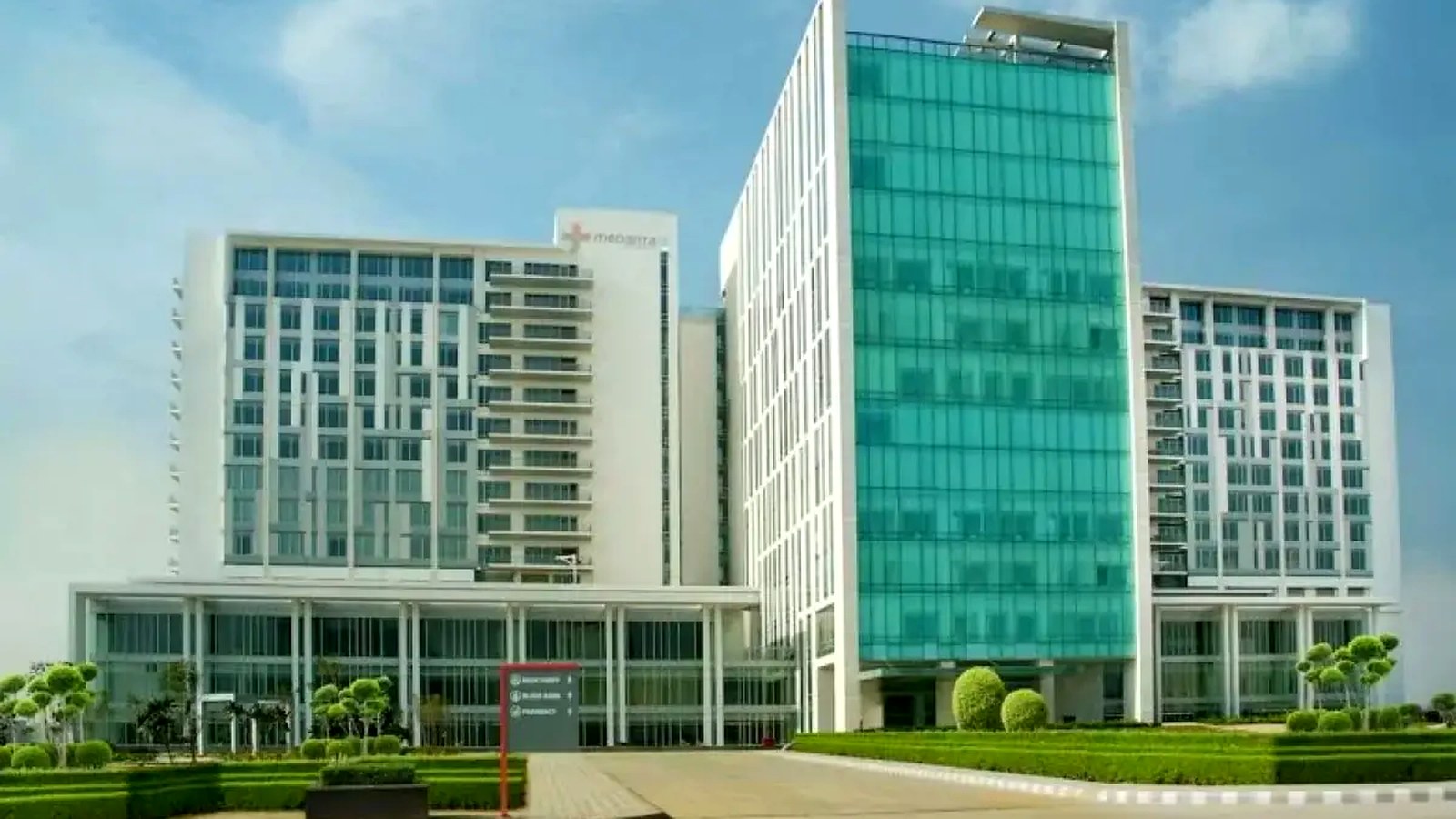
Tertiary multi-specialty hospital in Gurugram, India (Medanta - The Medicity), with leading cardiac, oncology, transplant and orthopedic programs.