Bariatric Surgery (Gastric Sleeve/Bypass)
Laparoscopic weight-loss surgery that reduces stomach capacity (sleeve gastrectomy) or reroutes the digestive tract (Roux-en-Y gastric bypass) to treat severe obesity.
Overview
Hospital & stay
Procedure details
How it's performed
Under general anaesthesia and via 4-5 laparoscopic port incisions, the surgeon insufflates the abdomen and identifies the stomach. For a sleeve gastrectomy, the greater curvature is mobilised and a linear stapler divides the stomach along a calibration bougie, removing the fundus and most of the body. For a Roux-en-Y bypass, a small proximal gastric pouch is stapled off, the jejunum is divided, and a Roux limb is anastomosed to the pouch with a second jejuno-jejunostomy 75-150 cm downstream. The specimens are removed and wounds closed.
Preparation
- 1Multidisciplinary assessment with a bariatric surgeon, dietitian, psychologist and anaesthetist.
- 2Two to four weeks of a low-calorie liver-shrinking diet to reduce liver volume and operative risk.
- 3Blood tests, ECG, sleep-apnoea screen and gastroscopy as indicated.
- 4Stop smoking at least 6-8 weeks before surgery to reduce wound and anastomotic complications.
- 5Prophylactic anticoagulation plan and informed consent including lifelong supplementation.
Recovery
- 1Day 0-1: Hospital stay with early mobilisation, IV analgesia and venous thromboembolism prophylaxis.
- 2Days 1-3: Discharge once tolerating clear fluids, pain controlled, and observation has confirmed no leak.
- 3Weeks 1-2: Liquid diet only.
- 4Weeks 2-4: Pureed foods introduced.
- 5Weeks 4-6: Return to work for most desk-based jobs; transition to soft solids.
- 6Months 3-18: Steady weight loss continues; lifelong follow-up with vitamins (B12, iron, calcium, vitamin D) and annual blood tests.
Before & after results
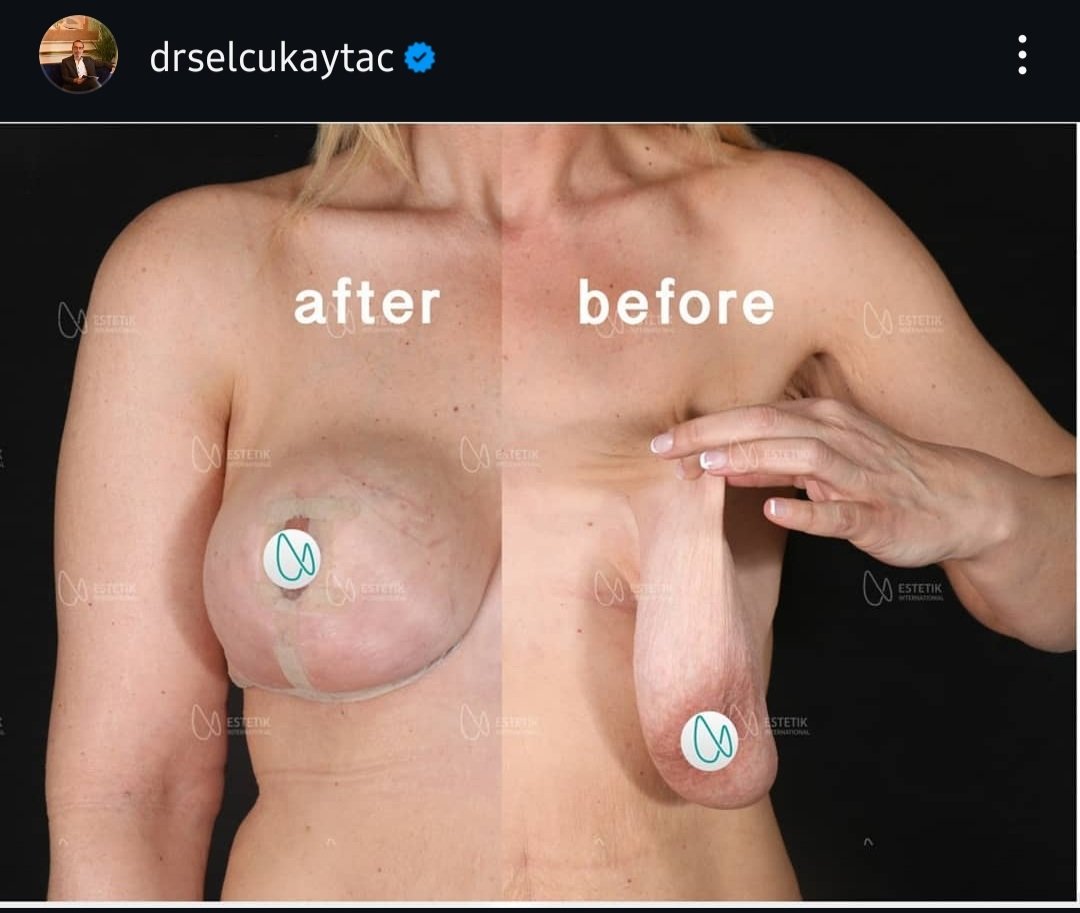
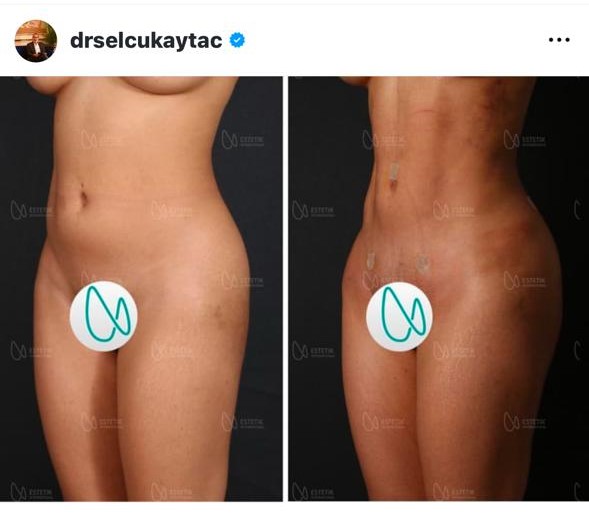
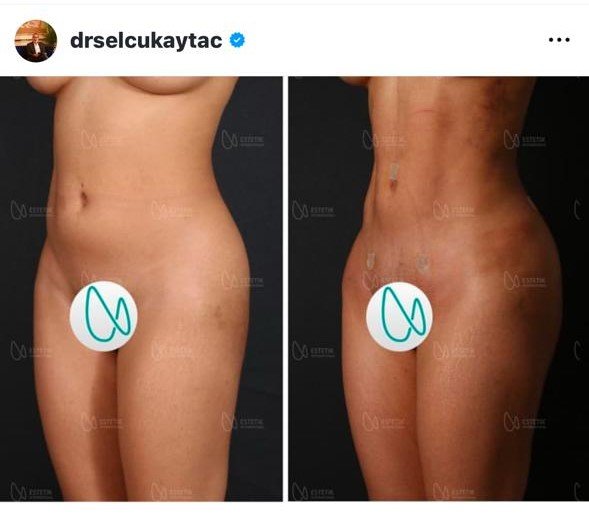
See all Bariatric Surgery (Gastric Sleeve/Bypass) results →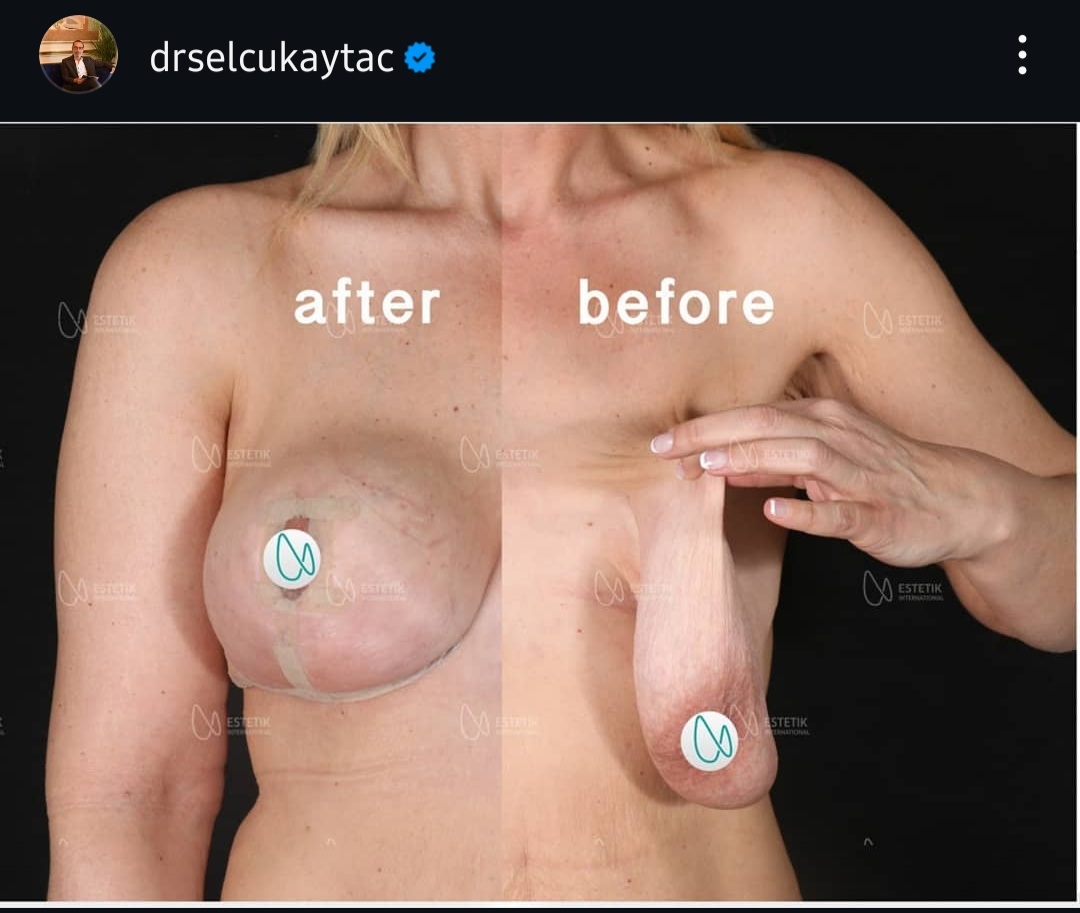
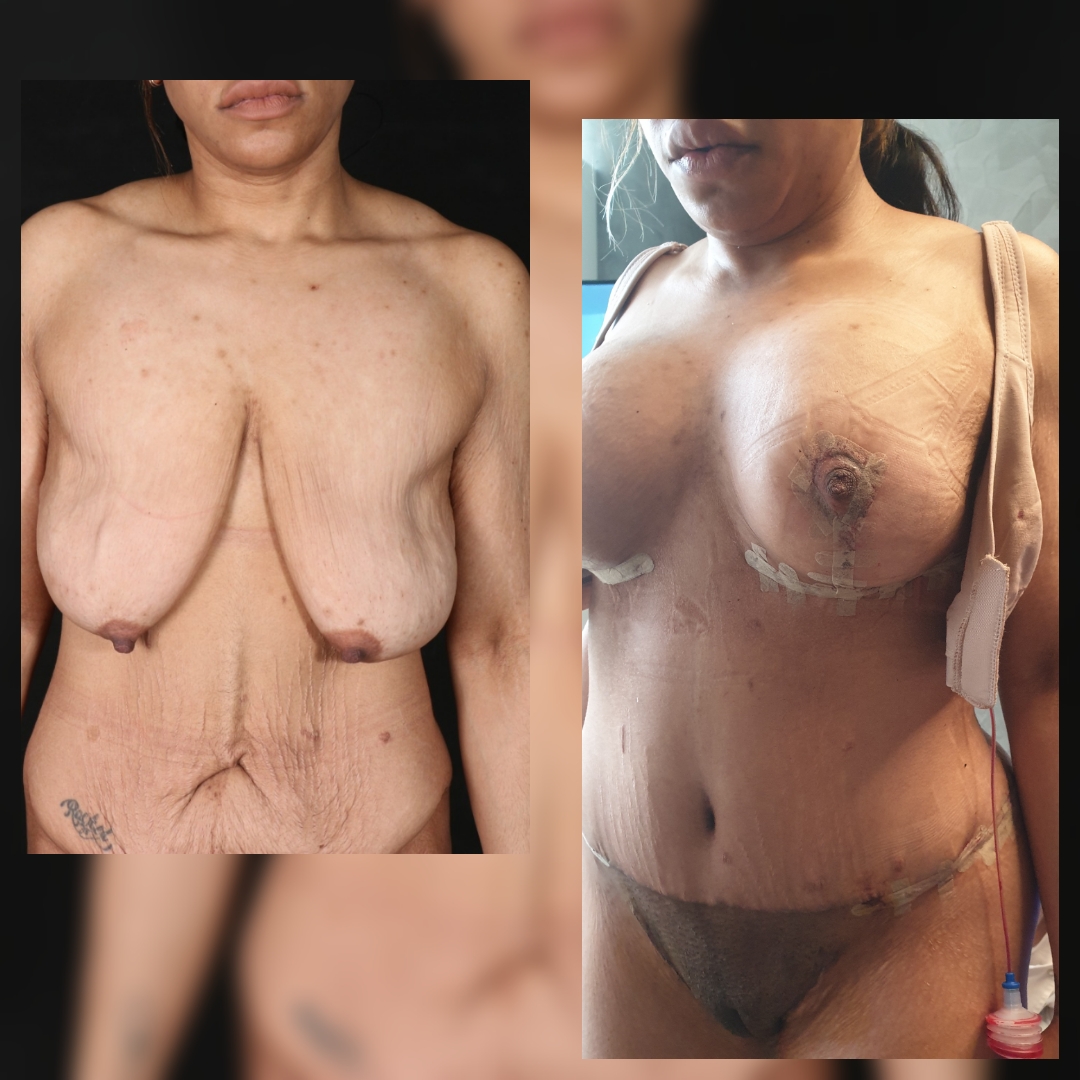
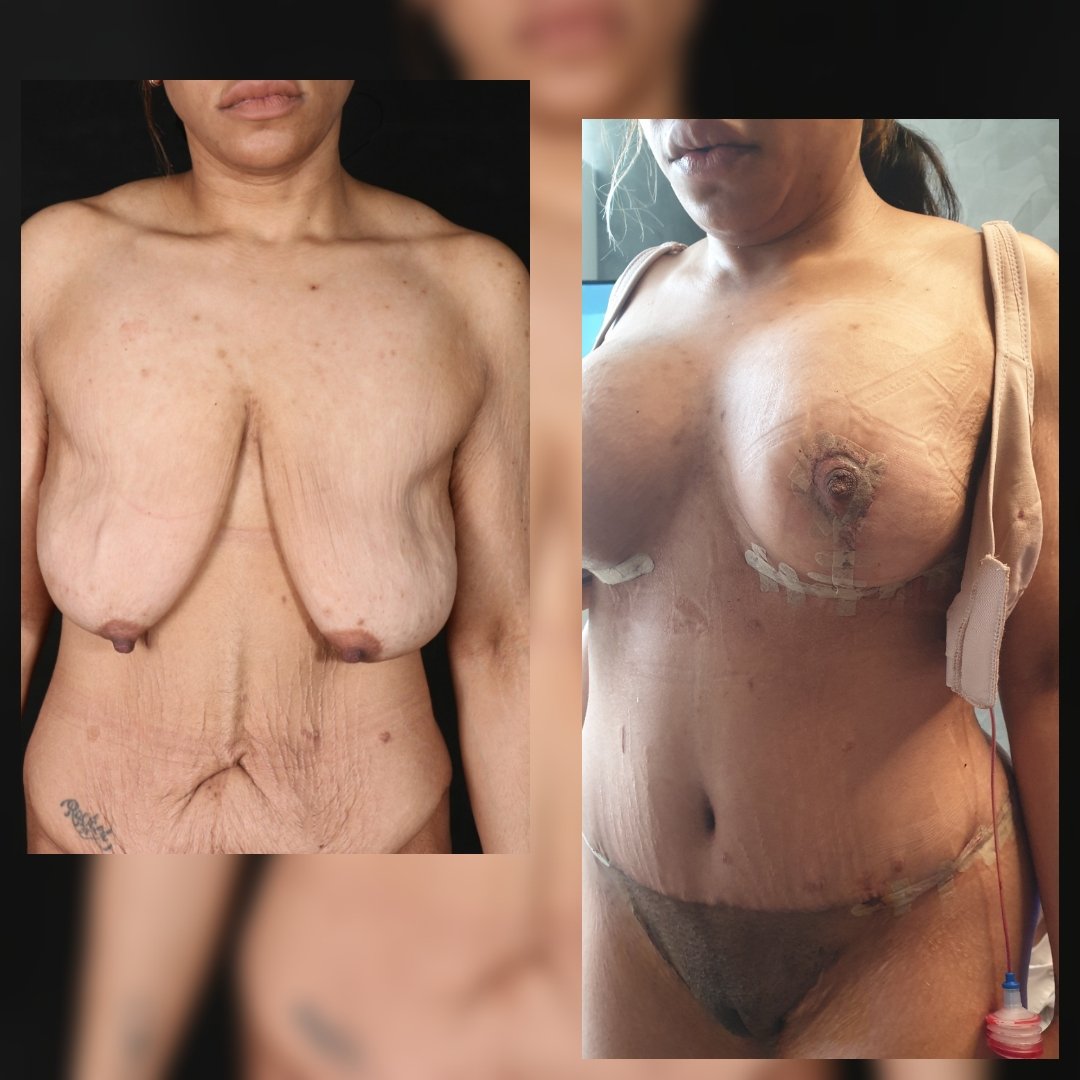
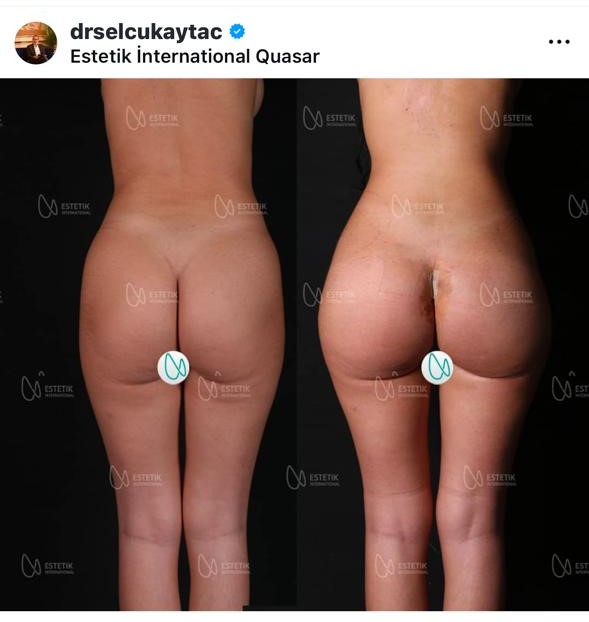
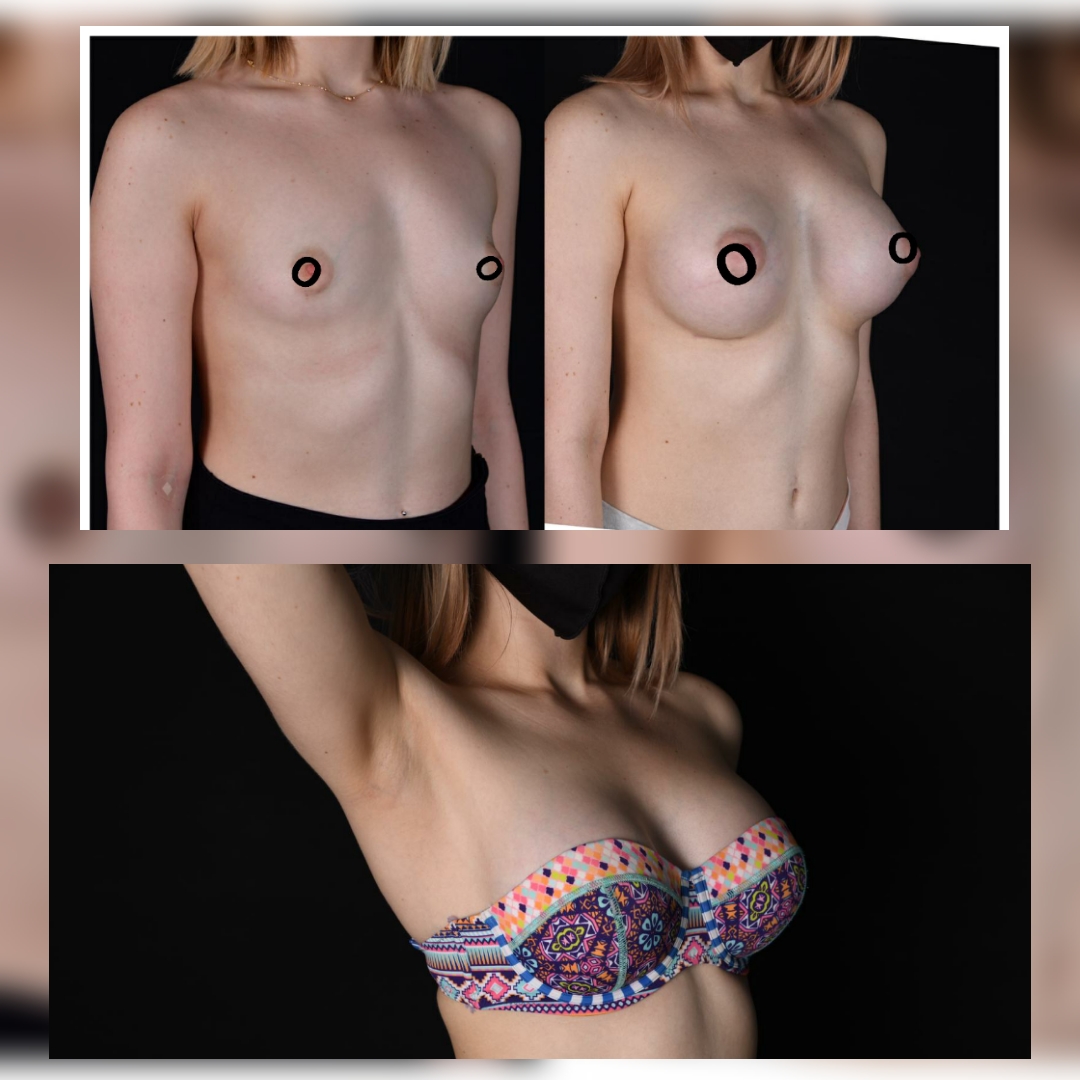

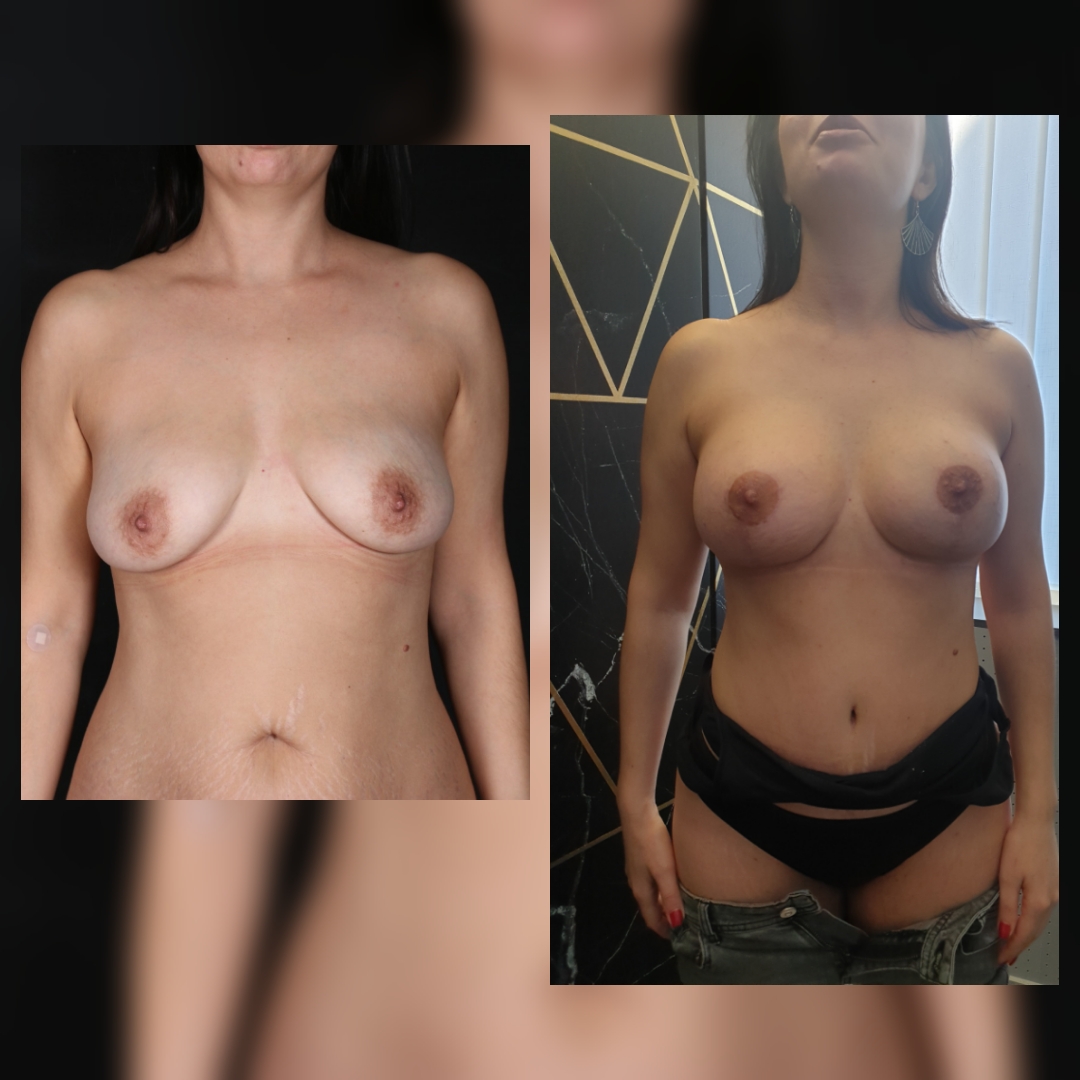
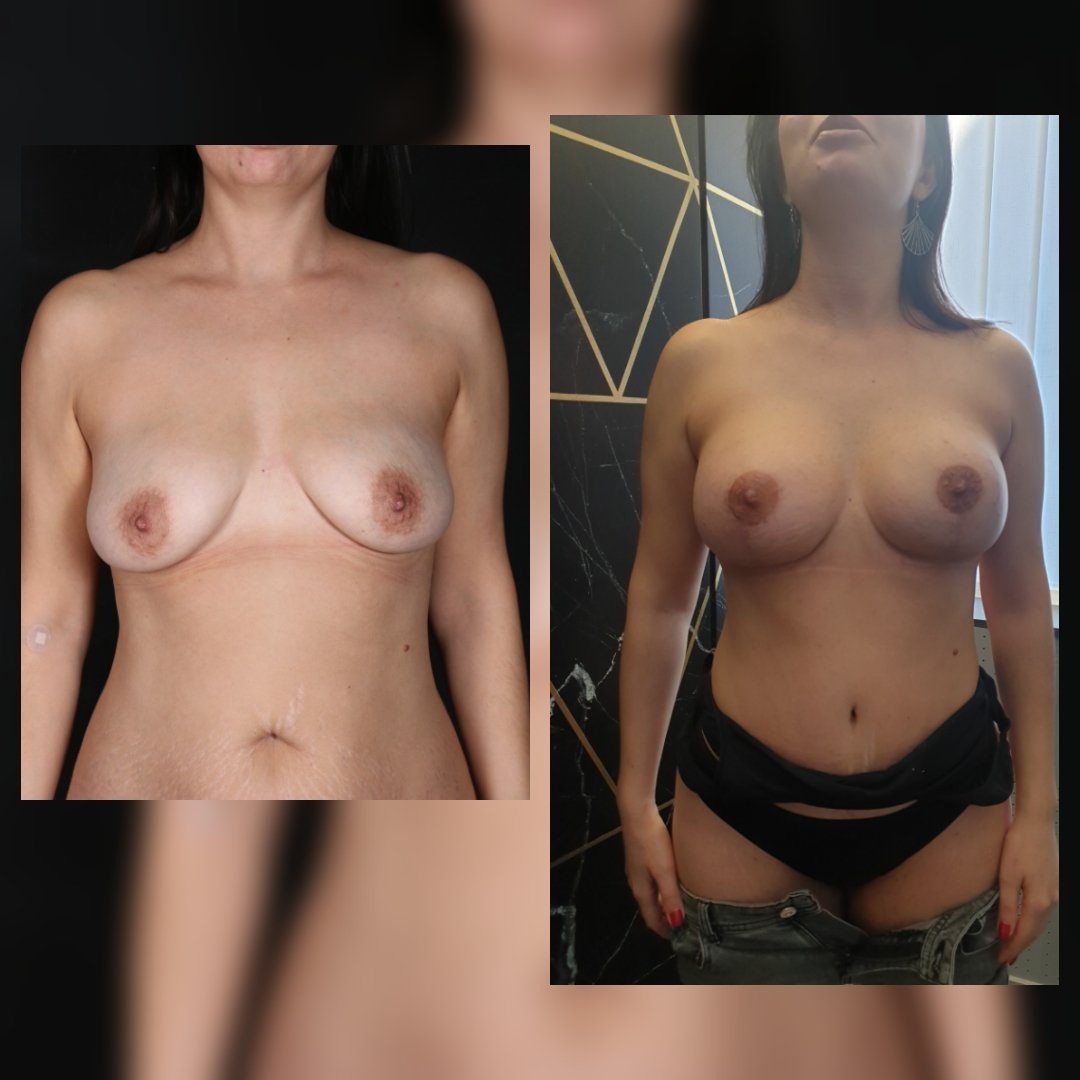
Doctors performing Bariatric Surgery (Gastric Sleeve/Bypass)



Clinical Evidence for Gastric Sleeve and Gastric Bypass Surgery
15 peer-reviewed sourcesBariatric procedures such as laparoscopic sleeve gastrectomy and Roux-en-Y gastric bypass are among the most extensively studied operations in modern surgery. The references below include long-term randomized controlled trials (SM-BOSS and SLEEVEPASS), network and pairwise meta-analyses, large prospective cohorts such as the Swedish Obese Subjects study, and evidence syntheses comparing the two operations for weight loss, type 2 diabetes remission, and cardiometabolic outcomes. The literature consistently shows durable weight loss and improvement of obesity-related conditions, while also documenting trade-offs such as reflux, nutritional deficiencies, and the need for lifelong follow-up. Individual results depend on starting weight, comorbidities, procedure choice, and adherence to post-operative care, so these sources are intended to inform discussion with a qualified bariatric team rather than to predict any one person's outcome.
- Long-Term Outcomes of Laparoscopic Roux-en-Y Gastric Bypass vs Laparoscopic Sleeve Gastrectomy for Obesity: The SM-BOSS Randomized Clinical Trial.
- Nutritional deficiencies after sleeve gastrectomy and Roux-en-Y gastric bypass at 10 years: secondary analysis of the SLEEVEPASS randomized clinical trial.
- Sleeve gastrectomy versus Roux-en-Y gastric bypass for remission of type 2 diabetes mellitus and obesity: systematic review and meta-analysis of randomized controlled trials.
- Ten-Year Follow-Up for Sleeve Gastrectomy Versus Roux-en-Y Gastric Bypass: A Systematic Review and Meta-Analysis.
- Roux-en-Y Gastric Bypass versus Sleeve Gastrectomy for Cardiometabolic Outcomes: A Systematic Review and Meta-analysis of Randomized Controlled Trials.
Compiled from peer-reviewed medical literature indexed on PubMed. This overview is for general education and is not medical advice. · Last updated 2026-06-15