Stem Cell Therapy
An umbrella of regenerative therapies using haematopoietic, mesenchymal or other adult stem cells to repair tissues, with established use in haematology and emerging use in orthopaedics and cardiology.
Overview
Hospital & stay
Procedure details
How it's performed
The stem-cell source is collected (peripheral blood apheresis after G-CSF mobilisation, bone marrow harvest from the iliac crest under anaesthesia, or umbilical cord blood) or commercially manufactured. The product is processed and characterised (cell count, viability, sterility) in a GMP laboratory. For haematopoietic reconstitution, conditioning chemotherapy/radiotherapy is given to make space and immunomodulate, then the cells are infused intravenously like a blood transfusion. For MSC-based therapies, the cells are delivered to the target site (joint, spinal canal, coronary artery, etc.) under image guidance with no conditioning.
Preparation
- 1Confirm diagnosis and stage; multidisciplinary review to confirm an evidence-based indication or clinical-trial enrolment.
- 2Pre-treatment investigations: bloods, virology, cardiac and pulmonary function as relevant.
- 3For haematopoietic transplants, donor selection and HLA typing; for MSC therapy, source and characterisation.
- 4Vaccinations and dental review where conditioning chemotherapy is planned.
- 5Informed consent covering uncertainty for non-haematological indications and the importance of trial frameworks.
Recovery
- 1Day 0: Infusion or injection under monitoring; observation for acute reactions.
- 2Days 1-3: For haematological transplants, inpatient care with neutropenic precautions; for MSC injections, day-case observation.
- 3Weeks 1-3: Engraftment monitoring (HSC) or activity-modification and physiotherapy (orthopaedic MSC).
- 4Months 1-3: Outcome assessment by symptom scores, imaging or blood counts.
- 5Months 3-12: Continued surveillance for late effects (chronic GVHD, infection, immune reactions).
- 6Long-term: Trial registry follow-up and lifelong surveillance for haematological transplants.
Before you travel: what the CDC recommends
The U.S. Centers for Disease Control and Prevention publishes guidance for Americans travelling abroad for medical care. These are its recommendations, not ours.
- Check the qualifications of the clinician who will perform the procedure and the credentials of the facility.
- Bring copies of your medical records, including lab and other test results related to your condition.
- Make sure you can get follow-up care in the United States. Care for complications can be expensive and might not be covered by your health insurance.
- Obtain international travel health insurance that covers medical evacuation back to the United States.
- Plan for the possibility of paying out of pocket for additional or emergency care.
- See your own healthcare provider 4–6 weeks before the trip to discuss risks specific to your health.
- Delay air travel for 10–14 days after major surgery, particularly chest surgery, to reduce risks from changes in cabin pressure.
Doctors performing Stem Cell Therapy
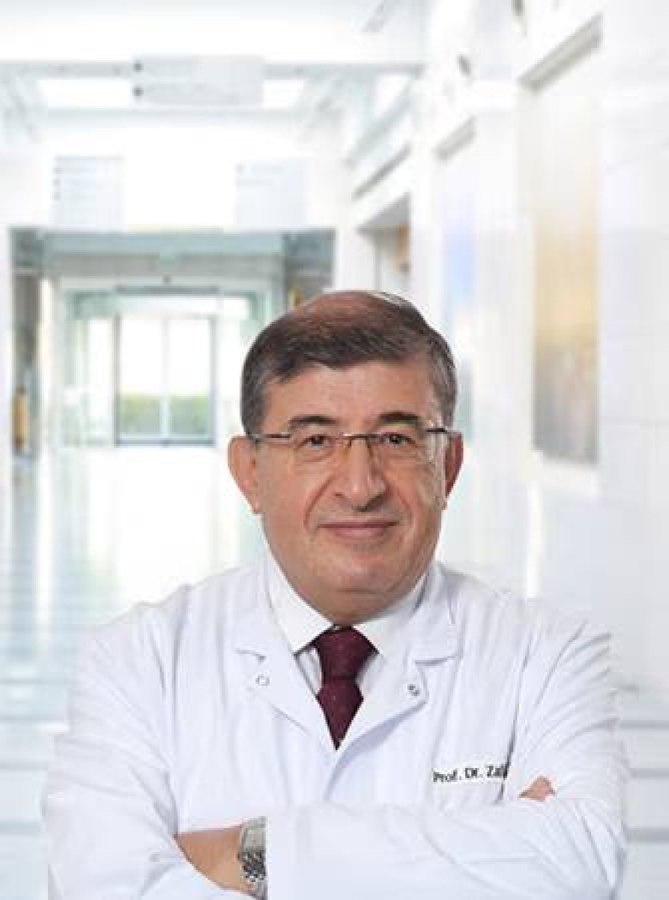
Stem Cell Therapy abroad: frequently asked questions
How long do I need to stay abroad for stem cell therapy?
Plan on about 7 days, from arrival to the flight home. Your surgeon will confirm when it is safe to travel.
Will U.S. insurance pay for stem cell therapy abroad?
Most U.S. health plans do not pay for elective surgery abroad, and cosmetic procedures are not covered at all. The CDC also warns that care for complications after surgery abroad may not be covered, so check your plan before you book.
Evidence on mesenchymal stem cell therapy
14 peer-reviewed sourcesMesenchymal stem cell (MSC) therapy uses cells derived from sources such as bone marrow, adipose tissue, or umbilical cord, and is being investigated across a wide range of indications. The strength of the evidence varies considerably by condition: some areas, such as intra-articular treatment for knee osteoarthritis and certain immune-related diseases, have a growing base of randomized trials and systematic reviews, while many other applications remain experimental. Across the published literature, MSC administration is generally reported to have an acceptable short- and medium-term safety profile, though efficacy findings are mixed and heterogeneous between studies. Many reviews emphasize the need for larger, well-controlled trials and standardized protocols before firm conclusions can be drawn for most uses. The references below are peer-reviewed and provided for general education; they do not constitute medical advice, and patients should be cautious of clinics promising unproven cures.
- Efficacy and safety of intra-articular mesenchymal stem cell-based therapies in knee osteoarthritis: A systematic review and meta-analysis of randomized controlled trials.
- Mesenchymal stem cell-based therapy for osteoarthritis: a systematic review and meta-analysis of clinical outcomes and functional recovery.
- Intradiscal mesenchymal stem cell therapy for degenerative disc disease: a systematic review and meta-analysis of randomized trials.
- Platelet-Rich Plasma vs. Mesenchymal Stem Cells for Lumbar Disc Degeneration: A Systematic Review and Meta-Analysis.
- Efficacy and safety of stem cell therapy in patients with Diabetes Mellitus - a systematic review and meta-analysis.
Compiled from peer-reviewed medical literature indexed on PubMed. This overview is for general education and is not medical advice. · Last updated 2026-06-15