Veneers
Thin porcelain or composite shells bonded onto the front of teeth to mask discolouration, chips and minor misalignment for a uniform, lighter smile.
Overview
Hospital & stay
Procedure details
How it's performed
After a digital smile design and shade selection, the dentist administers local anaesthesia and gently reduces approximately 0.5-0.75 mm of labial enamel from each tooth. An optical scan or impression is taken and sent to the laboratory; temporary acrylic veneers are placed on the prepared teeth. At a second visit several days later, the porcelain veneers are tried in, the prepared tooth surfaces are etched, primed and a resin cement is used to bond each veneer; excess cement is removed, the bite is checked, and the margins are polished.
Preparation
- 1Comprehensive dental examination, periodontal assessment and full-mouth radiographs.
- 2Treat any active caries, periodontal disease or root-canal pathology before veneer preparation.
- 3Digital smile design with photographs, intraoral scan and a wax-up or mock-up to preview the result.
- 4Shade selection with the dentist and laboratory technician.
- 5Construct a night-guard for patients with bruxism and discuss long-term maintenance.
Recovery
- 1Day 0: Mild gum tenderness and sensitivity to cold; eat soft foods on the day of preparation and bonding.
- 2Days 1-3: Sensitivity gradually settles; avoid very hot, cold or staining foods.
- 3Days 3-7: Bonding appointment and bite refinement; check margins and occlusion.
- 4Weeks 1-2: Hygiene review; reinforce daily flossing and use of non-abrasive toothpaste.
- 5Months 1-6: Routine maintenance visit to check seating and bonding integrity.
- 6Annual: Hygiene visits, occlusal check and night-guard renewal if needed.
Before you travel: what the CDC recommends
The U.S. Centers for Disease Control and Prevention publishes guidance for Americans travelling abroad for medical care. These are its recommendations, not ours.
- Check the qualifications of the clinician who will perform the procedure and the credentials of the facility.
- Bring copies of your medical records, including lab and other test results related to your condition.
- Make sure you can get follow-up care in the United States. Care for complications can be expensive and might not be covered by your health insurance.
- Obtain international travel health insurance that covers medical evacuation back to the United States.
- Plan for the possibility of paying out of pocket for additional or emergency care.
- See your own healthcare provider 4–6 weeks before the trip to discuss risks specific to your health.
- Delay air travel for 10–14 days after major surgery, particularly chest surgery, to reduce risks from changes in cabin pressure.
Best countries for Veneers: prices vs the U.S.
Price ranges published by clinics listed on xcuro in each country (USD), next to the typical U.S. price. Final quotes vary by clinic and case.Veneers cost in the U.S. by state and city →
| Country | Price at listed clinics | Clinics | |
|---|---|---|---|
| Turkey | From $358 | 1 | Full guide → |
| Colombia | From $400 | 1 | See clinics → |
| Mexico | $430 - $550 | 6 | Full guide → |
| Costa Rica | $450 - $670 | 3 | See clinics → |
| United States | $1,455 | CareCredit (Synchrony 2026 cost study) — national average per porcelain veneer | |
Veneers by country: full guides
Clinics offering Veneers





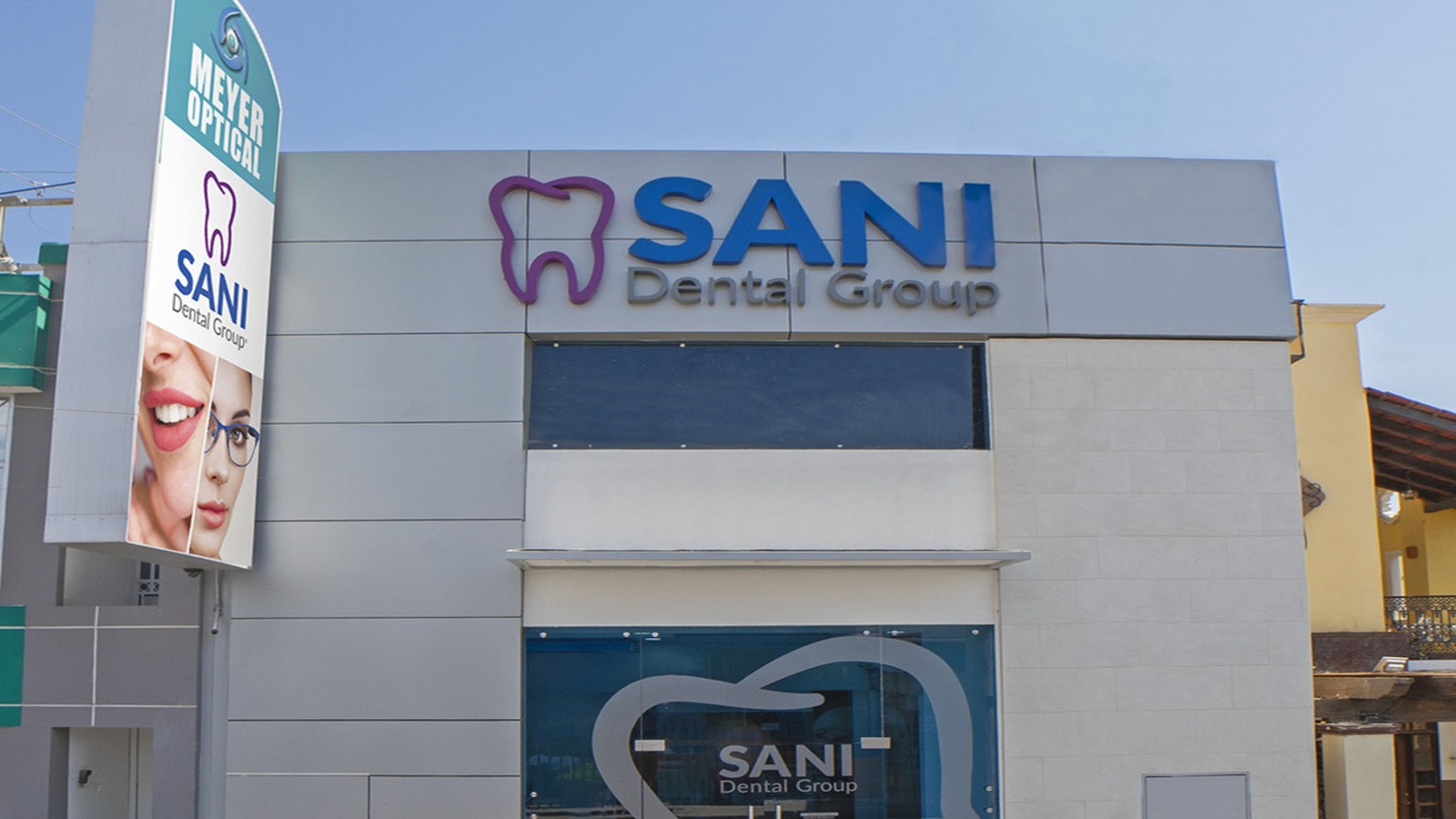
Doctors performing Veneers



Veneers abroad: frequently asked questions
How much does veneers cost abroad?
At clinics listed on xcuro, prices for veneers are: Turkey $358 (1 clinic); Colombia $400 (1 clinic); Mexico $430 to $550 (6 clinics); Costa Rica $450 to $670 (3 clinics). Final prices depend on your case and are confirmed in writing after a free consultation.
What is the best country for veneers?
There is no single best country; it depends on the surgeon, the clinic and how far you are willing to travel. Among clinics listed on xcuro, prices start lowest in Turkey (from $358), and Mexico has the widest choice (6 clinics). Compare surgeons' credentials and independent ratings before price.
How much does veneers cost in the U.S.?
Typically $1,455, according to CareCredit (Synchrony 2026 cost study).
How long do I need to stay abroad for veneers?
Plan on about 7 days, from arrival to the flight home. Your surgeon will confirm when it is safe to travel.
Will U.S. insurance pay for veneers abroad?
Most U.S. health plans do not pay for elective surgery abroad, and cosmetic procedures are not covered at all. The CDC also warns that care for complications after surgery abroad may not be covered, so check your plan before you book.
Related procedures
Related procedures
Clinical evidence on dental veneers
12 peer-reviewed sourcesDental veneers are thin, custom-made shells, most commonly ceramic, bonded to the front of teeth to improve color, shape, and alignment, the combination often marketed as a Hollywood smile. Systematic reviews and long-term clinical studies report high survival rates for well-made ceramic veneers, frequently exceeding 90 percent over five to ten years, with feldspathic and lithium-disilicate materials among the best documented. The evidence identifies the main causes of failure as fracture, debonding, marginal discoloration, and secondary decay, and highlights that minimally invasive preparation, immediate dentin sealing, and sound bonding protocols are associated with better outcomes. Patient satisfaction with esthetic results is generally high in the published literature, and digital smile design is increasingly studied as a planning tool. The references below are peer-reviewed and provided for general education, not as a substitute for an individual dental assessment.
- Survival and Complication Rates of Feldspathic, Leucite-Reinforced, Lithium Disilicate and Zirconia Ceramic Laminate Veneers: A Systematic Review and Meta-Analysis.
- Clinical Complications and Survival Rate of Resin Matrix Ceramic Restorations: A Systematic Review and Meta-Analysis.
- Conventional Versus Minimally Invasive Veneers: A Systematic Review.
- Marginal Adaptation of Veneers: A Systematic Review.
- Clinical Performance and Survival Outcomes of Milled Versus Pressed Lithium Disilicate Veneers: A Systematic Review.
Compiled from peer-reviewed medical literature indexed on PubMed. This overview is for general education and is not medical advice. · Last updated 2026-06-15