
Medical tourism in South Korea
Medical tourism in South Korea for U.S. patients
South Korea, and Seoul's Gangnam district in particular, is known for facial plastic surgery. xcuro's partner plastic surgery clinics in Korea are in Seoul, Incheon and on Jeju island.
What Americans travel to Korea for
- Rhinoplasty, including augmentation and revision
- Double eyelid surgery and other eyelid procedures
- Facial contouring (jaw and cheekbone reduction)
- Facelift and fat grafting
- Breast augmentation and liposuction
Protections for patients in Korea
Since September 25, 2023, Korean clinics that operate on unconscious patients must have cameras in the operating room, and you can ask for your own surgery to be recorded. A clinic may refuse only for narrow reasons and in writing, and footage is kept for at least 30 days. Check that your surgeon is a board-certified plastic surgeon and a member of the Korean Society of Plastic and Reconstructive Surgeons; in Korea, cosmetic procedures are also offered by doctors from other specialties.
Getting there and how long to stay
U.S. passport holders can visit Korea without a visa for up to 90 days and do not need a K-ETA through December 31, 2026; an electronic arrival card is required. Nonstop flights take about 13 hours from Los Angeles and over 15 from New York. Plan on 7 to 10 days for facial surgery and 10 to 14 days for body or breast surgery. The State Department rates South Korea Level 1, “Exercise Normal Precautions”.
Whatever the destination, the CDC recommends seeing a travel-medicine provider before you go, bringing copies of your medical records, arranging follow-up care at home before surgery, and waiting 10 to 14 days before flying after major surgery. Complications treated after you return may not be covered by U.S. insurance.
Travelling from the United States
U.S. passport holders do not need a K-ETA through 31 December 2026; an electronic Arrival Card is required instead. From 1 January 2027 the K-ETA requirement returns, so check the official portal before you book.
Nonstop service to Seoul from Los Angeles, San Francisco, Seattle, Dallas, Chicago, Atlanta, New York and Washington. West-coast flights run about 13 hours, east-coast about 14 to 15.
Entry rules change without much notice. Confirm them with the authority above before you book anything.
Top clinics in South Korea
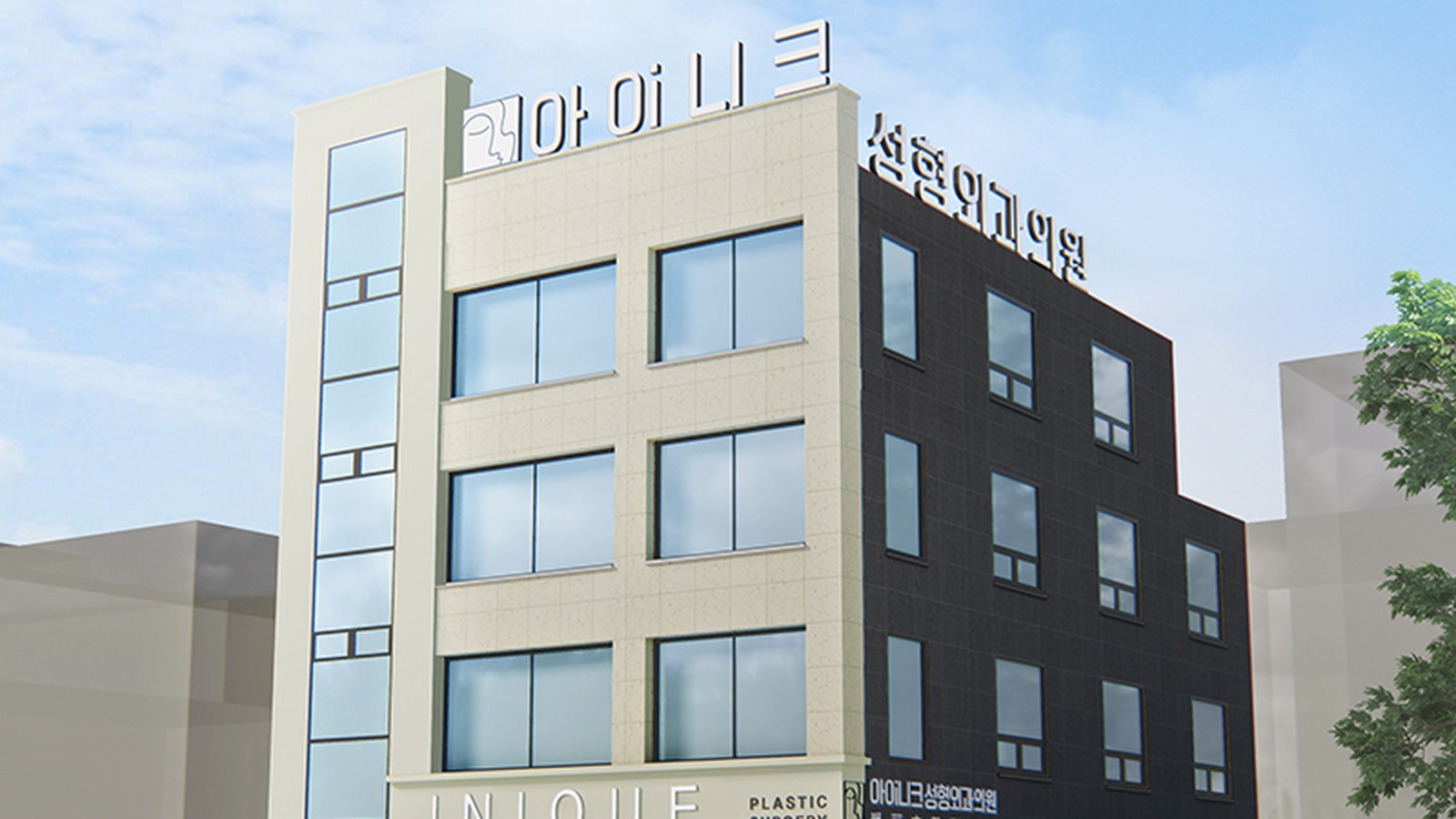
Gangnam (Sinsa-dong) plastic surgery clinic led by Dr. Yang Hae-won, focused on eye revision surgery, facial contouring and lifting, with rhinoplasty and breast surgery also offered.
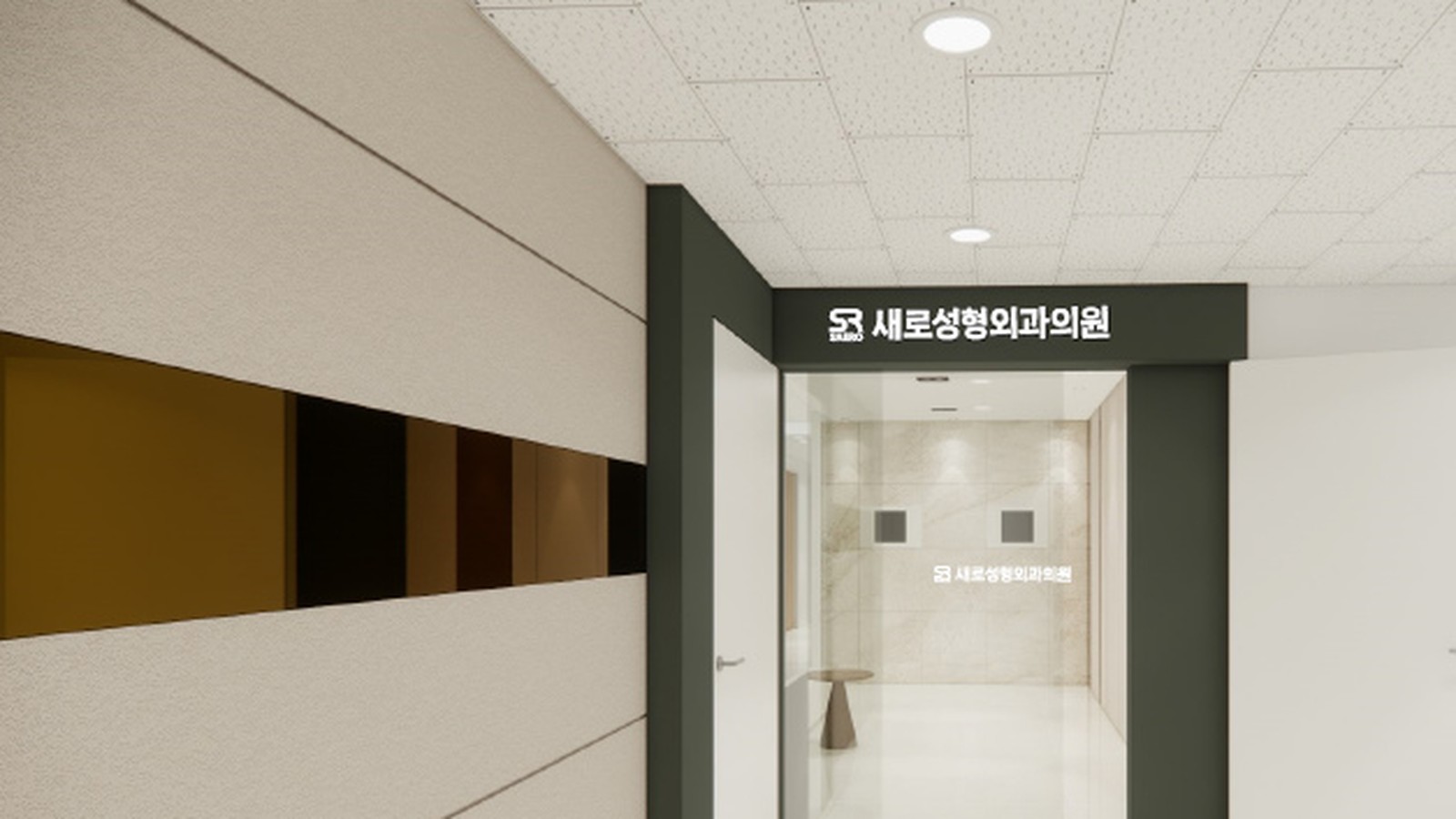
Single-surgeon plastic surgery clinic near Sinnonhyeon Station, Seoul, led by Dr. Young Gyu Park, offering eye, nose, facial contouring, facelift, breast and body surgery.
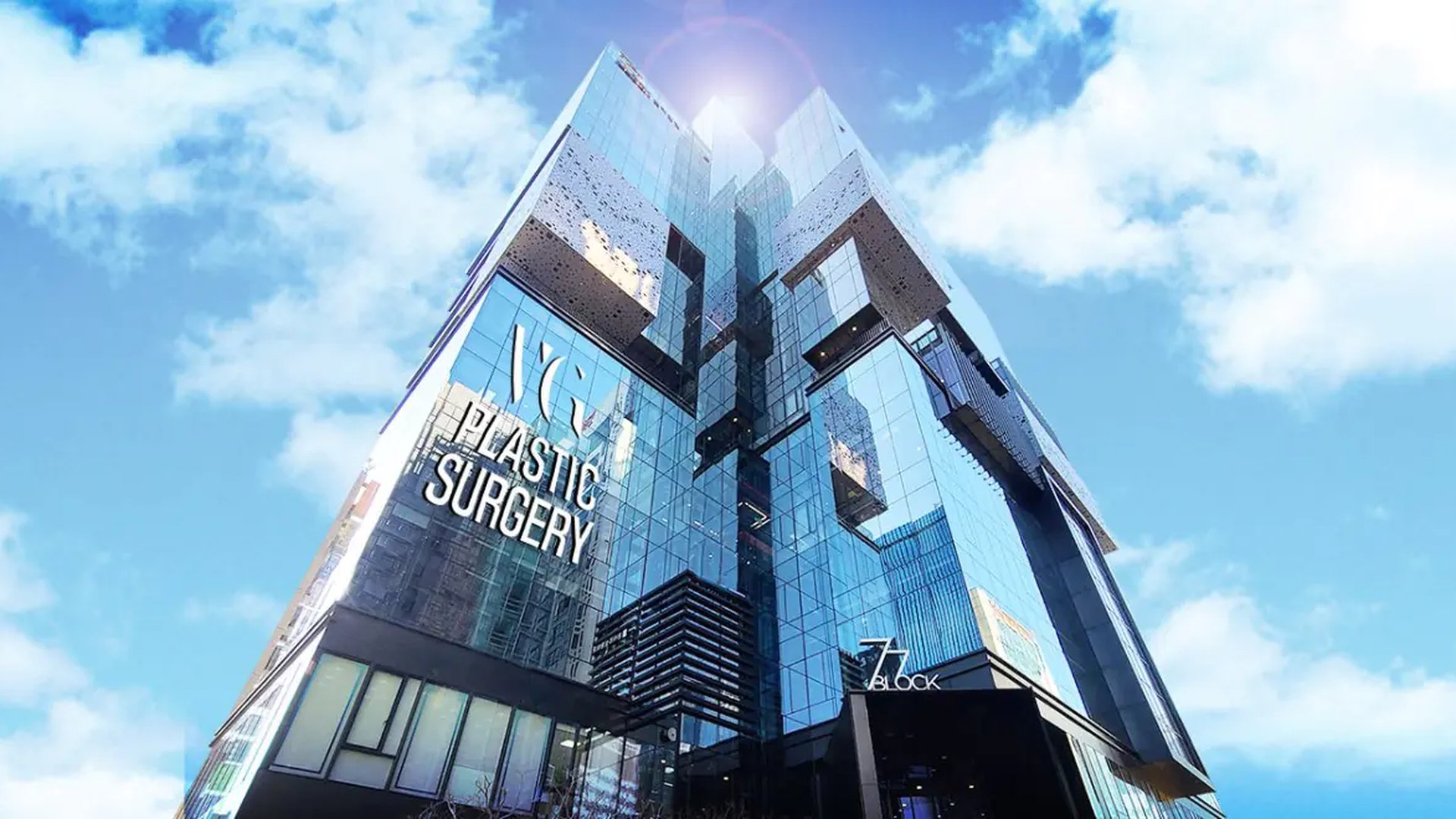
Gangnam plastic surgery clinic near Eonju Station with four board-certified plastic surgeons, offering eye, nose, facial contouring, lifting, breast and liposuction procedures.
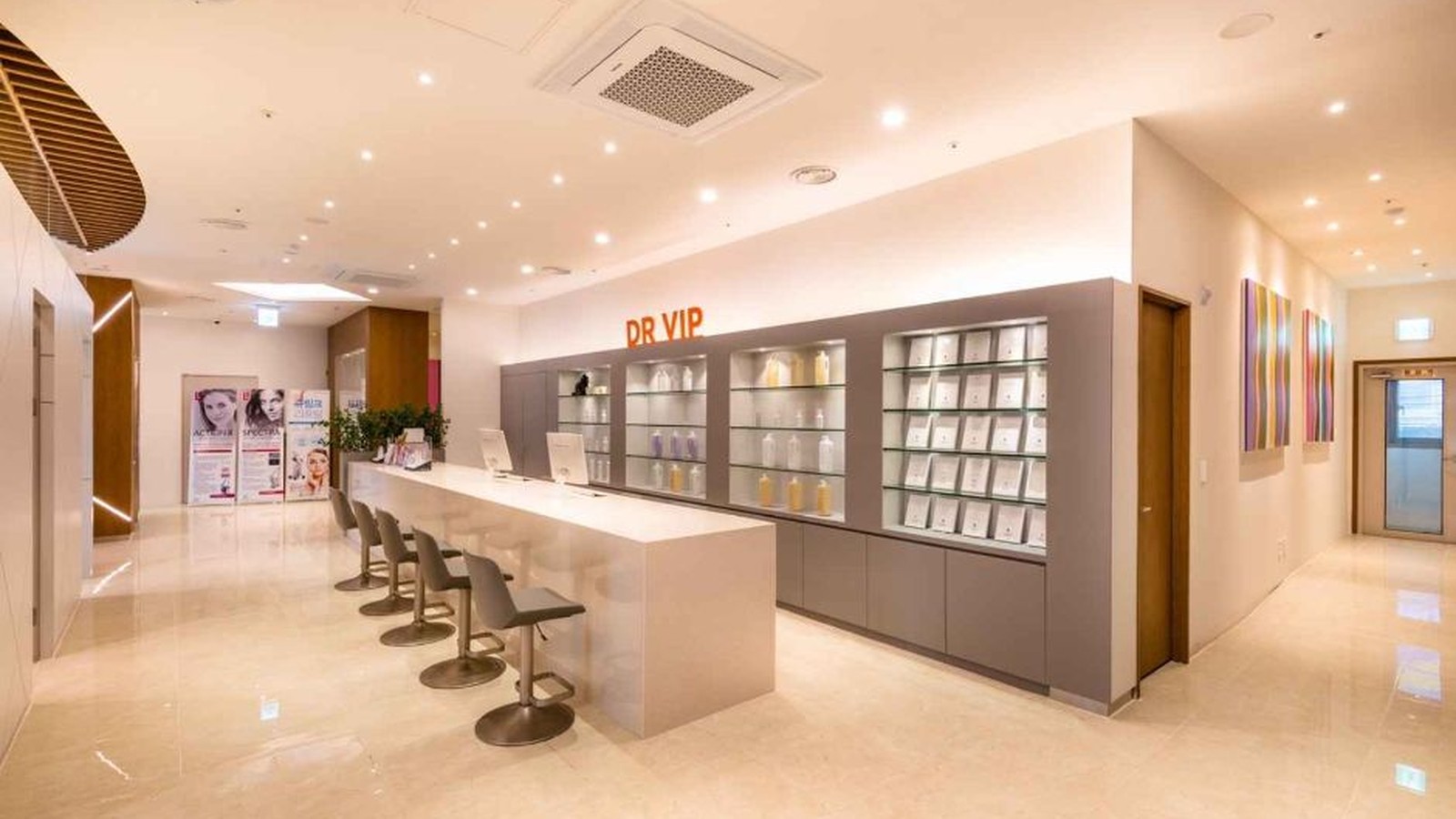
Jeju Island plastic surgery clinic opened in 2001 by Dr. Myung Ju Lee, focused on deep plane facelift, rhinoplasty and body contouring, with recovery hotel in the same building.
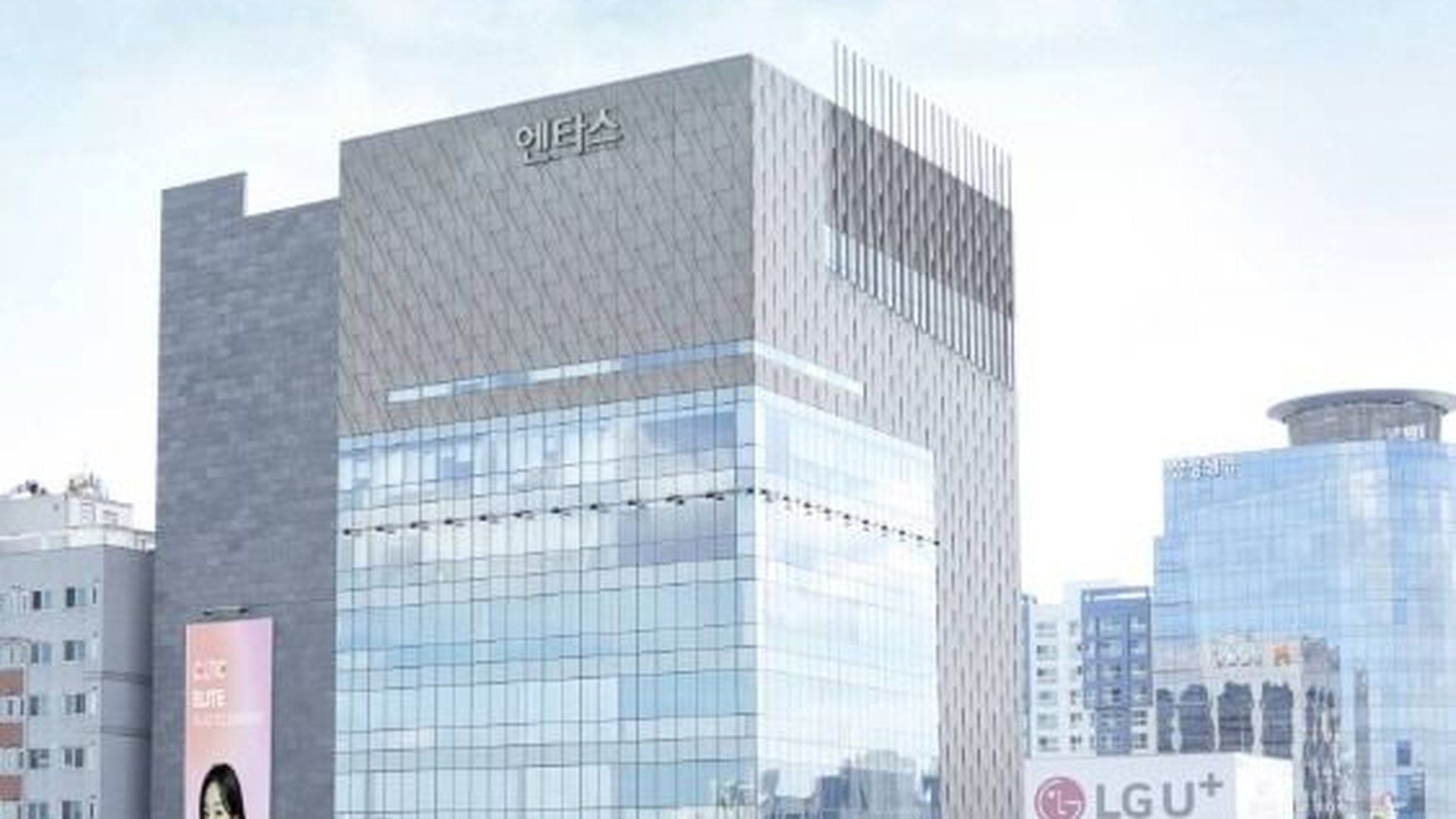
Incheon plastic surgery and dermatology clinic, in operation since 2007, offering facelift and lifting, eyelid, nose, breast and body contouring surgery, led by Dr. Lee Young Jin.
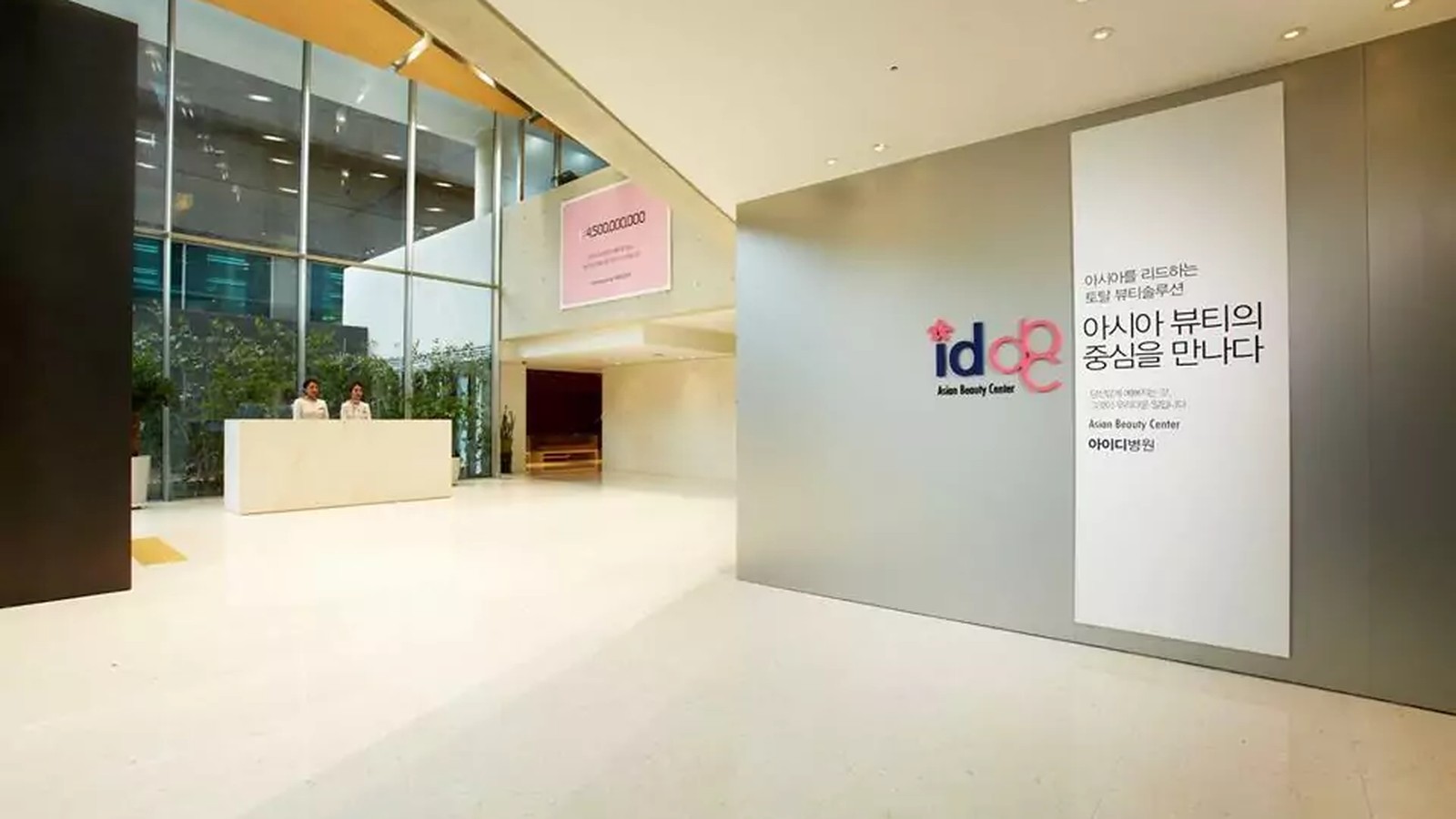
Gangnam plastic surgery hospital led by Dr. Park Sang Hoon, known for facial bone contouring and orthognathic surgery, with eye, nose, breast, anti-aging and body procedures.
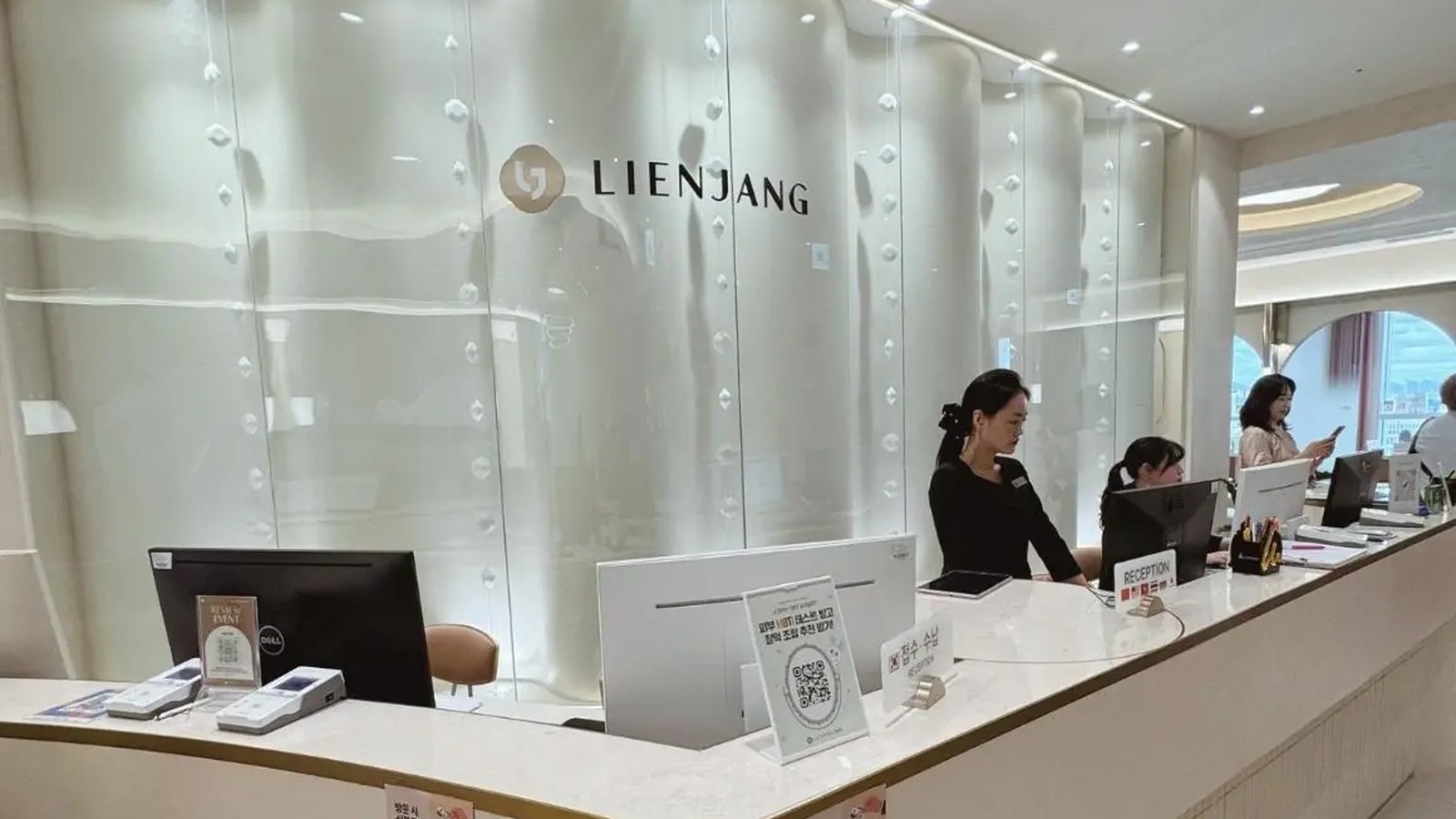
Plastic surgery clinic at Gangnam Station, Seoul, opened in 2004, focused on facelift and lifting, eye surgery, facial contouring and facial fat procedures.
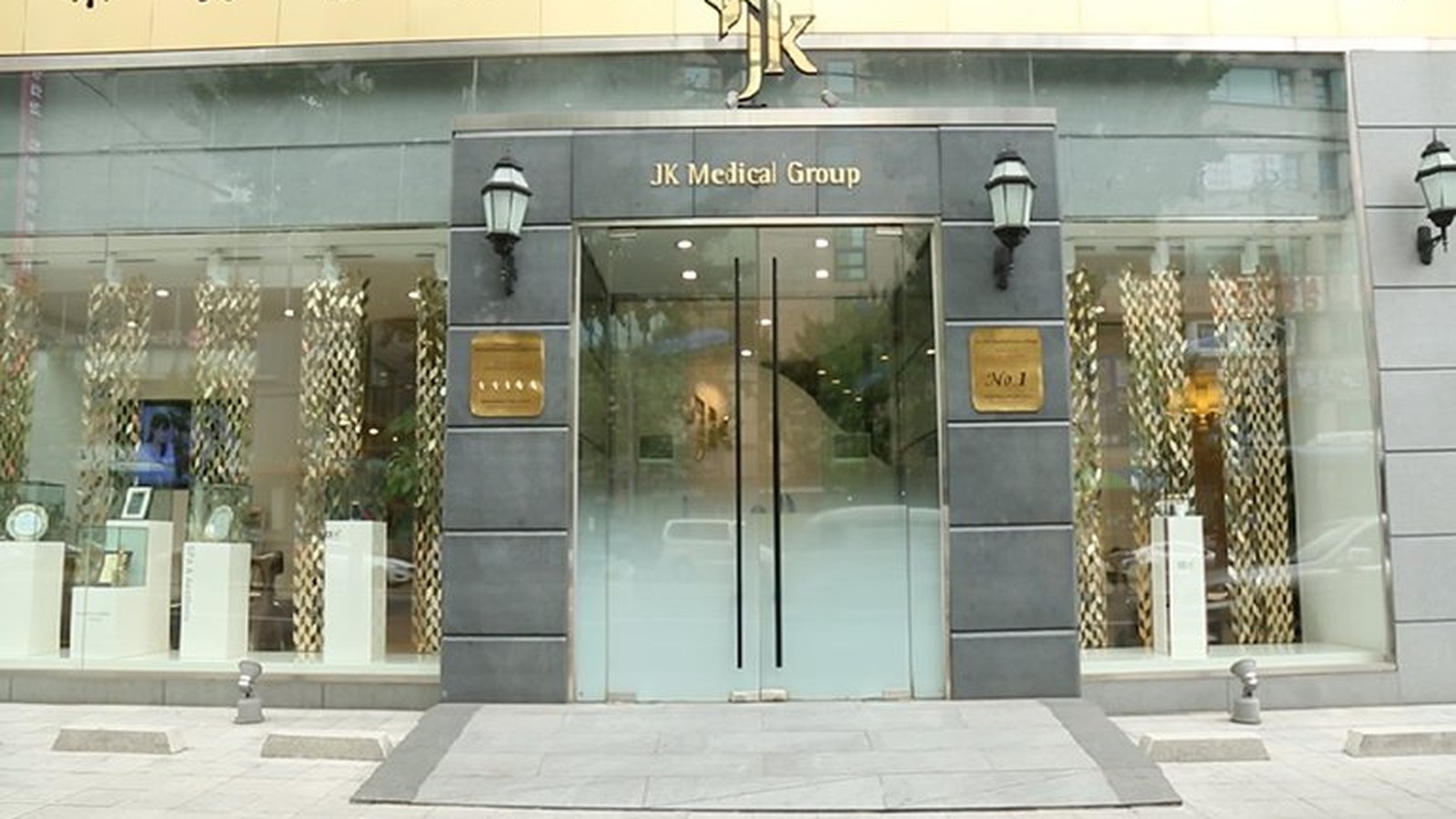
Apgujeong (Gangnam) plastic surgery center opened in 1998, offering eye, nose, facial contouring, anti-aging, breast and body surgery with a five-surgeon team.
Cost guides for U.S. patients
Popular procedures
Compare clinics and written quotes in South Korea.