Breast Reduction
Surgical reduction mammoplasty removes excess breast tissue, fat and skin and repositions the nipple-areola complex; the operation takes 2-5 hours.
Overview
Hospital & stay
Procedure details
How it's performed
Under general anesthesia in 2-5 hours. The surgeon typically uses an anchor-shaped incision (around the areola, vertically down to the inframammary fold, and along the fold), removes excess glandular tissue, fat and skin, often reduces the areola, and re-positions the nipple-areola complex upward on a vascular pedicle. Drains are usually placed; closure is in multiple layers.
Preparation
- 1Surgical consultation with documentation of macromastia-related symptoms; pre-operative photographs and measurements.
- 2Baseline mammogram or breast ultrasound (typically required for patients 35+).
- 3Stop smoking at least 4 weeks before surgery; stop aspirin/NSAIDs/blood-thinning supplements 2 weeks before on physician advice.
- 4Pre-operative bloods, ECG and anesthesia clearance.
- 5Arrange 2-4 nights of hospital admission, a caregiver for the first week, and front-fastening surgical bras.
Recovery
- 1Day 0-3: Surgery and 2-4 nights in hospital; drains in place; oral analgesics and antibiotics.
- 2Day 4-7: Drains removed; dressings checked; soreness persists.
- 3Day 7-14: Stitches removed in stages; most international patients fly home around day 10-14.
- 4Week 3-4: Return to office work; driving usually permitted; bruising and swelling fade.
- 5Week 6-8: Strenuous exercise gradually resumes; supportive bra worn continuously.
- 6Month 6-12: Scars fade, sensation returns gradually, breasts settle into final shape.
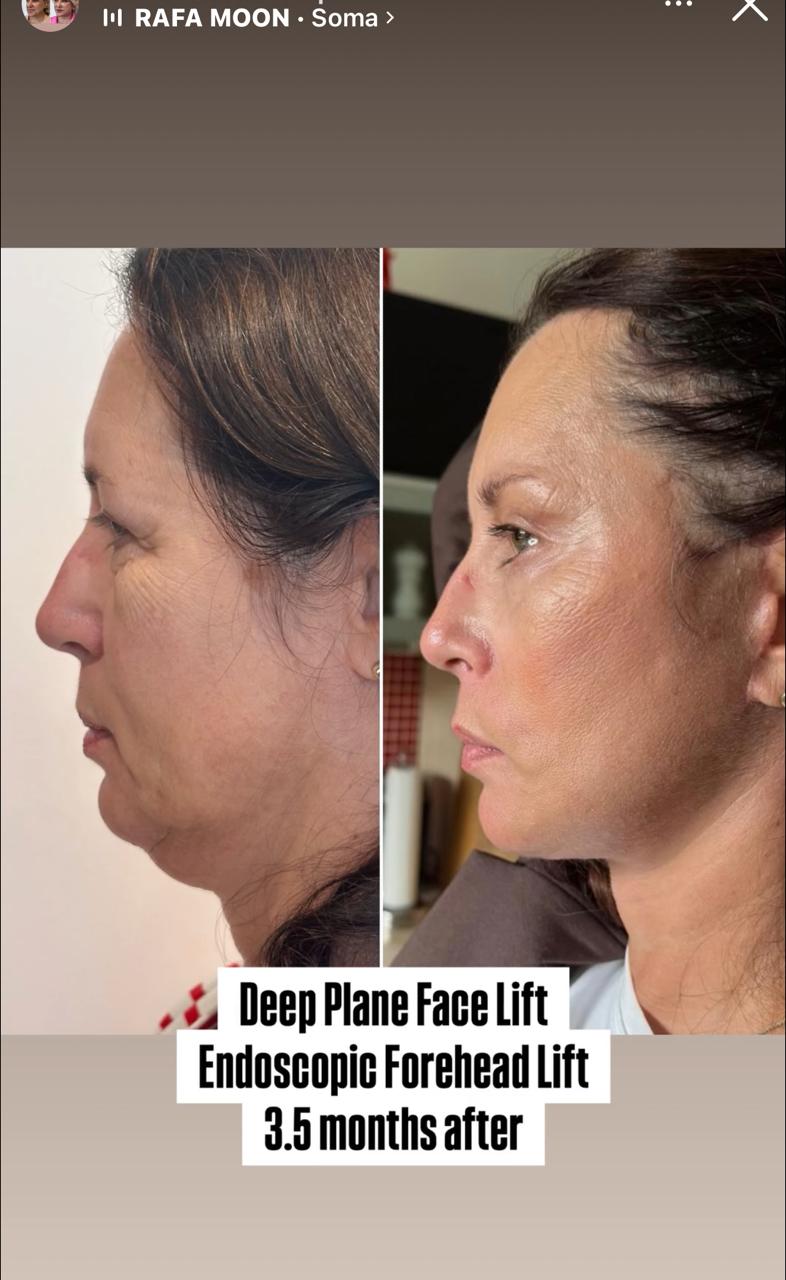
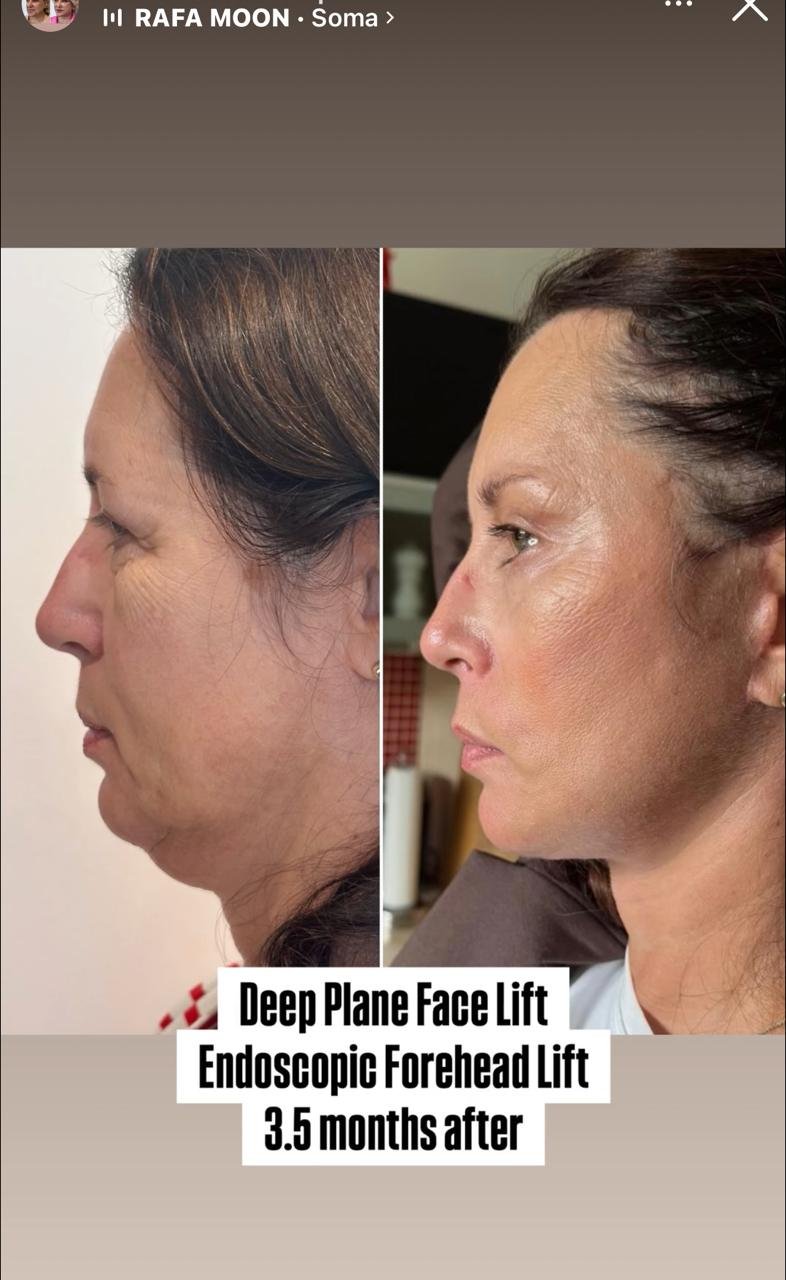
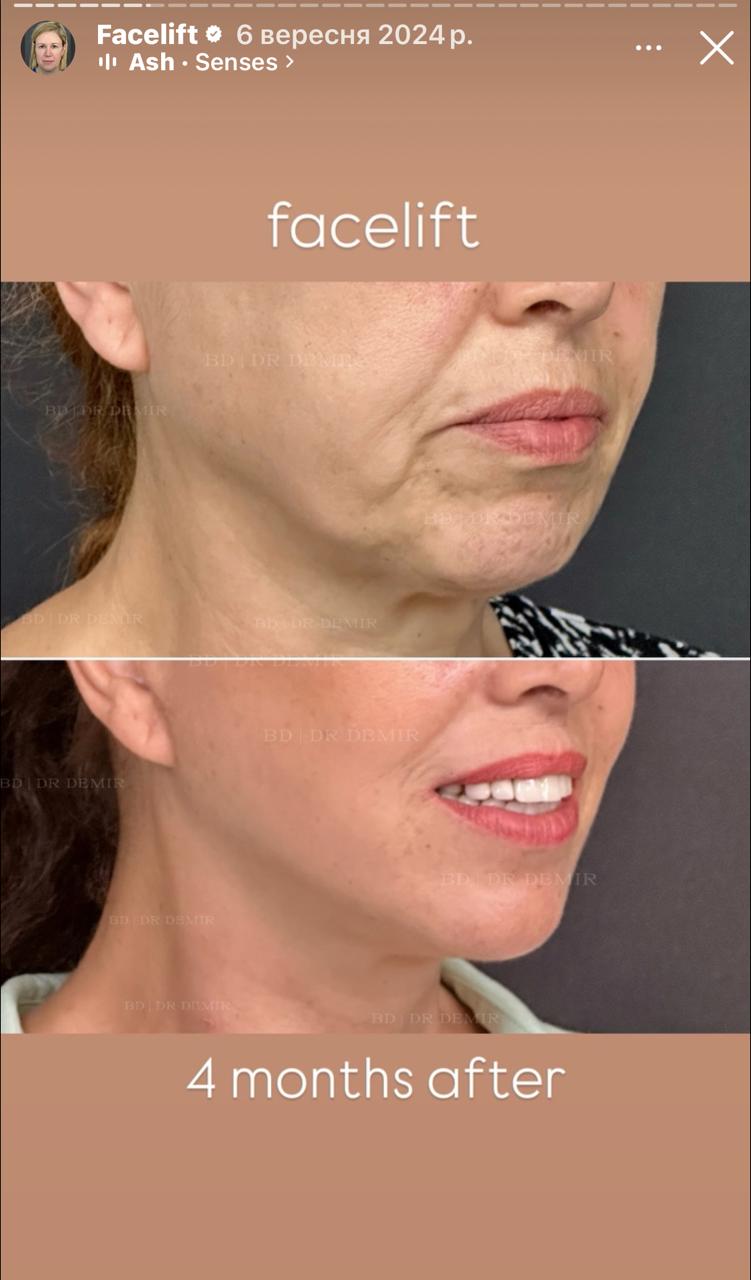
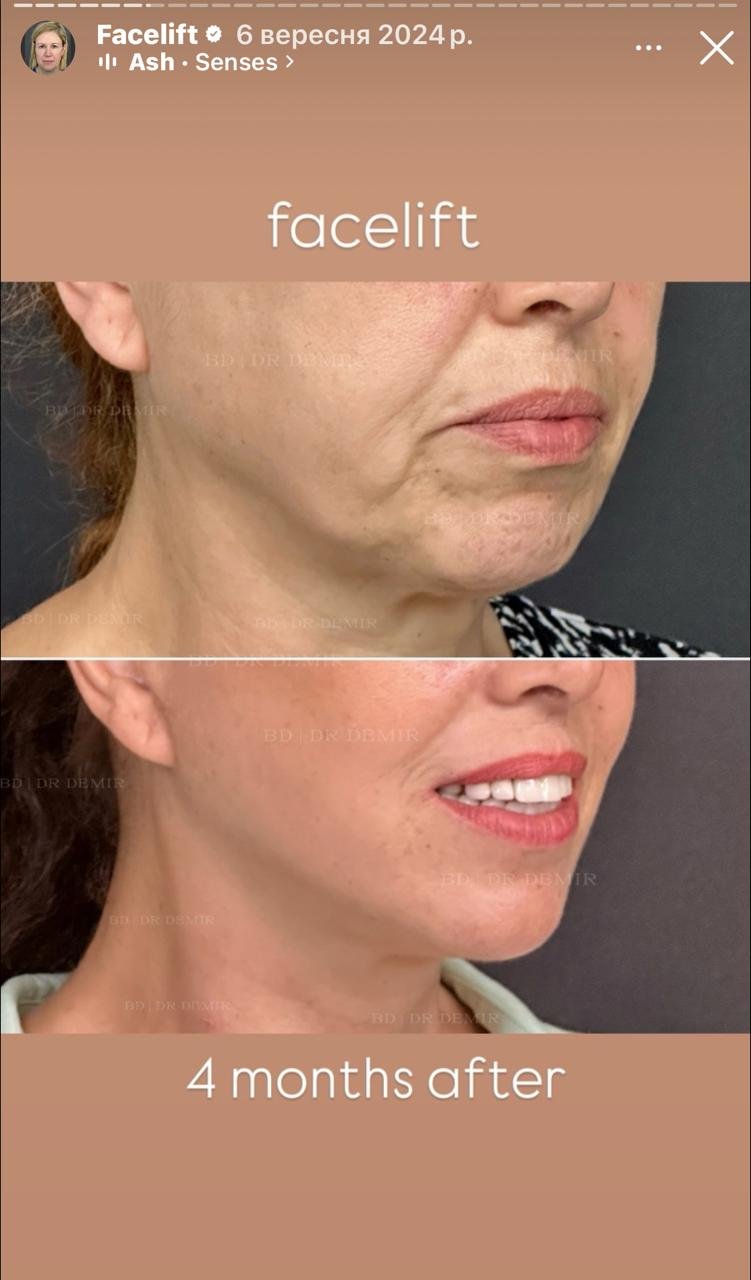
Before & after results
See all Breast Reduction results →




Breast Reduction cost by country
Typical price range per destination (USD). Final quote varies by clinic & individual case.
Clinics offering Breast Reduction











Doctors performing Breast Reduction











































Related procedures
Related procedures
What the research says about breast reduction (reduction mammaplasty)
14 peer-reviewed sourcesReduction mammaplasty is one of the most studied procedures in plastic surgery, with a large body of systematic reviews and meta-analyses examining its effect on physical symptoms, complications, and psychological wellbeing. Pooled evidence consistently links surgery for symptomatic macromastia with meaningful improvements in pain, function, and quality of life, alongside high patient-reported satisfaction on validated tools such as the BREAST-Q. Research also clarifies modifiable risk factors for wound healing problems, including body mass index, smoking, glycemic control, and resection weight, helping surgeons counsel candidates and reduce complications. The studies below span technique comparisons, mental-health outcomes, and adjuncts such as tranexamic acid and nerve blocks. They are summarized here for education only and do not replace an individual consultation with a qualified surgeon.
- The Impact of Breast Reduction Surgery on Mental Health and Well-Being: A Systematic Review
- Efficacy and Safety of the L-Scar Technique in Breast Surgery: A Systematic Review and Meta-Analysis
- Disparities in Access and Outcomes of Bilateral Reduction Mammaplasty (BRM): A Systematic Review
- Mental Health Outcomes in Adolescents/Young Adults Following Reduction Mammaplasty: A Systematic Review
- Complications and Satisfaction After Adolescent Breast Reduction for Juvenile Macromastia
Compiled from peer-reviewed medical literature indexed on PubMed. This overview is for general education and is not medical advice. · Last updated 2026-06-15