Rhinoplasty (Nose Job)
Surgical reshaping of the nasal bone and cartilage to alter size, profile or tip; performed under general anesthesia in 1.5-3 hours with a splint worn 7 days.
Overview
Hospital & stay
Procedure details
How it's performed
Under general anesthesia in 1.5-3 hours. The surgeon accesses the nasal framework either through internal incisions only (closed approach) or through an additional small columellar incision (open approach), reshapes nasal bones with osteotomies, sculpts or augments cartilage with grafts or implants, and closes with fine sutures. An external nasal splint is taped over the nose for 7 days.
Preparation
- 1Consultation with detailed nasal-airway examination, photographs and often 3D imaging.
- 2Stop smoking at least 4 weeks before surgery; stop aspirin/NSAIDs/herbal blood-thinners 2 weeks before.
- 3Pre-operative blood tests, ECG, anesthesia clearance.
- 4Fast 6-8 hours before general anesthesia.
- 5Plan for cold compresses, head elevation pillows, and a 7-10 day post-op accommodation.
Recovery
- 1Day 0-2: Surgery and 1-2 hospital nights; external splint in place; oral analgesics and antibiotics; head elevated.
- 2Day 3-6: Periorbital bruising and swelling peak then begin to fade; mouth breathing common due to internal swelling.
- 3Day 7: Splint and external stitches removed; many international patients can fly home.
- 4Week 3: Bruising and most surface swelling resolved; swimming may resume.
- 5Week 4-6: Strenuous exercise resumed; glasses on the bridge usually still avoided.
- 6Month 3-12: Tip refinement continues; final shape visible at 6-12 months depending on skin thickness.
Before & after results
See all Rhinoplasty (Nose Job) results →









Before you travel: what the CDC recommends
The U.S. Centers for Disease Control and Prevention publishes guidance for Americans traveling abroad for medical care. These are its recommendations, not ours.
- Check the qualifications of the clinician who will perform the procedure and the credentials of the facility.
- Bring copies of your medical records, including lab and other test results related to your condition.
- Make sure you can get follow-up care in the United States. Care for complications can be expensive and might not be covered by your health insurance.
- Obtain international travel health insurance that covers medical evacuation back to the United States.
- Plan for the possibility of paying out of pocket for additional or emergency care.
- See your own healthcare provider 4–6 weeks before the trip to discuss risks specific to your health.
- Delay air travel for 10–14 days after major surgery, particularly chest surgery, to reduce risks from changes in cabin pressure.
Best countries for Rhinoplasty (Nose Job): prices vs the U.S.
Price ranges published by clinics listed on xcuro in each country (USD), next to the typical U.S. price. Final quotes vary by clinic and case.Rhinoplasty (Nose Job) cost in the U.S. by state and city →
| Country | Price at listed clinics | Clinics | |
|---|---|---|---|
| South Korea | $1,187 - $10,324 | 7 | Full guide → |
| Turkey | $2,393 - $6,273 | 11 | Full guide → |
| Colombia | $4,630 - $7,410 | 3 | Full guide → |
| Mexico | $5,399 - $6,000 | 2 | Full guide → |
| Thailand | $6,100 - $6,500 | 1 | See clinics → |
| United States | $5,000 – $15,000 | Cherry, 2026 — surgeon, facility and anesthesia | |
Rhinoplasty (Nose Job) by country: full guides
Read before you decide
Clinics offering Rhinoplasty (Nose Job)










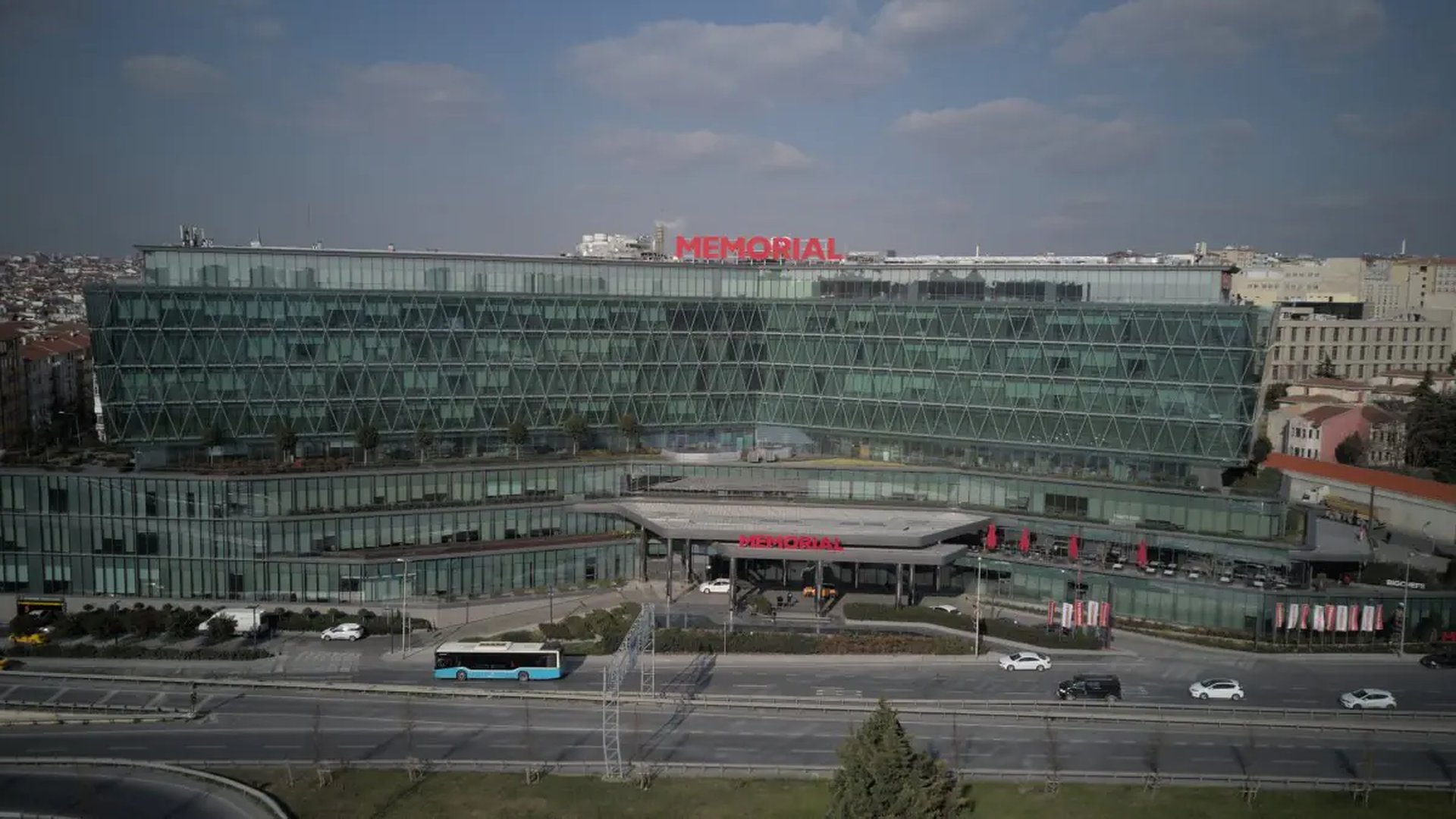





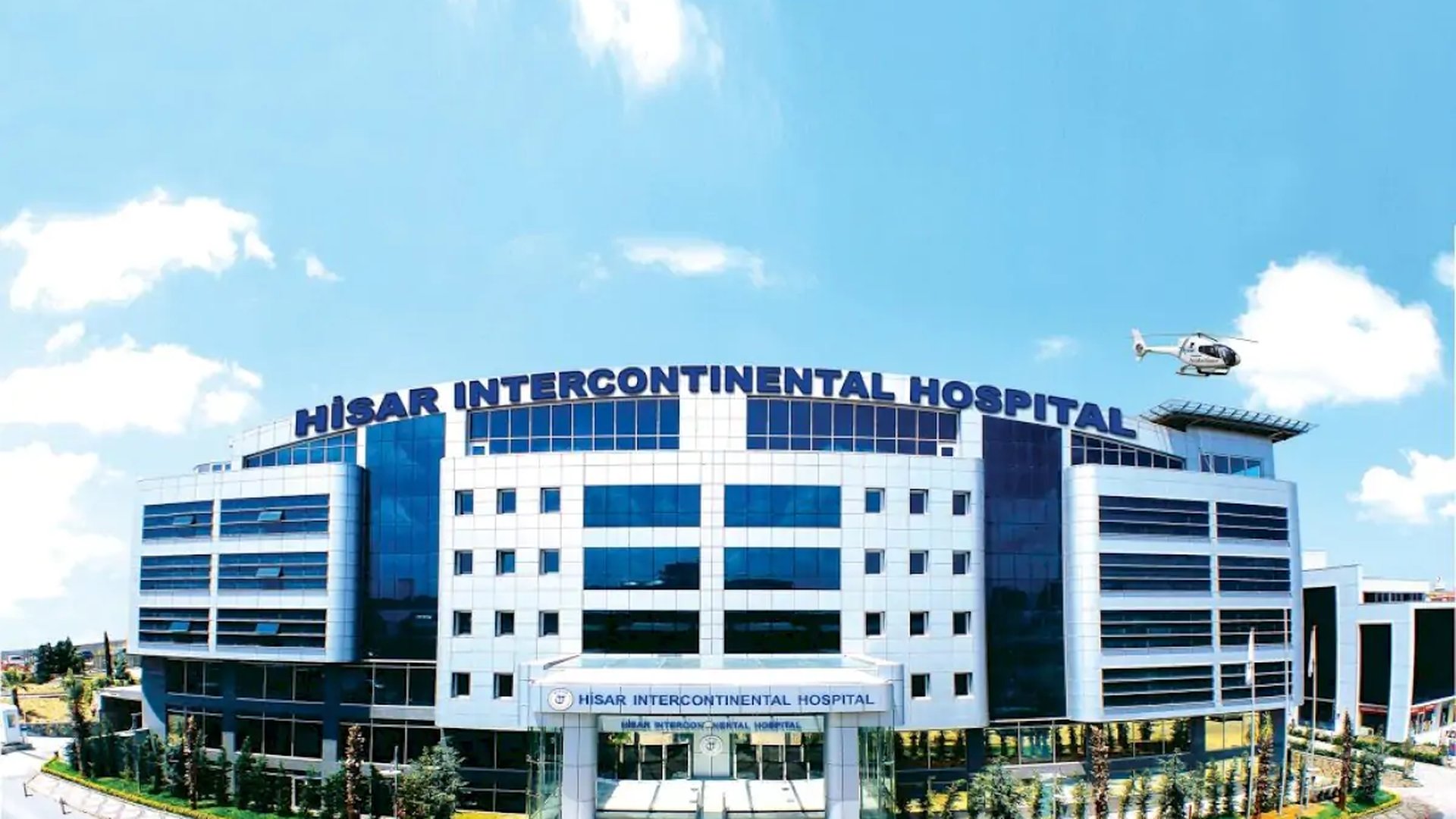



Doctors performing Rhinoplasty (Nose Job)



































Rhinoplasty (Nose Job) abroad: frequently asked questions
How much does rhinoplasty cost abroad?
At clinics listed on xcuro, prices for rhinoplasty are: South Korea $1,187 to $10,324 (7 clinics); Turkey $2,393 to $6,273 (11 clinics); Colombia $4,630 to $7,410 (3 clinics); Mexico $5,399 to $6,000 (2 clinics); Thailand $6,100 to $6,500 (1 clinic). Final prices depend on your case and are confirmed in writing after a free consultation.
What is the best country for rhinoplasty?
There is no single best country; it depends on the surgeon, the clinic and how far you are willing to travel. Among clinics listed on xcuro, prices start lowest in South Korea (from $1,187), and Turkey has the widest choice (11 clinics). Compare surgeons' credentials and independent ratings before price.
How much does rhinoplasty cost in the U.S.?
Typically $5,000 to $15,000, according to Cherry, 2026.
How long do I need to stay abroad for rhinoplasty?
Plan on about 10 days, from arrival to the flight home. Your surgeon will confirm when it is safe to travel.
Will U.S. insurance pay for rhinoplasty abroad?
Most U.S. health plans do not pay for elective surgery abroad, and cosmetic procedures are not covered at all. The CDC also warns that care for complications after surgery abroad may not be covered, so check your plan before you book.
Related procedures
Related procedures
What the research shows about rhinoplasty outcomes and safety
13 peer-reviewed sourcesRhinoplasty is among the most studied facial procedures, with a growing body of systematic reviews and meta-analyses comparing surgical techniques, graft materials, and approaches. Evidence consistently shows high patient satisfaction and measurable gains in quality of life when surgery is well planned and matched to realistic expectations, while also documenting revision rates and the functional impact on breathing and smell. The studies below span aesthetic and functional outcomes, open versus closed techniques, preservation versus structural methods, and psychosocial considerations. Because the nose serves both appearance and airflow, the best results come from procedures that protect or improve nasal function as well as shape. Outcomes depend heavily on surgeon experience and individual anatomy, so these findings describe general trends rather than guaranteed results.
- Preservation rhinoplasty versus conventional structural reduction: a systematic review
- Piezoelectric Versus Conventional Rhinoplasty: A GRADE-assessed Systematic Review and Meta-Analysis
- Does Dorsal Preservation Rhinoplasty Preserve Nasal Airway Function? A Systematic Review
- Complications Associated With Polycaprolactone (PCL) Use in Septorhinoplasty: A Systematic Review
- Fresh Frozen vs Autologous Costal Cartilage in Rhinoplasty: A Meta-Analysis of Complications
Compiled from peer-reviewed medical literature indexed on PubMed. This overview is for general education and is not medical advice. · Last updated 2026-06-15