Eyelid Surgery (Blepharoplasty)
Surgical removal or repositioning of excess upper-lid skin and lower-lid fat to refresh the periorbital area; outpatient procedure of 45 minutes to 2.5 hours.
Overview
Hospital & stay
Procedure details
How it's performed
Performed under local anesthesia with sedation or general anesthesia. For upper-lid blepharoplasty, an incision is made in the natural lid crease; excess skin, a small strip of orbicularis muscle and prolapsed fat are removed, then closed with fine sutures. For lower-lid bags, the surgeon uses a subciliary skin incision or a hidden transconjunctival approach inside the lid to remove or reposition fat. Korean double-eyelid surgery additionally uses a buried-suture (non-incisional) variant.
Preparation
- 1Consultation with photographs, dry-eye screening and discussion of crease design.
- 2Stop smoking 4 weeks before surgery; stop blood-thinning medications and supplements 2 weeks before on physician advice.
- 3Pre-operative bloods and (if general anesthesia) anesthesia clearance.
- 4Arrange a caregiver for the first 24-48 hours; do not plan to drive home.
- 5Bring tinted glasses or sunglasses for post-op light sensitivity.
Recovery
- 1Day 0: Day-case surgery; cold compresses; head elevated; oral analgesia.
- 2Day 1-3: Bruising and swelling peak; tear-film irritation common.
- 3Day 5-7: Sutures removed (incisional); many international patients fly home.
- 4Week 2: Most bruising resolved; return to office work typically possible.
- 5Week 4-6: Strenuous exercise and swimming resumed; contact-lens wear permitted.
- 6Month 2-3: Crease shape and scar fully settle.
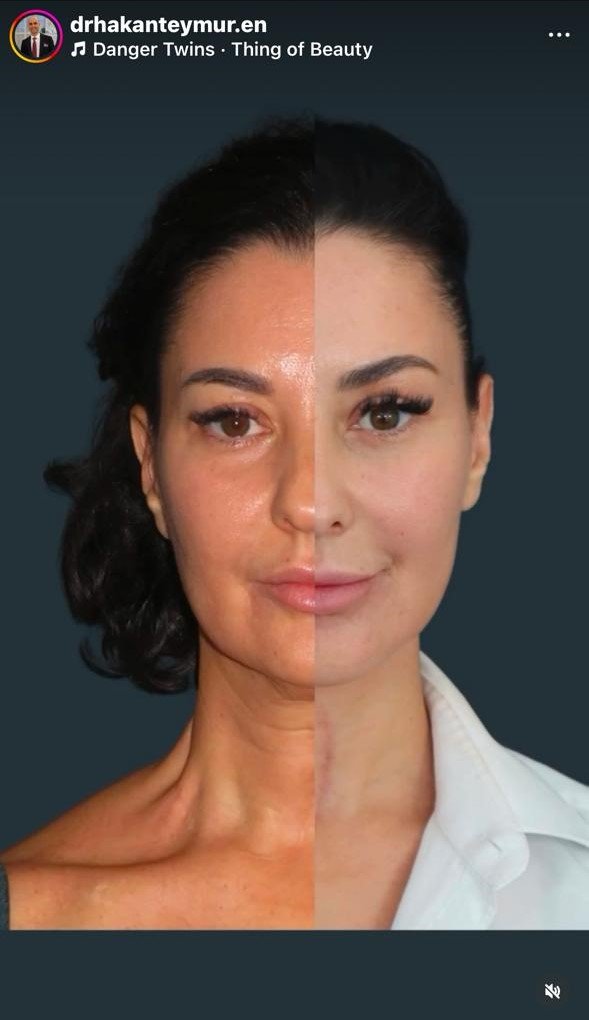
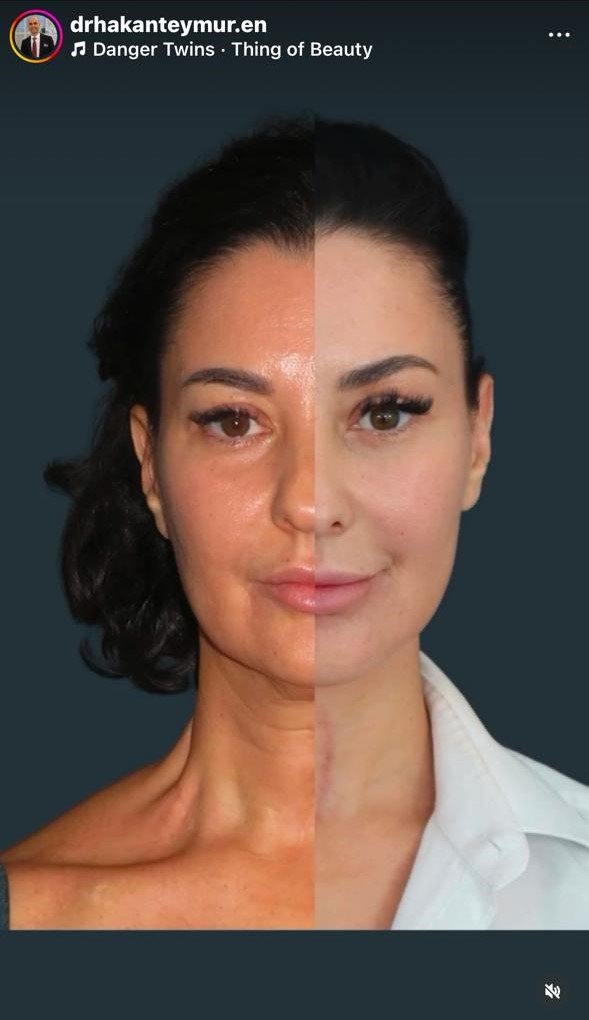
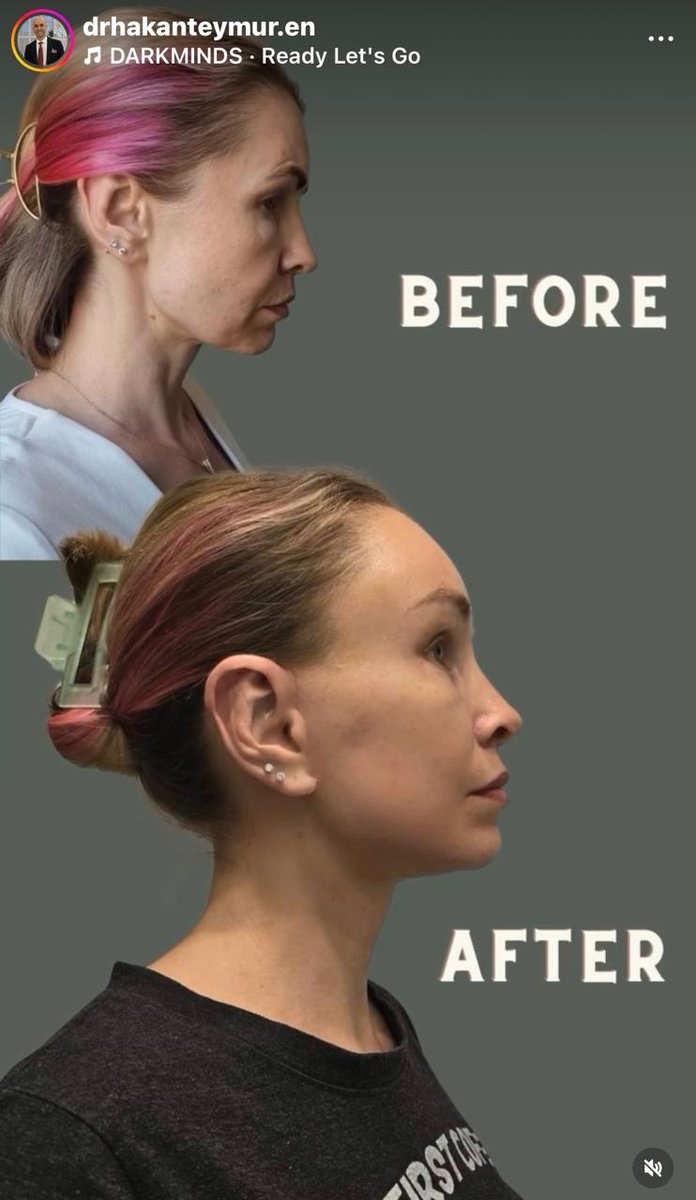
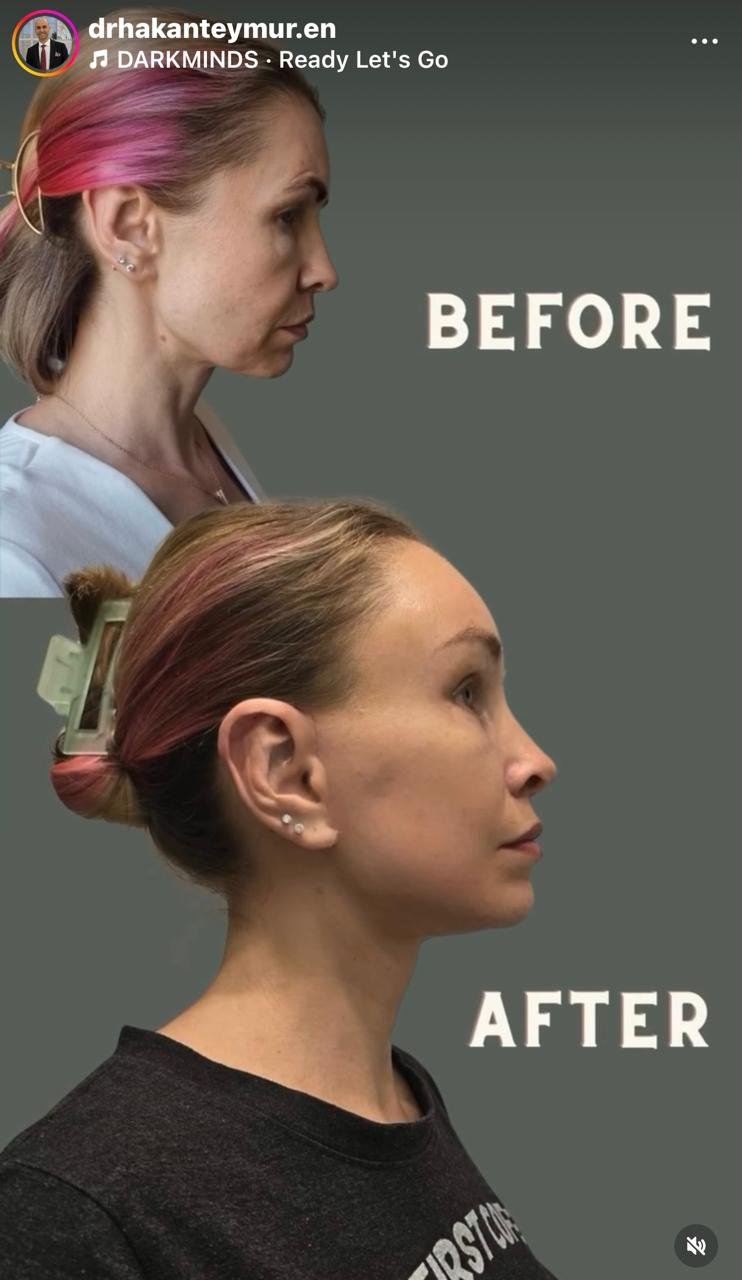
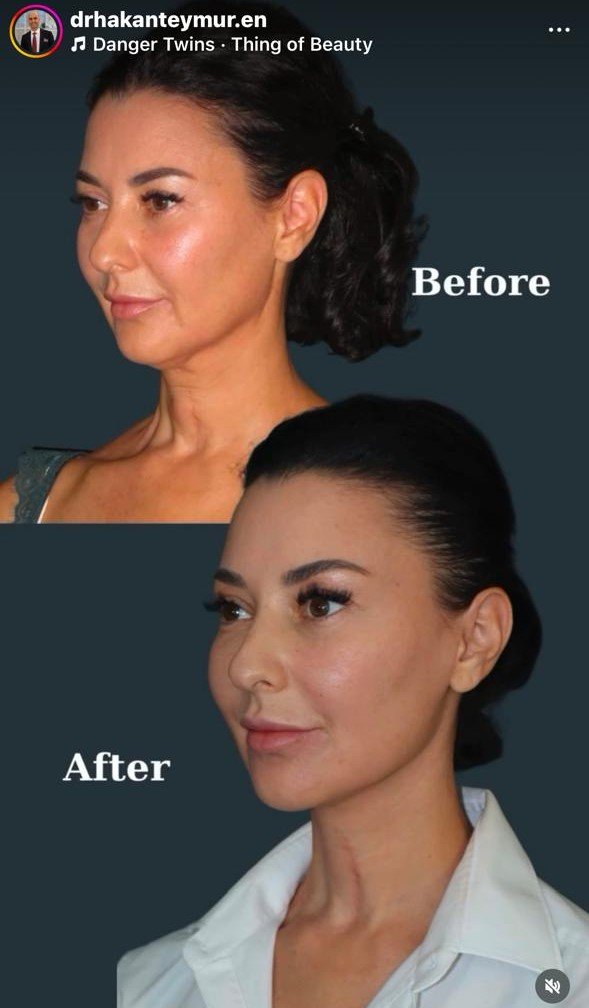
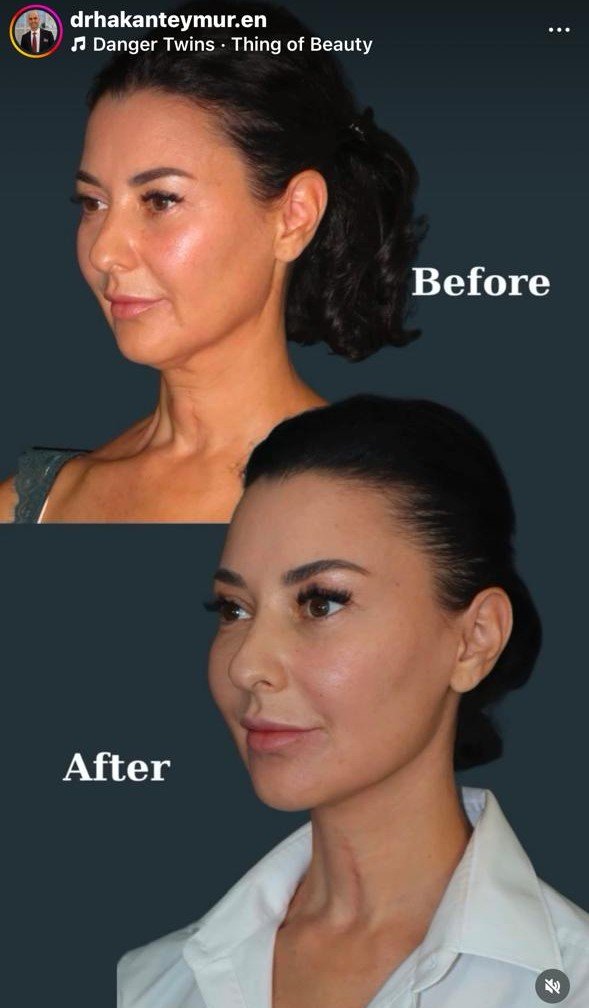
Before & after results
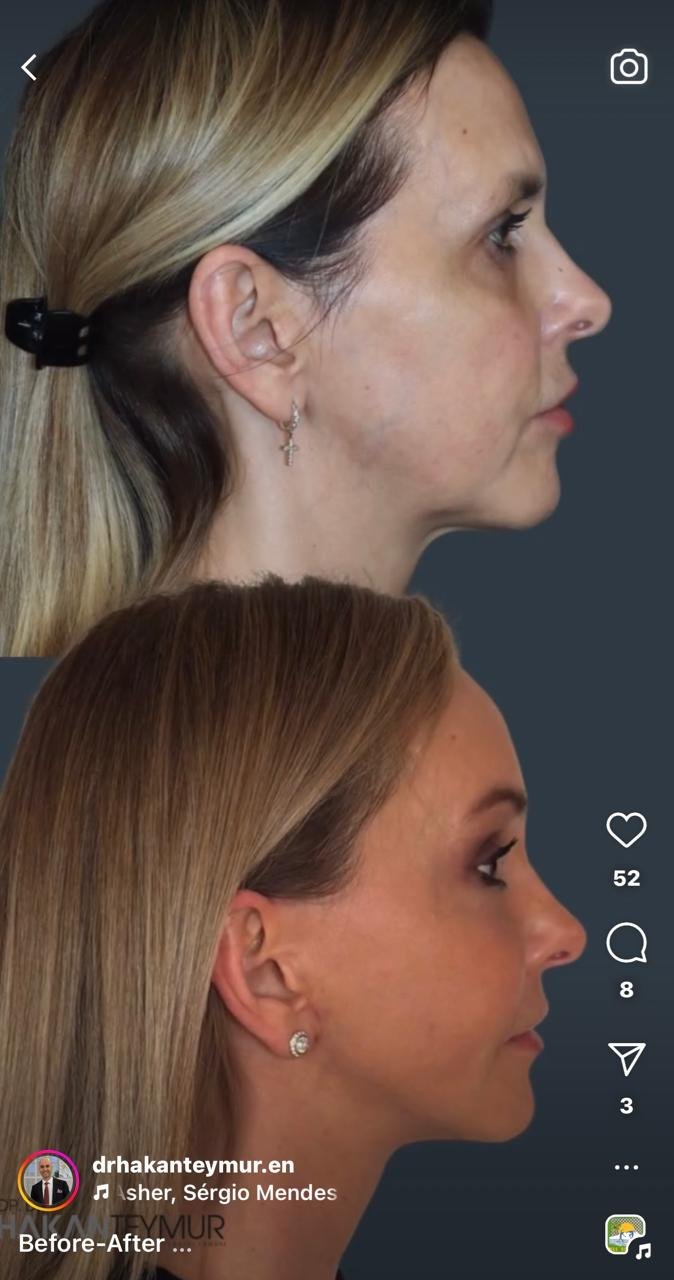
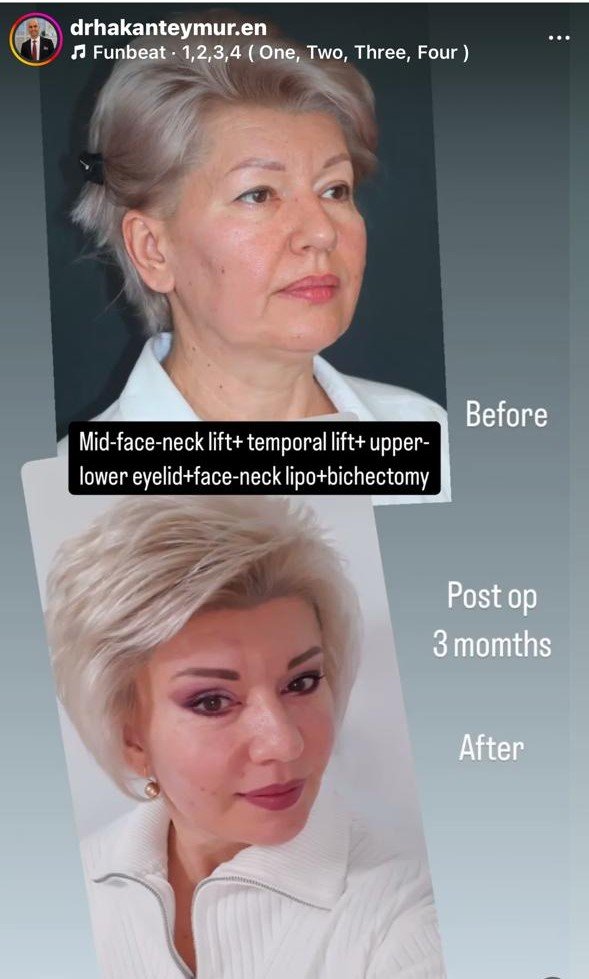
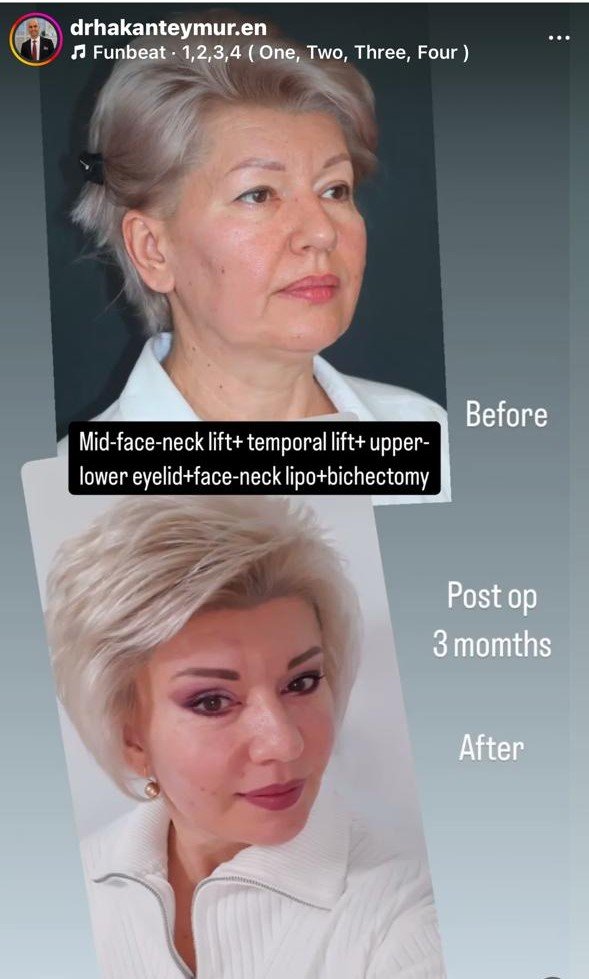
See all Eyelid Surgery (Blepharoplasty) results →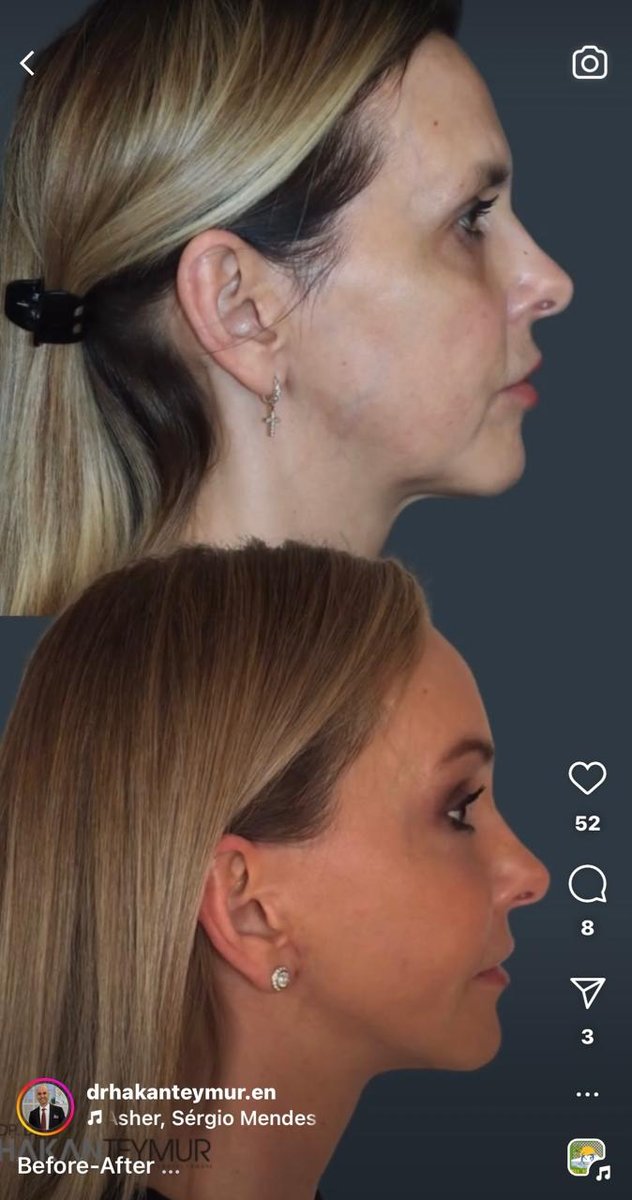


Clinics offering Eyelid Surgery (Blepharoplasty)

















Doctors performing Eyelid Surgery (Blepharoplasty)











































Related procedures
Related procedures
What research shows about eyelid surgery (blepharoplasty)
14 peer-reviewed sourcesBlepharoplasty, surgery to remove or reposition excess skin, muscle, and fat of the upper or lower eyelids, is supported by systematic reviews, meta-analyses, and prospective outcome studies addressing both functional and aesthetic goals. For upper eyelids, the evidence documents improvements in superior visual field and quality of life when redundant skin (dermatochalasis) obstructs vision, alongside high aesthetic satisfaction. For lower eyelids, reviews compare transconjunctival and transcutaneous approaches and characterize complication profiles, including the uncommon but important risk of lid malposition. Additional studies examine adjuncts such as tranexamic acid for reducing bleeding and swelling, and patient-reported quality-of-life outcomes. The references below span functional and aesthetic outcomes, surgical-technique comparisons, complication safety reviews, and validated quality-of-life data to support informed decision-making.
- Functional and Aesthetic Outcomes After Upper Blepharoplasty: A Systematic Review and Meta-Analysis
- Health-Related Quality-of-Life Outcomes for Upper Blepharoplasty and Blepharoptosis Surgery
- Safety and Complications in Lower Eyelid Blepharoplasty: A Systematic Review
- Long-Term Results with the Extended Transconjunctival Lower Eyelid Blepharoplasty
- Transconjunctival or Transcutaneous Approach for Fat-preserving Lower Lid Blepharoplasty
Compiled from peer-reviewed medical literature indexed on PubMed. This overview is for general education and is not medical advice. · Last updated 2026-06-15