Tummy Tuck (Abdominoplasty)
Surgical removal of excess abdominal skin and fat, tightening of the abdominal-wall muscles, and repositioning of the navel; recovery to full activity takes 6 weeks.
Overview
Hospital & stay
Procedure details
How it's performed
Under general anesthesia in 2-5 hours. For a full abdominoplasty, the surgeon makes a hip-to-hip incision low on the abdomen plus a circular incision around the umbilicus, lifts the skin/fat flap up to the costal margin, plicates (stitches together) the rectus-abdominis fascia in the midline to repair diastasis, excises the redundant skin and fat, repositions the navel through a new opening, places drains, and closes in layers. A mini-abdominoplasty uses only the lower transverse incision and does not move the navel.
Preparation
- 1Surgical consultation with photographs, evaluation of rectus diastasis and BMI assessment; surgery is generally deferred until weight is stable.
- 2Stop smoking at least 4 weeks before surgery (smokers have markedly higher wound-healing failure); stop blood-thinning medications and supplements 2 weeks before on physician advice.
- 3Pre-operative bloods, ECG and anesthesia clearance; many surgeons require pneumatic compression and prophylactic anticoagulation given thromboembolism risk.
- 4Arrange 2-4 hospital nights, a caregiver for the first 1-2 weeks, and accommodation near the clinic for 14 days.
- 5Purchase compression garments and a recliner or extra pillows for sleeping in a flexed position.
Recovery
- 1Day 0-3: Surgery and 2-4 hospital nights; drains in place; oral analgesics, antibiotics and thromboprophylaxis; walking encouraged in a stooped posture.
- 2Day 5-10: Drains removed once output is low enough; dressings changed.
- 3Day 10-14: Stitches removed; many international patients fly home wearing a compression garment.
- 4Week 3-4: Light office work resumed; driving generally permitted; gentle walking continued.
- 5Week 6: Most normal activities resumed; final surface contour visible; compression garment may be discontinued.
- 6Month 3-12: Scar matures and fades; abdominal sensation returns gradually.
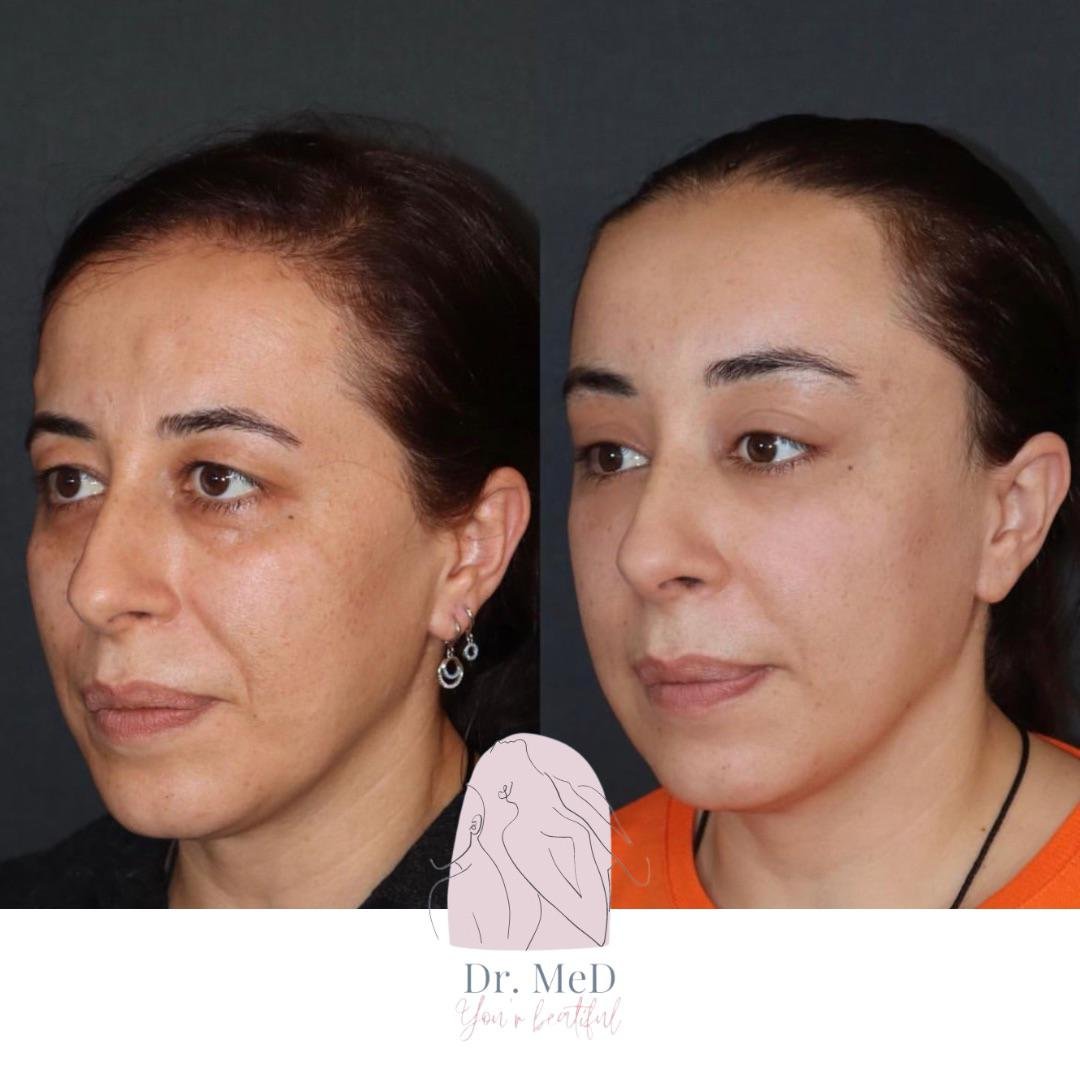
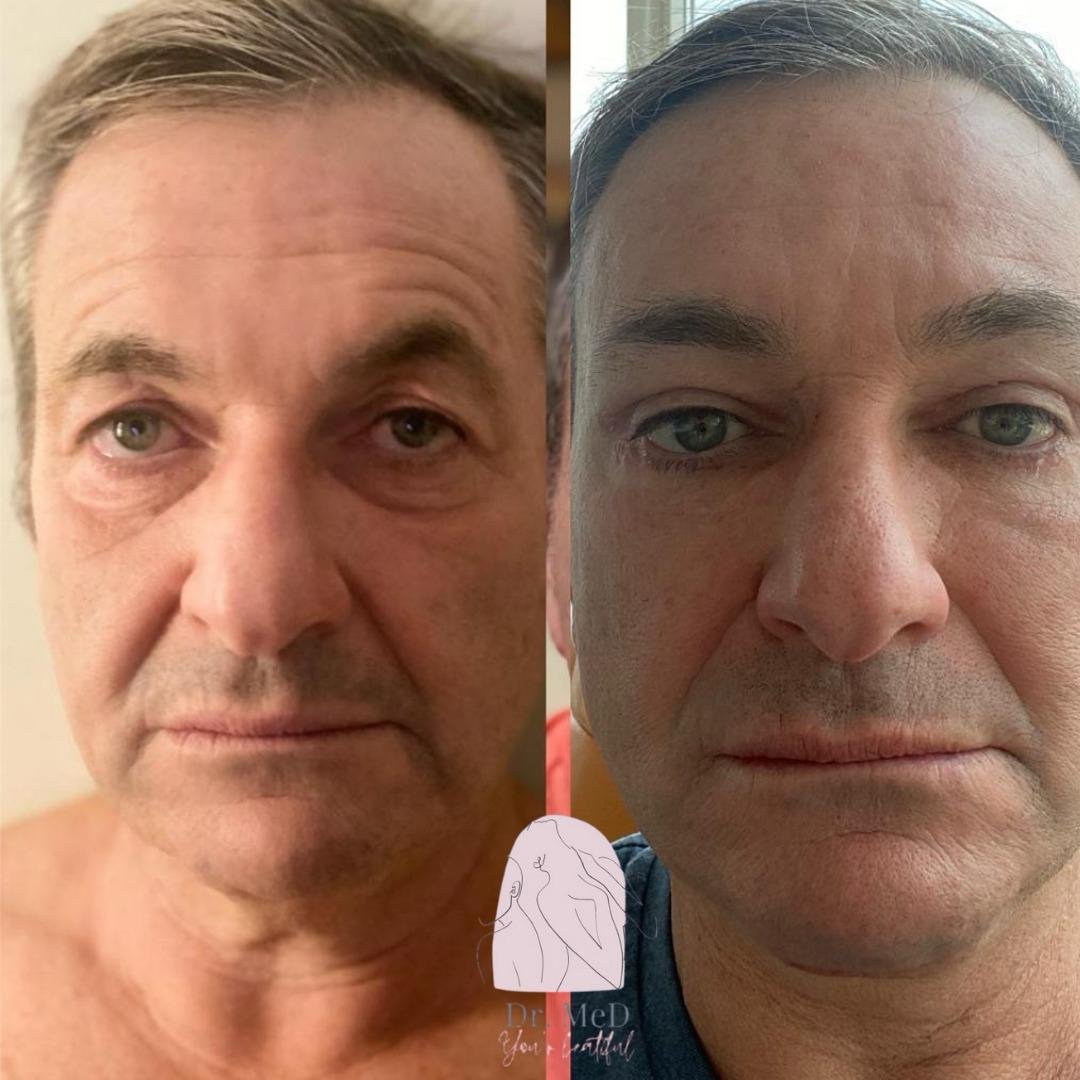
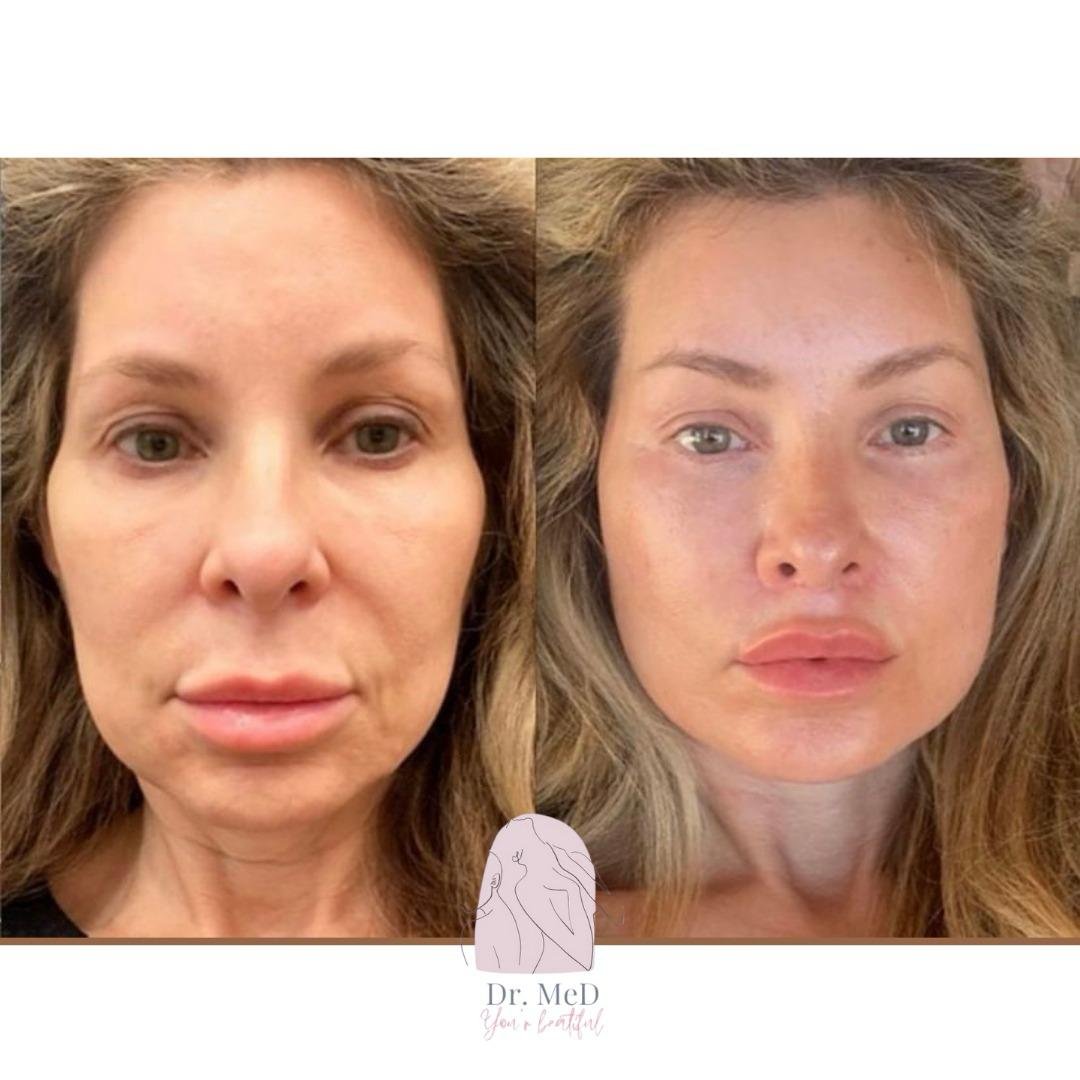
Before & after results
See all Tummy Tuck (Abdominoplasty) results →








Before you travel: what the CDC recommends
The U.S. Centers for Disease Control and Prevention publishes guidance for Americans traveling abroad for medical care. These are its recommendations, not ours.
- Check the qualifications of the clinician who will perform the procedure and the credentials of the facility.
- Bring copies of your medical records, including lab and other test results related to your condition.
- Make sure you can get follow-up care in the United States. Care for complications can be expensive and might not be covered by your health insurance.
- Obtain international travel health insurance that covers medical evacuation back to the United States.
- Plan for the possibility of paying out of pocket for additional or emergency care.
- See your own healthcare provider 4–6 weeks before the trip to discuss risks specific to your health.
- Delay air travel for 10–14 days after major surgery, particularly chest surgery, to reduce risks from changes in cabin pressure.
Best countries for Tummy Tuck (Abdominoplasty): prices vs the U.S.
Price ranges published by clinics listed on xcuro in each country (USD), next to the typical U.S. price. Final quotes vary by clinic and case.Tummy Tuck (Abdominoplasty) cost in the U.S. by state and city →
| Country | Price at listed clinics | Clinics | |
|---|---|---|---|
| Turkey | $3,027 - $12,547 | 6 | Full guide → |
| South Korea | $3,600 - $12,905 | 3 | Full guide → |
| Mexico | $4,500 - $9,000 | 2 | Full guide → |
| Thailand | $4,700 - $6,118 | 2 | Full guide → |
| Colombia | $4,940 - $7,100 | 2 | Full guide → |
| United States | $6,000 – $12,000 | Cherry, 2026 — surgeon, anesthesia and surgery center | |
Tummy Tuck (Abdominoplasty) by country: full guides
Read before you decide
Clinics offering Tummy Tuck (Abdominoplasty)


















Doctors performing Tummy Tuck (Abdominoplasty)
































Tummy Tuck (Abdominoplasty) abroad: frequently asked questions
How much does tummy tuck cost abroad?
At clinics listed on xcuro, prices for tummy tuck are: Turkey $3,027 to $12,547 (6 clinics); South Korea $3,600 to $12,905 (3 clinics); Mexico $4,500 to $9,000 (2 clinics); Thailand $4,700 to $6,118 (2 clinics); Colombia $4,940 to $7,100 (2 clinics). Final prices depend on your case and are confirmed in writing after a free consultation.
What is the best country for tummy tuck?
There is no single best country; it depends on the surgeon, the clinic and how far you are willing to travel. Among clinics listed on xcuro, prices start lowest in Turkey (from $3,027), which also has the most clinics (6). Compare surgeons' credentials and independent ratings before price.
How much does tummy tuck cost in the U.S.?
Typically $6,000 to $12,000, according to Cherry, 2026.
How long do I need to stay abroad for tummy tuck?
Plan on about 14 days, from arrival to the flight home. Your surgeon will confirm when it is safe to travel.
Will U.S. insurance pay for tummy tuck abroad?
Most U.S. health plans do not pay for elective surgery abroad, and cosmetic procedures are not covered at all. The CDC also warns that care for complications after surgery abroad may not be covered, so check your plan before you book.
Related procedures
Related procedures
What the research says about tummy tuck (abdominoplasty)
14 peer-reviewed sourcesAbdominoplasty, commonly called a tummy tuck, removes excess abdominal skin and fat and can repair separated abdominal muscles (rectus diastasis), often after pregnancy or significant weight loss. Systematic reviews and meta-analyses report high patient satisfaction and improvements in abdominal contour, with much of the research focused on reducing complications such as seroma through techniques like progressive tension sutures, drains, and tissue-sealing devices. The literature also addresses safety considerations, including venous thromboembolism prevention and the added risk when abdominoplasty is combined with other procedures or performed in patients with comorbidities. Compression garments, pain-management strategies, and revision indications are likewise examined in peer-reviewed studies. The references below are intended for general information and are not a substitute for a personalized surgical consultation.
- A Systematic Review and Meta-Analysis Evaluating the Surgical Outcomes of Progressive Tension Suturing Compared to Drains in Abdominoplasty Surgery.
- Decreasing Seroma Incidence Following Abdominoplasty: A Systematic Review and Meta-Analysis of High-Quality Evidence.
- Comparative Efficacy of Seroma Prevention Strategies in Abdominoplasty with Liposuction: A Systematic Review and Bayesian Model-based Network Meta-Analysis.
- Ligasure Impact™ to Reduce Complications After Abdominoplasty: A Meta-Analysis of Comparative Studies.
- A systematic review and meta-analysis of subcutaneous onlay laparoscopic (SCOLA) approach for diastasis recti with or without mesh reinforcement.
Compiled from peer-reviewed medical literature indexed on PubMed. This overview is for general education and is not medical advice. · Last updated 2026-06-15