Facelift
Surgical rhytidectomy lifts and redistributes facial skin and underlying tissue through incisions hidden at the temples and around the ears; full effect visible at 6-9 months.
Overview
Hospital & stay
Procedure details
How it's performed
Performed under general anesthesia in 2-3 hours. Incisions are placed above the hairline at the temple and extend down in front of and behind the ear, allowing the surgeon to lift the skin flap, tighten the underlying SMAS layer, remove excess skin, and re-drape the remaining skin upward and backward before closing with sutures. Most patients stay one night in hospital.
Preparation
- 1Consultation with a board-certified plastic surgeon to confirm candidacy, review medical history, photograph the face, and agree on the surgical plan.
- 2Stop smoking at least 4 weeks before surgery; smoking sharply increases the risk of skin-flap necrosis.
- 3Stop aspirin, NSAIDs, fish-oil supplements and herbal blood thinners (ginkgo, ginseng, vitamin E) 2 weeks before surgery, on physician guidance.
- 4Pre-operative blood tests, ECG and a medical clearance; arrange a caregiver and accommodation near the clinic for the first 7-14 days.
- 5Wash hair the morning of surgery, fast 6-8 hours before general anesthesia, and bring loose button-front clothing.
Recovery
- 1Day 0-1: Surgery and overnight hospital stay; head elevated; cold compresses; oral analgesics and antibiotics.
- 2Day 2-4: First wound check and dressing change; bruising and swelling peak.
- 3Day 7-14: Sutures removed in stages; most patients can fly home; concealer and scarves help cover residual bruising.
- 4Week 3-4: Return to office work and light social activity; avoid strenuous exercise and saunas.
- 5Week 6: Strenuous exercise generally permitted; scars are pink but well closed.
- 6Month 6-9: Final aesthetic result visible as residual swelling resolves and scars fade.
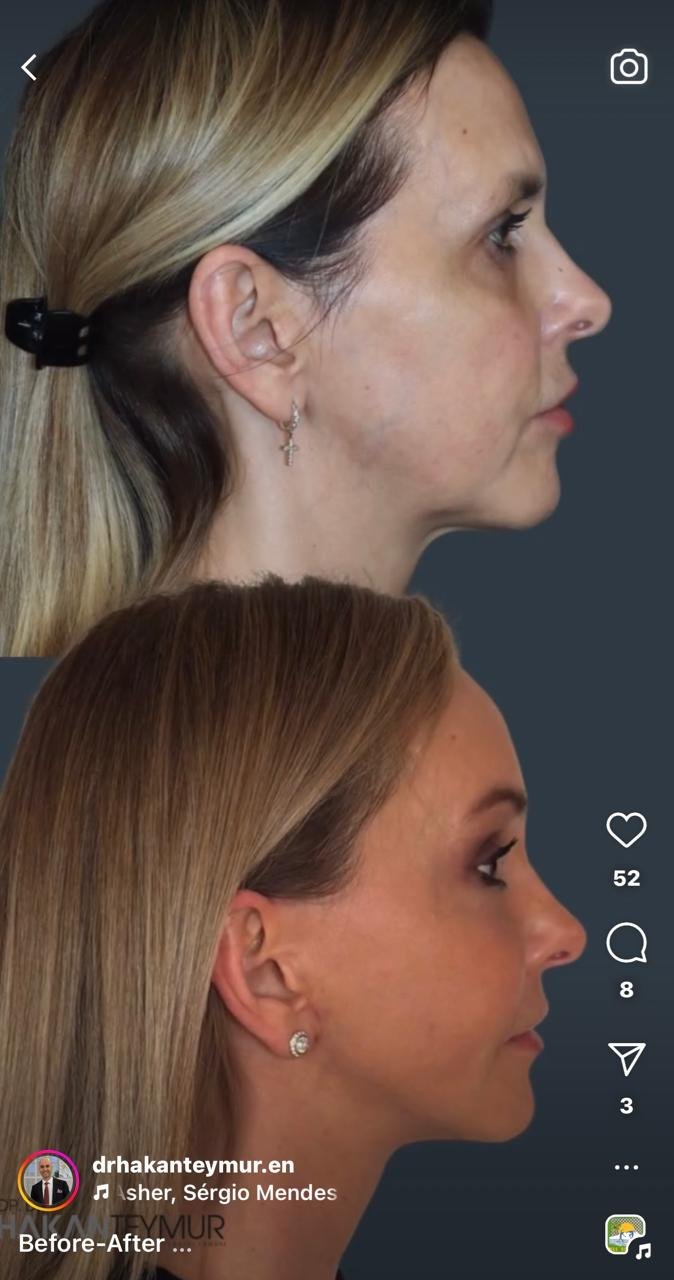
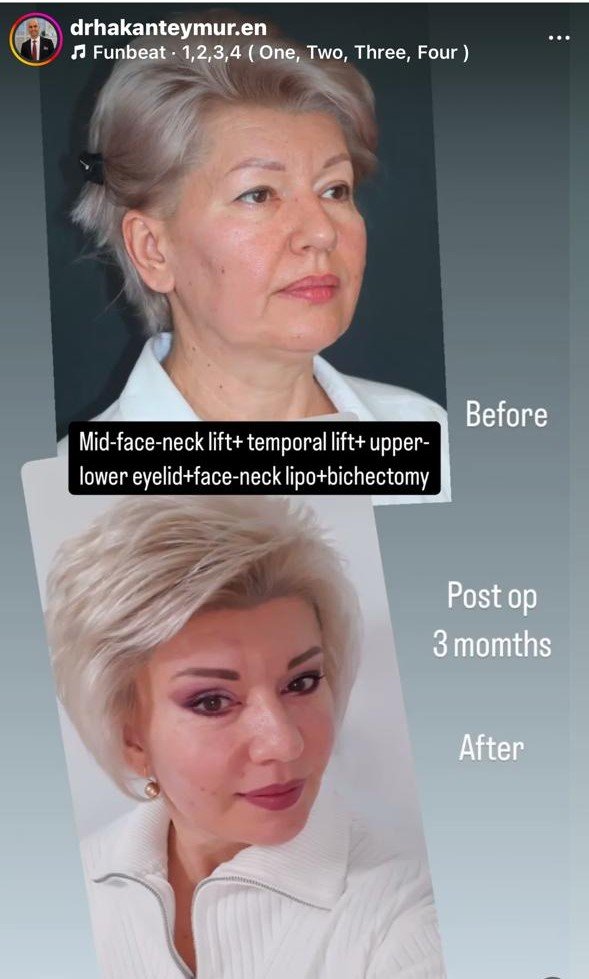
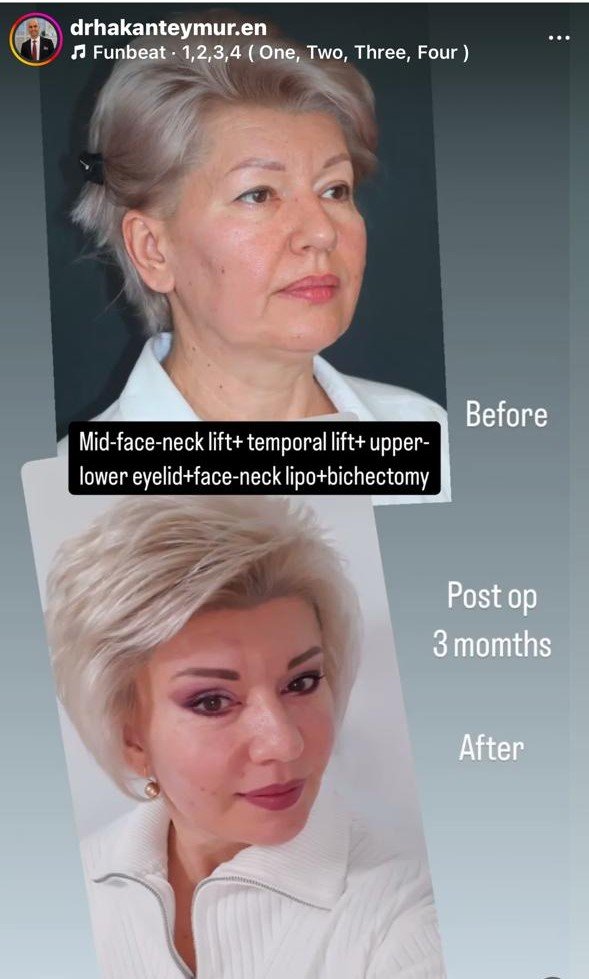
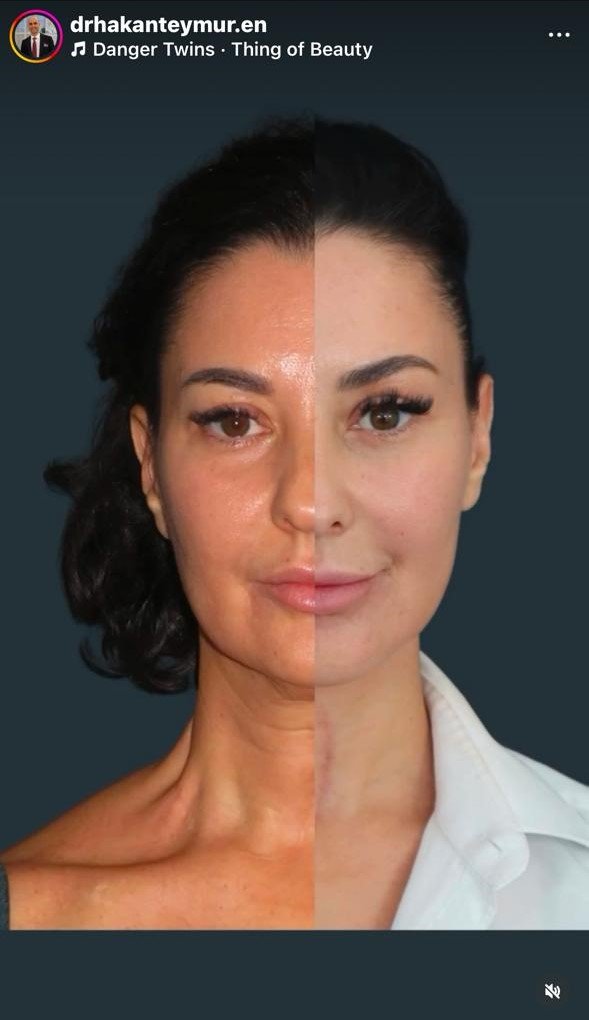
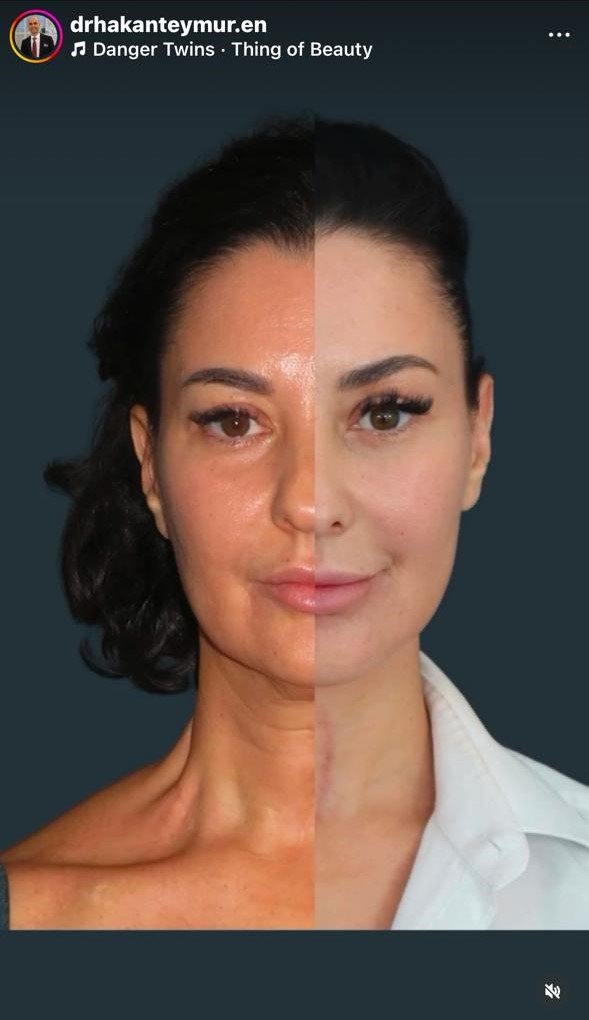
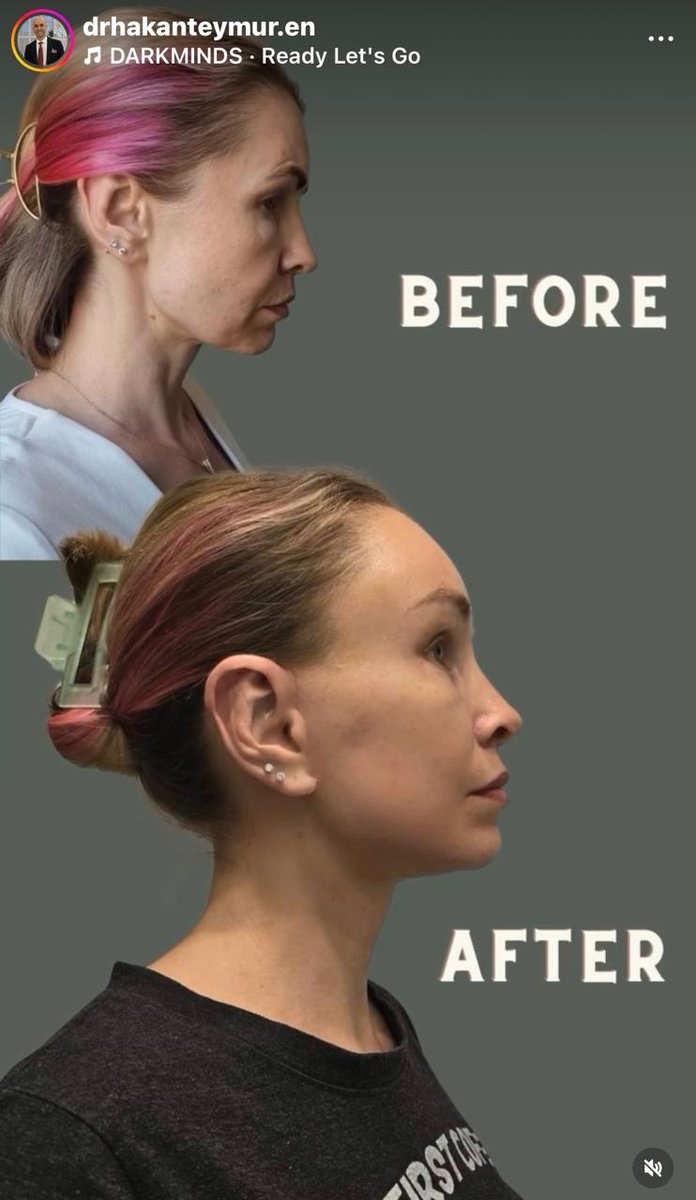
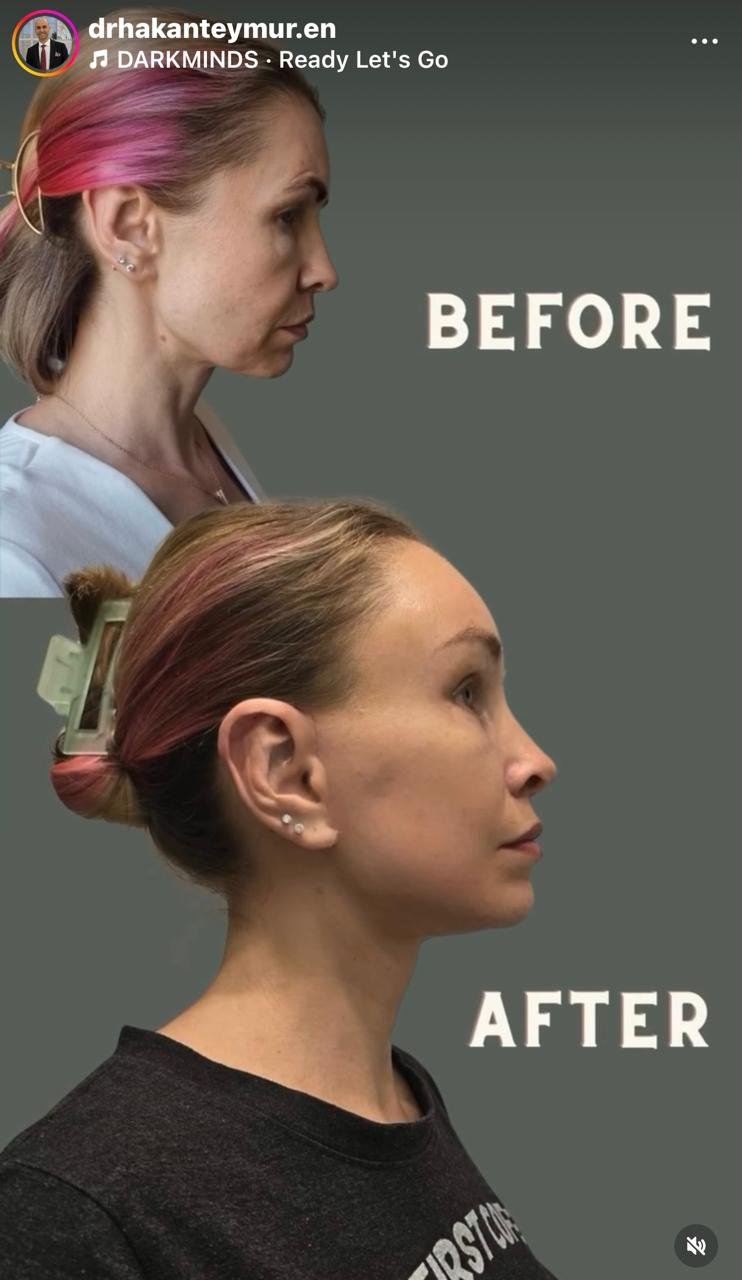
Before & after results
See all Facelift results →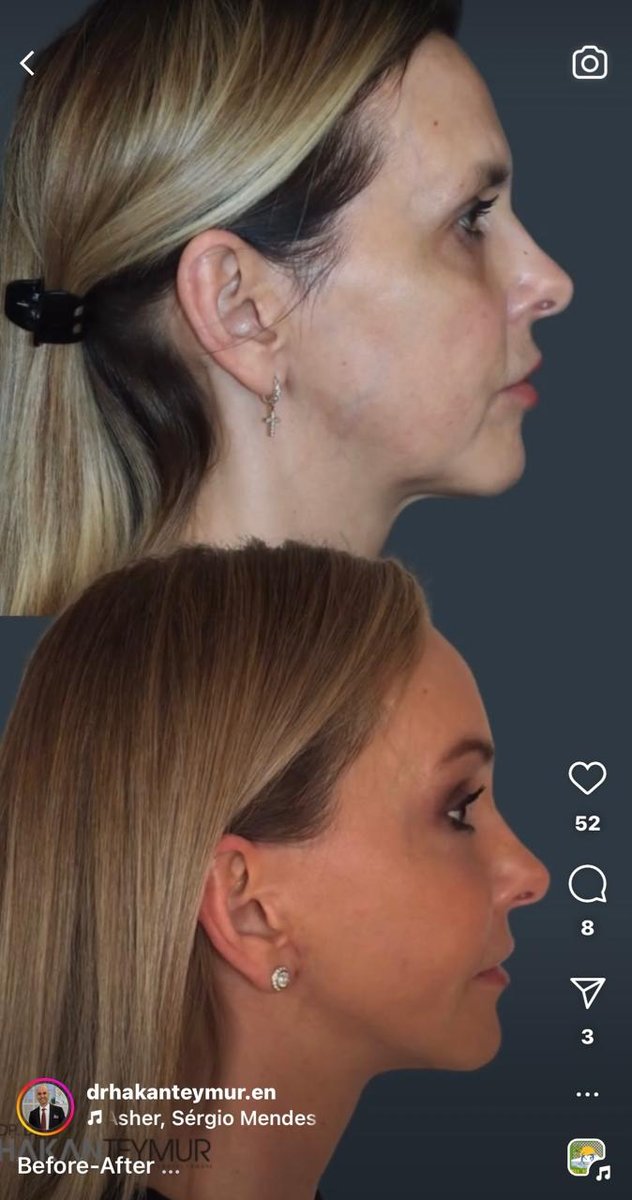


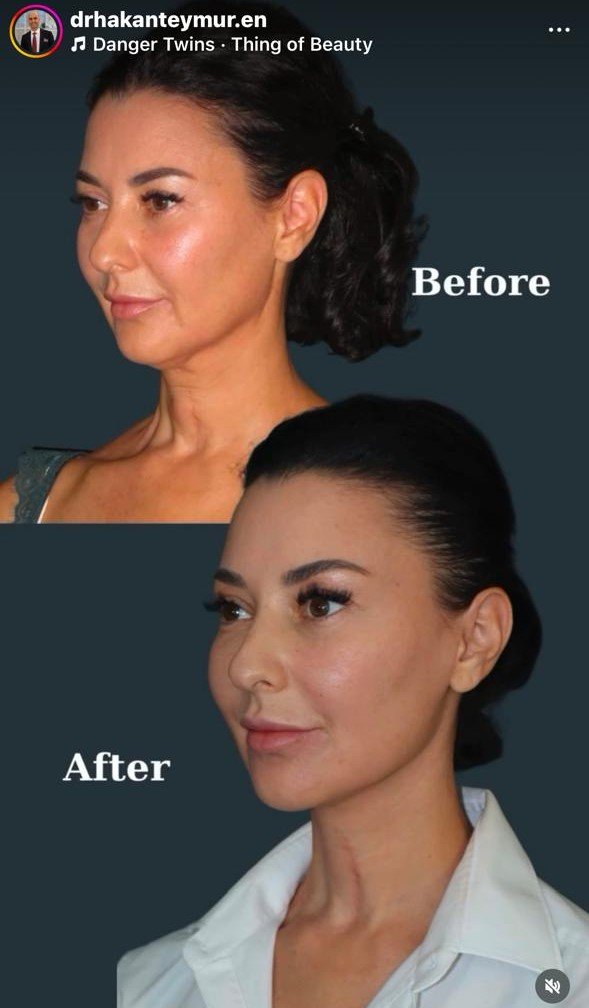
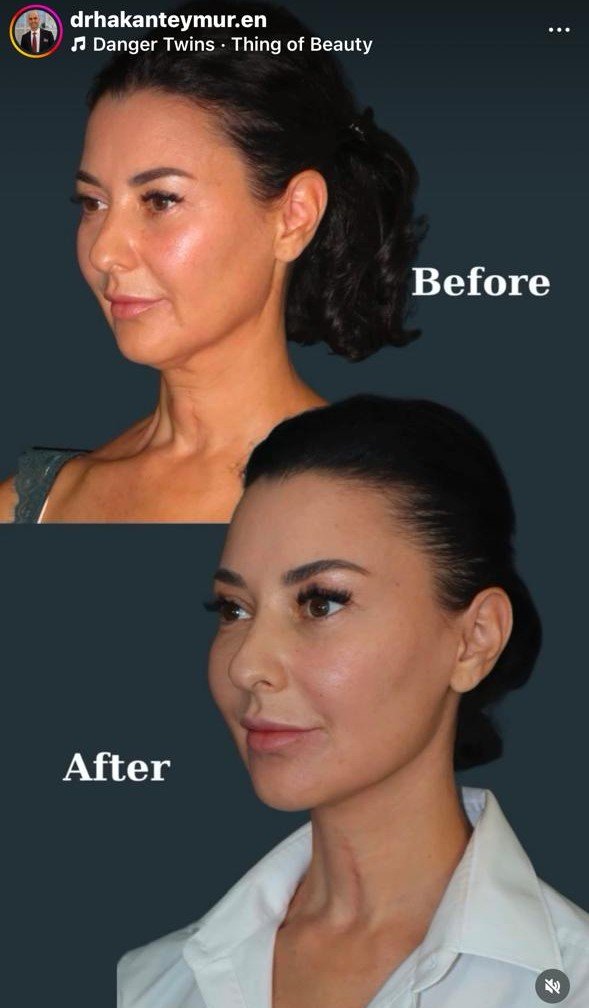
Clinics offering Facelift








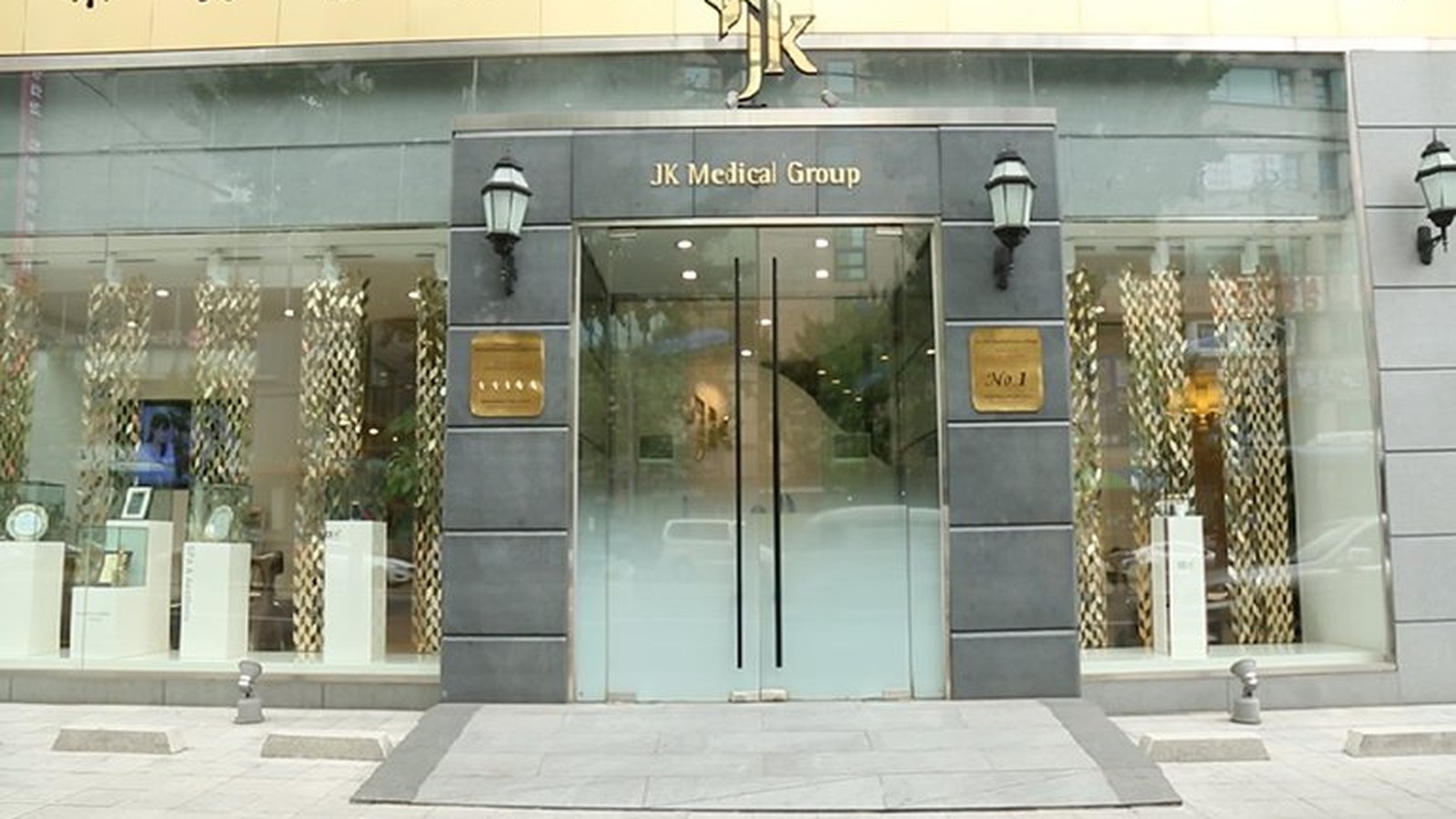








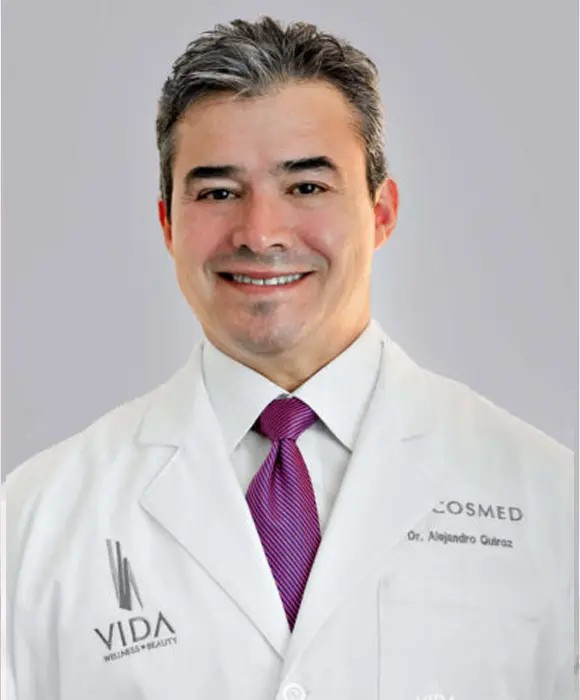
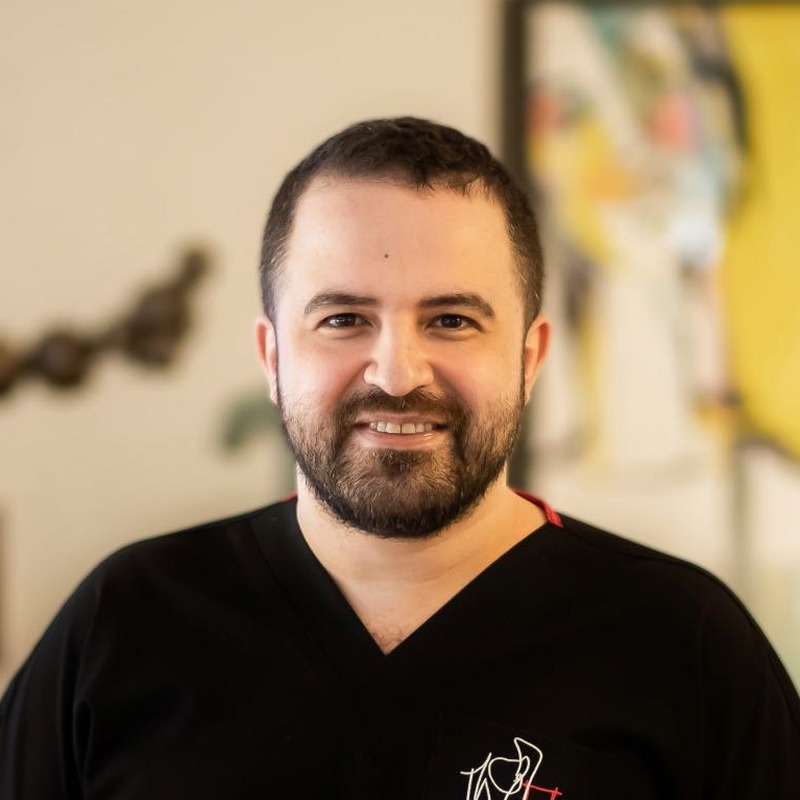
Doctors performing Facelift











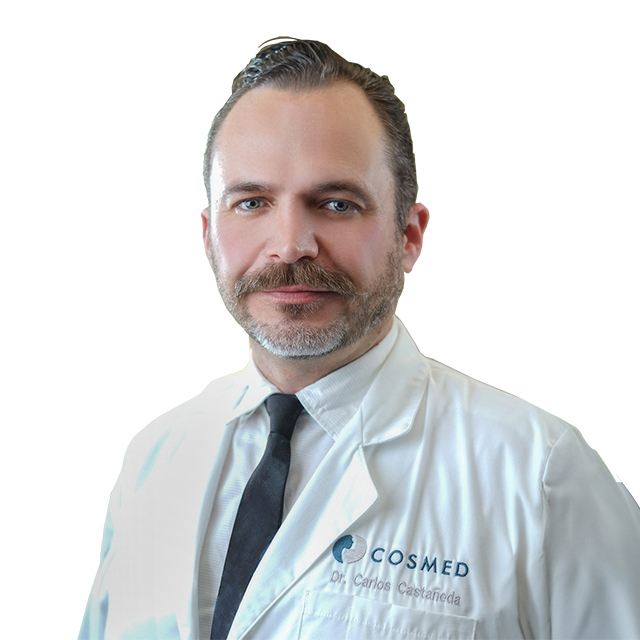




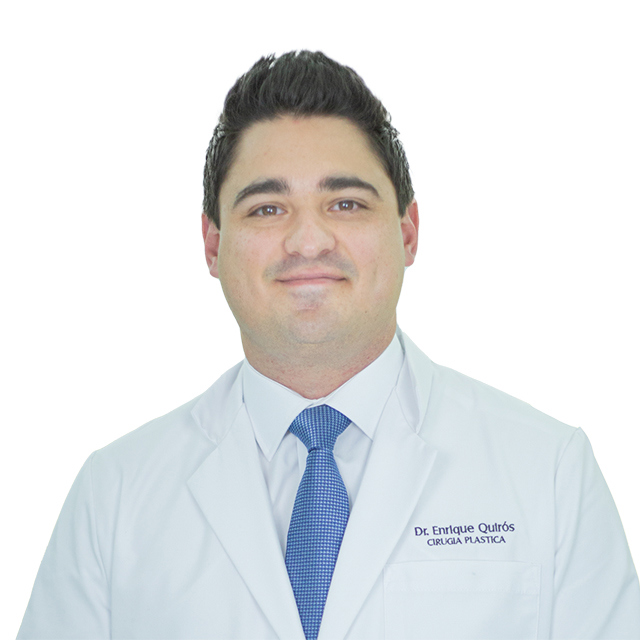
























Related procedures
Related procedures
What the Research Says About Facelift (Rhytidectomy) Surgery
15 peer-reviewed sourcesFacelift surgery, or rhytidectomy, addresses age-related laxity of the face and neck through techniques that range from superficial musculoaponeurotic system (SMAS) manipulation to deep-plane dissection. The studies summarized below include systematic reviews, meta-analyses, and randomized controlled trials comparing these techniques and examining strategies to reduce complications such as hematoma and facial nerve injury. Current evidence suggests that deep-plane and SMAS approaches can both deliver durable rejuvenation, with ongoing research into adjuncts like tranexamic acid and hemostatic nets aimed at improving safety. Hematoma remains the most common significant complication, which is why much of the literature focuses on bleeding prevention. This material is intended for general education and should be discussed with a board-certified plastic or facial plastic surgeon in the context of your individual anatomy and goals.
- The Deep Plane versus SMAS Facelift: A Systematic Review and Meta-Analysis.
- Comparing the Safety and Efficacy of Superficial Musculoaponeurotic System and Deep Plane Facelift Techniques: A Systematic Review and Meta-analysis.
- Comparison of Deep SMAS Lift and MACS in Facelift: A Meta-Analysis.
- Impact of Tranexamic Acid on Bleeding Outcomes and Complication Rates in Facelift: A Systematic Review and Meta-analysis.
- Tranexamic Acid Application in Facial Aesthetic Surgery: An Umbrella Review.
Compiled from peer-reviewed medical literature indexed on PubMed. This overview is for general education and is not medical advice. · Last updated 2026-06-15