Face Contouring
Facial bone contouring (mandibular angle reduction, zygoma reduction and genioplasty) reshapes the jaw, cheekbones and chin into a slimmer 'V-line'; recovery to fly home is 2-3 weeks.
Overview
Hospital & stay
Procedure details
How it's performed
Under general anesthesia in 3-5 hours through intra-oral incisions (no external scars). Mandibular angle reduction uses a curved oscillating saw via an intra-oral vestibular incision to trim the lateral and lower mandibular border. Zygoma reduction uses anterior intra-oral plus small preauricular incisions for malar-body and zygomatic-arch osteotomies, with medial repositioning and plate/screw fixation. Genioplasty osteotomizes and slides the chin segment via a lower-lip intra-oral incision. 3D CT planning and nerve mapping guide the cuts.
Preparation
- 1Comprehensive consultation including 3D facial CT scan and panoramic dental X-ray; surgical plan is generated digitally.
- 2Dental and TMJ evaluation; existing dental issues should be resolved first.
- 3Stop smoking at least 4 weeks before surgery; stop blood-thinning medications and supplements 2 weeks before on physician advice.
- 4Pre-operative bloods, ECG and anesthesia clearance.
- 5Arrange a 2-3 week stay near the clinic, a caregiver, soft/liquid food supplies, mouth-rinse kit and head-cooling pads.
Recovery
- 1Day 0-3: Surgery and 2-5 hospital nights; severe facial swelling; ice packs; intravenous antibiotics, analgesia and anti-inflammatories; soft liquid diet via syringe or straw.
- 2Day 4-7: Swelling peaks then begins to subside; jaw movement gradually permitted; oral hygiene with antiseptic rinses.
- 3Day 10-14: Intra-oral stitches removed; soft diet continues; many patients begin gentle masseter massage.
- 4Week 3: Most patients fly home; chewing of soft foods resumes.
- 5Week 6-8: Solid diet resumed; bony healing well underway.
- 6Month 3-6: Swelling fully resolves and final facial shape visible.
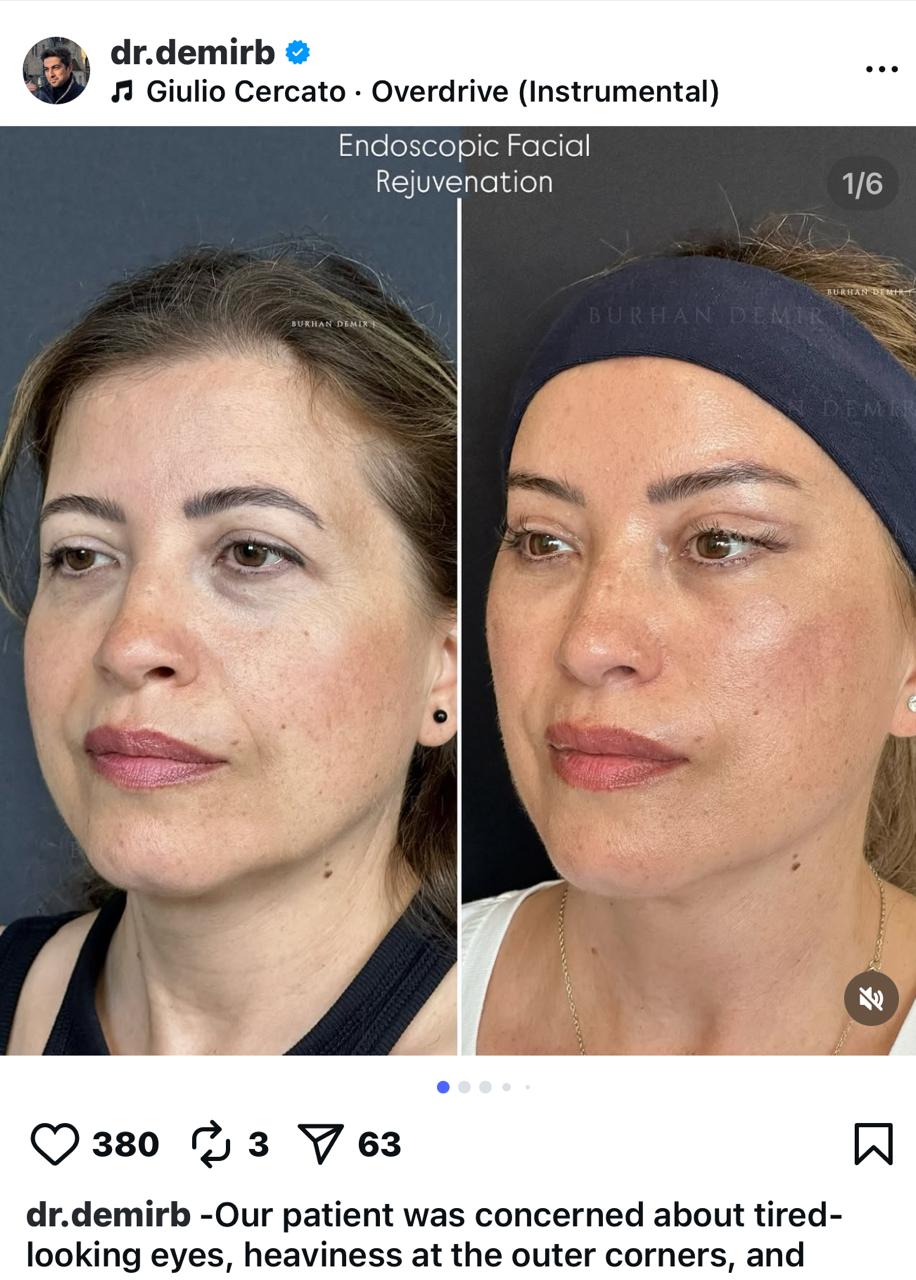
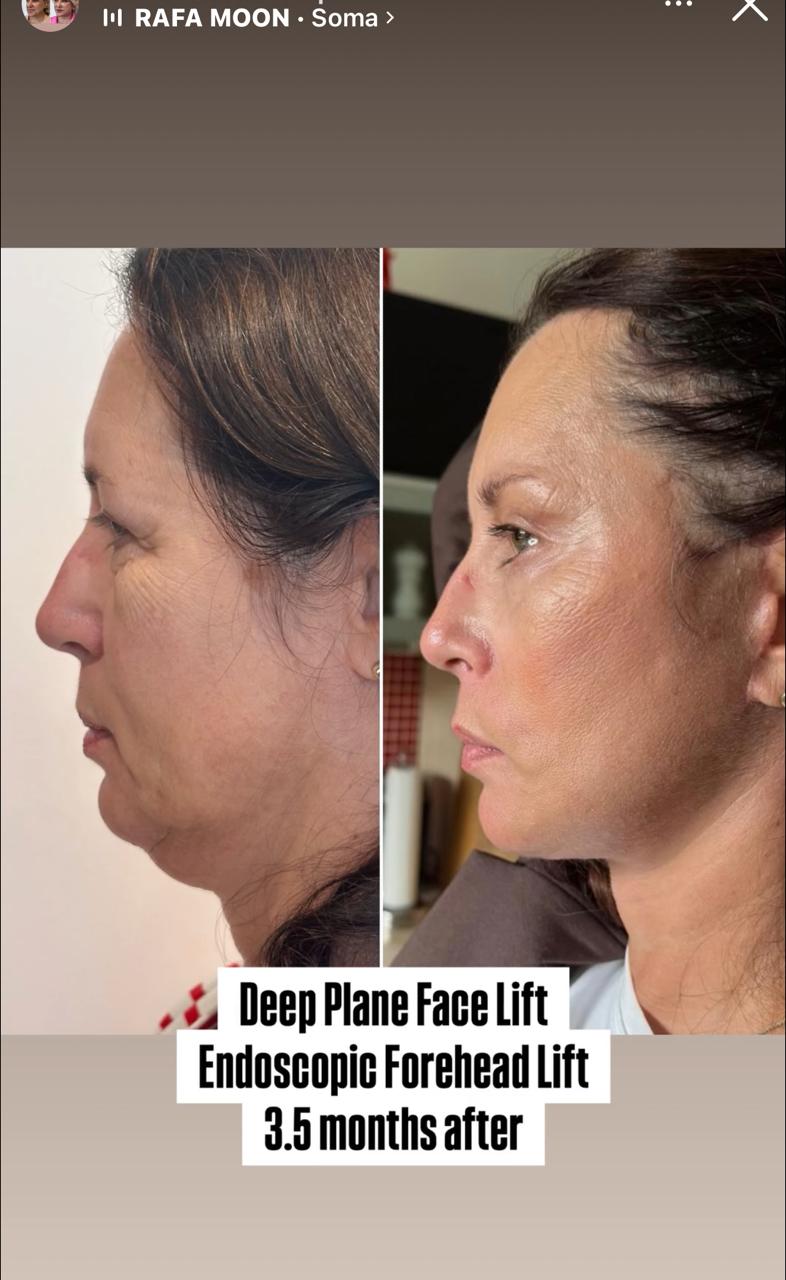
Before & after results
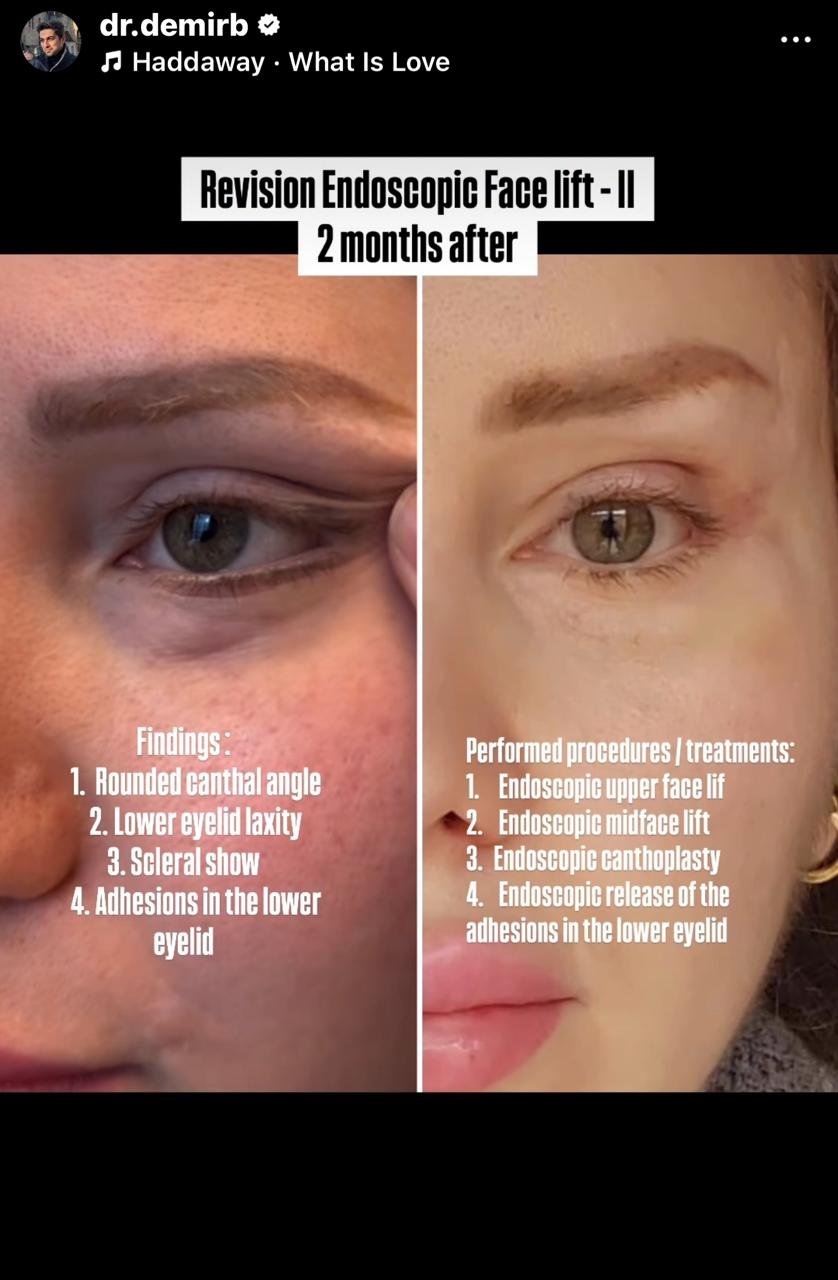
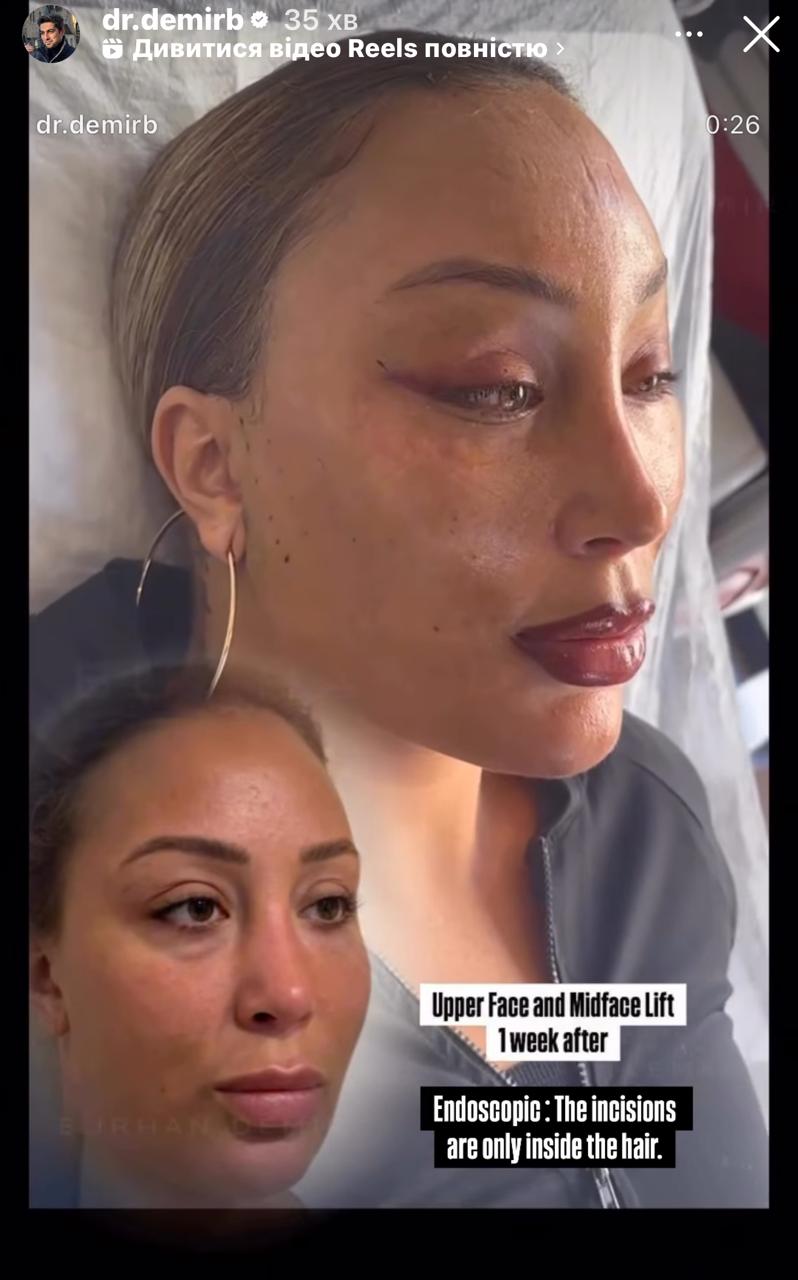
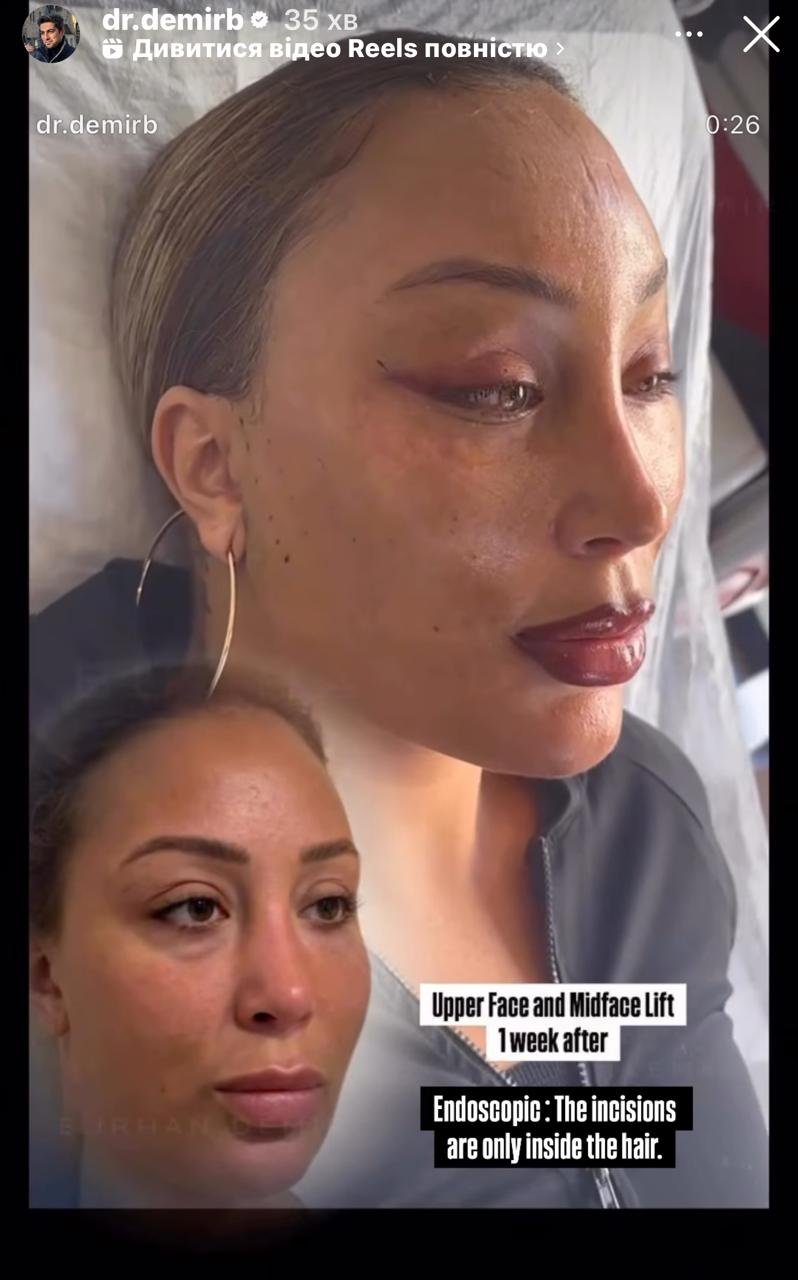
See all Face Contouring results →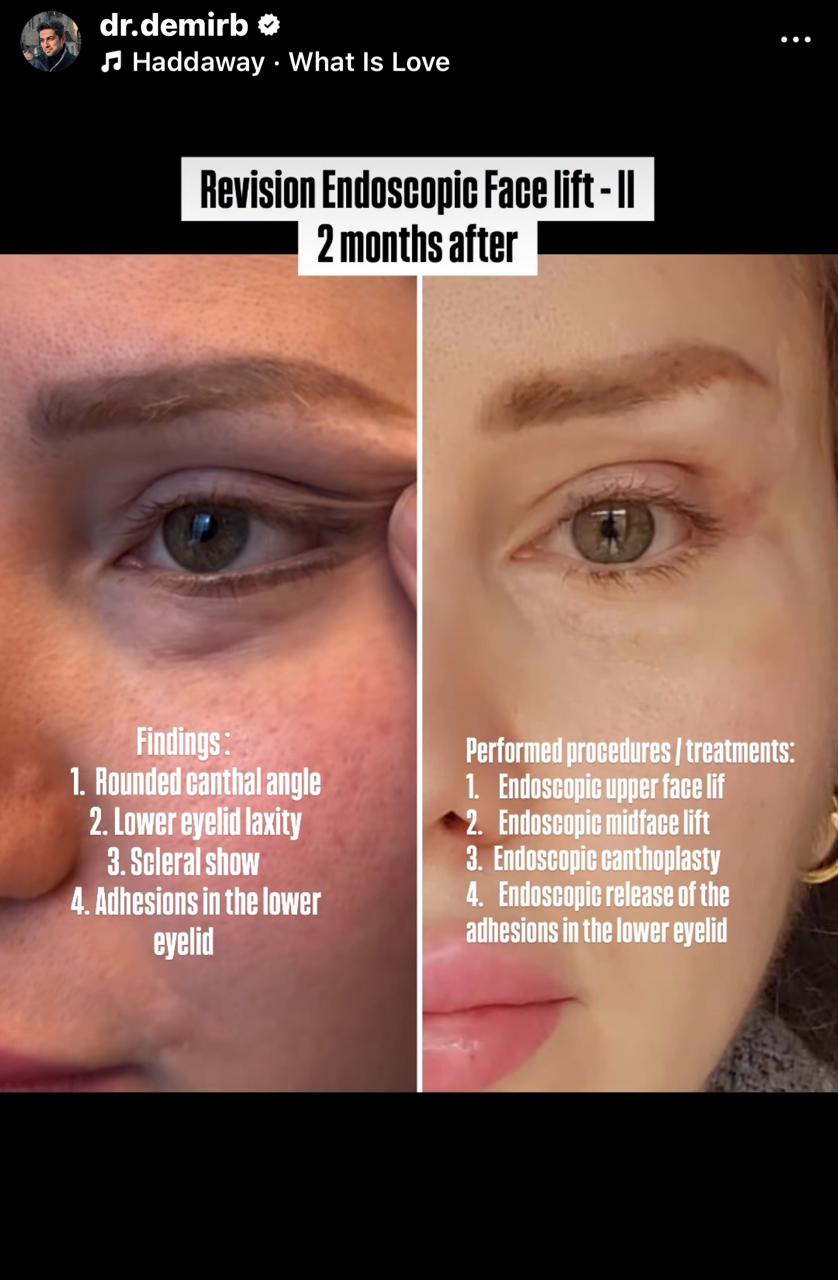
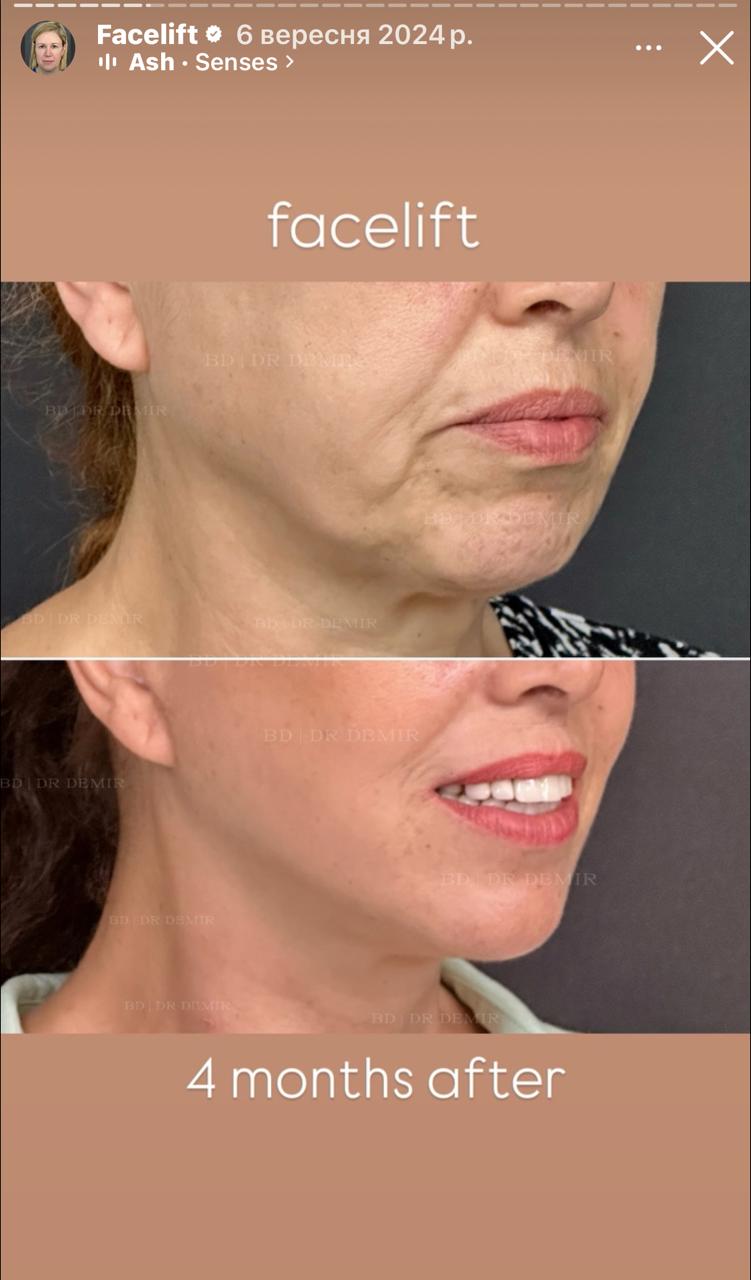
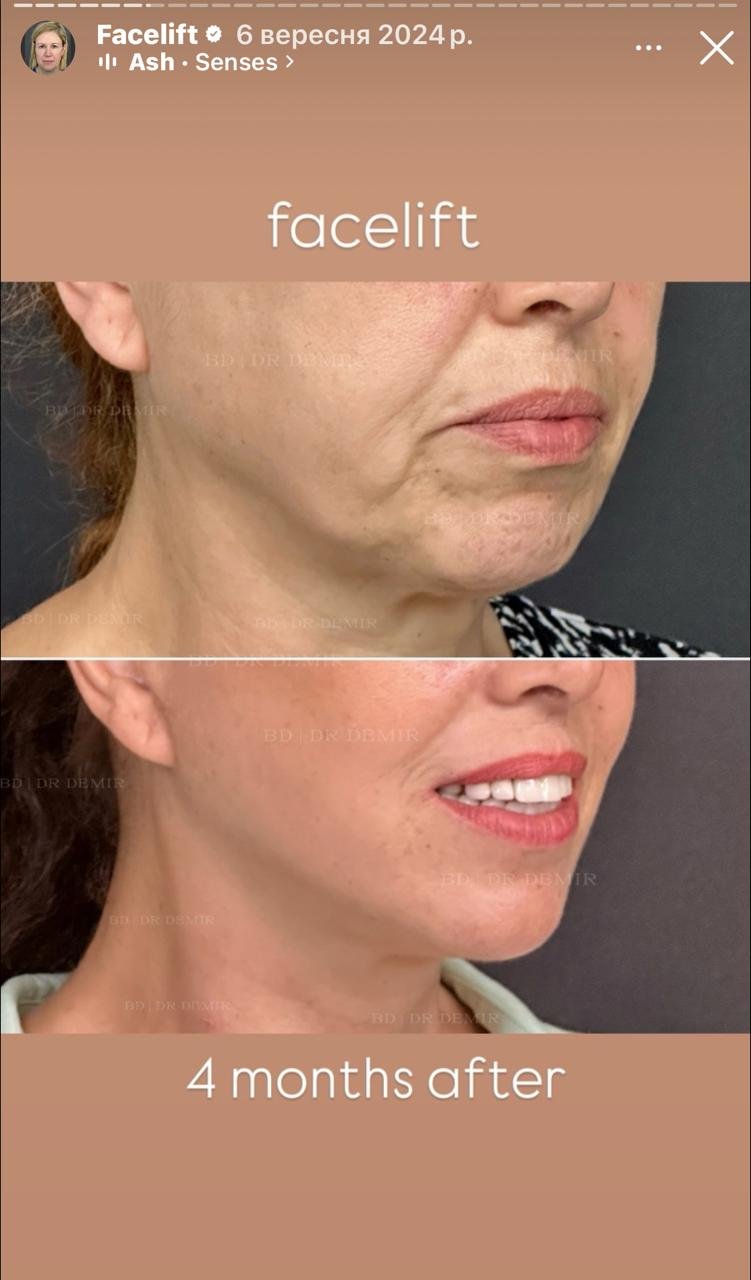
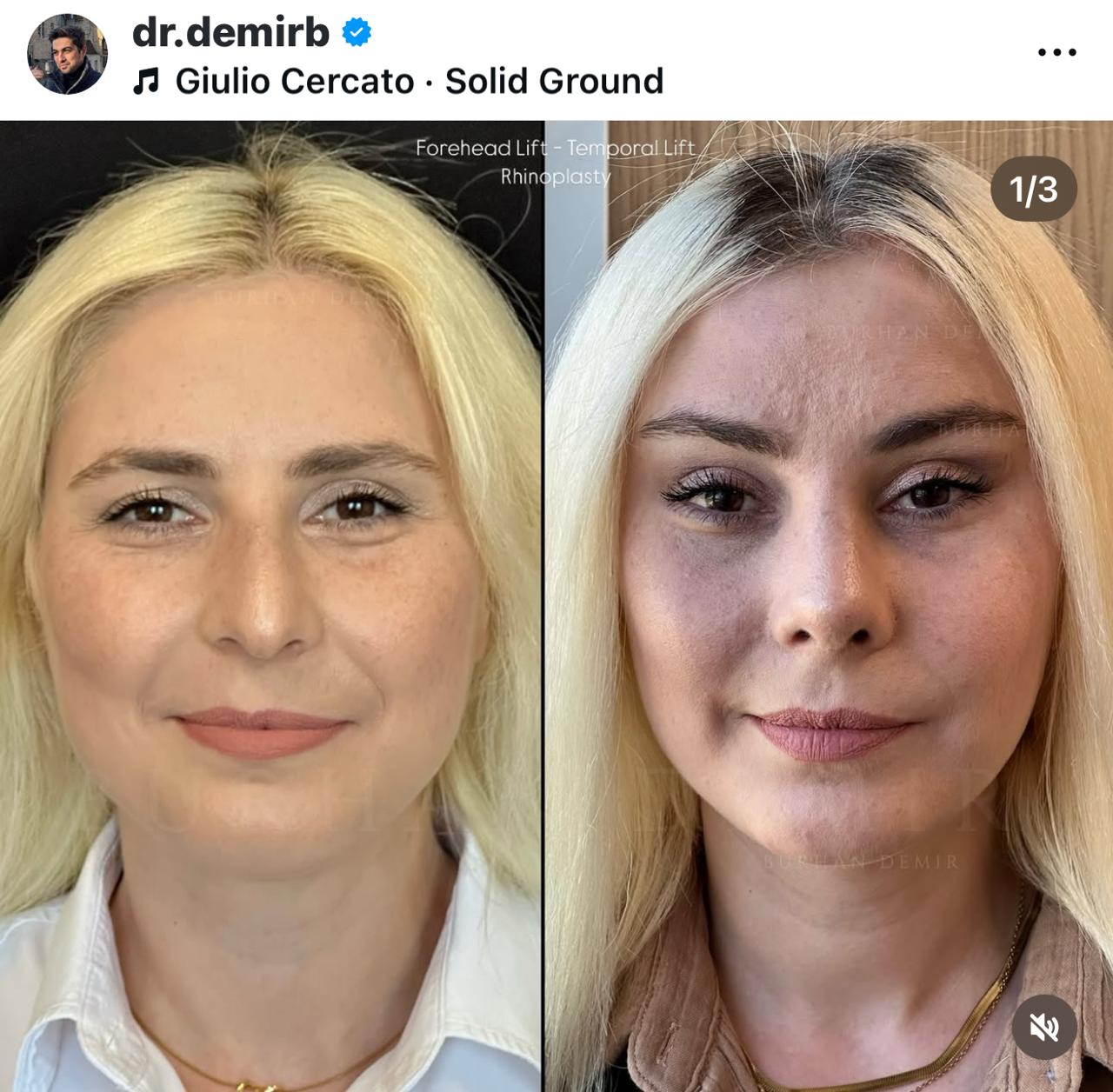
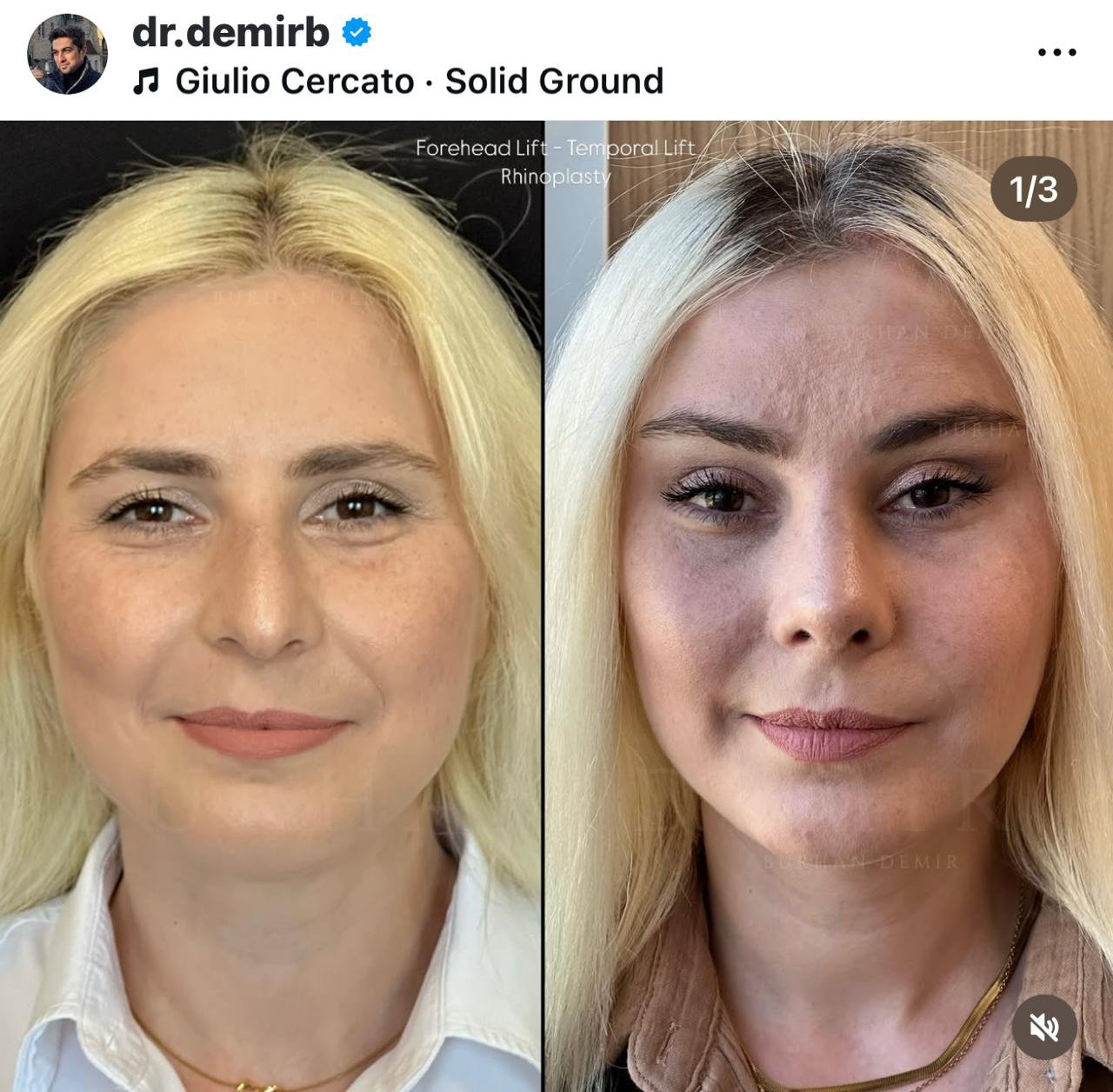
Face Contouring cost by country
Typical price range per destination (USD). Final quote varies by clinic & individual case.
Clinics offering Face Contouring






Doctors performing Face Contouring












































Related procedures
Related procedures
What the Research Says About Facial Contouring Surgery
14 peer-reviewed sourcesFacial contouring encompasses a range of skeletal and soft-tissue procedures, including reduction malarplasty, mandibular angle osteotomy, genioplasty, and buccal fat reduction, used to reshape the proportions of the face. The peer-reviewed literature below comprises systematic reviews, meta-analyses, randomized trials, and large retrospective series that examine aesthetic outcomes, complication rates, and patient satisfaction across these techniques. Evidence indicates that contemporary approaches can achieve durable changes with generally low complication rates when performed by experienced surgeons, though risks such as asymmetry, nerve disturbance, and bleeding remain documented. Studies comparing osseous genioplasty with implant-based augmentation, and intraoral versus other approaches, help clarify the trade-offs between techniques. These references are provided for general education and do not replace an individualized consultation with a qualified maxillofacial or plastic surgeon.
- A Systematic Review and Meta-Analysis of Complications among Various Reduction Malarplasty.
- Postoperative Complications Associated With Reduction Malarplasty via Intraoral Approach: A Meta Analysis.
- Reducing Prominent Mandibular Angle Osteotomy Complications: 10-Year Retrospective Review.
- Surgical vs Non-surgical Chin Augmentation: A Systematic Review of Techniques, Satisfaction, and Complications.
- Implant-Based Chin Augmentation Vs Osseous Genioplasty: A Systematic Review of Indications and Outcomes.
Compiled from peer-reviewed medical literature indexed on PubMed. This overview is for general education and is not medical advice. · Last updated 2026-06-15