Buttock Augmentation (BBL)
A cosmetic operation that liposuctions fat from the abdomen, flanks or thighs and re-injects it into the buttocks to reshape and enlarge them.
Overview
Hospital & stay
Procedure details
How it's performed
Under general anaesthesia, the surgeon infiltrates tumescent fluid into the donor sites and harvests fat with liposuction cannulas. The aspirate is decanted or centrifuged to separate viable adipocytes from fluid and debris. Using blunt cannulas placed through small access incisions on the buttocks, the surgeon injects small aliquots of fat exclusively into the subcutaneous plane in multiple passes and at multiple depths to maximise graft survival. Ultrasound guidance is increasingly used to keep cannulas above the gluteal muscle. Incisions are closed and a compression garment is applied.
Preparation
- 1Detailed consultation, photography and assessment of donor-site fat volume and skin elasticity.
- 2Pre-operative bloods, ECG and anaesthetic review; screen for clotting disorders.
- 3Stop smoking 6-8 weeks before and avoid nicotine throughout recovery.
- 4Discontinue NSAIDs, herbal blood thinners and oestrogen-containing contraception per protocol.
- 5Arrange compression garments, accommodation with a specialised BBL pillow, and follow-up lymphatic drainage sessions.
Recovery
- 1Day 0-1: Overnight stay with venous thromboembolism prophylaxis and pain control.
- 2Days 1-7: Compression garment worn 24/7; sleep prone or on the side; manual lymphatic drainage sessions begin.
- 3Weeks 1-2: No direct sitting on the buttocks; use a BBL pillow if seated; light walking encouraged.
- 4Weeks 2-3: Return to office work; continue compression garment during the day.
- 5Weeks 4-6: Gradual return to exercise; bruising and swelling subside.
- 6Months 3-6: Final volume and contour become apparent once graft resorption is complete.
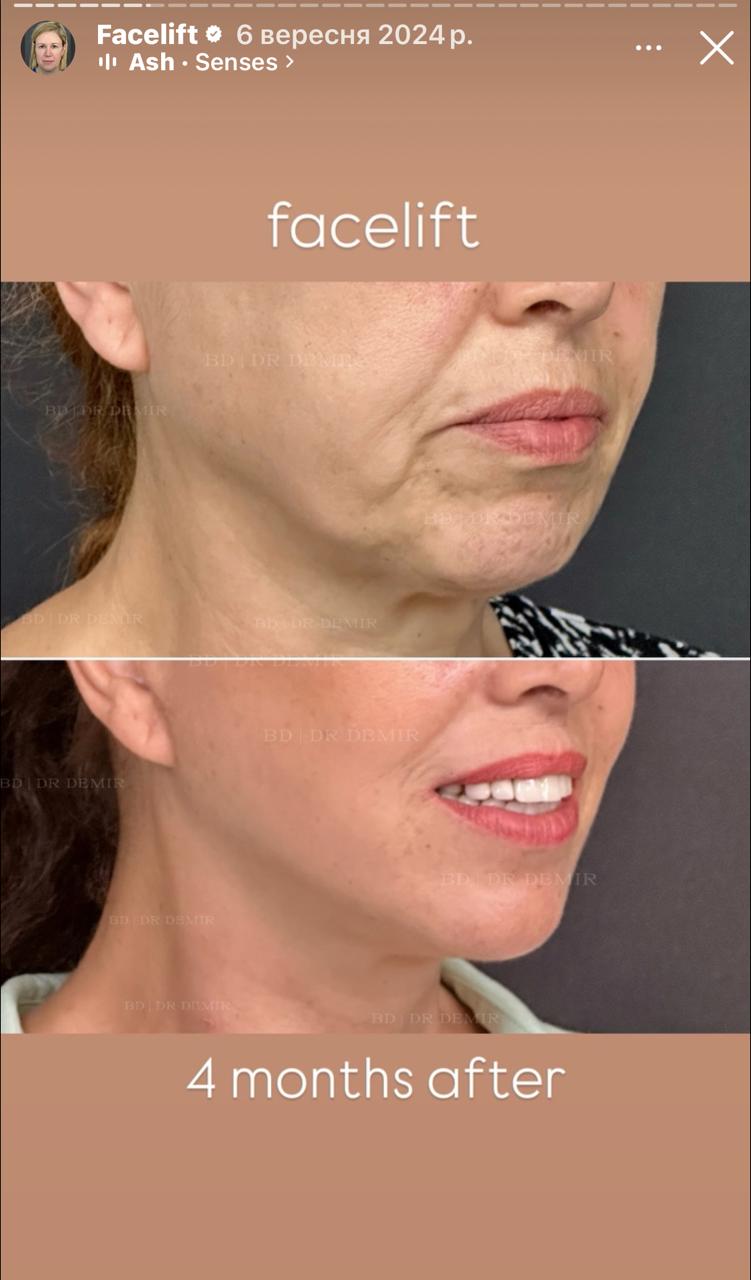
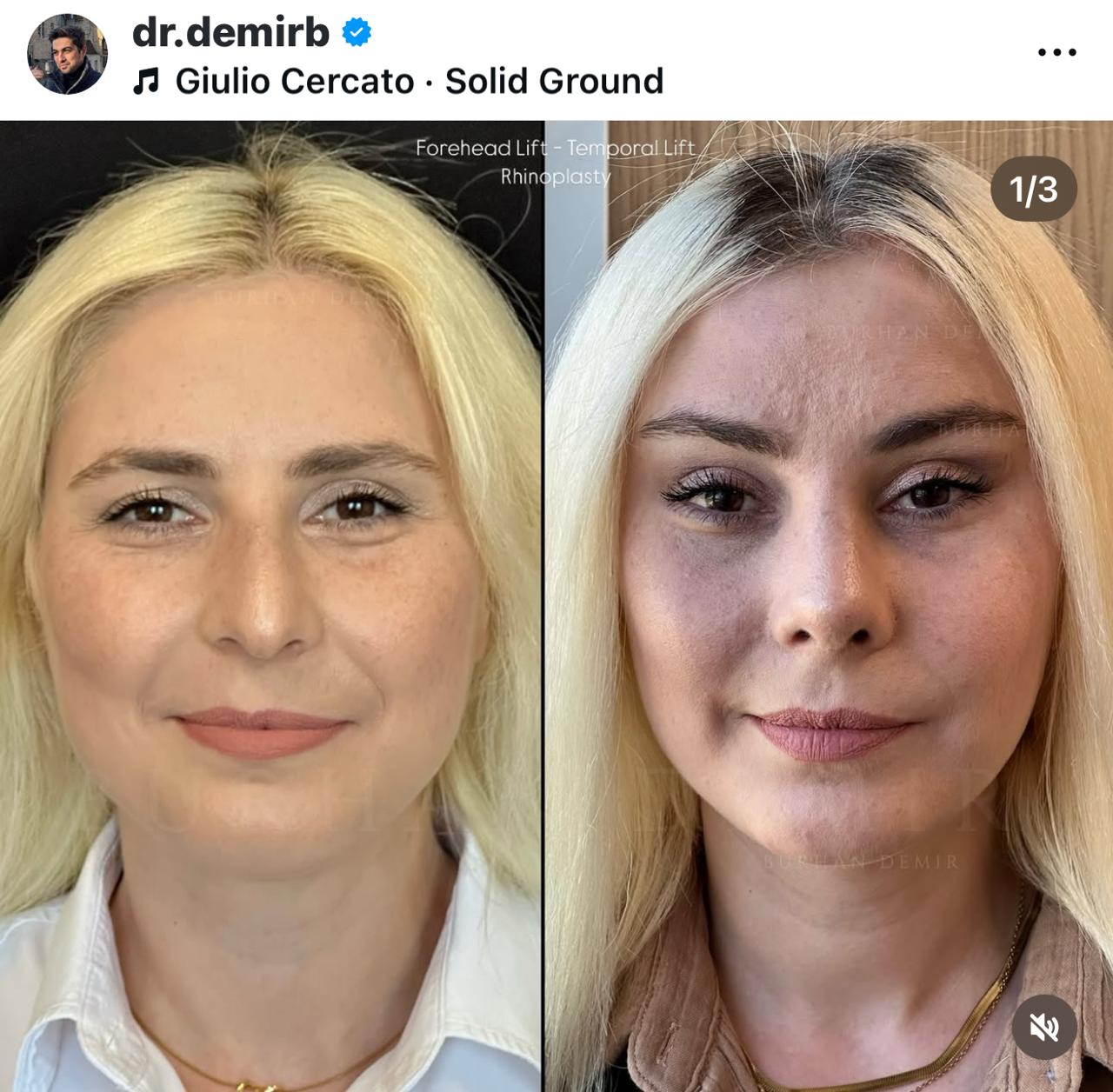
Before & after results
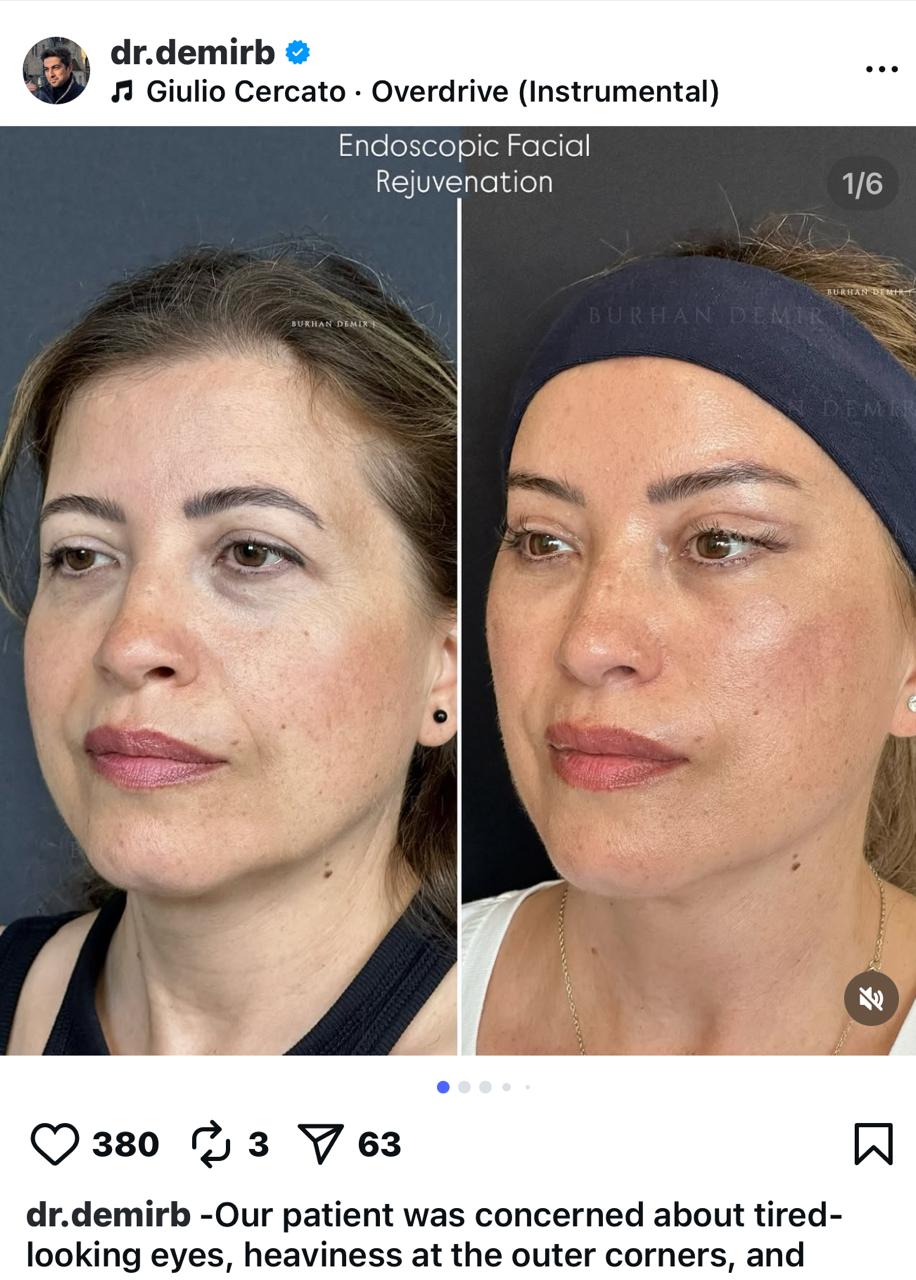
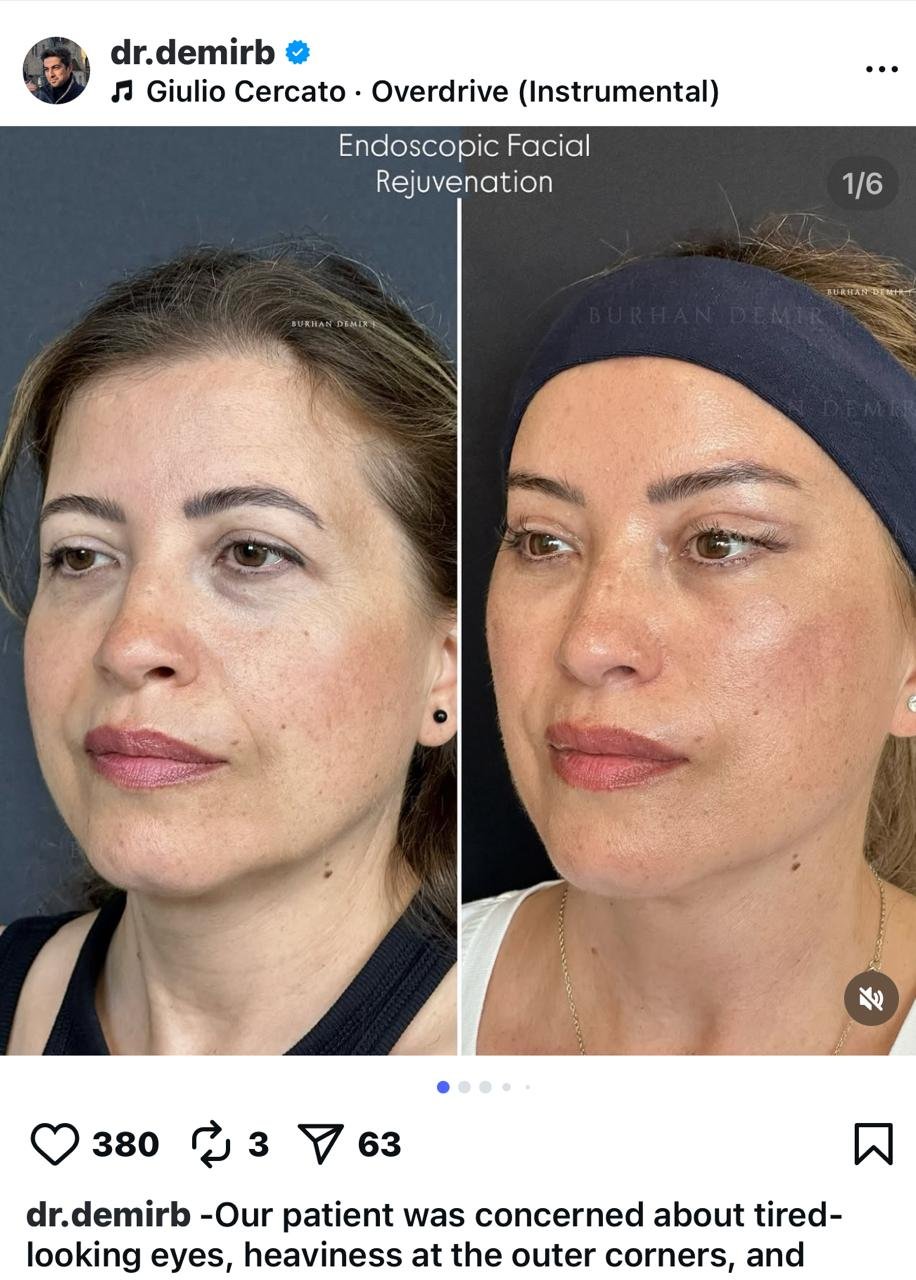
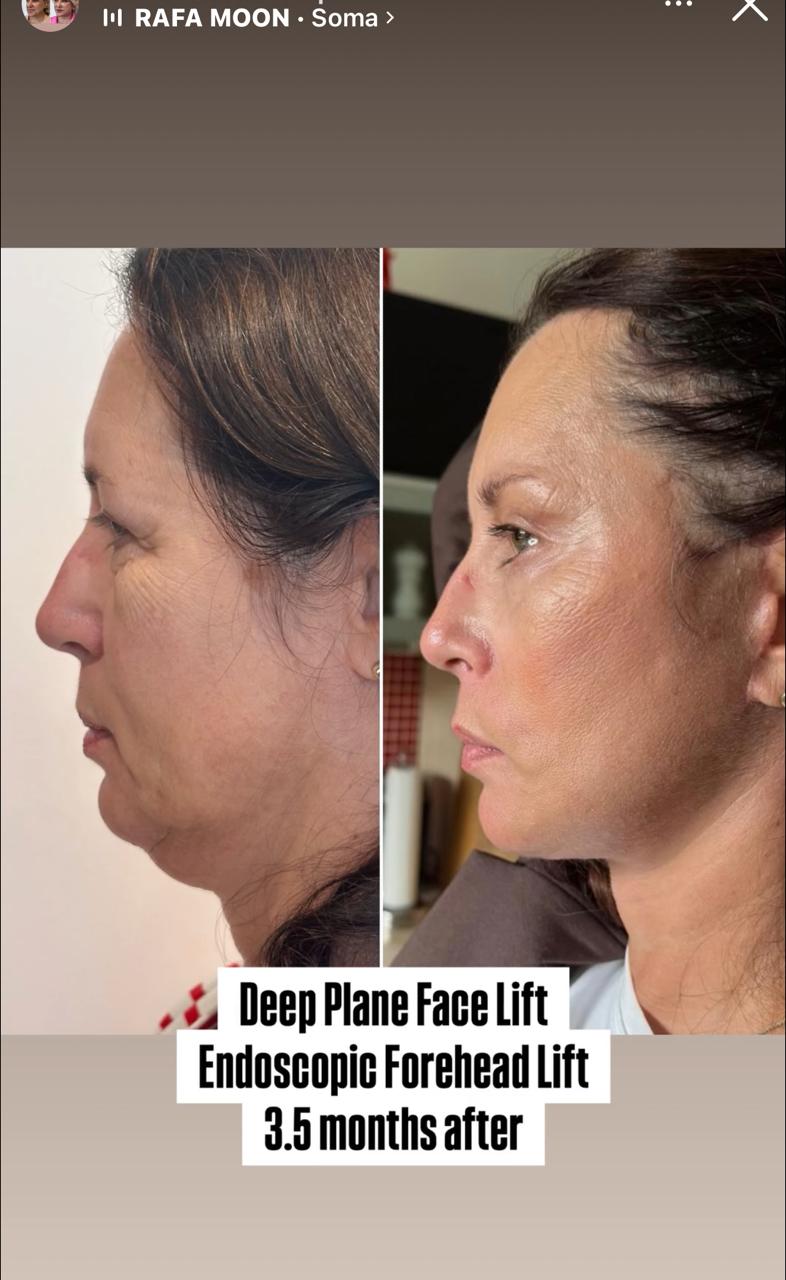
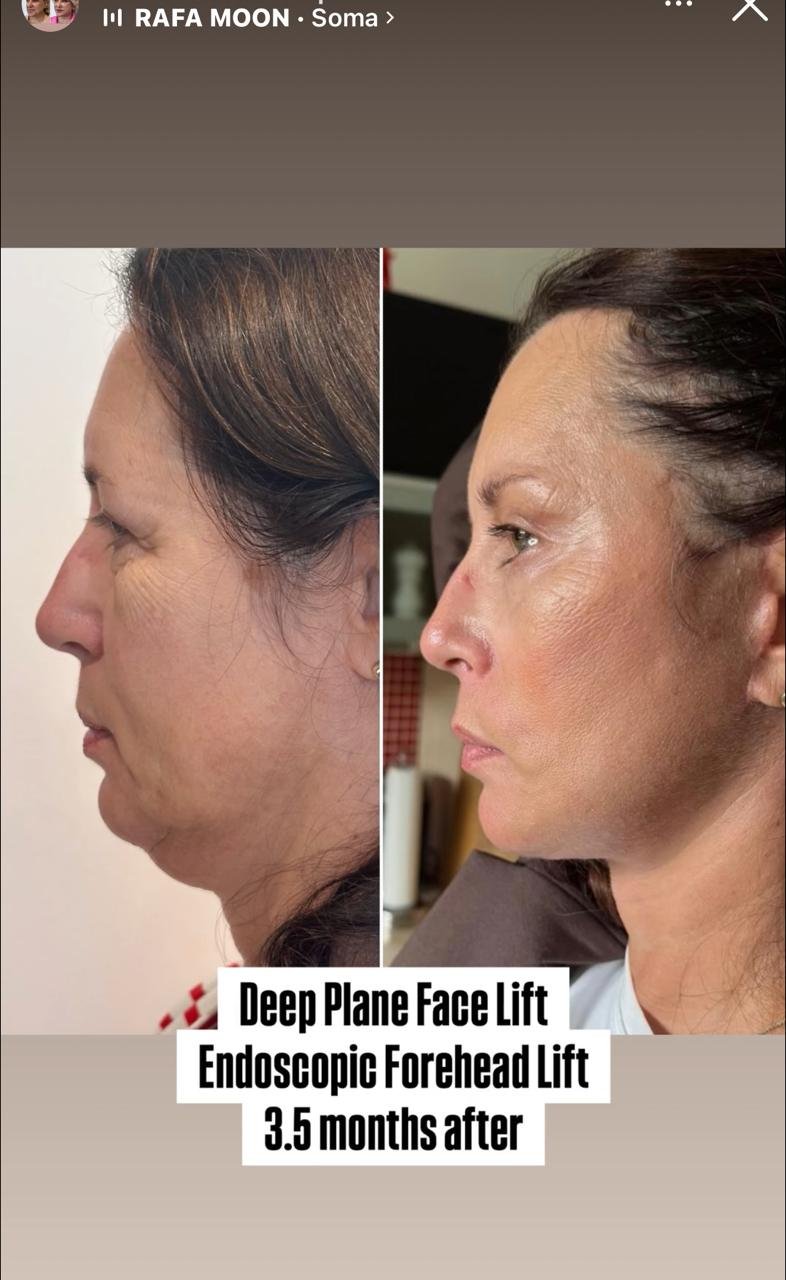
See all Buttock Augmentation (BBL) results →
Buttock Augmentation (BBL) cost by country
Typical price range per destination (USD). Final quote varies by clinic & individual case.
Clinics offering Buttock Augmentation (BBL)







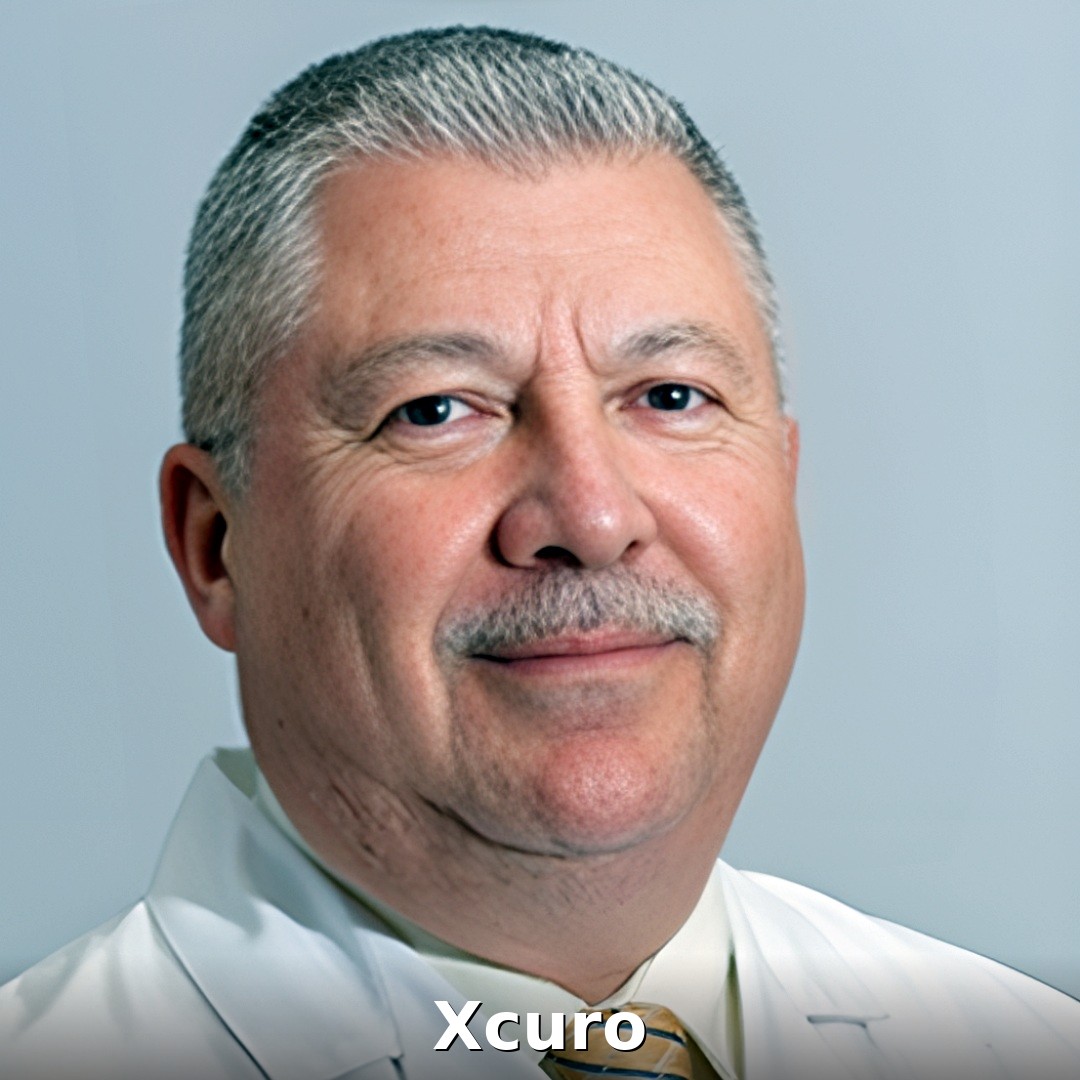
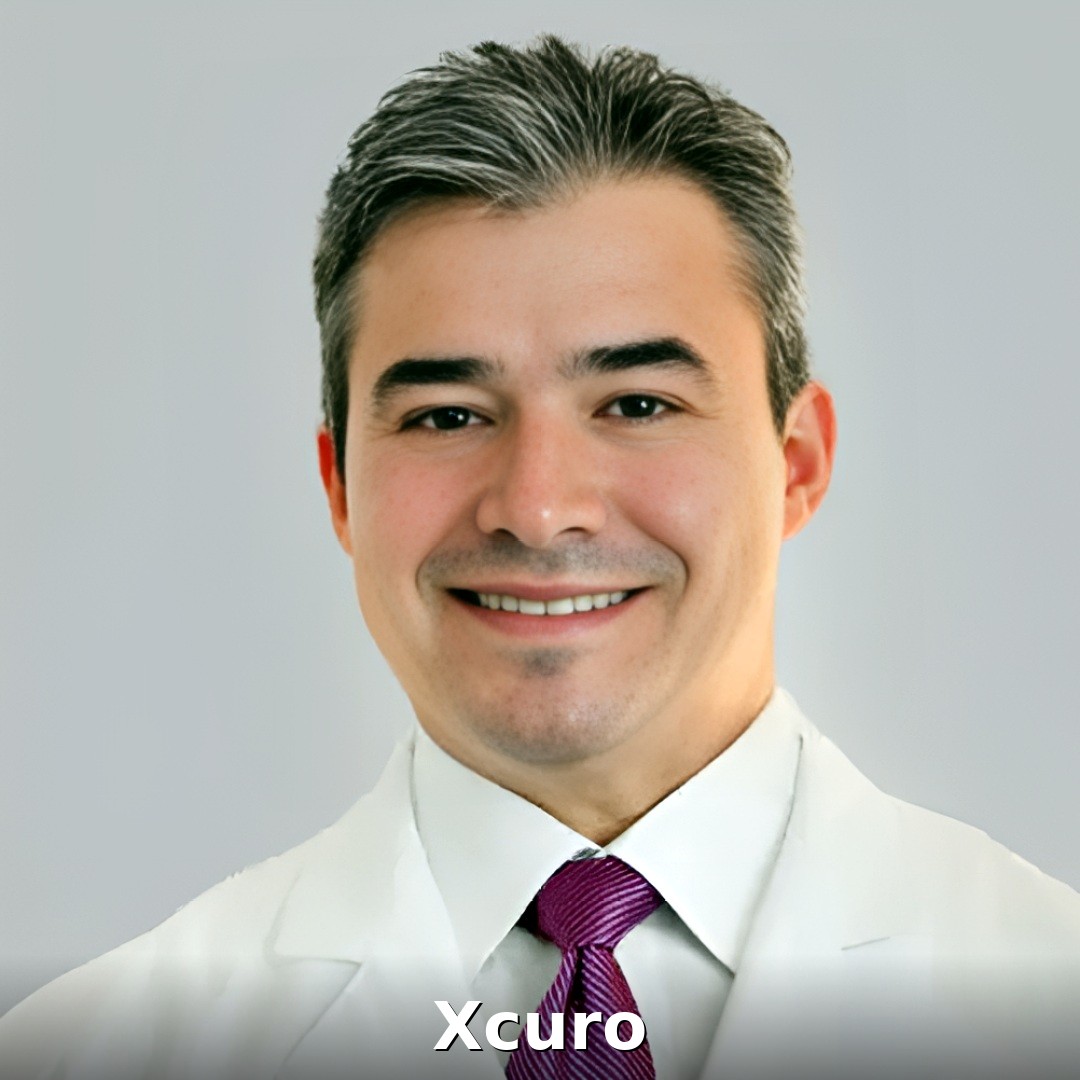
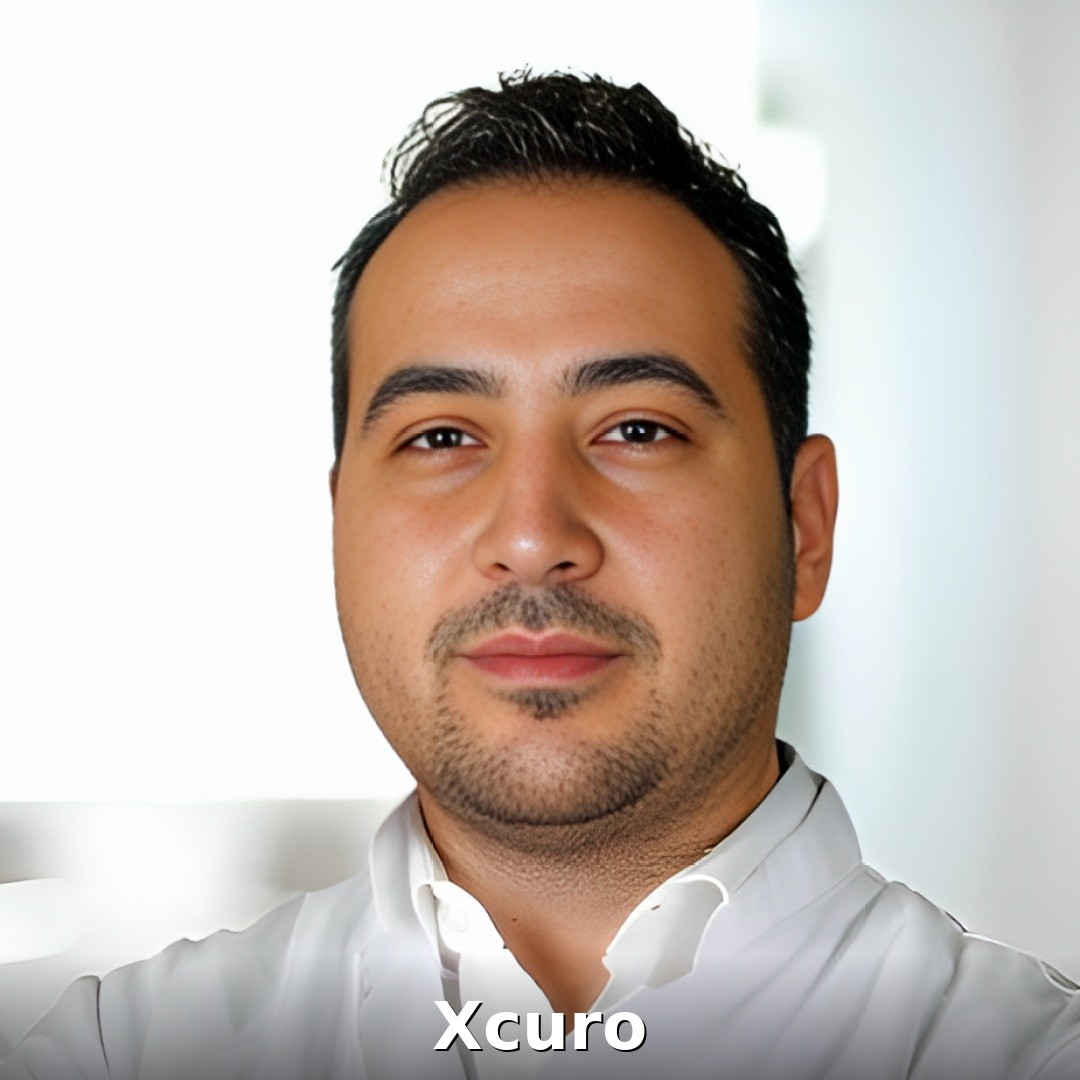
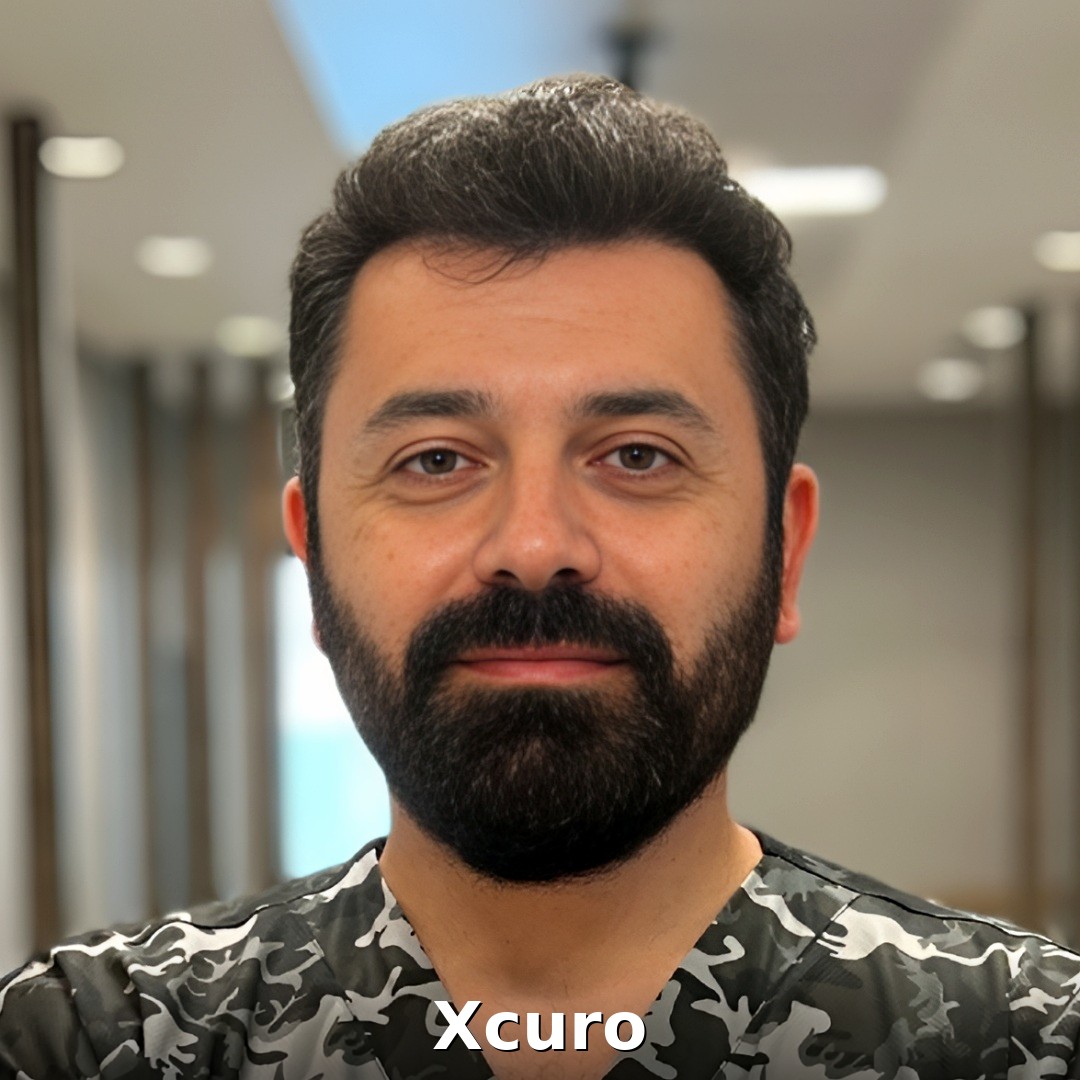
Doctors performing Buttock Augmentation (BBL)
































Related procedures
Related procedures
What the research says about buttock augmentation and Brazilian butt lift (BBL)
14 peer-reviewed sourcesGluteal augmentation by fat grafting, commonly called the Brazilian butt lift (BBL), has been the focus of intensive safety research because of the risk of fatal fat embolism when fat is injected too deeply into or beneath the gluteal muscle. Multi-society task forces and large case series, including reports from the high-volume South Florida region, have driven clear recommendations to keep grafting in the subcutaneous plane, avoid intramuscular injection, and increasingly use real-time ultrasound guidance. Systematic reviews and meta-analyses summarize complication rates for fat grafting and implant-based techniques, while practice advisories from groups such as ASERF and BAAPS define current safety standards. Evidence also addresses the added risks of cosmetic-surgery tourism and unaccredited facilities. The references below are provided for education and reflect a procedure where surgeon technique and accreditation strongly influence safety.
- Improvement in Brazilian Butt Lift (BBL) Safety With the Current Recommendations from ASERF
- The British Association of Aesthetic Plastic Surgeons (BAAPS) Gluteal Fat Grafting Safety Recommendations
- Practice Advisory on Gluteal Fat Grafting
- Gluteal Augmentation with Fat Grafting: A Systematic Review and Meta-Analysis of Complications
- Ultrasound-Guided Gluteal Fat Grafting: What is the Evidence? A Systematic Review and Meta-Analysis
Compiled from peer-reviewed medical literature indexed on PubMed. This overview is for general education and is not medical advice. · Last updated 2026-06-15