Bariatric Surgery in Mexico: 2026 Prices, Tijuana Programs and the Real Risks
A gastric sleeve in Mexico starts near $4,300 and a bypass near $5,800. What packages cover, what the Tijuana advisory says, and who follows you up at home.
Bariatric prices in Mexico vs the U.S.
Price ranges published by clinics listed on xcuro in Mexico (USD), next to the typical U.S. price for the same procedure.
| Procedure | Clinics in Mexico | Typical U.S. price | |
|---|---|---|---|
| Gastric Balloon 2 clinics | $1,880 - $3,295 | $7,388 - $8,081 | Full guide → |
| Gastric Bypass (Roux-en-Y) 4 clinics | $5,795 - $7,000 | From $19,511 | Full guide → |
| Gastric Sleeve (Sleeve Gastrectomy) 4 clinics | $4,300 - $5,000 | From $19,459 | Full guide → |
| Mini Gastric Bypass 4 clinics | $5,780 - $6,000 | From $16,365 | Full guide → |
U.S. prices come from the sources named on each procedure page. Flights and hotel are not included.
Bariatric clinics in Mexico
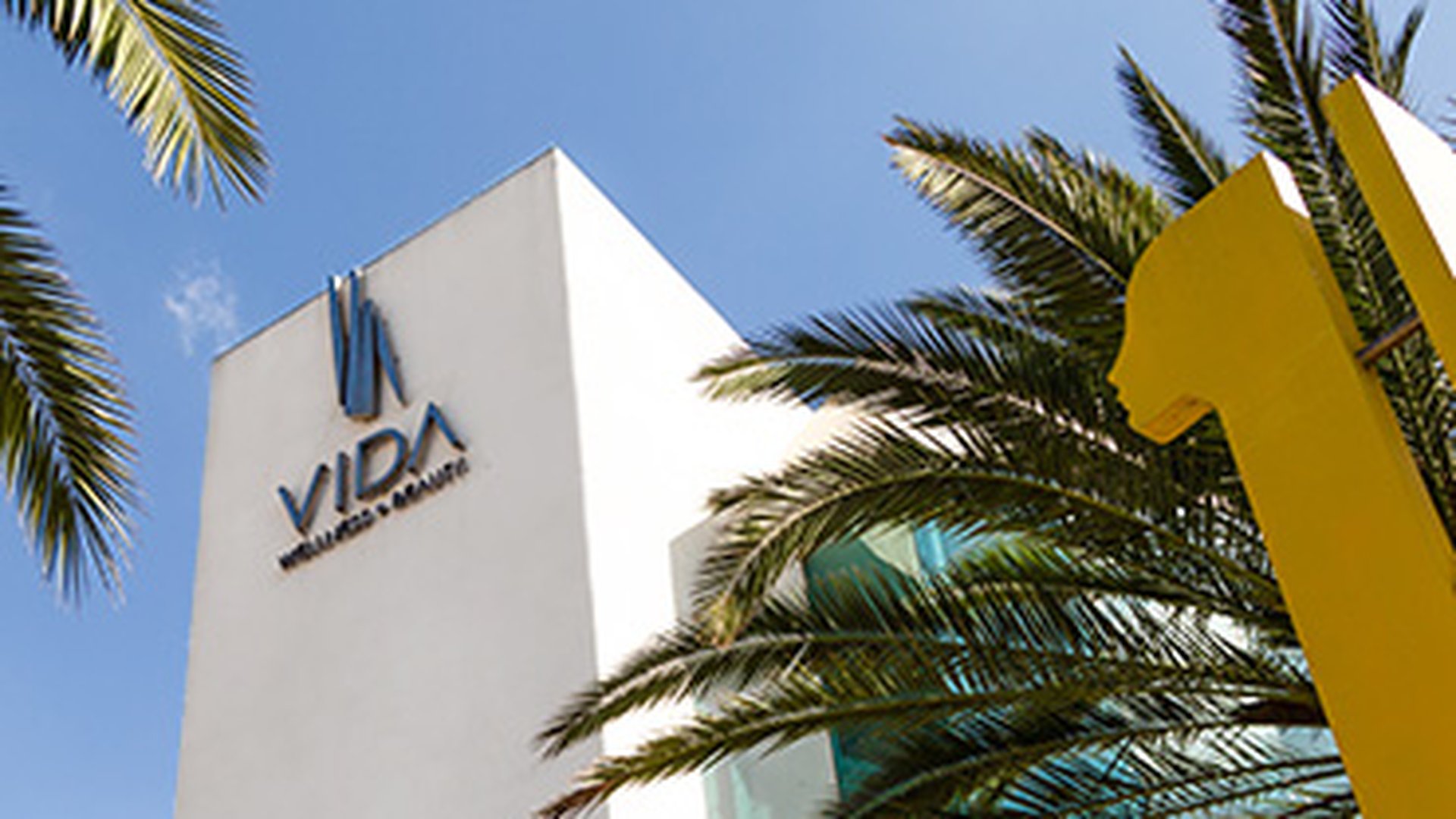
What bariatric surgery costs in Mexico
Most Americans who look at weight-loss surgery in Mexico are comparing it with paying cash at home. Clinics listed on xcuro publish package prices, and the two common operations look like this. The clinics are in Tijuana, across from San Diego, and Puerto Vallarta on the Pacific coast.
| Clinic | City | Gastric sleeve from | Gastric bypass from |
|---|---|---|---|
| VIDA Wellness and Beauty Center (xcuro partner) | Tijuana | about $4,300, "restrictions may apply"; VIDA says about $5,000 is typical | $6,600 to $7,000 |
| Hospital Azar | Tijuana | Page gives two figures, so ask | $5,795 |
| Tijuana Bariatric Center | Tijuana | $4,580 | $5,980 |
| Bariatrics Health Mexico | Puerto Vallarta | $4,800 | $6,000 |
U.S. estimates vary by source. Surgery Cost Guide puts a self-pay gastric sleeve at about $19,000, with a typical range of $15,000 to $25,000, and a gastric bypass at about $25,000, with a range of $20,000 to $35,000. CareCredit's national averages are $19,459 for a sleeve and $19,511 for a bypass. Those comparisons only matter if you would really pay cash. If your U.S. insurance covers bariatric surgery and you meet its rules, your bill at home may be well below the Mexican package.
What a package covers, and what it leaves out
"All-inclusive" means something different at each clinic. Tijuana Bariatric Center says its packages include the hospital and surgical team, San Diego to Tijuana transportation, a hotel recovery stay and anesthesiologist fees, and that final pricing depends on the surgeon, the hospital stay and your evaluation. Bariatrics Health Mexico lists one hospital night and three hotel nights. Hospital Azar's bypass page gives both two and three hospital nights, which shows why you should confirm the stay in writing.
Before you pay a deposit, get these answers in writing:
- Does the price change with your BMI?
- Which hospital will you be in, and how many nights?
- Who pays if you need a second operation, a CT scan or an extra night?
- Are your pre-op labs, follow-up visits and vitamins included?
- Do you get your operative report in English before you leave?
Budget separately for flights, extra hotel nights and follow-up at home unless a clinic says in writing that they are covered. If you have a preference for a specific surgeon, ask whether the quoted price is for that surgeon. Tijuana Bariatric Center's published list shows that prices can differ by surgeon.
Do you qualify, and which operation?
NIDDK says surgery may be an option for adults with a BMI of 40 or more, a BMI of 35 or more with a serious obesity-related health problem such as type 2 diabetes, heart disease or sleep apnea, or a BMI of 30 or more with hard-to-control type 2 diabetes. A clinic willing to operate outside those lines has not made you a good candidate.
ASMBS describes the main operations: a sleeve removes most of the stomach, and a bypass reroutes the digestive tract. A bypass means vitamins and blood tests for life. Our guides to the gastric sleeve in Mexico and gastric bypass in Mexico go through the choice in more detail, including each clinic's stay. If you are searching for "gastric sleeve Tijuana", most of the clinics above are there, and this list shows them with their ratings.
Tijuana and Puerto Vallarta: what the State Department says
The State Department rates Mexico as a whole Level 2, "Exercise Increased Caution", in an advisory issued May 29, 2026. Each state also has its own rating. Baja California, which includes Tijuana, is Level 3, "Reconsider travel", because of terrorism, crime and kidnapping. The advisory sets no additional travel restrictions for U.S. government employees in Tijuana.
Puerto Vallarta is in Jalisco, which is also Level 3. The advisory says there are no restrictions on travel in Puerto Vallarta, including neighboring Riviera Nayarit. So neither city gets you out of a Level 3 state. Read the advisory yourself before you book, and use transport arranged by the clinic instead of finding your own way. Our Tijuana guide covers the crossing, and this route guide explains how to get there from the San Diego airport.
Infections: what CDC has reported
This is the part clinic websites rarely mention. CDC reported eight cases of a highly antibiotic-resistant Pseudomonas infection since July 2020 in patients who had surgery or other invasive procedures in Mexico, six of them after procedures in Tijuana, including bariatric surgery, at different facilities. Two followed surgery in Jalisco. An earlier 2018 to 2019 outbreak was linked to one Tijuana hospital. These are small numbers and the update dates from February 2021, so they do not tell you the current risk at any one hospital. They are a reason to ask how a hospital prevents surgical infections and what it does when one happens.
How to check a surgeon and hospital
- Specialist credentials. Mexican law, article 272 Bis of the Ley General de Salud, requires a surgeon to hold a specialist license and a current specialty board certificate. Ask for both numbers.
- Hospital capability. The American Society for Metabolic and Bariatric Surgery warns that some medical tourism facilities lack a modern intensive care unit, imaging or interventional radiology. Ask if each is on site, not "nearby".
- Your numbers. Ask how many of your operation the surgeon does in a year, and the leak and readmission rates.
- Records. ASMBS notes that U.S. surgeons may be reluctant to treat patients from abroad, partly because an operative report is often unavailable. Leave with yours.
Our safety guide goes through these checks step by step.
The flight, and the years after surgery
CDC advises delaying air travel for 10 to 14 days after major surgery because of blood clots. Many packages are far shorter than that. If you live within driving distance of San Diego, this matters less. If you have to fly, talk to your surgeon about the risk and consider staying longer.
Surgery is the short part. ASMBS says long-term success depends on follow-up, and it warns that complications after a procedure abroad can be expensive to treat, especially if you stepped outside your insurance. NIDDK lists later problems such as poor nutrient absorption, which can lead to anemia and osteoporosis, and gallstones. Find a U.S. doctor or bariatric program that will see you before you book. If you cannot find one, take that seriously.
Insurance, Medicare and HSA money
Medicare covers some bariatric procedures for people who qualify, but generally does not pay for care outside the U.S., so a Mexican package would be out of pocket. Private plans differ, so ask yours in writing. Our answer on insurance and a sleeve in Mexico has more.
IRS Publication 502 says you can include amounts you pay to lose weight if it is a treatment for a specific disease diagnosed by a physician, such as obesity. That can make medically necessary surgery an eligible expense for HSA or FSA money, but keep your diagnosis and receipts and check with a tax professional. A trip taken only for appearance would not qualify.
How we fit into this
Of the six bariatric clinics listed on xcuro in Mexico, only VIDA is an xcuro partner, and it pays us a referral fee if you go ahead with treatment there. The others are listed for comparison. Clinics cannot pay to rank higher. Ratings shown are from Google and Trustpilot, and they reflect patients' experience, not surgical outcomes.
How xcuro works
- Free for you
You don't pay xcuro anything. If you go ahead with treatment at an xcuro partner clinic, that clinic pays us a referral fee.
- Rankings aren't for sale
Clinics can't pay to be listed, to appear higher or to change their reviews.
- Ratings you can check
Clinic ratings come from Google and Trustpilot, and each one links to its source.
- Prices with sources
Every U.S. price we compare against names its source. Your own quote comes from the clinic in writing.
Bariatric surgeons in Mexico
Frequently asked questions
How much is bariatric surgery in Mexico?
Published packages at clinics listed on xcuro start at about $4,300 to $4,800 for a gastric sleeve and $5,795 to $7,000 for a gastric bypass. Final quotes depend on your BMI, surgeon and hospital stay.
How much is a gastric sleeve in Tijuana?
VIDA quotes from about $4,300 with restrictions and says about $5,000 is typical. Tijuana Bariatric Center lists $4,580.
Is Tijuana safe for bariatric surgery?
The State Department rates Baja California, which includes Tijuana, Level 3, "Reconsider travel". CDC has also reported drug-resistant infections after surgery there. Weigh both, and check the specific hospital before you book.
Do I qualify for weight-loss surgery?
NIDDK says surgery may be an option with a BMI of 40 or more, 35 or more with a serious obesity-related condition, or 30 or more with hard-to-control type 2 diabetes.
Will Medicare pay for bariatric surgery in Mexico?
Generally no. Medicare covers some bariatric procedures for people who qualify, but it generally does not pay for care outside the U.S.
Can I use my HSA for weight-loss surgery in Mexico?
Possibly. IRS Publication 502 includes weight-loss treatment for a specific disease diagnosed by a physician, such as obesity. Keep your records and check with a tax professional.
How long should I stay after surgery?
CDC advises delaying air travel for 10 to 14 days after major surgery. Many packages are shorter, so ask your surgeon about the risk if you have to fly home.
Getting to Mexico from the U.S.
Visa. U.S. passport holders travel without a visa for up to 180 days. A passport book is required for air travel, and a tourist permit (FMM, issued digitally at airports) is required on arrival.Official source.
Flights. The shortest trip of any destination we work with. Nonstop flights to Mexico City, Guadalajara, Monterrey and Cancun from most large U.S. hubs, 2 to 5 hours; Tijuana is reachable on foot from San Diego.
U.S. State Department advisory. Level 2 – Exercise Increased Caution (May 29, 2026), due to terrorism, crime and kidnapping. Level 3 – Reconsider Travel: Baja California (Tijuana, Los Algodones) and Jalisco (Guadalajara, Puerto Vallarta). Quintana Roo (Cancún): Exercise Increased Caution.Read the advisory.
Before you travel: what the CDC recommends
- Check the qualifications of the clinician who will perform the procedure and the credentials of the facility.
- Make sure you can get follow-up care in the United States. Care for complications can be expensive and might not be covered by your health insurance.
- Obtain international travel health insurance that covers medical evacuation back to the United States.
- See your own healthcare provider 4–6 weeks before the trip to discuss risks specific to your health.
More bariatric guides for Mexico
Sources
- Gastric Sleeve Surgery Cost in 2026 — Surgery Cost Guide
- Gastric Bypass Surgery Cost in 2026 — Surgery Cost Guide
- Weight loss surgery, medication and program price guide — CareCredit
- Bariatric surgery cost in Tijuana — Tijuana Bariatric Center
- Bariatric surgery cost — Bariatrics Health Mexico
- Potential Candidates for Bariatric Surgery — NIDDK
- Bariatric Surgery Procedures — American Society for Metabolic and Bariatric Surgery
- Mexico Travel Advisory, issued May 29, 2026 (archived copy) — U.S. Department of State (via Internet Archive)
- Pseudomonas aeruginosa infections after surgery in Mexico — CDC
- Ley General de Salud, art. 272 Bis — Cámara de Diputados de México
- Medical Tourism — American Society for Metabolic and Bariatric Surgery
- Medical Tourism: Getting Medical Care in Another Country — CDC Travelers' Health
- Side Effects of Bariatric Surgery — NIDDK
- Bariatric surgery coverage — Medicare.gov
- Foreign travel coverage — Medicare.gov
- Publication 502: Medical and Dental Expenses — IRS
- Gastric sleeve — VIDA Wellness and Beauty Center
- Gastric bypass — VIDA Wellness and Beauty Center
- Gastric sleeve surgery in Mexico — Hospital Azar
- RNY gastric bypass surgery in Mexico — Hospital Azar