Korean Plastic Surgery: 2026 Prices in Seoul and What U.S. Patients Should Know
Korean plastic surgery is best known for eyelid surgery, rhinoplasty and face contouring. At the clinics we work with in Korea, eyelid surgery starts around $800 and a nose job around $1,200, though ranges are wide. Below: prices next to U.S. costs, clinics, and how to protect yourself from ghost surgery.
Plastic & Aesthetic Surgery prices in South Korea vs the U.S.
Price ranges quoted by our partner clinics in South Korea (USD), next to the typical U.S. price for the same procedure.
| Procedure | Our clinics in South Korea | Typical U.S. price | |
|---|---|---|---|
| Breast Augmentation 5 clinics | $3,200 - $15,400 | $6,000 - $12,000 | |
| Breast Reduction 2 clinics | $6,000 - $18,500 | From $7,800 surgeon's fee only | |
| Eyelid Surgery (Blepharoplasty) 6 clinics | $821 - $6,600 | From $3,359 surgeon's fee only | |
| Face Contouring 6 clinics | $2,200 - $10,000 | — | |
| Facelift 6 clinics | $1,230 - $25,400 | From $11,395 surgeon's fee only | |
| Liposuction 5 clinics | $1,000 - $20,800 | From $4,711 surgeon's fee only | |
| Rhinoplasty (Nose Job) 7 clinics | $1,187 - $10,324 | $5,000 - $15,000 | Full guide → |
| Tummy Tuck (Abdominoplasty) 4 clinics | $1,600 - $12,905 | $6,000 - $12,000 |
U.S. prices come from the sources named on each procedure page. Flights and hotel are not included.
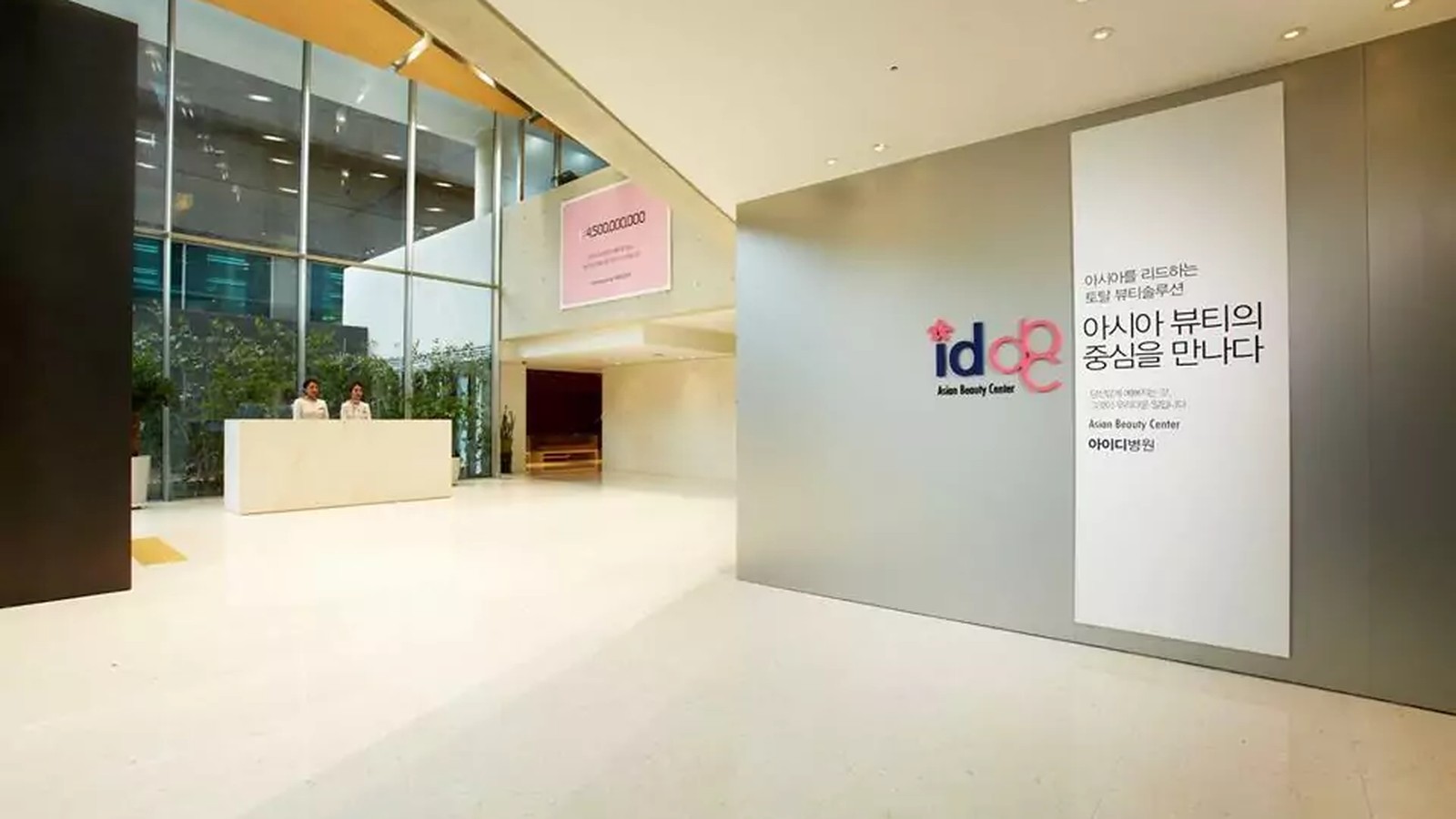
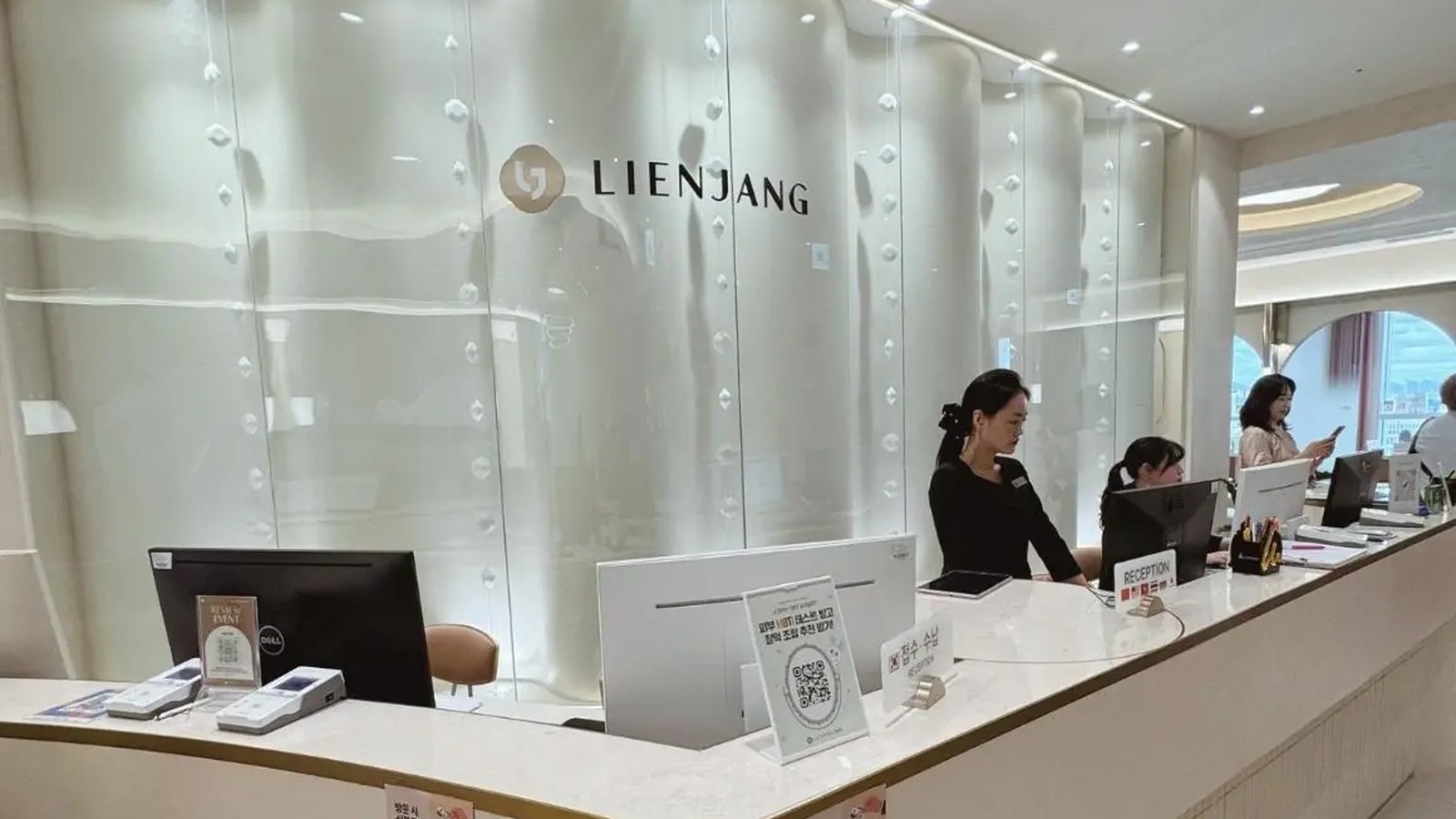
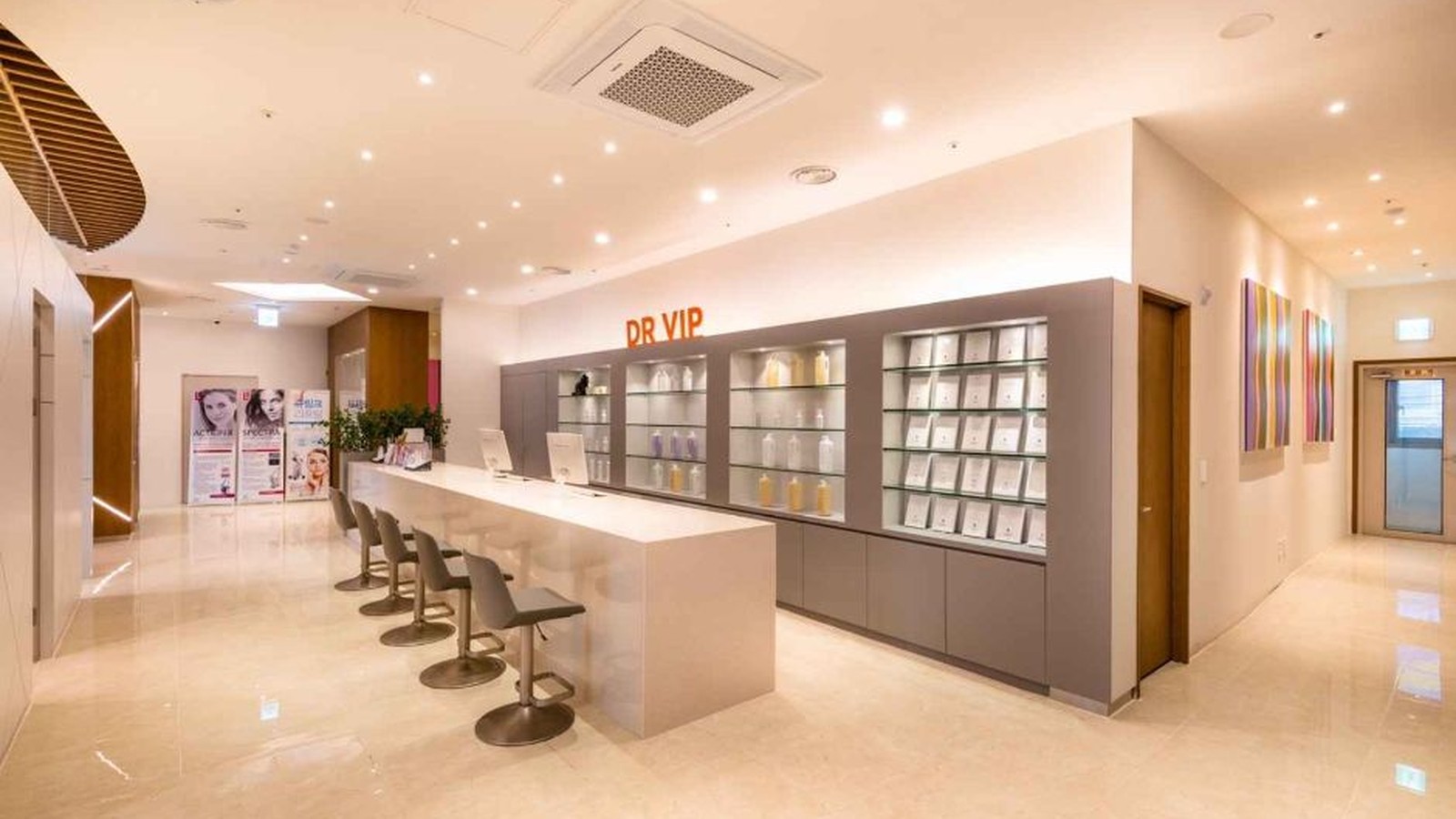
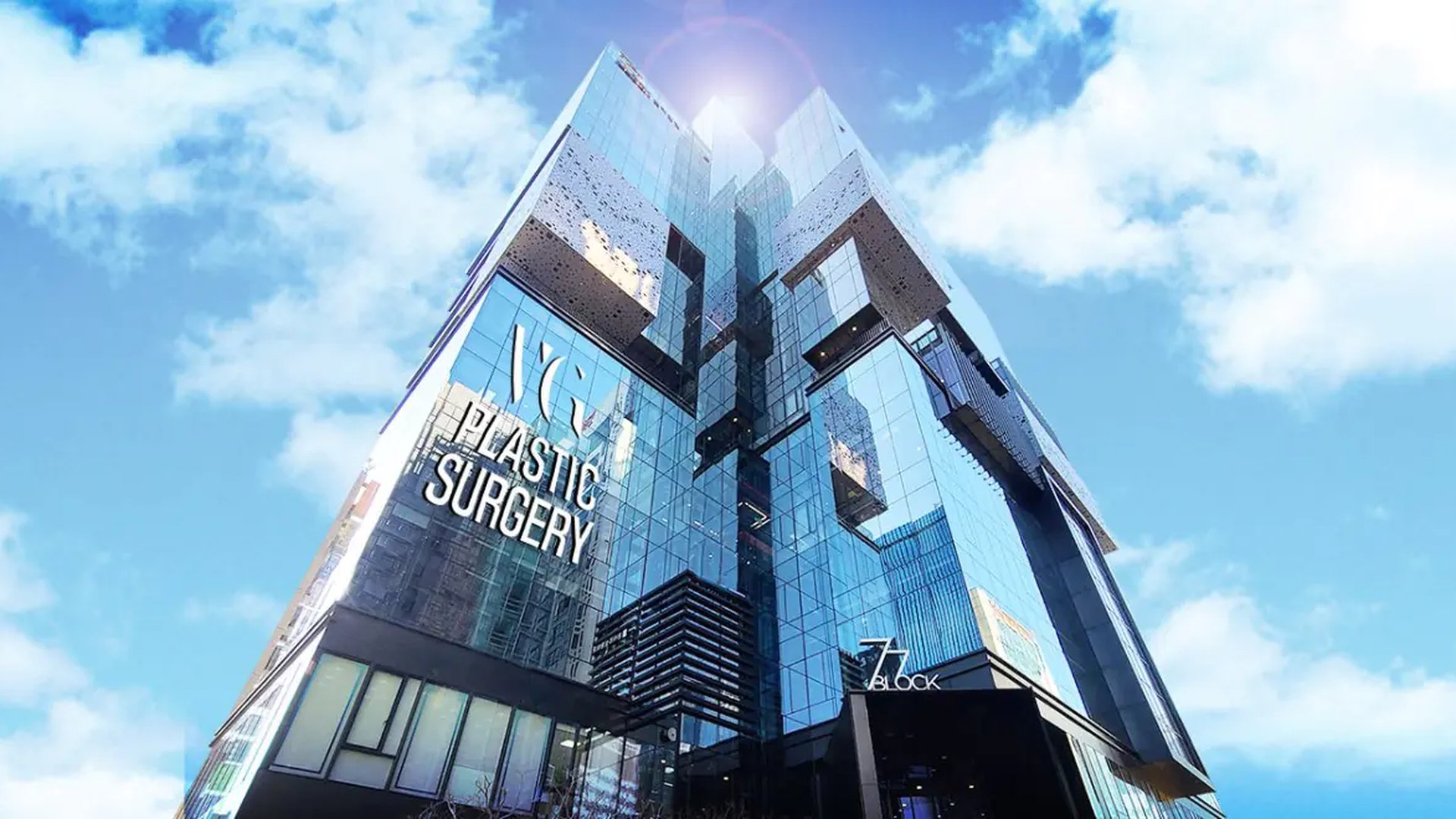
Plastic & Aesthetic Surgery clinics in South Korea
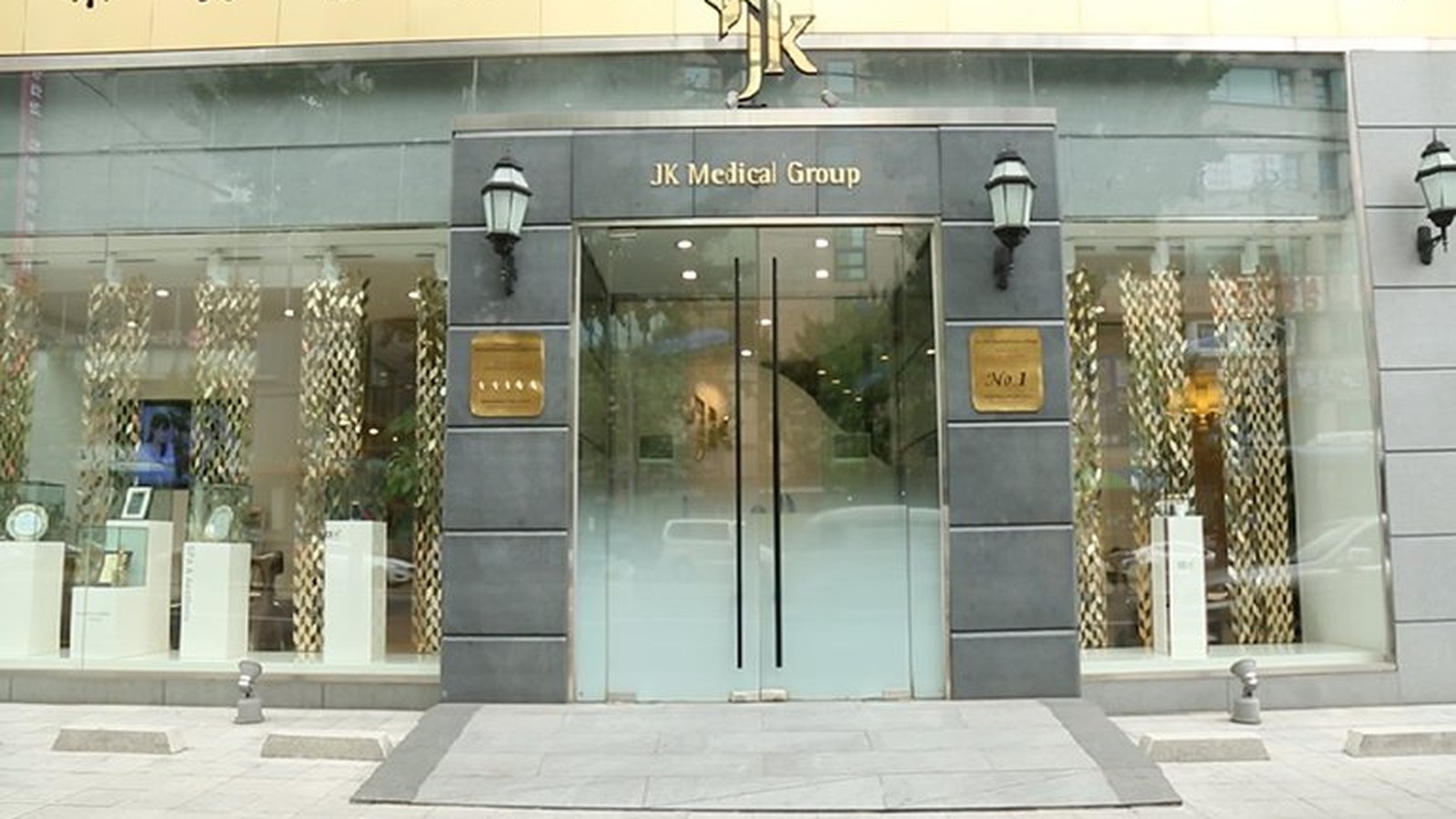
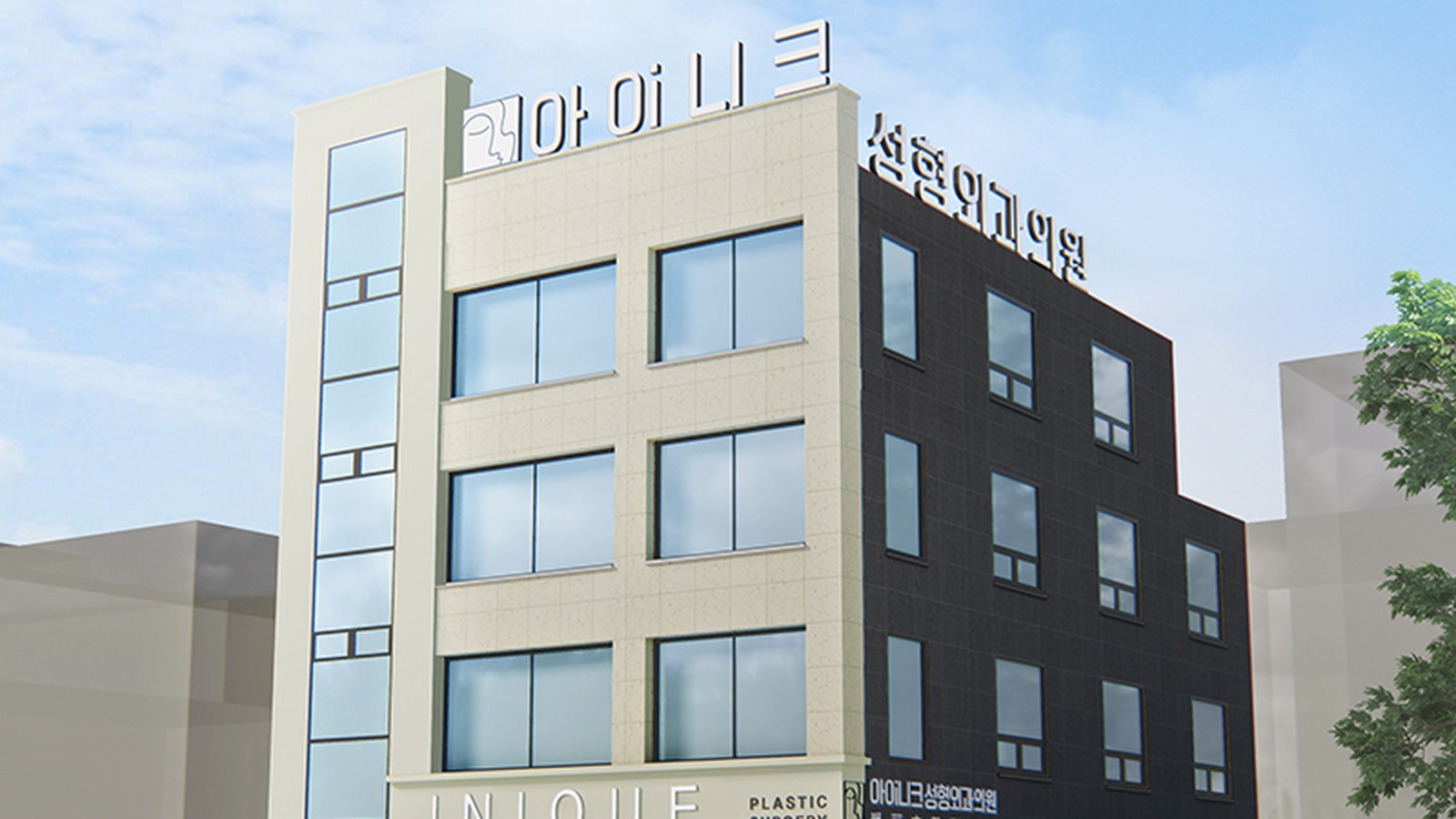
Plastic & Aesthetic Surgery in South Korea: pros and cons for U.S. patients
- Strong expertise in eyelid surgery, rhinoplasty and face contouring.
- CCTV law: you can ask for your surgery to be recorded.
- Nonstop flights from eight U.S. cities; no K-ETA needed through 2026.
- State Department Level 1, the lowest advisory level.
- The widest price ranges of any country we cover; quotes are hard to compare.
- Long flights home: 13–15 hours.
- Some cosmetic clinics are run by doctors who are not plastic surgeons.
- Follow-up care at home, and complications, may not be covered by U.S. insurance (CDC).
What Korea is known for
Most of Korea's cosmetic clinics are in Seoul, many of them in the Gangnam district. Korean surgeons are particularly known for facial procedures: double eyelid surgery, rhinoplasty, often with implants or cartilage grafts to add height to the nose, and face contouring (also called facial contouring), which reshapes the jaw, chin or cheekbones.
What it costs
Prices at the Korean clinics we work with vary more than in any other country we cover: eyelid surgery about $800 to $6,600, rhinoplasty about $1,200 to $10,300, face contouring about $2,200 to $10,000 and facelifts from about $1,200 to over $25,000. The low end usually reflects smaller, simpler procedures, so ask exactly what a quote includes before you compare. The table above lists every procedure next to the typical U.S. price.
Ghost surgery, and what the CCTV law changed
"Ghost surgery" means someone other than the surgeon you agreed to, sometimes not a qualified surgeon at all, operating while you are under anesthesia. After high-profile cases, Korea amended its Medical Service Act in 2021. Since September 25, 2023, clinics that operate on unconscious patients must have cameras in their operating rooms, and you have the right to ask for your own surgery to be recorded. A clinic can refuse only for narrow reasons, such as an emergency, and must give the reason in writing. The footage is kept for at least 30 days.
- Ask for your surgery to be recorded, and get the clinic's answer in writing.
- Confirm the name of the surgeon who will operate, in writing.
- Ask whether that surgeon is a board-certified plastic surgeon and a member of the Korean Society of Plastic and Reconstructive Surgeons (KSPRS). Some cosmetic clinics are run by doctors trained in other specialties.
Getting there and how long to stay
There are nonstop flights to Seoul from eight U.S. cities, about 13 hours from the West Coast and 14 to 15 from the East Coast. U.S. passport holders do not need a K-ETA through December 31, 2026, but need an electronic arrival card. Plan on one to two weeks, depending on the procedure; swelling after face contouring takes longer to settle.
Korea or Turkey?
Korea is the stronger choice for facial procedures, especially eyelid surgery and face contouring. Turkey offers more clinics for body procedures and hair transplants, and is closer to the East Coast.
Insurance and taxes
Cosmetic plastic surgery is not covered by U.S. health insurance, and the IRS does not treat it as a medical expense (IRS Publication 502). The CDC also warns that treating complications after surgery abroad can be expensive and may not be covered by your U.S. plan, so line up follow-up care at home before you go.
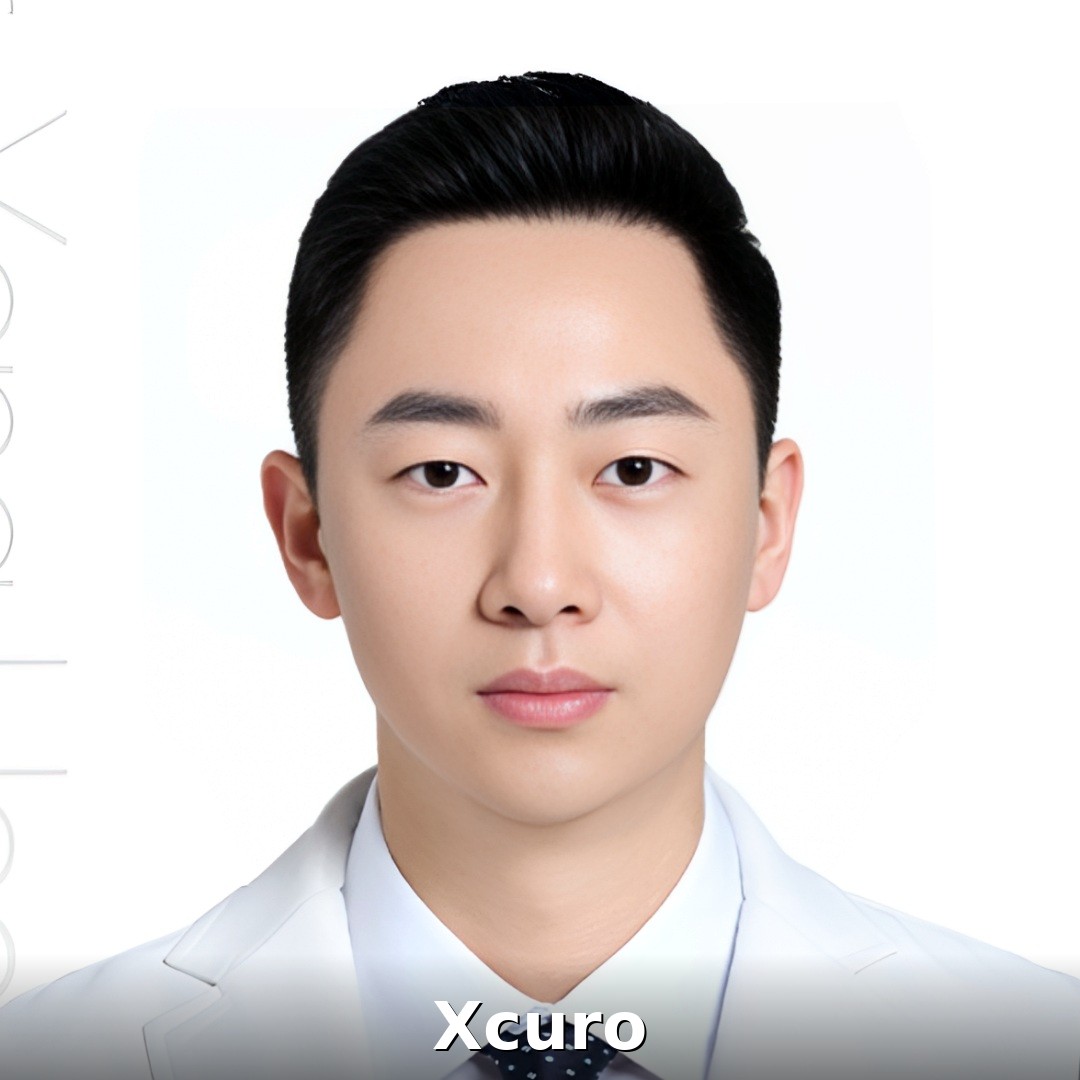
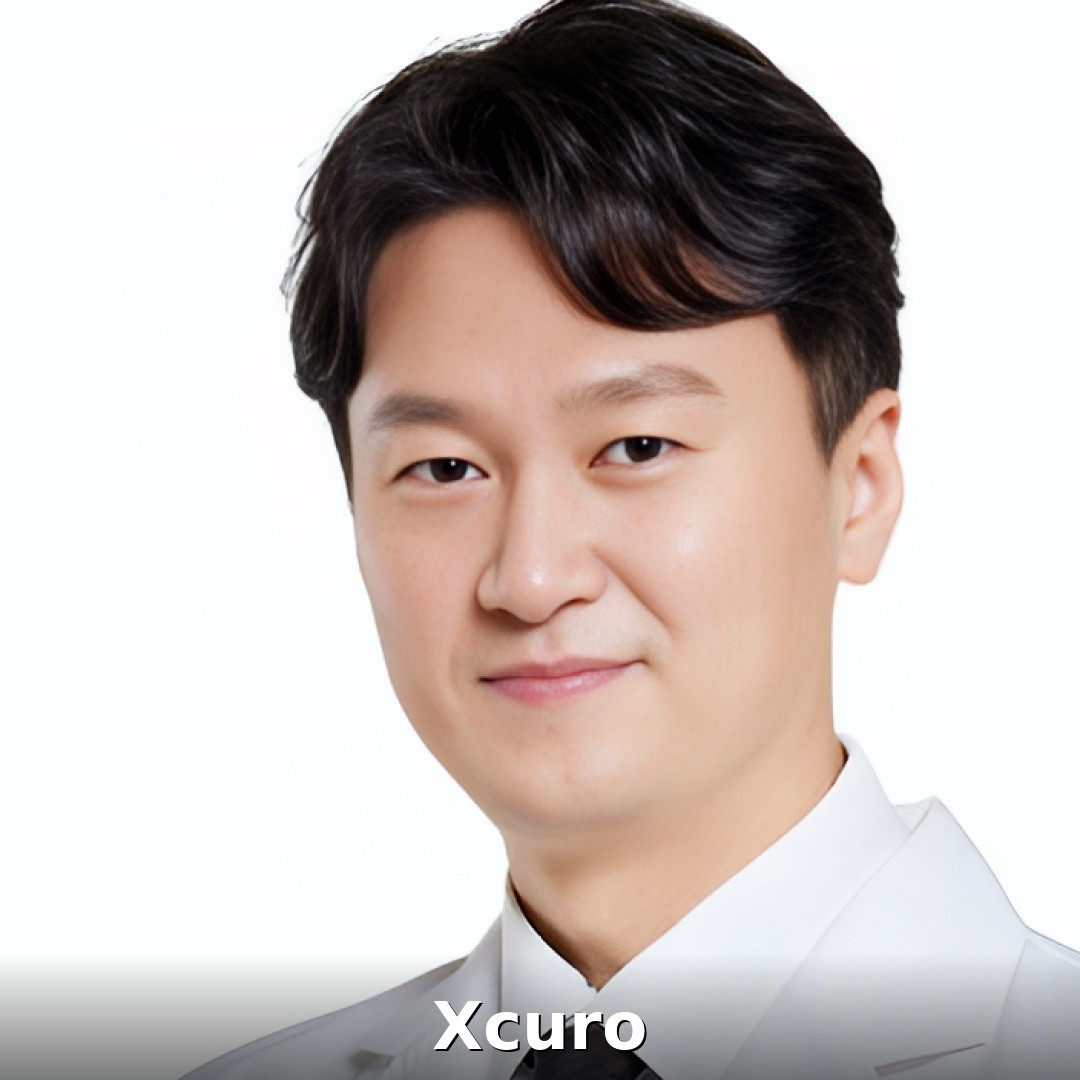
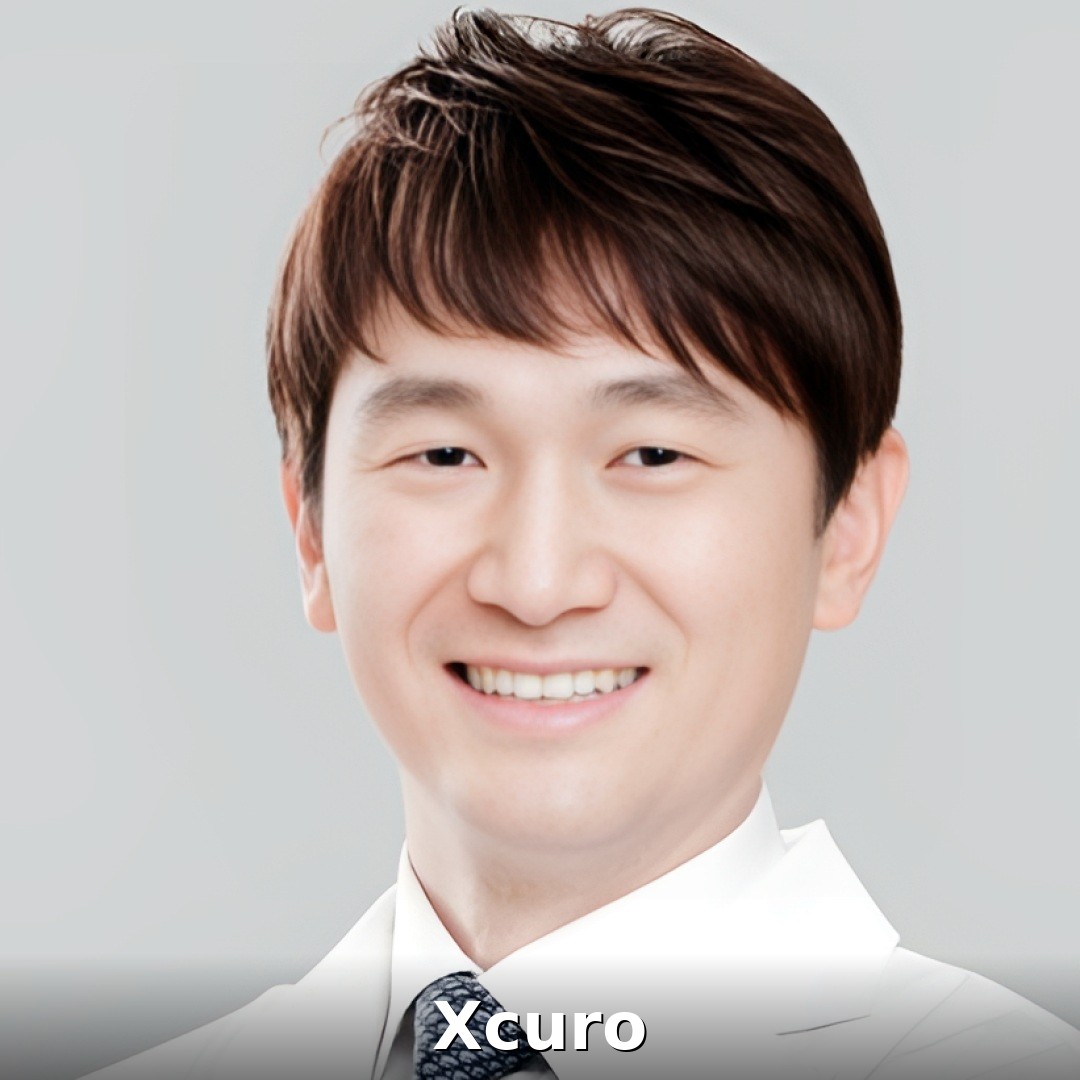
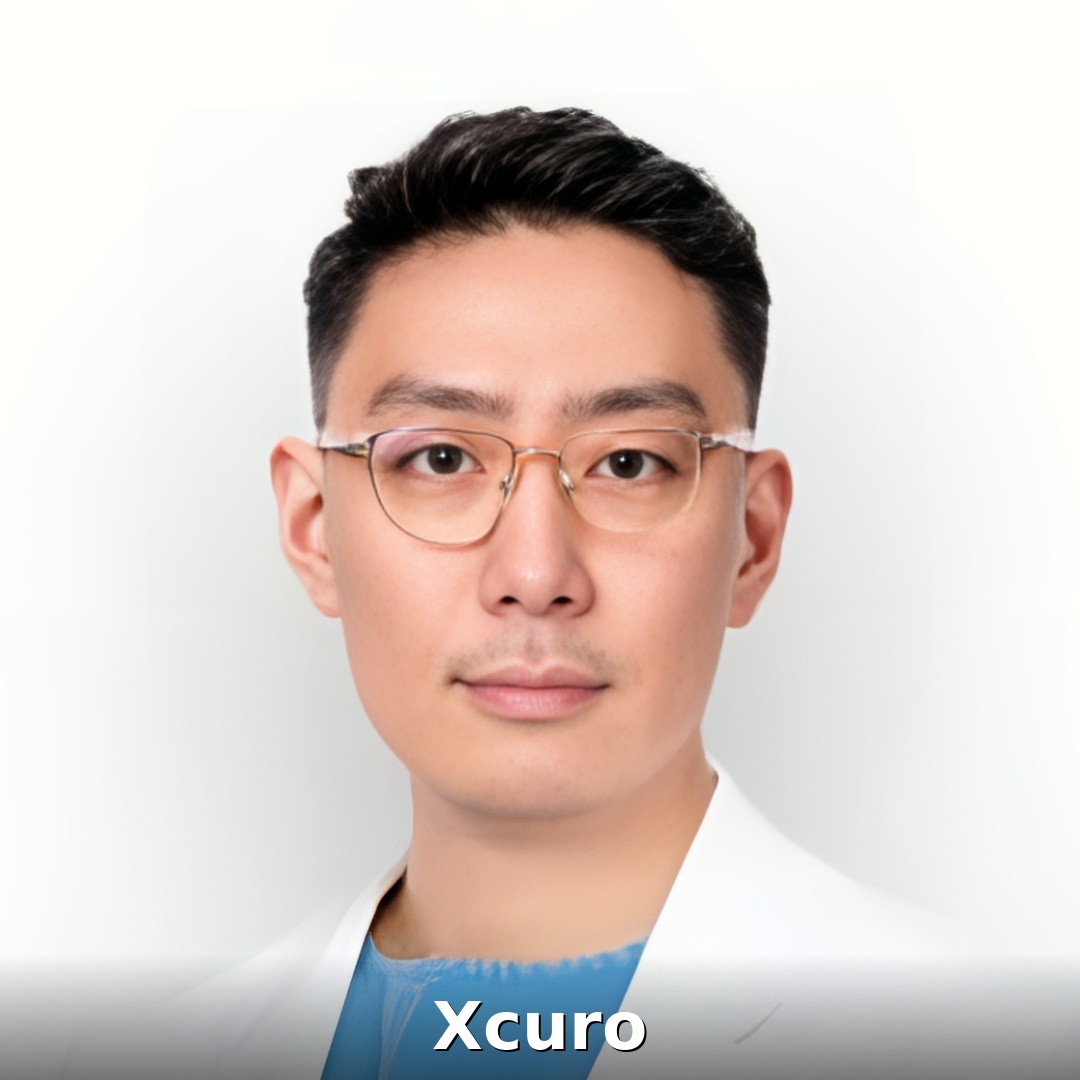
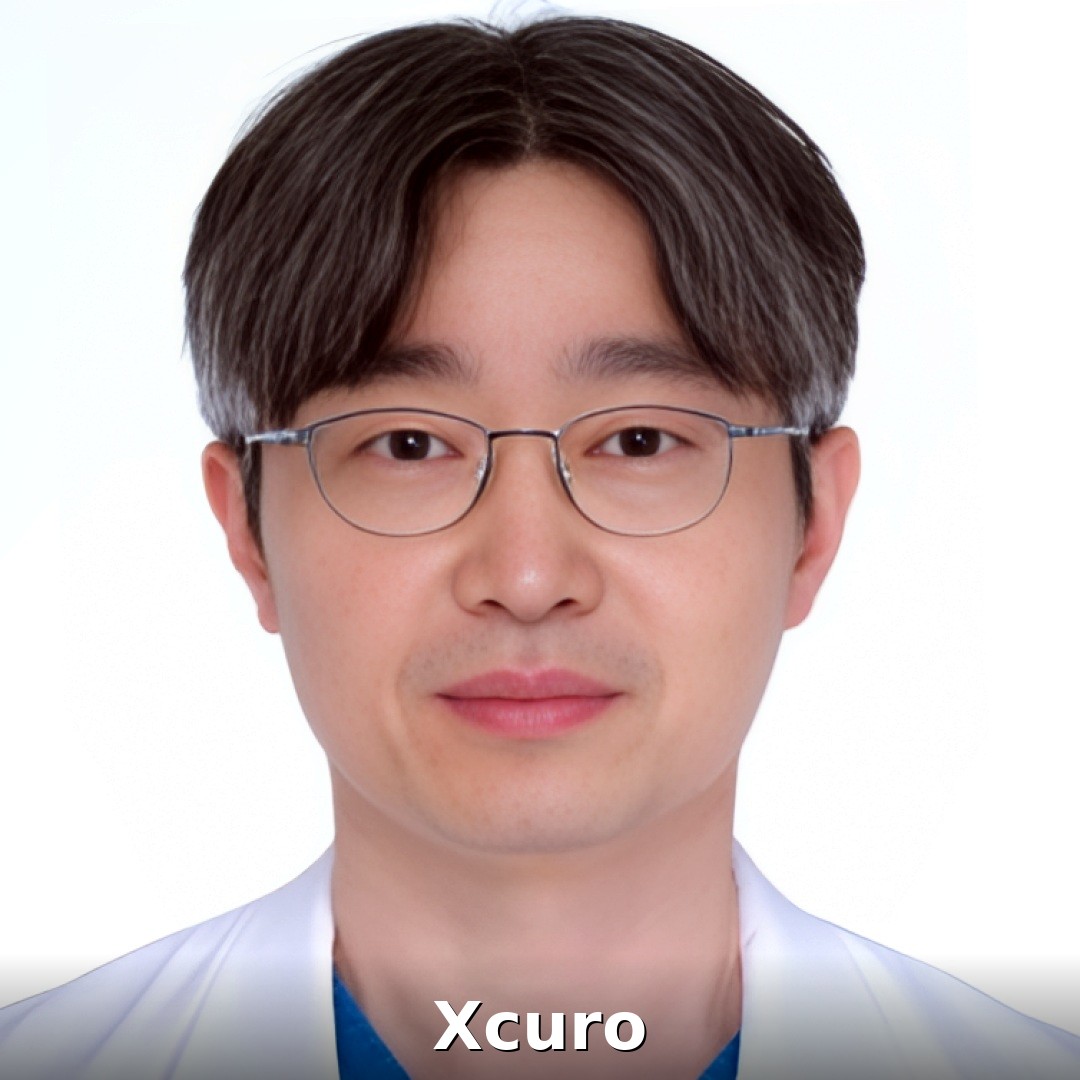
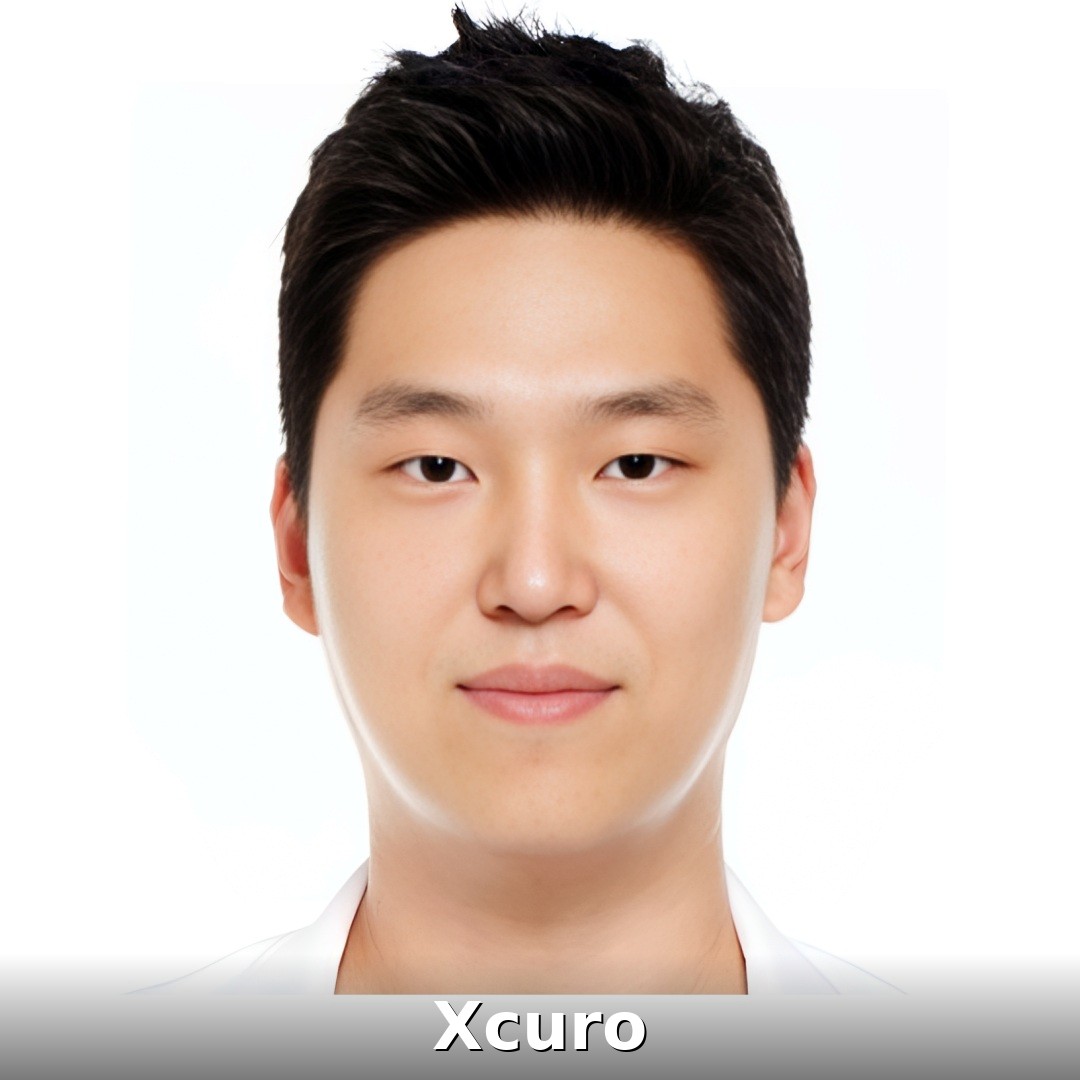
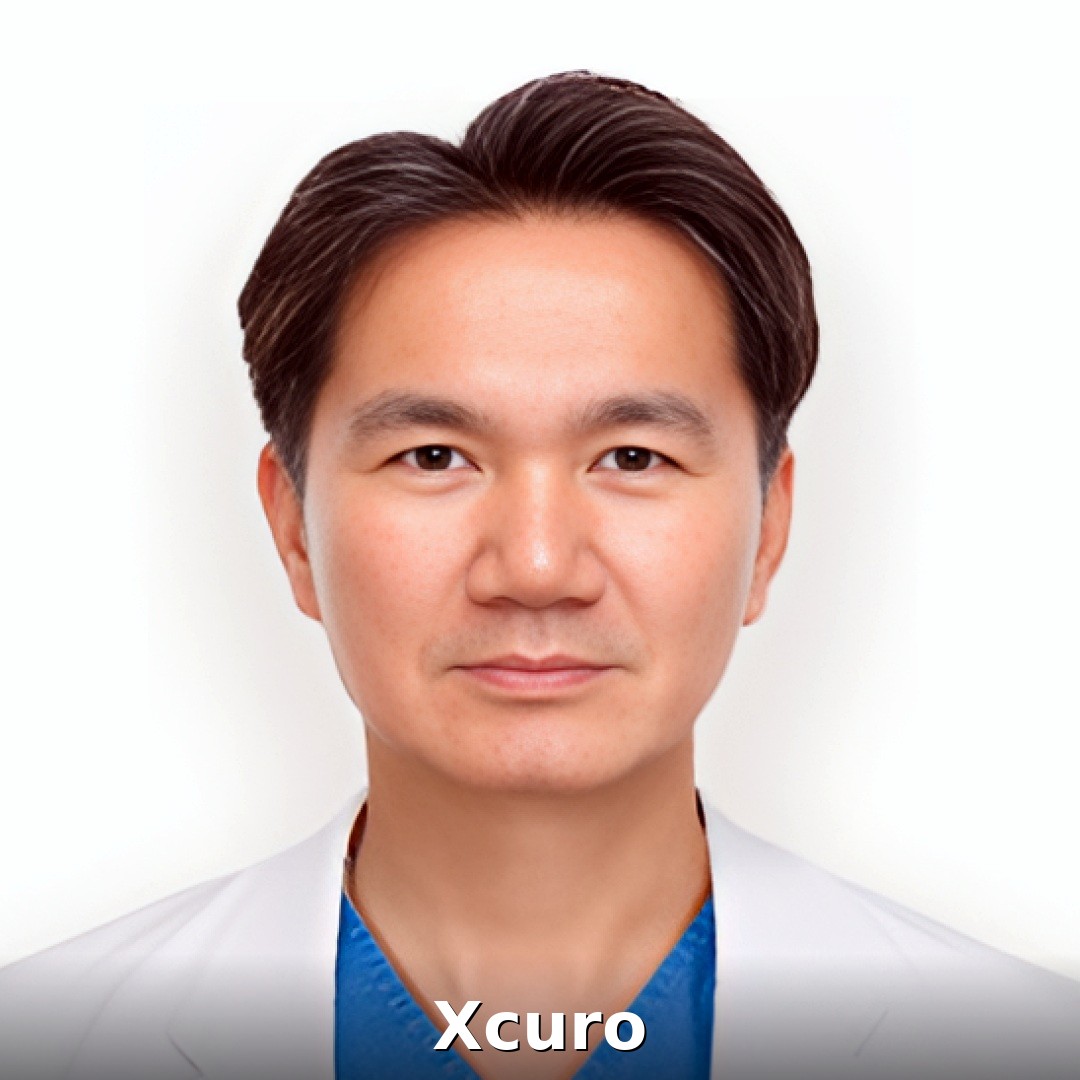
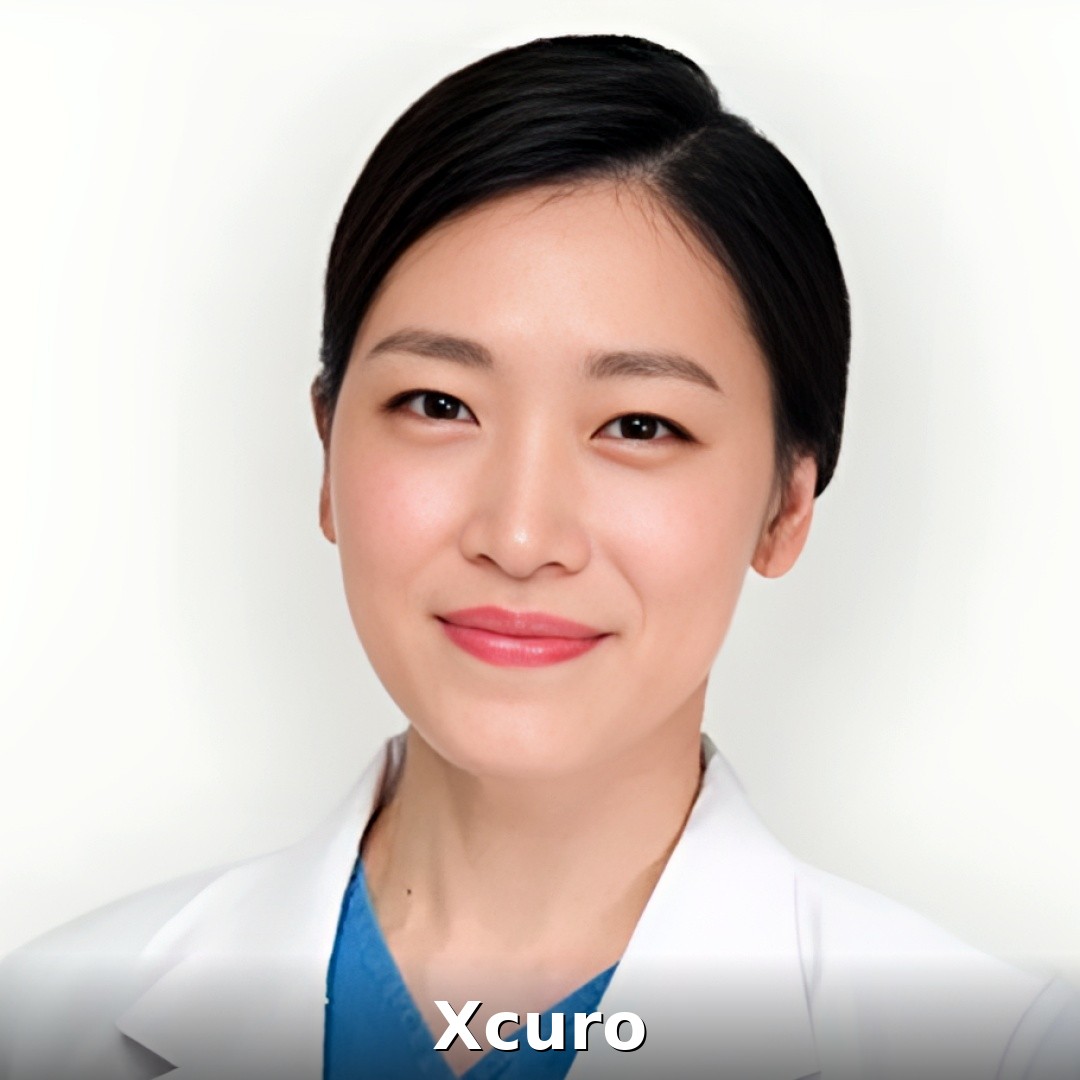
Plastic & Aesthetic Surgery surgeons in South Korea



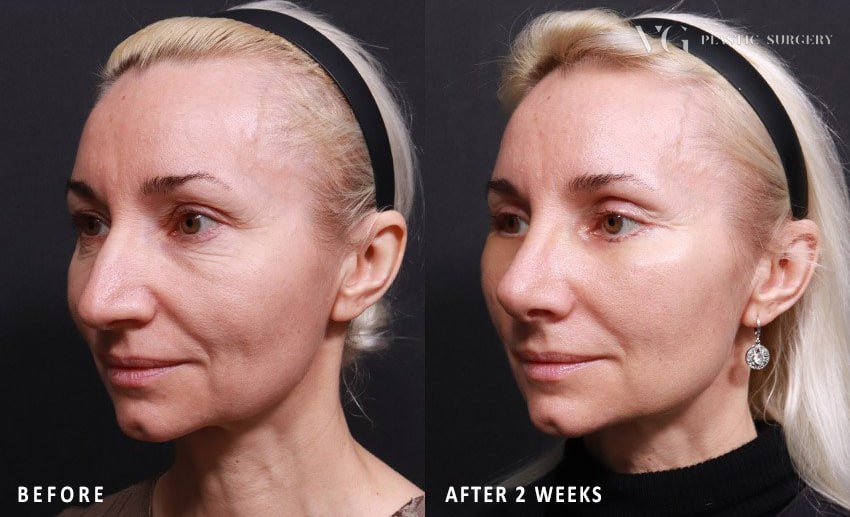
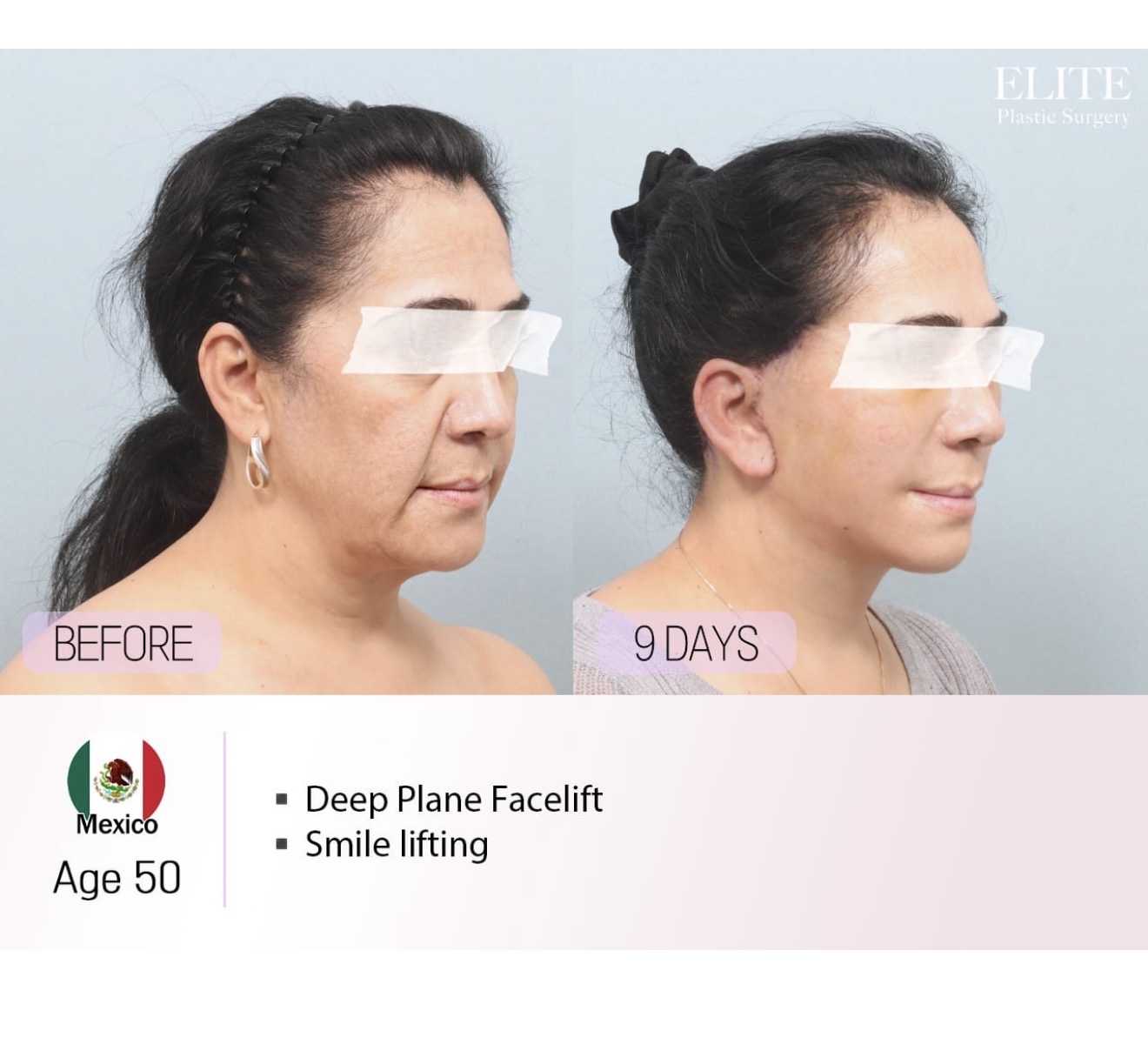
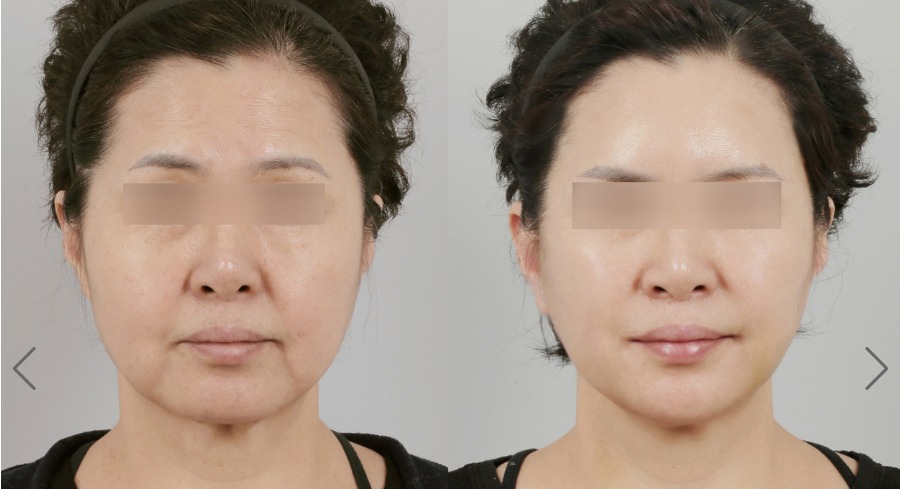
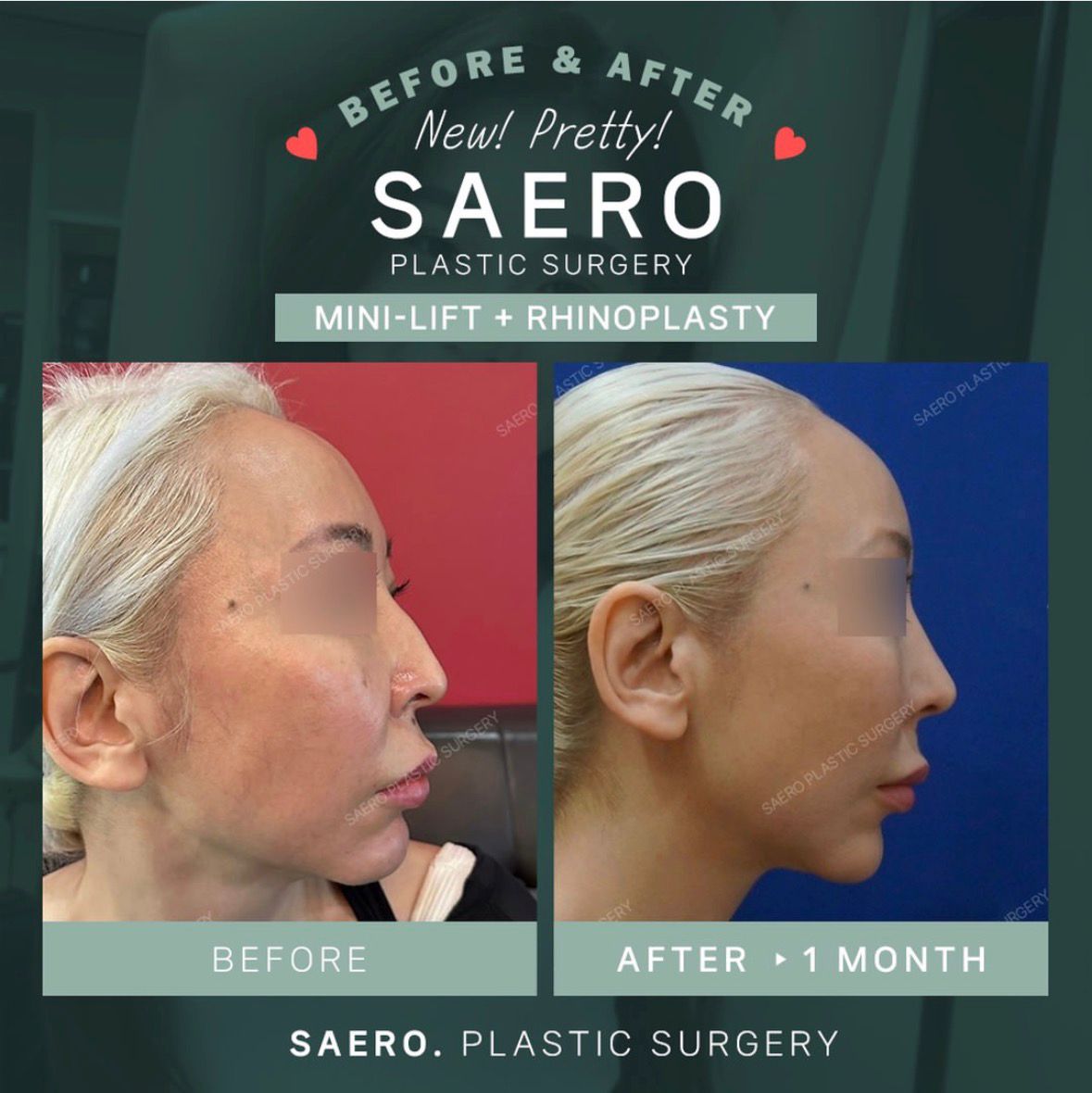
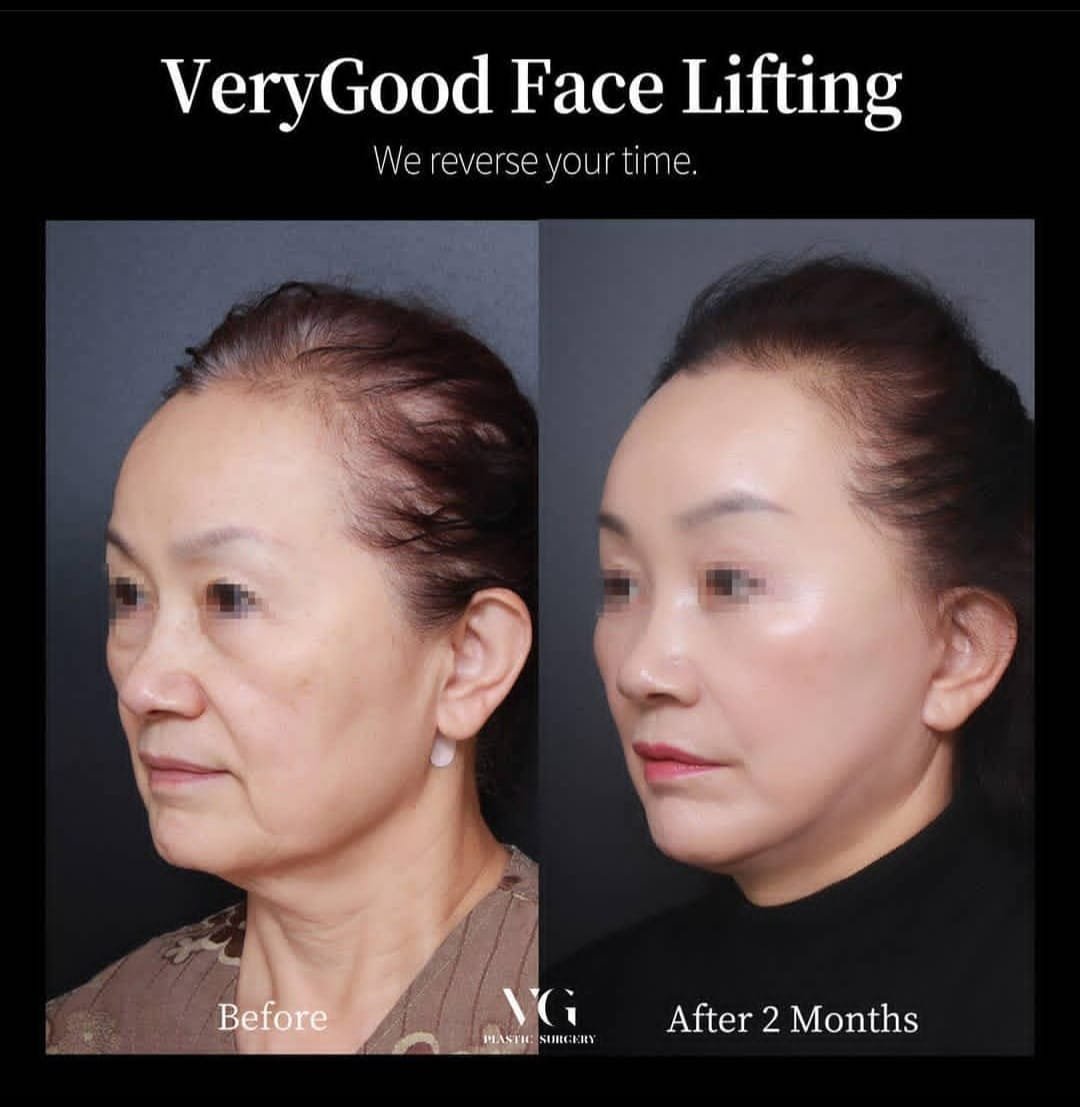
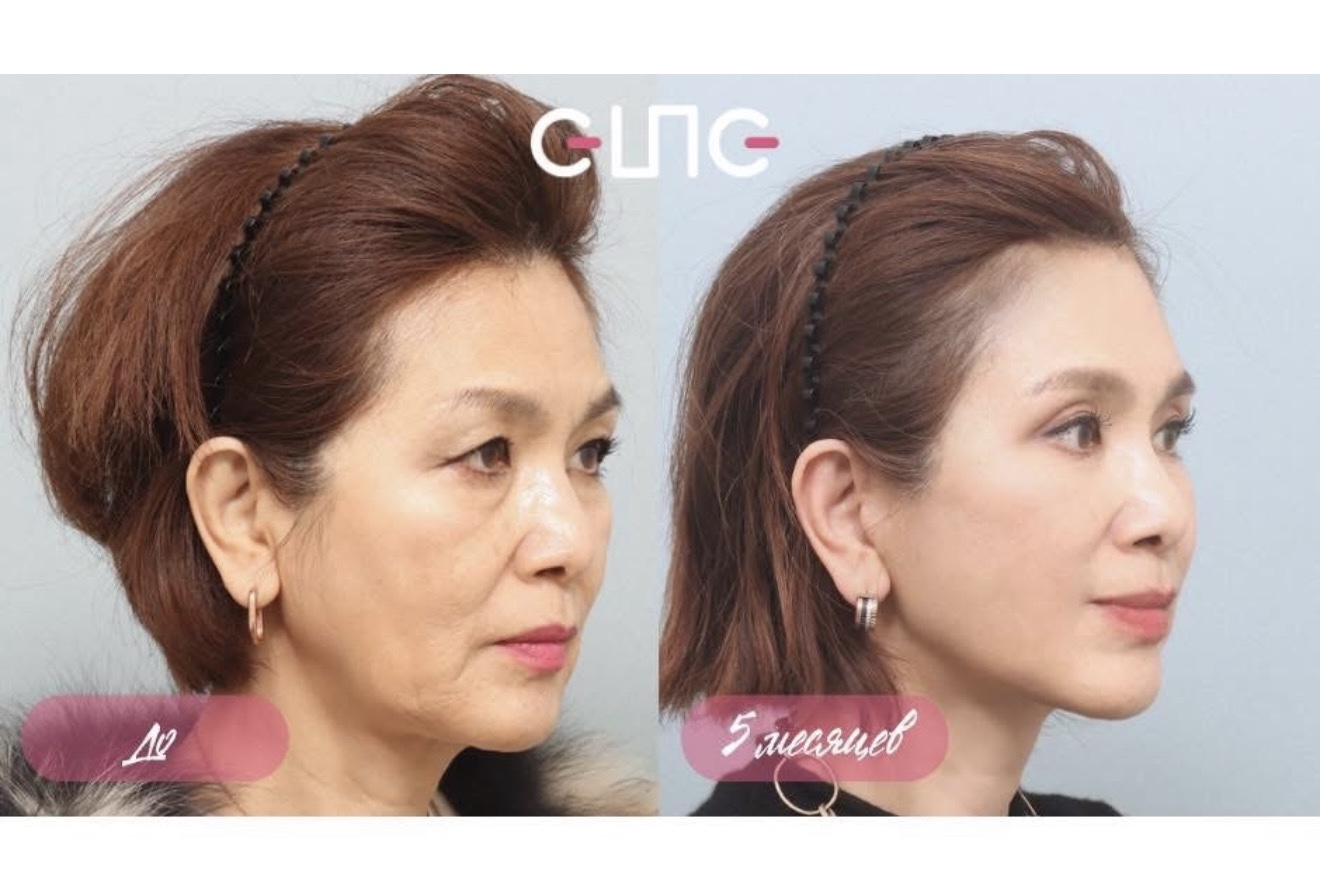
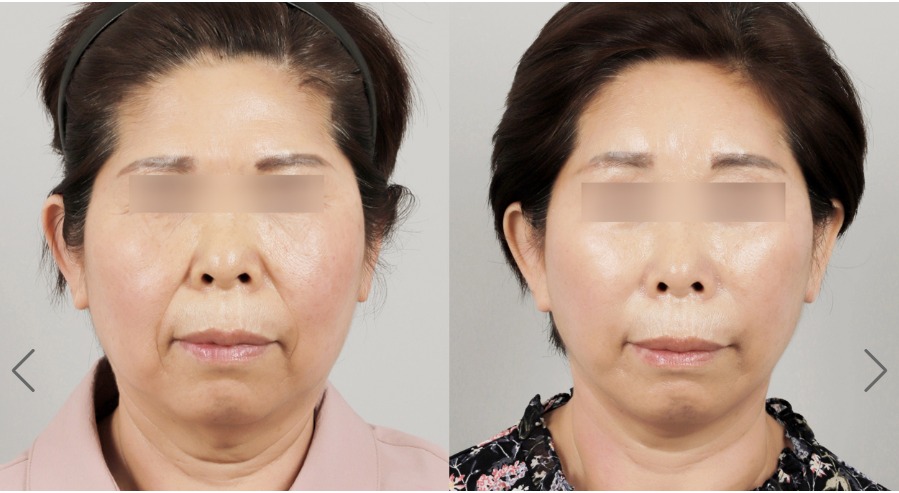
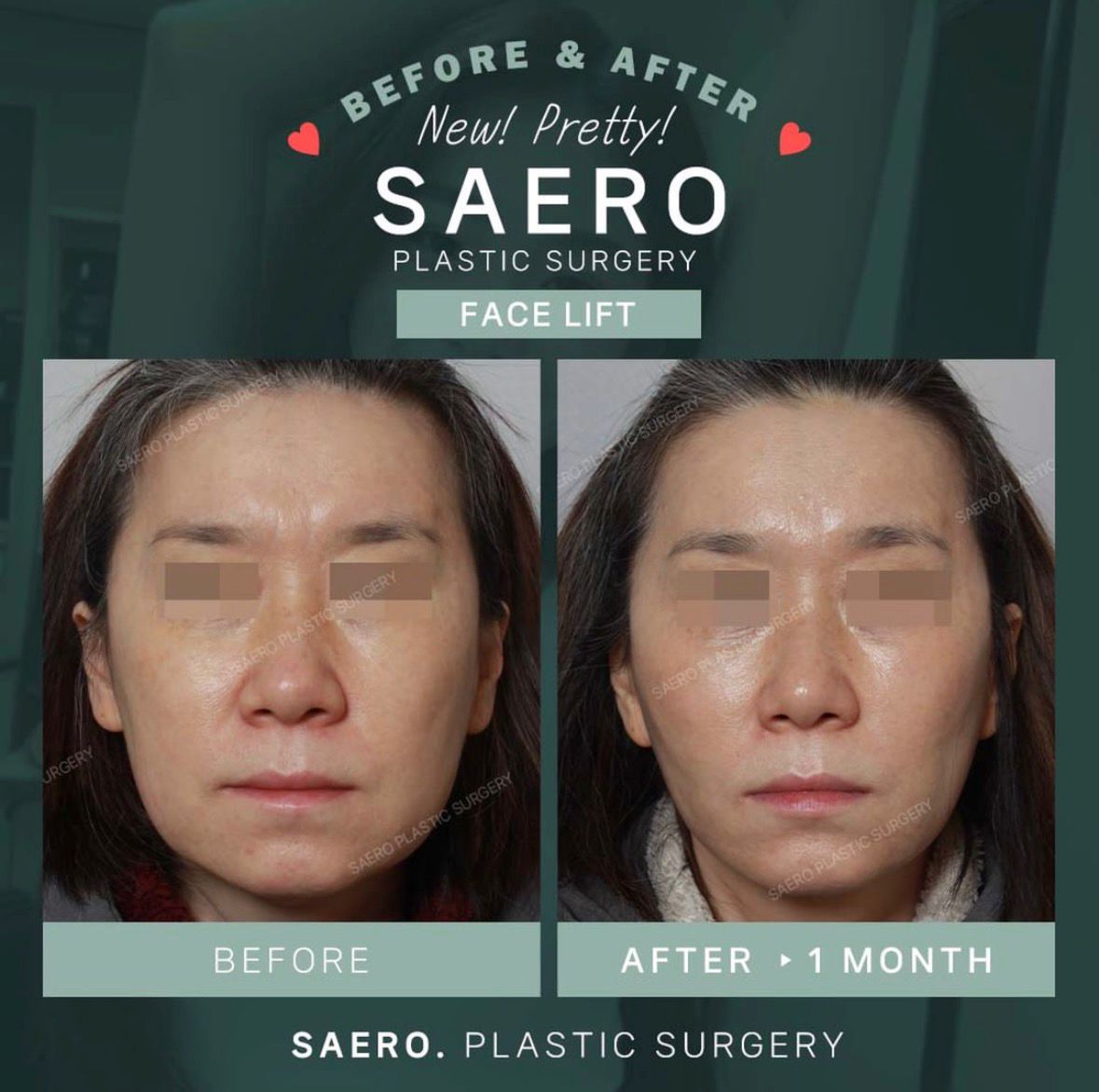
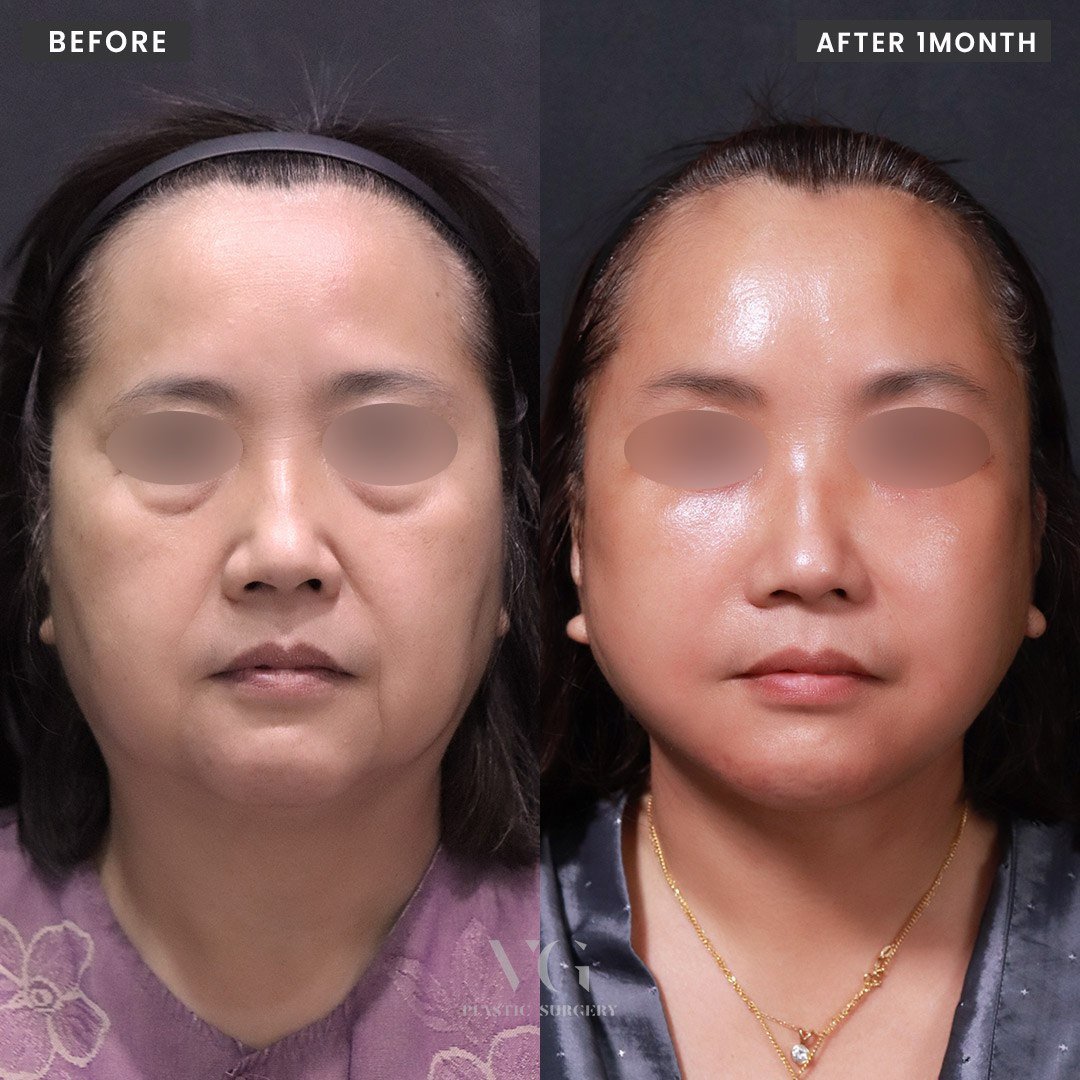
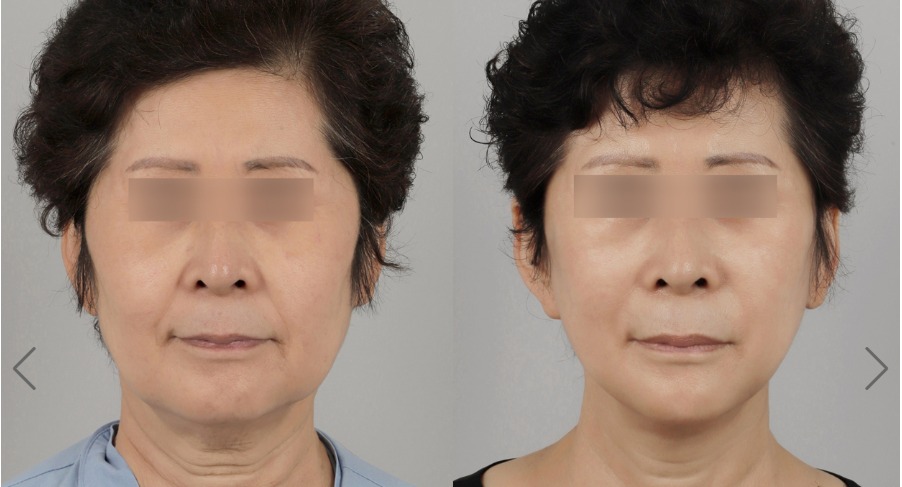
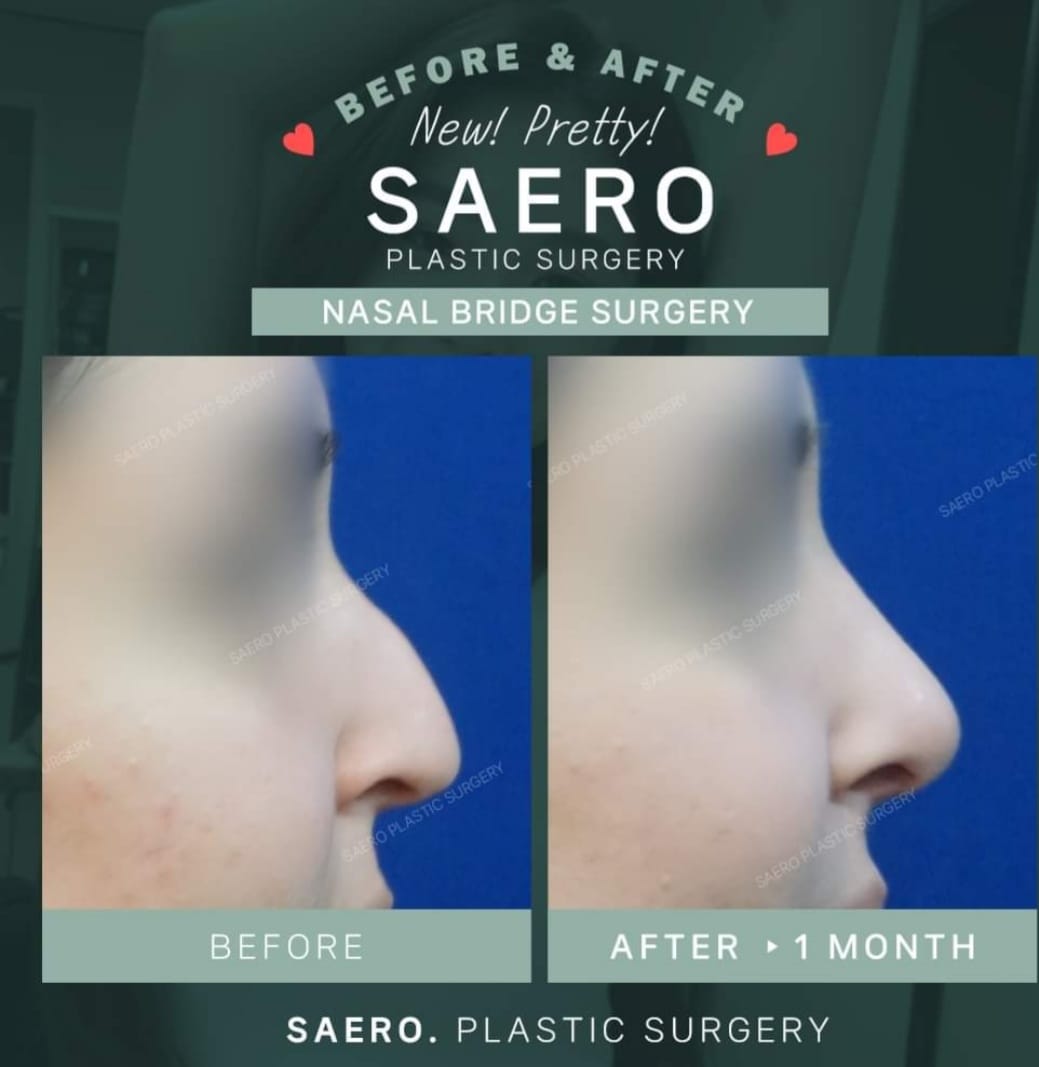
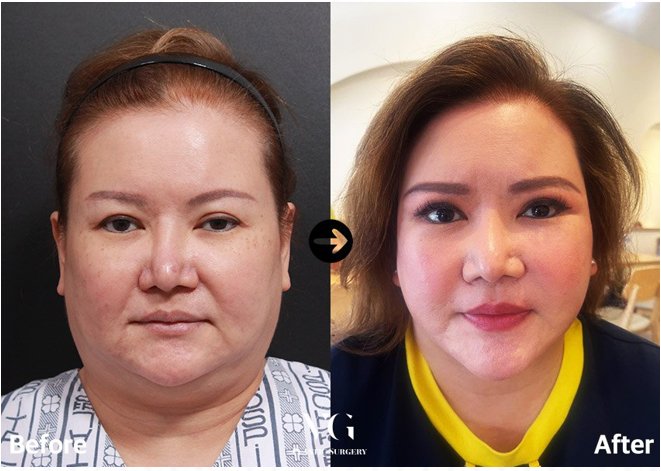
Before & after: plastic & aesthetic surgery in South Korea
Results from surgeons we work with. Individual results vary.
Frequently asked questions
How much does plastic surgery cost in Korea?
At the Korean clinics we work with: eyelid surgery about $800 to $6,600, rhinoplasty about $1,200 to $10,300, face contouring about $2,200 to $10,000, breast augmentation about $3,200 to $15,400 and liposuction about $1,000 to $20,800. Ranges are wide, so ask exactly what each quote includes.
Is Korean plastic surgery safe?
It can be, with a board-certified plastic surgeon. Since September 2023 Korean law lets you ask for your surgery to be recorded on CCTV, which helps protect against ghost surgery. The U.S. State Department rates South Korea Level 1, Exercise Normal Precautions.
What is ghost surgery?
Surgery performed by someone other than the surgeon you agreed to while you are under anesthesia. Ask for your operation to be recorded and confirm the operating surgeon in writing.
What is Korean plastic surgery best known for?
Facial procedures: double eyelid surgery, rhinoplasty and face contouring of the jaw and cheekbones.
Do Americans need a visa for Korea?
No visa for short visits. U.S. passport holders do not need a K-ETA through December 31, 2026, but must complete an electronic arrival card; check the official portal before booking.
How long should I stay in Korea after plastic surgery?
Usually one to two weeks, depending on the procedure. The flight home is about 13 to 15 hours.
Getting to South Korea from the U.S.
Visa. U.S. passport holders do not need a K-ETA through 31 December 2026; an electronic Arrival Card is required instead. From 1 January 2027 the K-ETA requirement returns, so check the official portal before you book.Official source.
Flights. Nonstop service to Seoul from Los Angeles, San Francisco, Seattle, Dallas, Chicago, Atlanta, New York and Washington. West-coast flights run about 13 hours, east-coast about 14 to 15.
U.S. State Department advisory. Level 1 – Exercise Normal Precautions. The advisory notes that large demonstrations can occur with little notice.Read the advisory.
Before you travel: what the CDC recommends
- Check the qualifications of the clinician who will perform the procedure and the credentials of the facility.
- Make sure you can get follow-up care in the United States. Care for complications can be expensive and might not be covered by your health insurance.
- Obtain international travel health insurance that covers medical evacuation back to the United States.
- See your own healthcare provider 4–6 weeks before the trip to discuss risks specific to your health.
Sources
- Installation of closed-circuit televisions in operating rooms — Journal of Korean Medical Science (PMC)
- South Korea Travel Advisory — U.S. Department of State
- Korean Society of Plastic and Reconstructive Surgeons — KSPRS
- Medical Tourism — CDC Travelers’ Health
- Publication 502: Medical and Dental Expenses — IRS