Rhinoplasty in Korea: 2026 Nose Job Cost in Seoul and What U.S. Patients Should Know
A nose job costs about $1,200 to $10,300 at the seven Korean clinics we work with, against a U.S. average of $5,000 to $15,000. Below: each clinic's price and ratings, what Korean rhinoplasty involves, the CCTV law and your trip budget.
Flights and extra hotel nights are not included in either price. Final quotes depend on your case.
Rhinoplasty (Nose Job) clinics in South Korea: prices and independent ratings
Prices are each clinic's own quoted range in USD, as of October 2026. Ratings come from independent review platforms and link to the source.
| Clinic | Price | Independent ratings | |
|---|---|---|---|
| SAERO Plastic Surgery Seoul | $1,187 - $1,330 | ||
| Lienjang Seoul | From $2,200 | ||
| JK Plastic Surgery Seoul · ISO 9001, KAHF | $2,518 - $4,400 | ||
| VG Plastic Surgery Seoul | $3,500 - $6,800 | ||
| ID Plastic Surgery Seoul | From $4,500 | ||
| VIP Plastic Surgery Jeju | $6,023 - $10,324 | ||
| INIQUÉ Plastic Surgery Clinic Seoul | From $7,500 |
How clinics get listed: our methodology. Clinics do not pay for position on this page.
Total trip budget from the U.S.
Surgery at our partner clinics plus a round-trip economy flight. Hotel nights included in the clinic package are covered; extra nights, meals and travel insurance are not.
| Flying from | Surgery | Round-trip flight | Total | Same surgery at home |
|---|---|---|---|---|
| New York nonstop ≈ 15h 40m | $1,187 - $10,324 | $1,043 – $1,620 | $2,230 – $11,944 | $5,000 - $15,000 |
| Los Angeles nonstop ≈ 13h 20m | $1,187 - $10,324 | $896 – $1,305 | $2,083 – $11,629 | $5,000 - $15,000 |
Flights: Kayak, typical round-trip economy fares to Seoul Incheon over the past 12 months, checked October 1, 2026 · source. Home prices: Cherry, 2026 — surgeon, facility and anesthesia.
Rhinoplasty (Nose Job) in South Korea: pros and cons for U.S. patients
- Lower starting prices than in the U.S.
- Strong expertise in augmentation rhinoplasty.
- CCTV law: you can ask for your surgery to be recorded.
- State Department Level 1, the lowest advisory level.
- The widest price range of any country we cover; quotes are hard to compare.
- A 13–16 hour flight home.
- Some cosmetic clinics are run by doctors who are not plastic surgeons.
- Follow-up care happens at home, and complications may not be covered by U.S. insurance (CDC).
How much does a nose job in Korea cost?
The seven clinics we work with in Korea, six in Seoul and one in Jeju, quote between $1,187 and $10,324. In the U.S., the average is $5,000 to $15,000, depending on the surgeon, facility fees and anesthesia (Cherry, 2026). The low end of the Korean range usually reflects smaller procedures, such as tip work only, so ask exactly what each quote covers.
What Korean rhinoplasty usually involves
Korean surgeons are known for augmentation rhinoplasty: adding height to the bridge and refining the tip, often with a silicone or Gore-Tex implant on the bridge and cartilage grafts from the septum or ear for the tip. Ask which materials the surgeon plans to use and why, and how revisions are handled.
Cartilage: septum, ear or rib
Cartilage for shaping the tip comes from your own septum first, then from the ear. When more support is needed, for example in revision surgery or for thick skin, surgeons use rib cartilage, which leaves a small scar on the chest. Many Asian noses have thicker skin and less septal cartilage, which is one reason Korean surgeons use implants and rib cartilage more often than U.S. surgeons.
Revision rhinoplasty and breathing
Revision rhinoplasty corrects an earlier nose job and is more complex and more expensive. If you have breathing difficulties, tell the surgeon: a deviated septum can be corrected in the same operation.
Protect yourself: the CCTV law
Since September 25, 2023, Korean clinics that operate on unconscious patients must have cameras in their operating rooms, and you can ask for your own surgery to be recorded. A clinic can refuse only for narrow reasons, in writing, and footage is kept for at least 30 days. Ask for the recording, confirm the operating surgeon in writing, and check that the surgeon is a board-certified plastic surgeon and a member of the Korean Society of Plastic and Reconstructive Surgeons.
How long to stay
Plan on 7 to 10 days. The splint and stitches usually come off after about a week. The flight home takes about 13 hours to Los Angeles and over 15 to New York; U.S. passport holders need no K-ETA through December 31, 2026.
Insurance and taxes
Cosmetic surgery is not covered by U.S. health insurance, and the IRS does not treat it as a medical expense (IRS Publication 502). The CDC warns that treating complications after surgery abroad can be expensive and may not be covered by your U.S. plan.
Rhinoplasty (Nose Job) doctors in South Korea


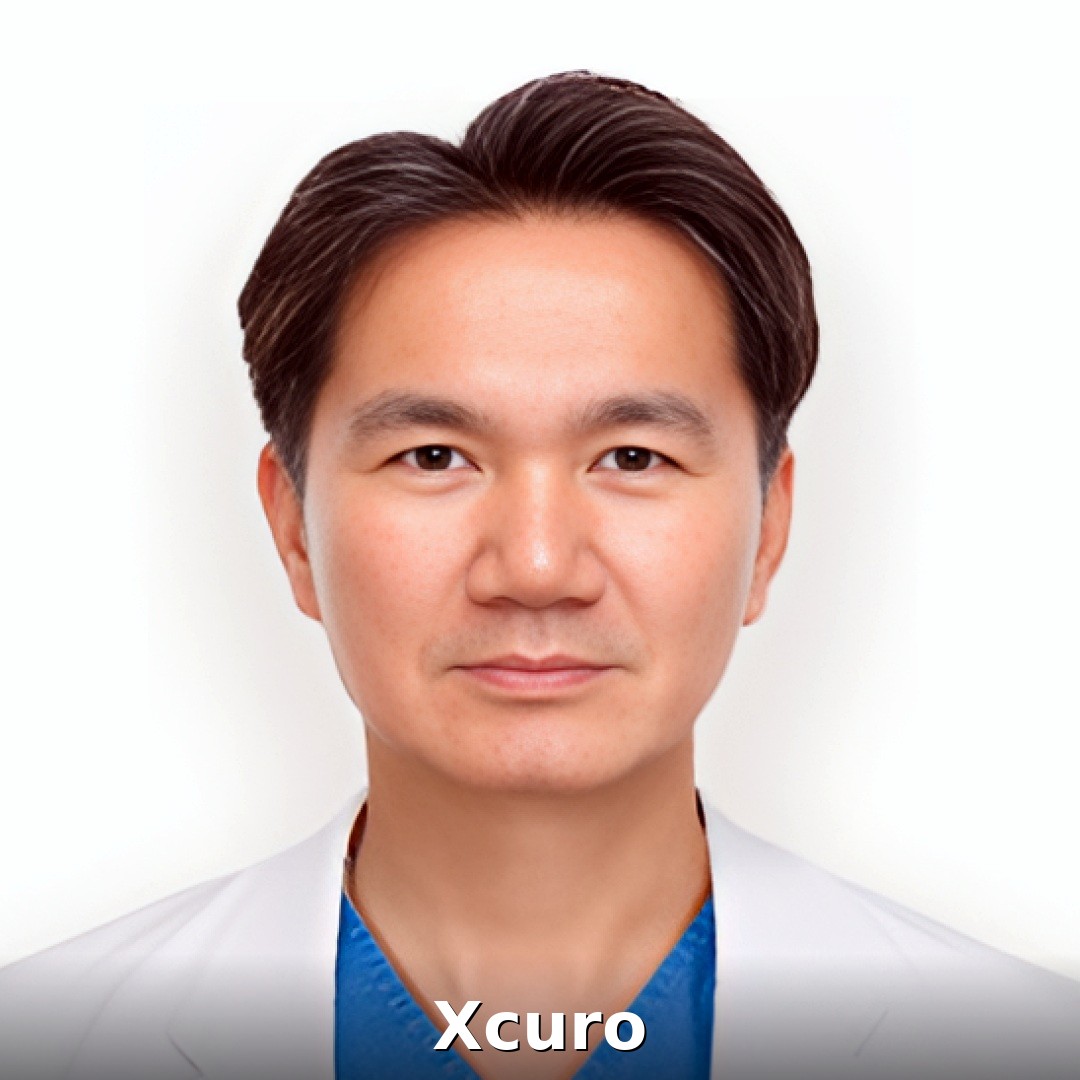

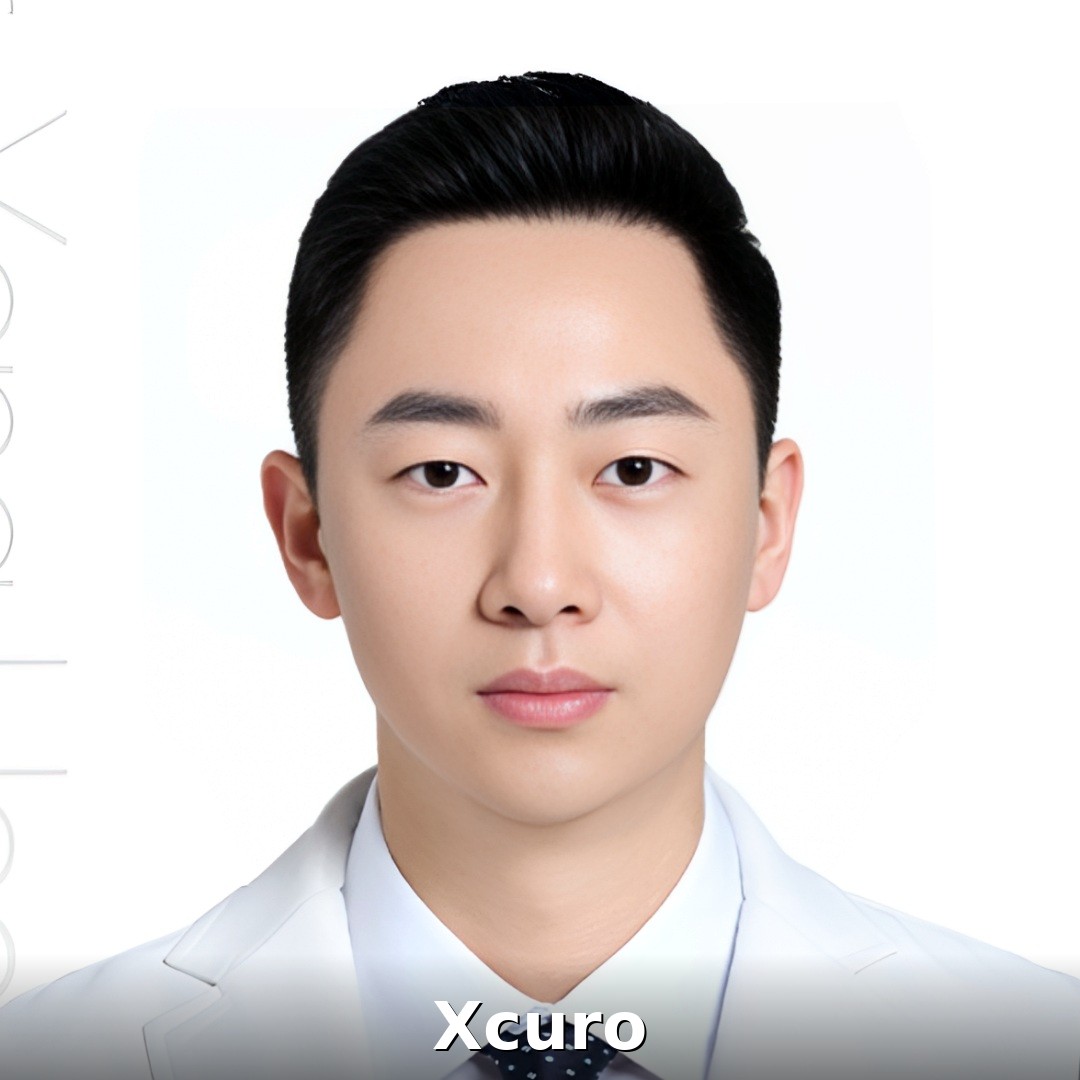
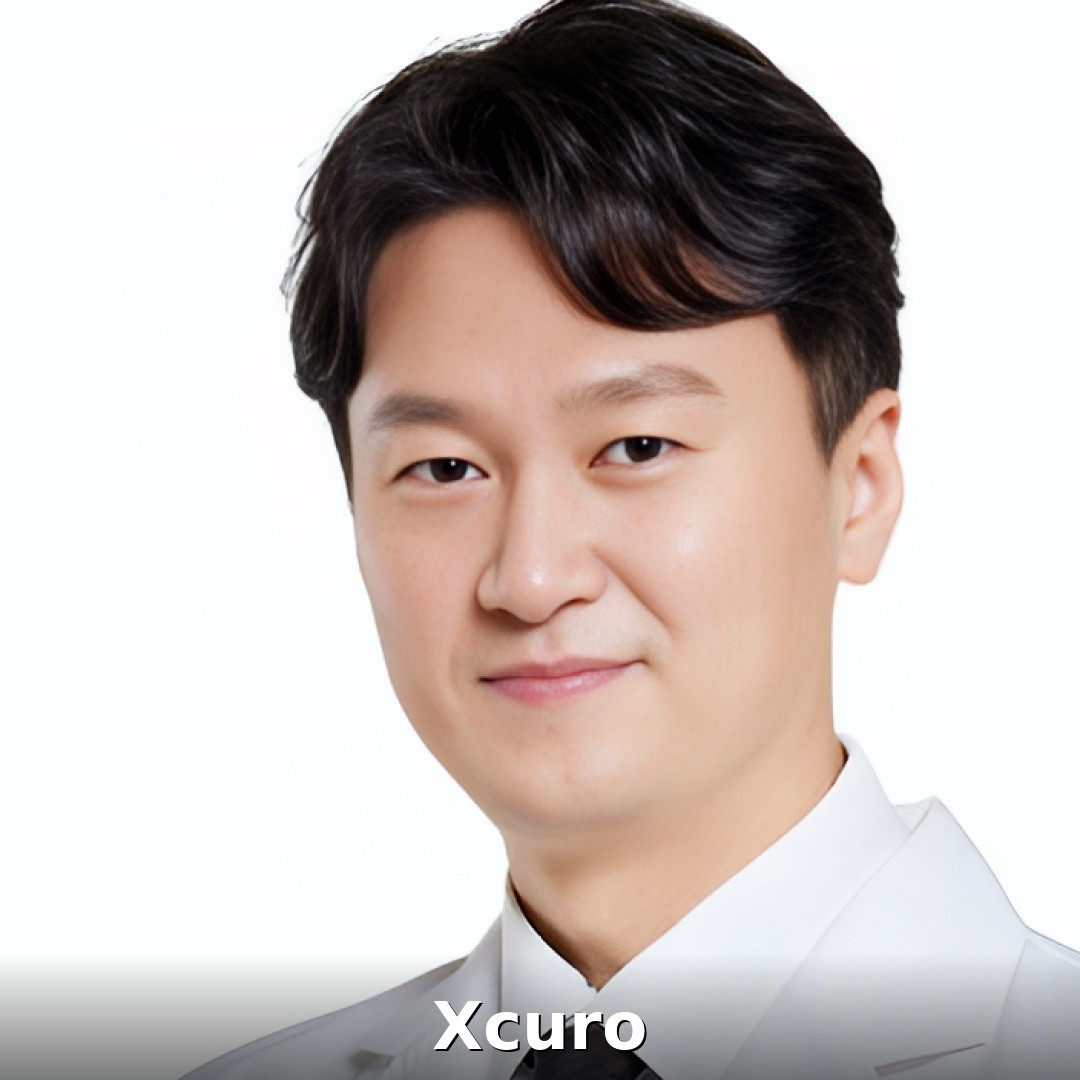
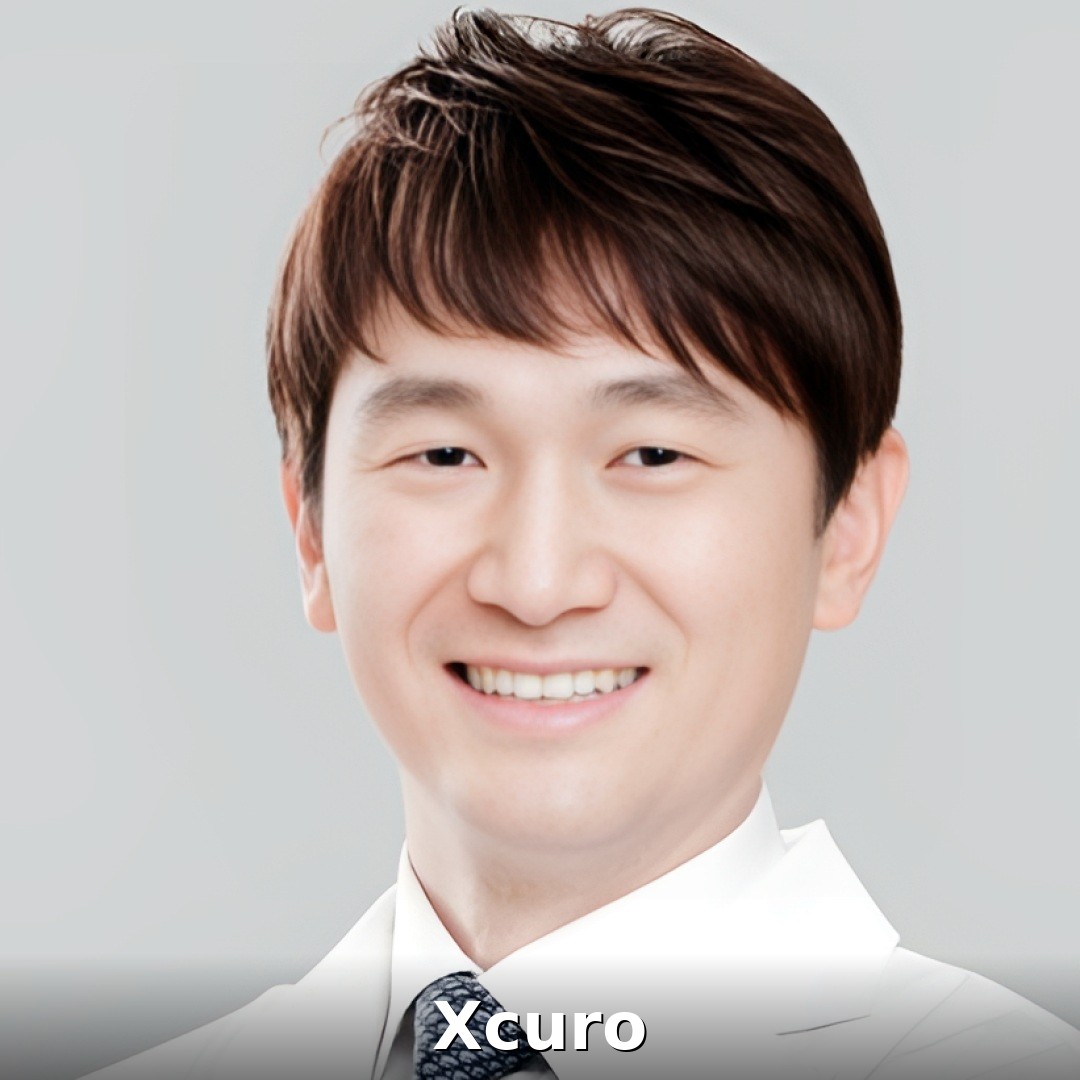
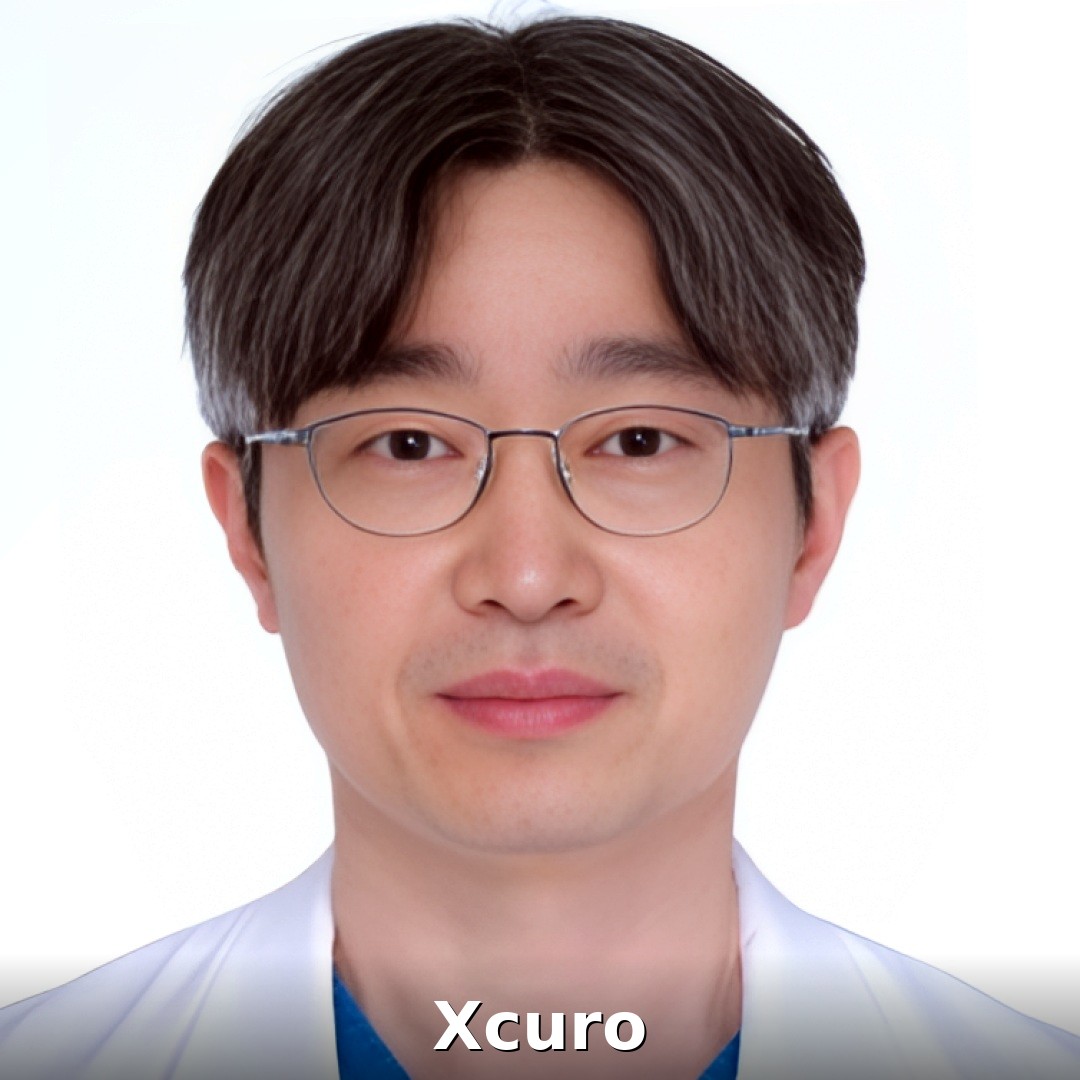
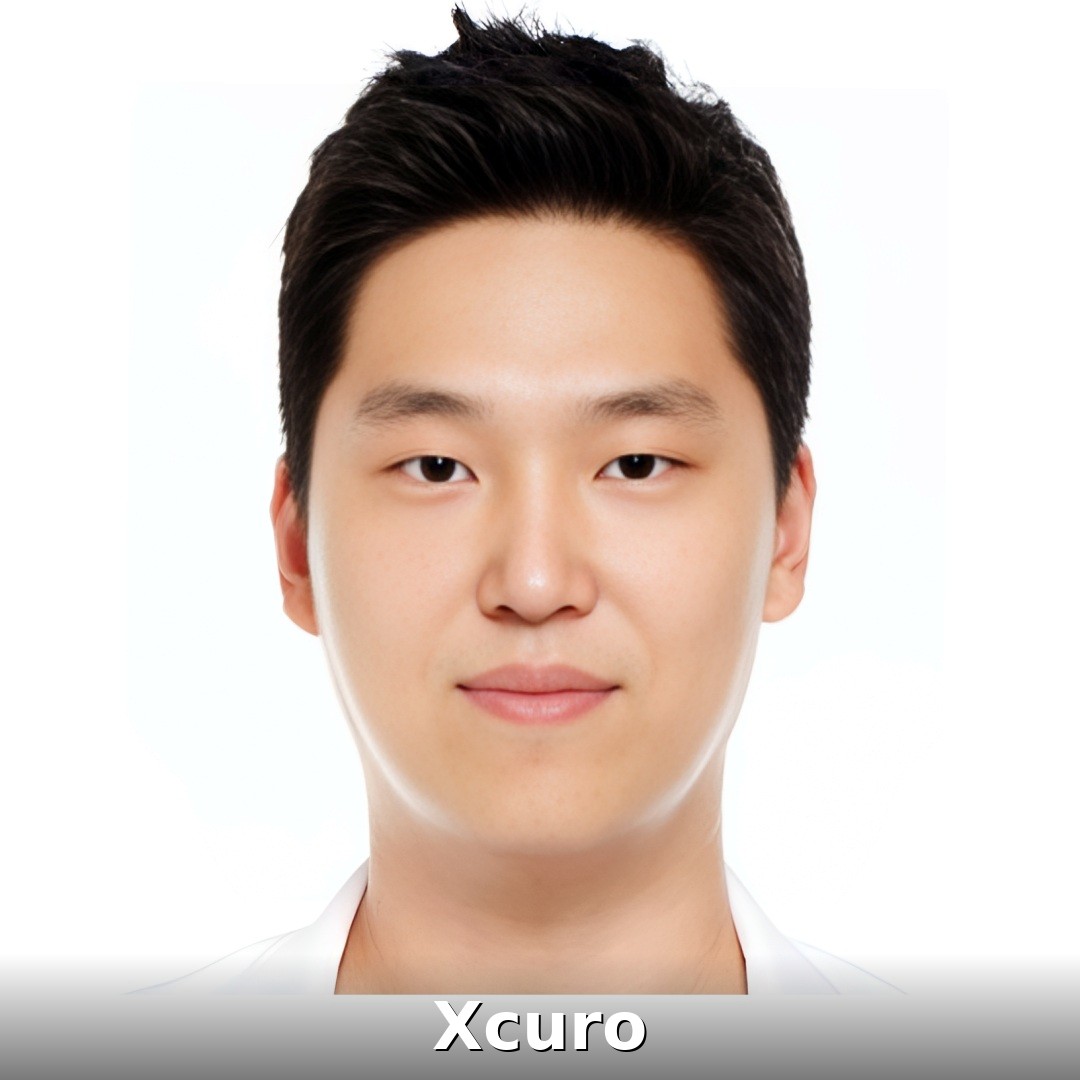




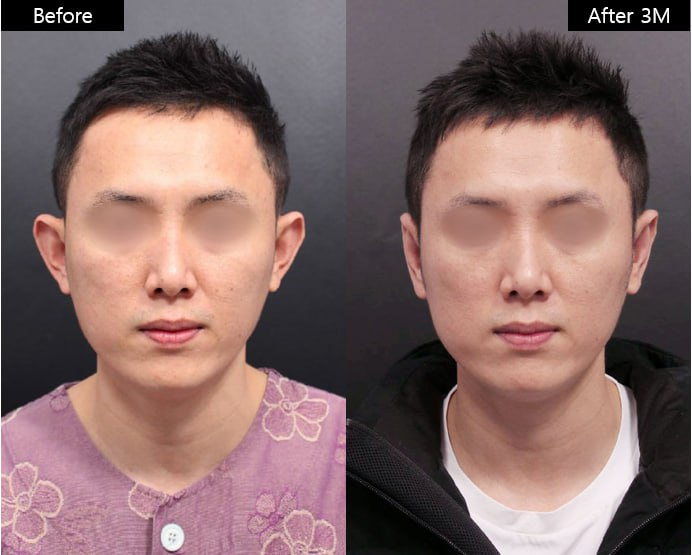
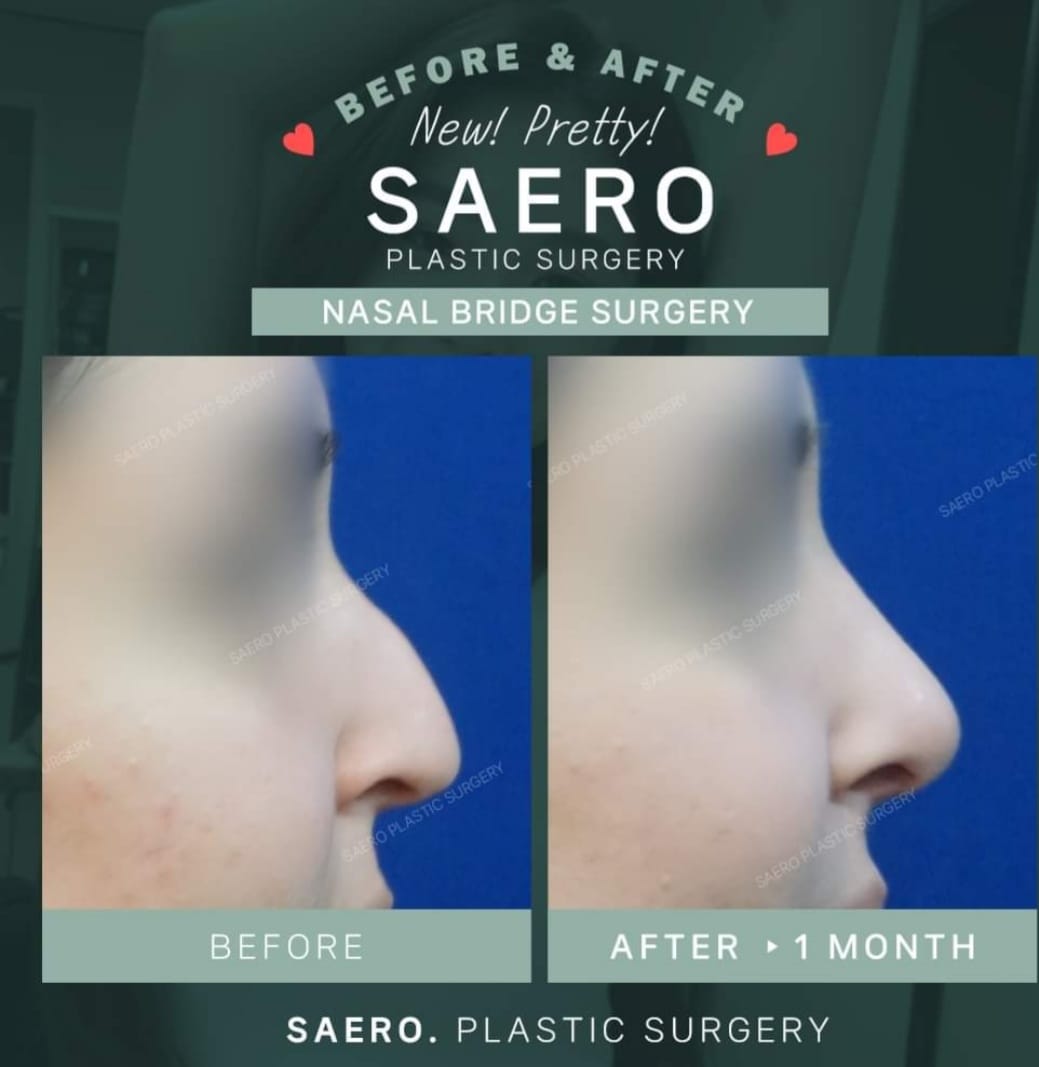
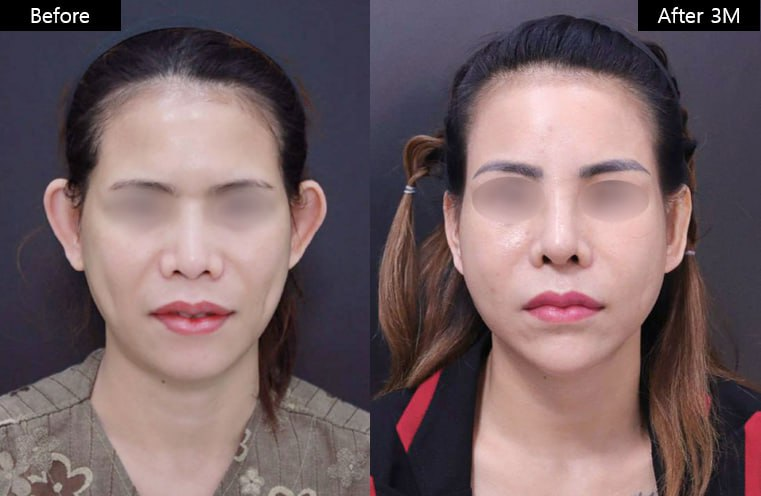
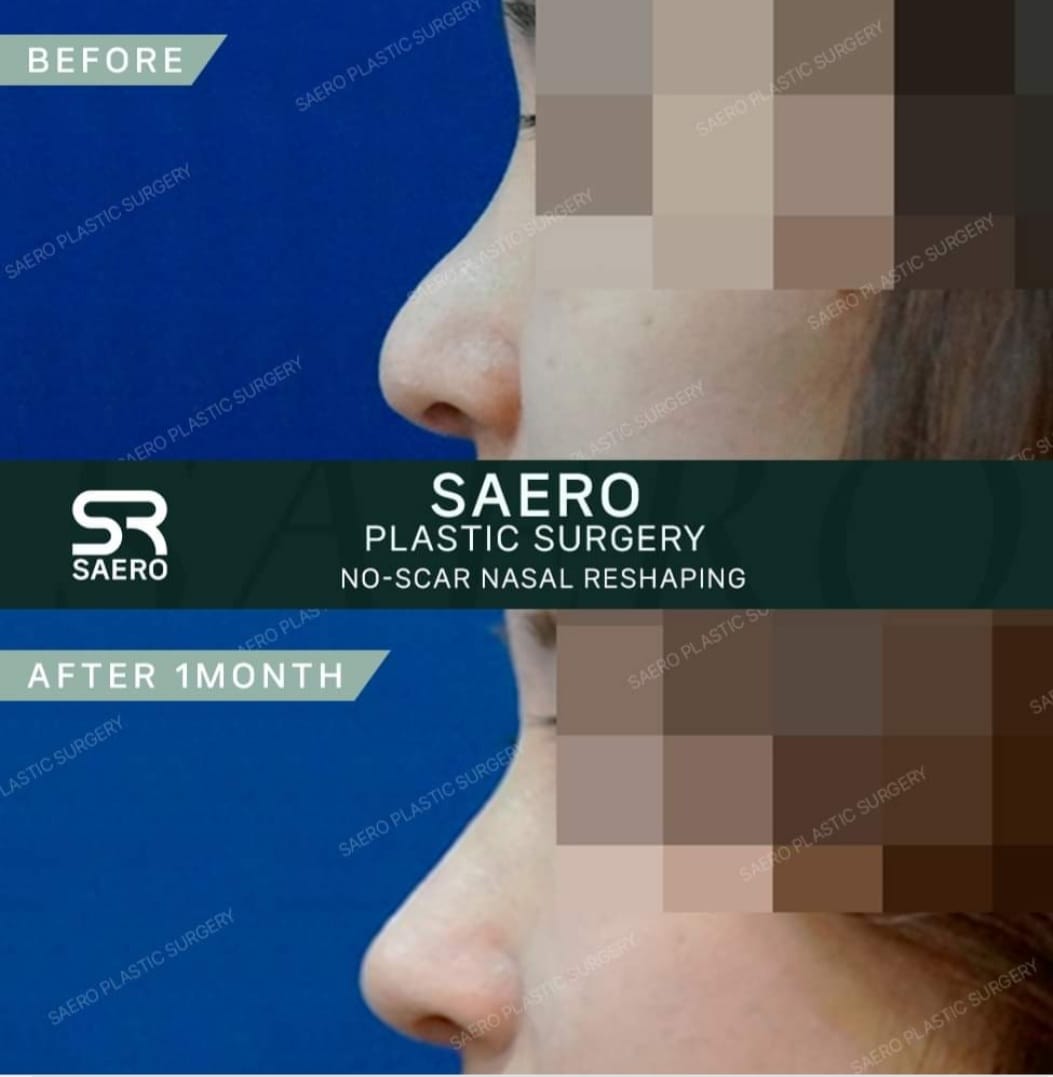
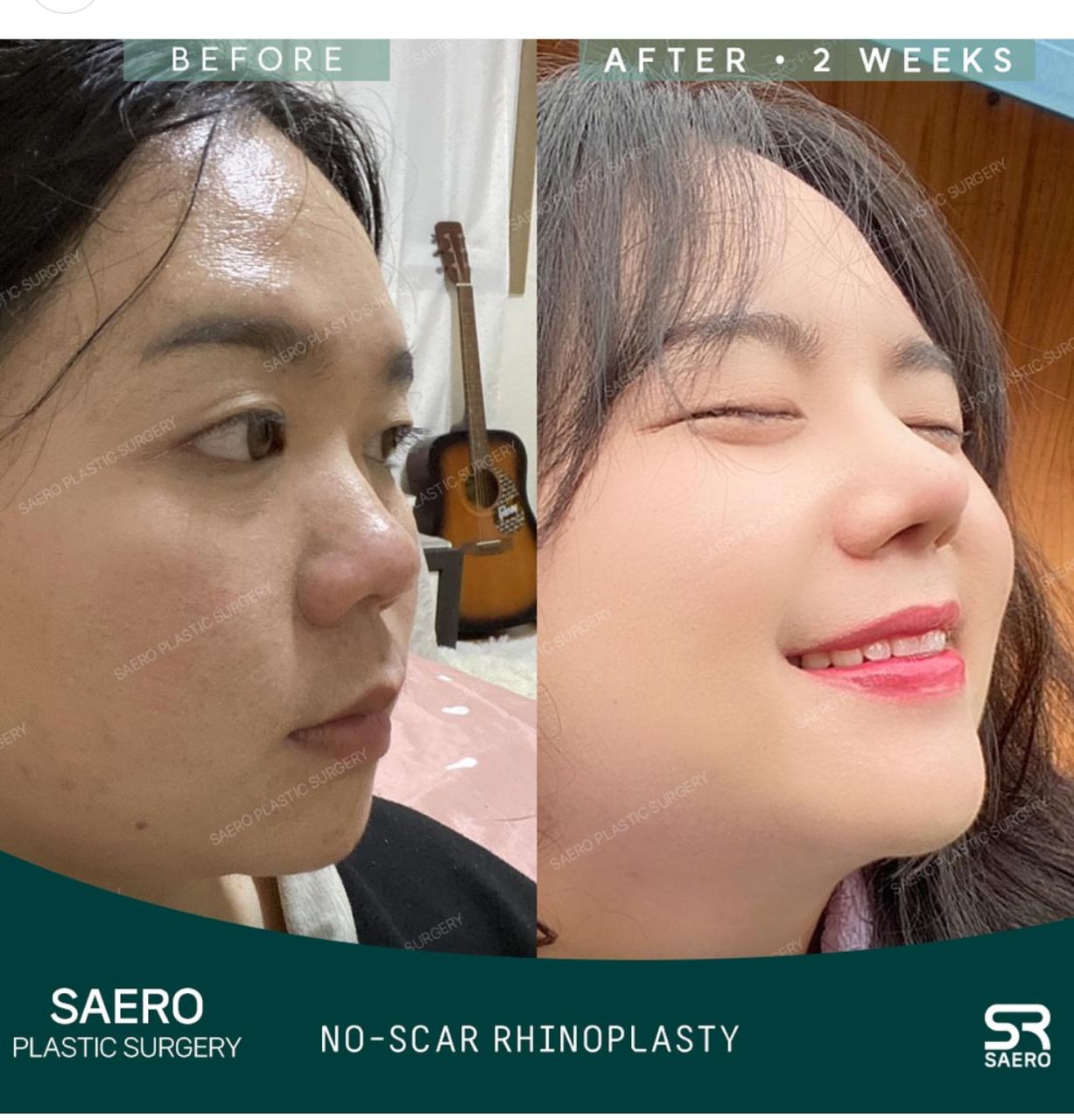
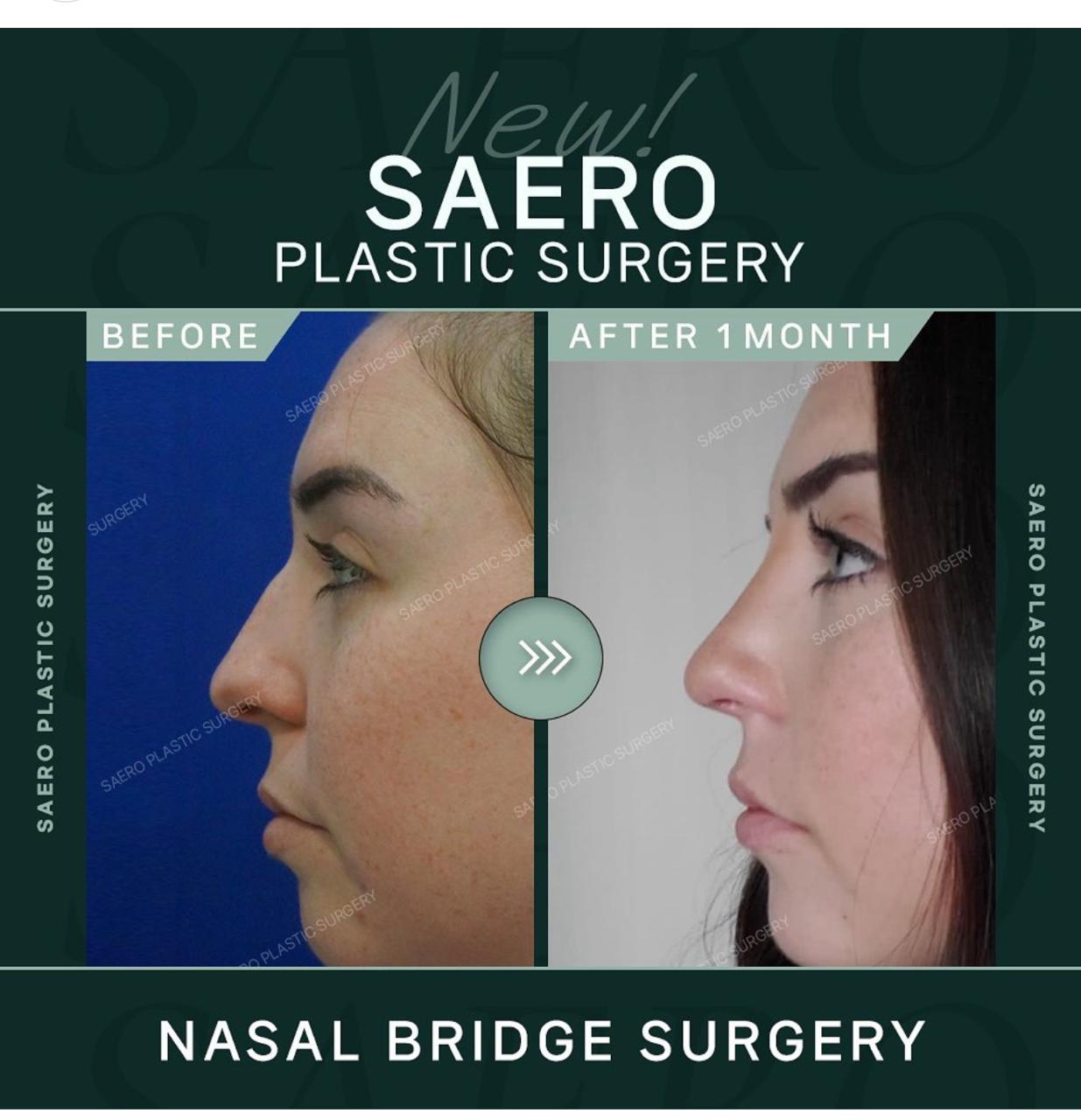
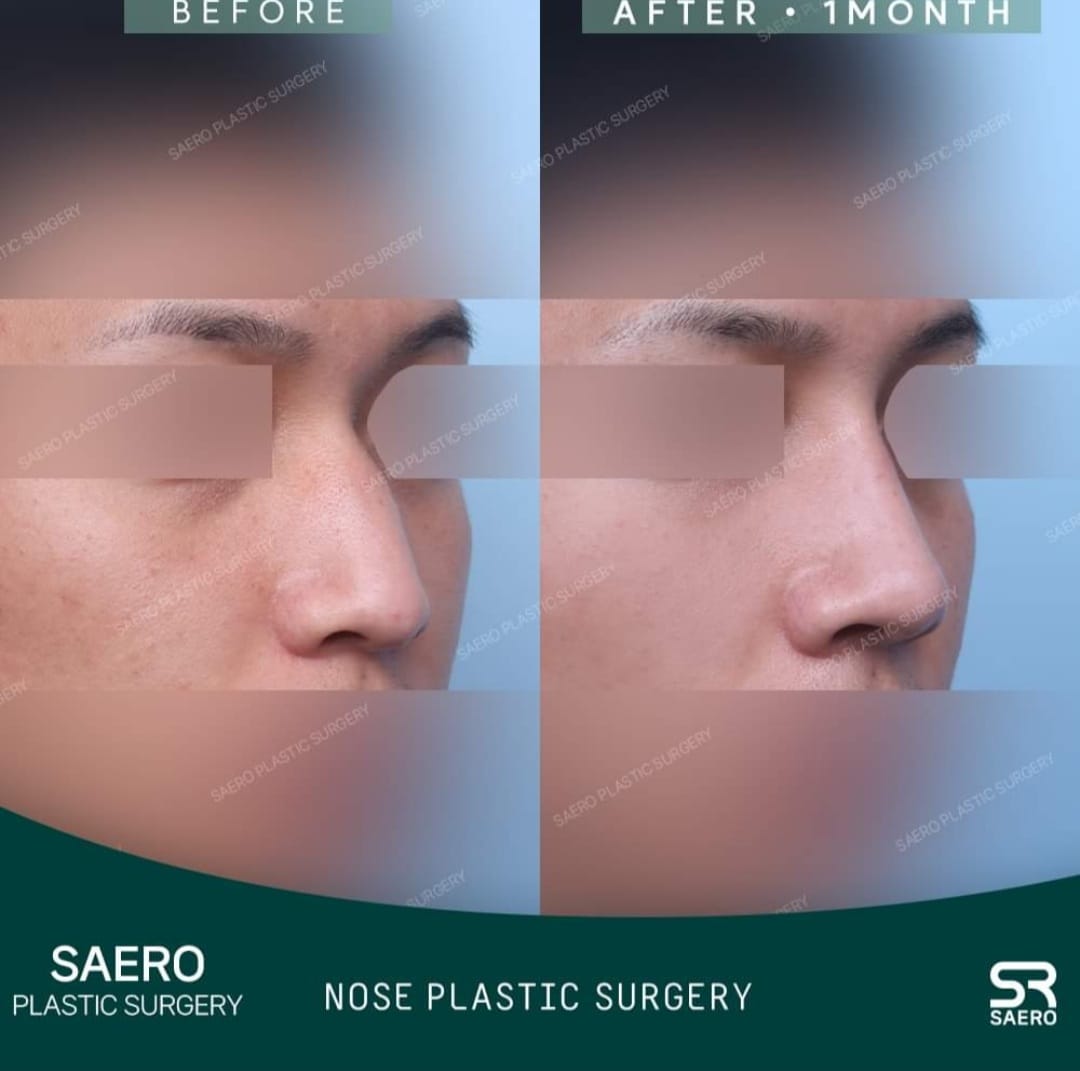
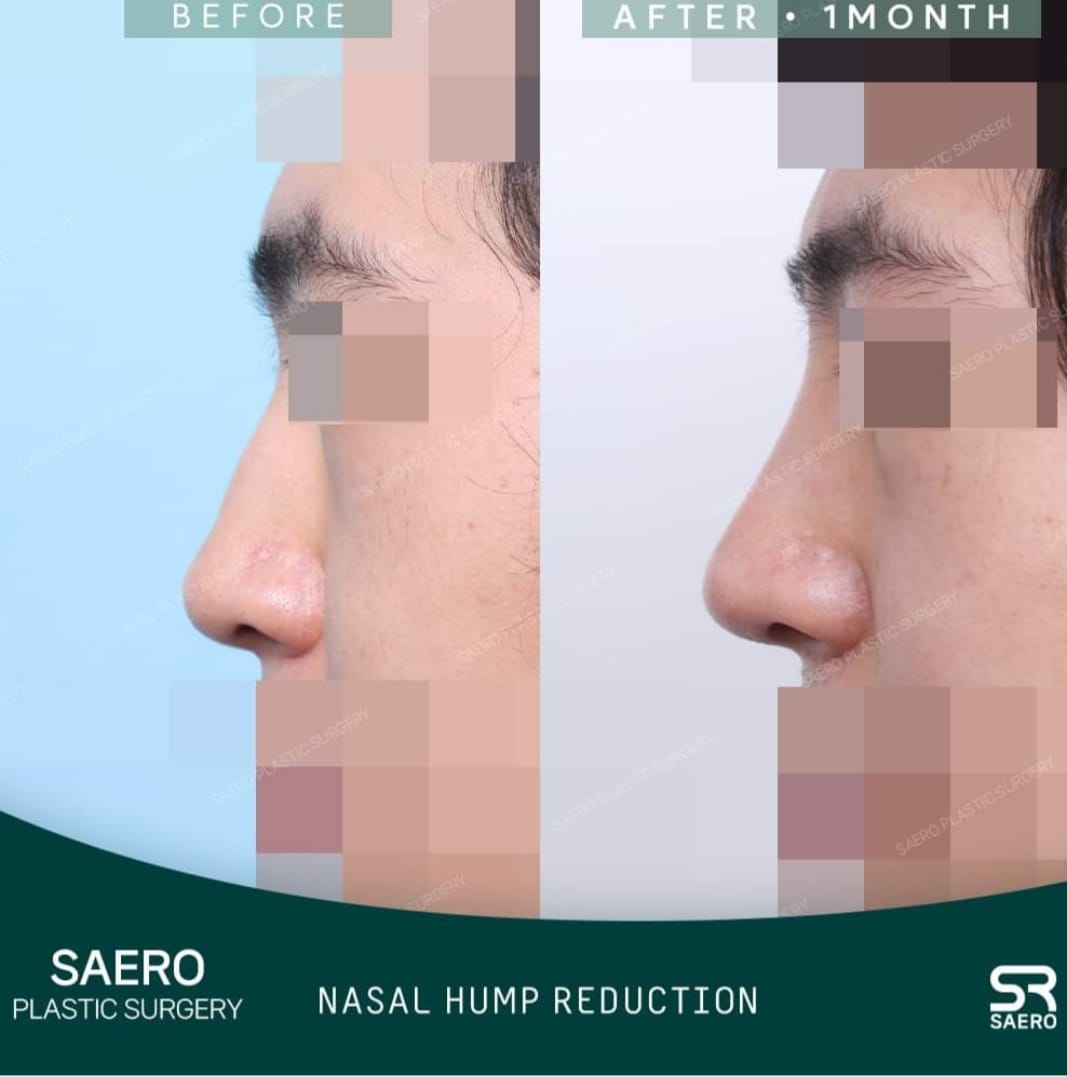
Rhinoplasty (Nose Job) before & after: surgeons in South Korea
Results from surgeons we work with. Individual results vary; ask your surgeon for results in patients similar to you.
Frequently asked questions
How much is a nose job in Korea?
At the seven Korean clinics we list, about $1,200 to $10,300, depending on what is done. In the U.S., the average is $5,000 to $15,000 (Cherry, 2026).
Is rhinoplasty in Korea safe?
It can be, with a board-certified plastic surgeon. Ask for your surgery to be recorded under Korea's CCTV law and confirm who will operate. The State Department rates South Korea Level 1.
How long should I stay in Korea after a nose job?
About 7 to 10 days; the splint usually comes off after a week.
Do Korean surgeons use implants in rhinoplasty?
Often, for adding height to the bridge, combined with cartilage grafts for the tip. Ask which materials your surgeon recommends and why.
Do Korean surgeons use rib cartilage?
Yes, when more support is needed, for example in revision rhinoplasty. Cartilage from the septum or ear is used first.
Do Americans need a visa for Korea?
No visa for short visits, and no K-ETA through December 31, 2026; an electronic arrival card is required.
Getting to South Korea from the U.S.
Visa. U.S. passport holders do not need a K-ETA through 31 December 2026; an electronic Arrival Card is required instead. From 1 January 2027 the K-ETA requirement returns, so check the official portal before you book.Official source.
Flights and time zone. Nonstop service to Seoul from Los Angeles, San Francisco, Seattle, Dallas, Chicago, Atlanta, New York and Washington. West-coast flights run about 13 hours, east-coast about 14 to 15.
U.S. State Department advisory. Level 1 – Exercise Normal Precautions. The advisory notes that large demonstrations can occur with little notice.Read the advisory.
Before you travel: what the CDC recommends
The U.S. Centers for Disease Control and Prevention publishes guidance for Americans travelling abroad for medical care. These are its recommendations, not ours.
- Check the qualifications of the clinician who will perform the procedure and the credentials of the facility.
- Bring copies of your medical records, including lab and other test results related to your condition.
- Make sure you can get follow-up care in the United States. Care for complications can be expensive and might not be covered by your health insurance.
- Obtain international travel health insurance that covers medical evacuation back to the United States.
- See your own healthcare provider 4–6 weeks before the trip to discuss risks specific to your health.
Sources
- Rhinoplasty cost and payment plans — Cherry, 2026
- Installation of closed-circuit televisions in operating rooms — PMC
- Typical fares New York – Seoul — Kayak
- Typical fares Los Angeles – Seoul — Kayak
- South Korea Travel Advisory — U.S. Department of State
- Medical Tourism — CDC Travelers’ Health
- Publication 502: Medical and Dental Expenses — IRS
More cost guides for U.S. patients
What the research shows about rhinoplasty outcomes and safety
13 peer-reviewed sourcesRhinoplasty is among the most studied facial procedures, with a growing body of systematic reviews and meta-analyses comparing surgical techniques, graft materials, and approaches. Evidence consistently shows high patient satisfaction and measurable gains in quality of life when surgery is well planned and matched to realistic expectations, while also documenting revision rates and the functional impact on breathing and smell. The studies below span aesthetic and functional outcomes, open versus closed techniques, preservation versus structural methods, and psychosocial considerations. Because the nose serves both appearance and airflow, the best results come from procedures that protect or improve nasal function as well as shape. Outcomes depend heavily on surgeon experience and individual anatomy, so these findings describe general trends rather than guaranteed results.
- Preservation rhinoplasty versus conventional structural reduction: a systematic review
- Piezoelectric Versus Conventional Rhinoplasty: A GRADE-assessed Systematic Review and Meta-Analysis
- Does Dorsal Preservation Rhinoplasty Preserve Nasal Airway Function? A Systematic Review
- Complications Associated With Polycaprolactone (PCL) Use in Septorhinoplasty: A Systematic Review
- Fresh Frozen vs Autologous Costal Cartilage in Rhinoplasty: A Meta-Analysis of Complications
Compiled from peer-reviewed medical literature indexed on PubMed. This overview is for general education and is not medical advice. · Last updated 2026-06-15