Hair Transplant in Turkey: 2026 Cost, Clinics and What to Check
A hair transplant in Turkey costs $1,500 to $4,500 at the Istanbul clinics we work with, often less than a third of what Americans pay at home. Below: each clinic's price and ratings, the cost in your U.S. city, your total trip budget, and the question to ask before you book.
Flights and extra hotel nights are not included in either price. Final quotes depend on your case.
Hair Transplant clinics in Turkey: prices and independent ratings
Prices are each clinic's own quoted range in USD, as of September 2026. Ratings come from independent review platforms and link to the source.
| Clinic | Price | Independent ratings | |
|---|---|---|---|
| Smile Hair Clinic Istanbul · Temos | $1,500 - $4,500 | ||
| Istanbul Aesthetic Center Istanbul · Health Tourism Cert., ISO 9001 | $1,860 - $1,969 | ||
| Madame Safiye Clinic Istanbul · Turkish Ministry of Health | $2,091 - $2,324 | not enough reviews yet | |
| Memorial Ataşehir Hospital Istanbul · Health Tourism Cert., JCI, ISO 9001 | $2,400 - $3,000 | ||
| Hisar Hospital Istanbul · JCI | From $4,000 |
How clinics get listed: our methodology. Clinics do not pay for position on this page.
Hair Transplant cost in U.S. cities vs Turkey
Average U.S. price by metro area, next to the range at our partner clinics in Turkey ($1,500 - $4,500).
| Where you live | Average U.S. price | Difference in Turkey |
|---|---|---|
| Los Angeles, CA | $15,000 | $10,500 – $13,500 less |
| Seattle, WA | $12,250 | $7,750 – $10,750 less |
| Denver, CO | $11,874 | $7,374 – $10,374 less |
| Chicago, IL | $10,000 | $5,500 – $8,500 less |
| Houston, TX | $9,999 | $5,499 – $8,499 less |
| New York, NY | $9,800 | $5,300 – $8,300 less |
| Dallas-Fort Worth, TX | $9,750 | $5,250 – $8,250 less |
| Washington, DC | $8,400 | $3,900 – $6,900 less |
| Atlanta, GA | $7,000 | $2,500 – $5,500 less |
| Boston, MA | $7,000 | $2,500 – $5,500 less |
| Miami-Fort Lauderdale, FL | $7,000 | $2,500 – $5,500 less |
| San Francisco, CA | $7,000 | $2,500 – $5,500 less |
U.S. prices: Cherry, 2026 average hair transplant cost by U.S. metro area, updated August 6, 2026 · source. Based on financing amounts requested at Cherry partner practices in Q1 2026; cash payments are not included.
Total trip budget from the U.S.
Surgery at our partner clinics plus a round-trip economy flight. Hotel nights included in the clinic package are covered; extra nights, meals and travel insurance are not.
| Flying from | Surgery | Round-trip flight | Total | Same surgery at home |
|---|---|---|---|---|
| New York nonstop ≈ 9h 40m | $1,500 - $4,500 | $740 – $1,178 | $2,240 – $5,678 | $9,800 |
| Los Angeles nonstop ≈ 13h 10m | $1,500 - $4,500 | $784 – $1,262 | $2,284 – $5,762 | $15,000 |
Flights: Kayak, typical round-trip economy fares to Istanbul Airport over the past 12 months, checked September 29, 2026 · source. Home prices: Cherry, 2026 average hair transplant cost by U.S. metro area.
Hair Transplant in Turkey: pros and cons for U.S. patients
- A fraction of the U.S. price: $1,500–$4,500 at our Istanbul partner clinics vs a $6,000–$15,000 average at home.
- Nonstop flights to Istanbul from 12 U.S. cities.
- No visa needed with a U.S. passport for stays of up to 90 days.
- Packages usually bundle the hotel, transfers and an interpreter, so there are few separate bills.
- The whole trip usually takes three to four days.
- Turkish rules let certified non-physician assistants harvest grafts, so you have to confirm who performs each step.
- Your follow-up care happens back home, and treating complications may not be covered by U.S. insurance (CDC).
- Long flights soon after surgery: about 10 hours from the East Coast and 13 from the West Coast.
- If you live where a transplant averages about $7,000 and choose a higher-priced clinic, the saving after flights is small.
- The U.S. State Department rates Türkiye Level 2, “Exercise Increased Caution”.
How much does a hair transplant in Turkey cost in 2026?
The five Istanbul clinics we work with quote between $1,500 and $4,500 for a hair transplant. Each clinic's own range is in the table above. In the United States, the average is $6,000 to $15,000 or more, according to Cherry's 2026 data, from about $7,000 in Atlanta, Boston, Miami and San Francisco to $15,000 in Los Angeles. That gap is the main reason Turkey became the best-known destination for hair restoration.
Istanbul clinics usually quote one price for the whole session, while many U.S. practices price by the graft. To compare like with like, ask every clinic how many grafts its quote covers.
What moves the price
- Number of grafts. A single session typically moves 1,500 to 4,500 grafts, depending on how much donor hair you have and how large the area to cover is. Bigger sessions take longer and cost more.
- Technique. In FUE, each graft is removed with a punch under 1 mm and placed into small incisions. In DHI, grafts are loaded into a pen that makes the incision and places the graft in one motion. Many clinics price DHI above standard FUE.
- Hospital or dedicated hair clinic. On our list, the two hospital groups quote from $2,400 and from $4,000, while the dedicated hair clinics start between $1,500 and $2,100.
- Who does the surgery. How much of the operation the doctor performs personally varies from clinic to clinic, and it can explain part of the price difference. See the section on this below.
FUE, DHI or Sapphire FUE: what's the difference?
| Technique | How it works | What to ask |
|---|---|---|
| FUE | Grafts are removed one by one with a punch under 1 mm. The surgeon then makes small incisions in the thinning area and the grafts are placed into them. | Who makes the incisions, and how many grafts the quote covers. |
| DHI | Grafts are removed the same way, then loaded into a pen (a Choi implanter) that makes the incision and places the graft in one motion. | Why DHI is recommended for you, since many clinics charge more for it. |
| Sapphire FUE | FUE in which the incisions are made with sapphire-tipped blades instead of steel ones. Clinics market it as giving finer incisions. | What difference it makes in your case, and whether it changes the price. |
How many grafts will you need?
Grafts are taken from the donor area at the back and sides of the head, where hair is genetically resistant to balding. That supply is limited: hair taken from it does not grow back there. The number you need depends on how much hair you have lost and how much your donor area can give, and a single session typically moves 1,500 to 4,500 grafts. Ask for the planned graft count in writing, and be cautious about any clinic that promises a very high number before a doctor has seen photos of your scalp.
What an all-inclusive package in Turkey includes, and what it doesn't
| Usually included | Usually not included |
|---|---|
| The surgery under local anaesthesia | Flights |
| Pre-operative blood tests | Extra hotel nights |
| Medication and a wash kit to take home | PRP sessions, at some clinics |
| Hotel nights around the surgery | Travel health insurance |
| Airport, hotel and clinic transfers | Follow-up care back home |
| An interpreter at the clinic |
Packages differ from clinic to clinic. Ask for the list of inclusions in writing before you pay a deposit.
Hidden fees to ask about
- Is the price fixed for the package, or does it change with the final graft count?
- Are PRP sessions, medication and the aftercare kit included, or charged on the day?
- How much is the deposit, is it refundable, and can you pay the rest by card or only in cash?
- What does an extra hotel night cost if your flight changes?
Why hair transplants cost less in Turkey
Mainly for economic reasons rather than medical ones. Staff and operating costs in Istanbul are far lower than in U.S. cities, a weak Turkish lira makes prices low for patients paying in dollars, and a very large number of clinics compete for international patients, mostly by selling fixed all-inclusive packages. A low price by itself does not mean lower quality, but it is the reason to check carefully who performs each step.
Who actually performs your surgery
This is the most important question to ask, and it is where clinics in Turkey differ most.
Turkey regulates hair transplantation under its Hair Transplant Units Regulation, published in May 2023 and amended in November 2023. It requires the surgery to take place in a licensed unit. It also allows certified non-physician assistants, such as nurses and some health technicians who complete the required training, to take part in graft extraction. The Turkish Dermatology Society challenged this in court, arguing that it puts patients at risk.
The International Society of Hair Restoration Surgery (ISHRS) takes a stricter view. It says that diagnosis, surgical planning, donor harvesting, hairline design and recipient-site creation should be performed by licensed physicians. It has also warned patients about "black market" clinics abroad, where people with little or no medical training perform the surgery.
In other words, a fully legal clinic in Turkey may still have a technician harvesting your grafts. Whether that is acceptable is your decision, but you should know before you book. ISHRS suggests asking every clinic:
- Who will evaluate my hair loss and recommend a treatment, and what is their training and experience?
- Who will be involved in my surgery, what role will each person play, and what is their training?
- Will anyone who is not a licensed physician make incisions or harvest grafts during my surgery?
- Is everyone involved in my surgery covered by malpractice insurance?
Include these questions in your quote request and ask for the answers in writing.
How the trip usually goes
| Day | What happens |
|---|---|
| Day 1 | You land in Istanbul and transfer to the hotel. Many clinics do the consultation, blood tests and hairline design the same day or the next morning. |
| Day 2 | Surgery, typically 6 to 8 hours under local anaesthesia. You return to the hotel the same evening. |
| Day 3 | A check-up and, at many clinics, the first hair wash. |
| Day 4 | Flight home. |
Recovery and when you'll see results
- First nights: small crusts form around each graft. Clinics usually advise sleeping with your head raised for 3 to 5 nights.
- Days 5 to 10: the crusts come off. Most people go back to desk work around this time, avoiding direct sun, swimming and heavy sweating.
- Weeks 2 to 4: the transplanted hairs fall out. This is expected and is called shock loss.
- Months 3 to 4: new hair starts growing from the transplanted follicles.
- Months 12 to 18: you see the final density and texture.
You fly home while your scalp is still healing. Post-operative care is mostly done by you: clinics usually send you home with a wash kit and medication. Ask for written aftercare instructions and a contact for questions once you are back.
When the trip makes financial sense
The two tables above do the math. From New York, surgery plus a round-trip flight comes to roughly $2,240 to $5,680, against a local average of $9,800. From Los Angeles, it is roughly $2,280 to $5,760, against $15,000.
The gap narrows if you live in a metro where hair transplants average about $7,000, such as Atlanta, Boston, Miami or San Francisco, and choose one of the higher-priced clinics. With a round-trip flight added, the saving then drops to roughly $1,300 to $1,800. In that case, choose on the surgeon and the clinic, not on the price.
Also budget for things the package won't cover: a few days off work, travel insurance, and at least one follow-up visit with a doctor at home.
Paying for it: insurance, HSA and taxes
U.S. health insurance almost never covers a hair transplant, because it is classed as a cosmetic procedure. The IRS says the same: you generally can't count hair transplants as a medical expense (IRS Publication 502). HSA and FSA rules use the same definition of a medical expense, so you should expect to pay out of pocket rather than from those accounts.
Follow-up care once you're home
The CDC advises making sure you can get follow-up care in the United States before you travel. Before you book, find a dermatologist or hair restoration surgeon near you who is willing to see you after surgery abroad. Ask the Turkish clinic how it handles questions after you fly home and whether it reviews progress photos.
Is Turkey the right choice for you?
It can be a good fit if a doctor has assessed your hair loss and considers you a candidate for surgery, you have enough donor hair, and you are comfortable arranging follow-up care at home.
Think twice if a clinic promises a fixed number of grafts or a guaranteed density before anyone has seen photos of your scalp, if it can't tell you who will operate, or if its price is far below the range above. ISHRS links cheaper surgeries performed by unlicensed technicians to misdiagnosis and poor results.
Also check your insurance. The CDC notes that treating complications after surgery abroad can be expensive and may not be covered by your U.S. health plan.
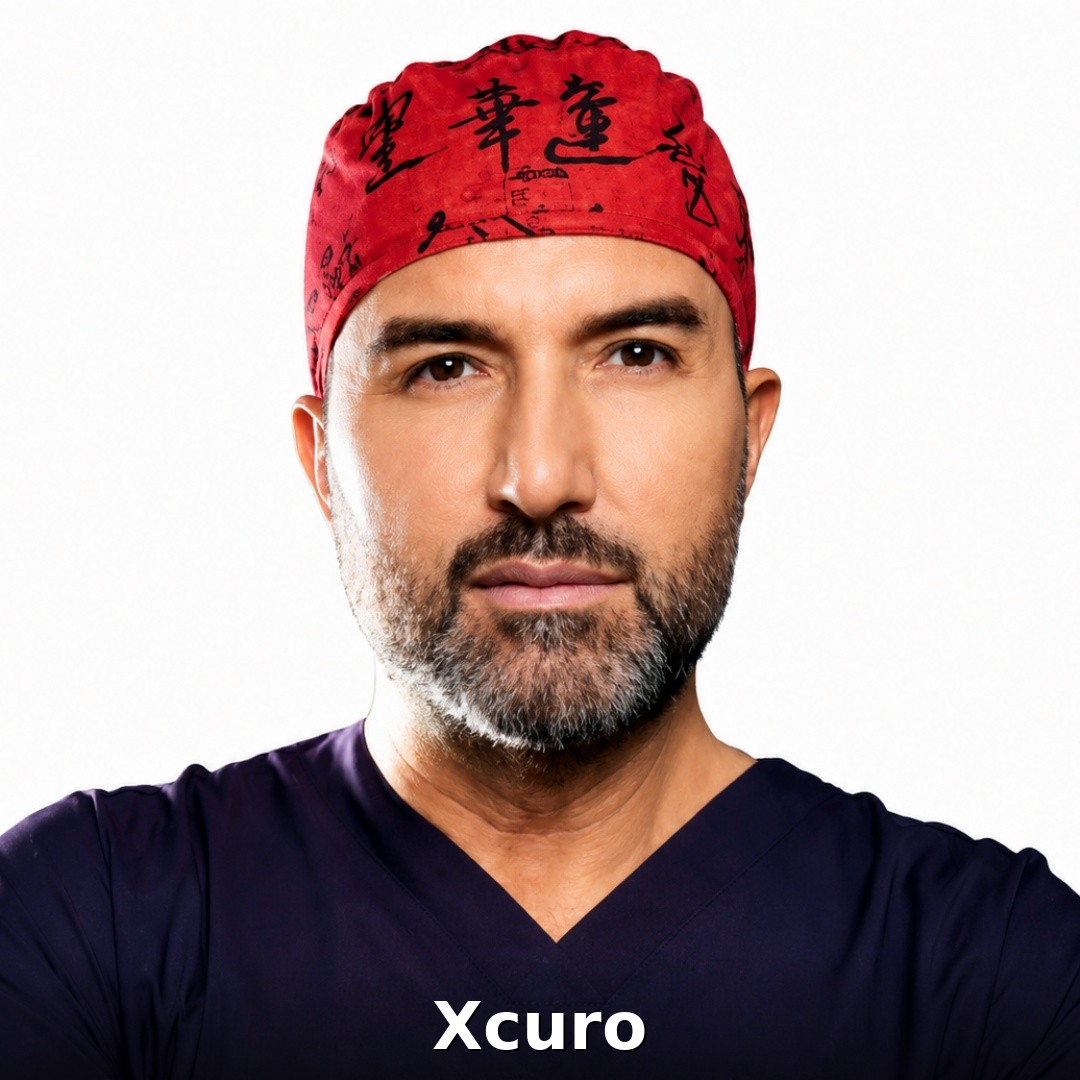
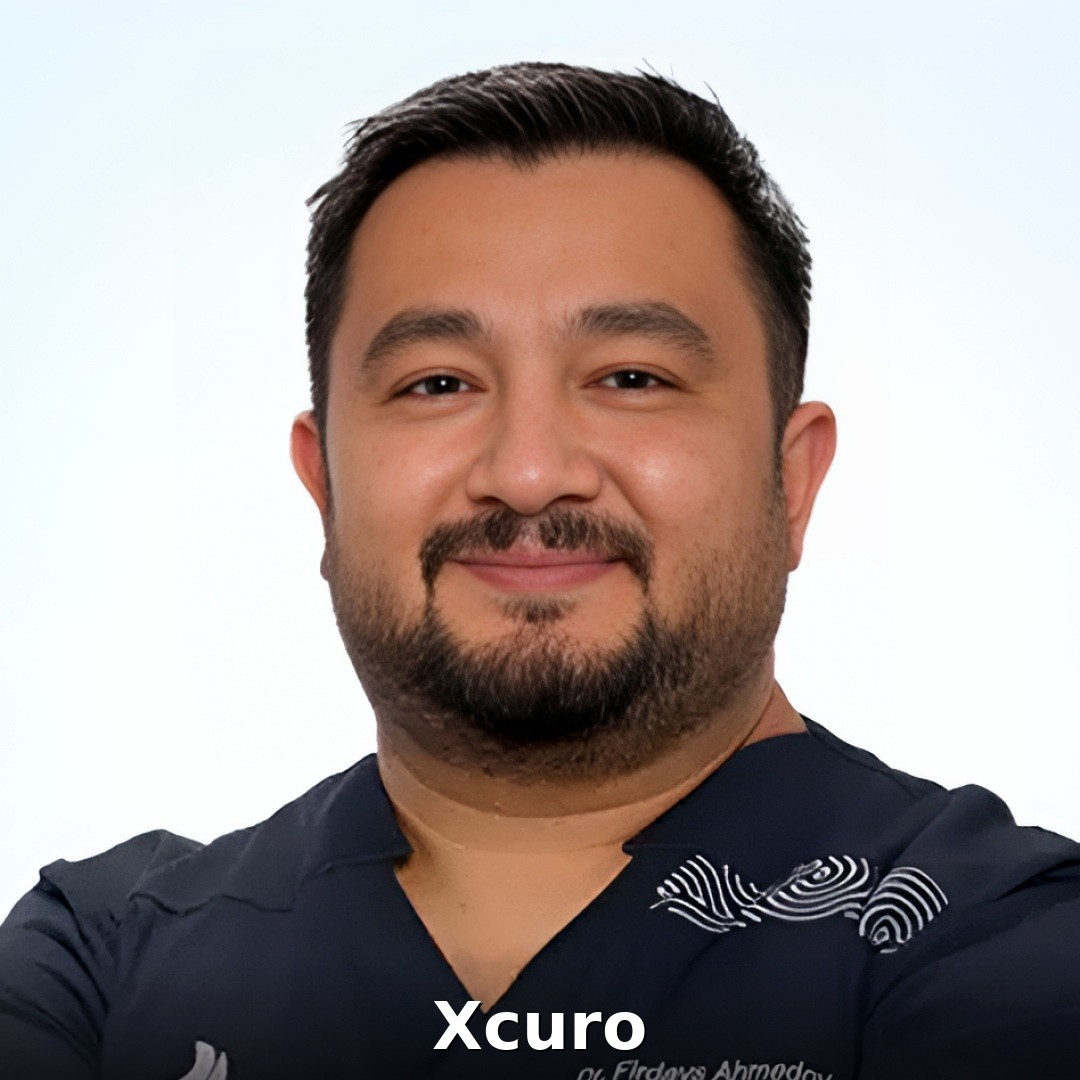
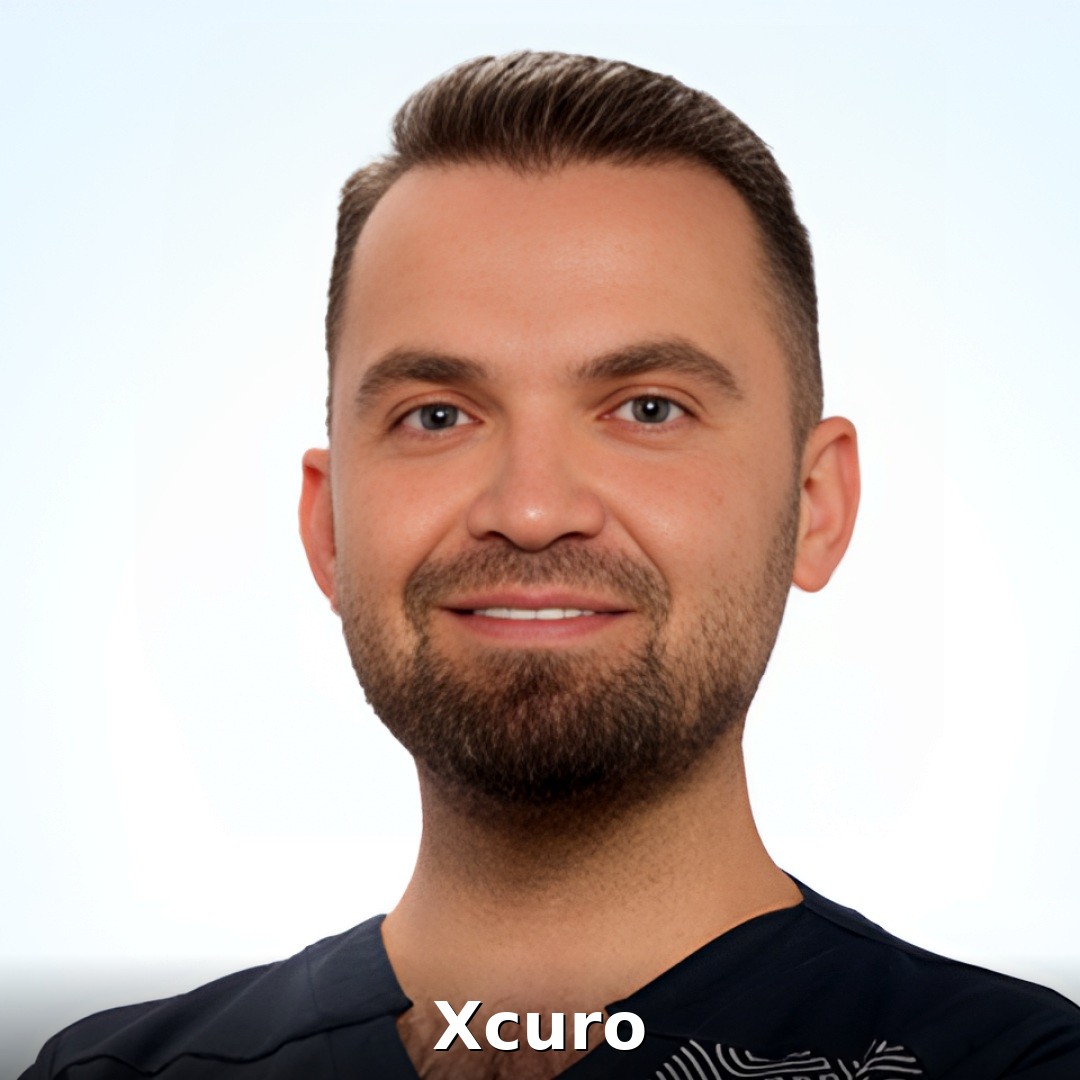
Hair Transplant doctors in Turkey


Frequently asked questions
How much does a hair transplant cost in Turkey?
At the five Istanbul clinics we list, quotes range from $1,500 to $4,500 for one session. In the U.S., the average is $6,000 to $15,000 or more (Cherry, 2026), depending largely on where you live. Your quote depends on the number of grafts, the technique and the clinic.
How much will the whole trip cost from the U.S.?
Add a round-trip flight to the surgery price. Typical economy fares to Istanbul run about $740 to $1,180 from New York and $780 to $1,260 from Los Angeles (Kayak), so surgery plus flight usually lands between about $2,250 and $5,750. Hotel nights are often part of the clinic package; extra nights and meals are not.
Why is a hair transplant so much cheaper in Turkey?
Mainly because operating and staff costs are lower, the exchange rate favours patients paying in dollars, and Istanbul clinics treat a very high volume of patients. A lower price is not in itself a sign of lower quality, but it is worth checking who performs each step of the surgery.
Is it safe to get a hair transplant in Turkey?
It can be, at a licensed clinic with an experienced surgeon. The main risk comes from clinics where people without proper training perform the surgery; the International Society of Hair Restoration Surgery has warned about these “black market” clinics. Ask who will harvest your grafts and make the incisions, and get the answer in writing.
How many grafts will I need?
That depends on how much hair you have lost and how much donor hair you have. Sessions usually move 1,500 to 4,500 grafts. Be cautious if a clinic gives you a firm number before a doctor has seen photos of your scalp.
FUE or DHI: which is better?
Both remove grafts one at a time. In DHI, the grafts are implanted with a pen that makes the incision and places the graft in one motion; in FUE, the incisions are made first and the grafts placed afterwards. Which one suits you depends on your hair and on the surgeon's routine, so ask why they recommend one over the other.
How long do I need to stay in Turkey?
Usually three to four days: a consultation and tests, the surgery day, a check-up (often with the first hair wash), and then the flight home.
When will I see the results?
Transplanted hairs usually fall out in weeks 2 to 4. New growth appears from around month 3 or 4, and the final result shows at 12 to 18 months.
Do I need a visa to travel to Turkey from the U.S.?
No. U.S. passport holders can visit Turkey without a visa for tourism or short business trips, for up to 90 days within any 180-day period.
Will my U.S. health insurance cover a hair transplant in Turkey?
Almost certainly not. U.S. insurers treat hair transplants as cosmetic surgery and exclude them, whether the surgery is done at home or abroad.
Can I use my HSA or FSA, or deduct the cost from my taxes?
Generally no. The IRS lists hair transplants among cosmetic procedures you can't include in medical expenses (Publication 502), and HSA and FSA eligibility follows the same definition.
Getting to Turkey from the U.S.
Visa. U.S. passport holders travel to Turkey without a visa for tourism or short business, for up to 90 days within any 180-day period.Official source.
Flights and time zone. Turkish Airlines flies nonstop to Istanbul from New York, Newark, Boston, Washington, Atlanta, Miami, Chicago, Dallas, Houston, Seattle, San Francisco and Los Angeles. East-coast flights run about 10 hours, west-coast about 13. Istanbul is 7 hours ahead of New York in summer and 8 hours in winter, because Turkey stays on UTC+3 all year.
U.S. State Department advisory. Level 2 – Exercise Increased Caution (reissued June 9, 2026). The advisory says not to travel within 10 km of the borders with Syria or Iraq; Istanbul is far from both.Read the advisory.
Before you travel: what the CDC recommends
The U.S. Centers for Disease Control and Prevention publishes guidance for Americans travelling abroad for medical care. These are its recommendations, not ours.
- Check the qualifications of the clinician who will perform the procedure and the credentials of the facility.
- Bring copies of your medical records, including lab and other test results related to your condition.
- Make sure you can get follow-up care in the United States. Care for complications can be expensive and might not be covered by your health insurance.
- Obtain international travel health insurance that covers medical evacuation back to the United States.
- See your own healthcare provider 4–6 weeks before the trip to discuss risks specific to your health.
Sources
- Hair transplant cost — Cherry, 2026
- Beware of unlicensed technicians performing hair restoration surgery — International Society of Hair Restoration Surgery (ISHRS)
- Black market clinics — ISHRS
- Saç Ekimi Birimleri Hakkında Yönetmelik (Hair Transplant Units Regulation) — Republic of Türkiye, legislation portal
- Information note on the Hair Transplant Units Regulation — Turkish Dermatology Society
- Medical Tourism — CDC Travelers’ Health
- e-Visa and visa exemptions — Republic of Türkiye
- Typical fares New York – Istanbul — Kayak
- Typical fares Los Angeles – Istanbul — Kayak
- Publication 502: Medical and Dental Expenses — IRS
- Publication 969: Health Savings Accounts and Other Tax-Favored Health Plans — IRS
- Türkiye Travel Advisory — U.S. Department of State
More cost guides for U.S. patients
What the Research Says About Hair Transplantation
14 peer-reviewed sourcesHair transplantation relocates healthy follicles, most commonly via follicular unit excision (FUE) or follicular unit transplantation (FUT), to restore density in areas of thinning or scarring. The peer-reviewed references below include systematic reviews, comparative studies, and large multicenter series addressing graft survival, complication profiles, adjunctive therapies such as platelet-rich plasma, and the psychological impact of treatment. Evidence indicates that modern techniques achieve high graft survival and patient satisfaction, while complications are typically minor and self-limited when procedures are performed by experienced practitioners. Several studies also examine how transplantation fits alongside medical therapy for androgenetic alopecia and emerging regenerative approaches. This information is provided for general education and should be considered together with advice from a qualified dermatologist or hair-restoration surgeon.
- A Systematic Review of Follicular Unit Graft Survival Rates After Hair Transplantation in Primary Cicatricial Alopecia.
- Efficacy of Platelet-Rich Plasma as an Adjunct to Hair Transplantation: A Systematic Review.
- Complications in follicular unit excision hair transplantation: current evidence and practical approaches.
- The Most Influential Publications Regarding Hair Transplantation: A Bibliometric Review.
- A Comparative Study on the Application of Robotic Hair Restoration Technology Versus Traditional Follicular Unit Excision in Male Androgenetic Alopecia.
Compiled from peer-reviewed medical literature indexed on PubMed. This overview is for general education and is not medical advice. · Last updated 2026-06-15