Dental Implants in Mexico: 2026 Cost per Tooth in Los Algodones and Cancun for U.S. Patients
At Sani Dental Group, an implant costs $890 and the implant crown with abutment $720, so a complete tooth is about $1,610. All-on-4 costs $8,110 to $9,710 per arch. In the U.S., the implant and a porcelain crown alone average about $3,542, and All-on-4 about $15,176. Below: the real price per tooth, All-on-4, how many trips you need and how to check the dentist.
Flights and extra hotel nights are not included in either price. Final quotes depend on your case.
Dental Implants clinics in Mexico: prices and independent ratings
Prices are each clinic's own quoted range in USD, as of October 2026. Ratings come from independent review platforms and link to the source.
| Clinic | Price | Independent ratings | |
|---|---|---|---|
| Sani Dental Group · MTA Certified | From $890 Implant only; implant crown with abutment $720 — clinic price list |
How clinics get listed: our methodology. Clinics do not pay for position on this page.
Total trip budget from the U.S.
Surgery at our partner clinics plus a round-trip economy flight. Hotel nights included in the clinic package are covered; extra nights, meals and travel insurance are not.
| Flying from | Surgery | Round-trip flight | Total | Same surgery at home |
|---|---|---|---|---|
| New York → Cancun nonstop ≈ 4h 20m nonstop | From $890 | $389 – $648 | $1,279 – $1,538 | From $2,143 |
| Chicago → Cancun nonstop ≈ 3h 55m nonstop | From $890 | $351 – $609 | $1,241 – $1,499 | From $2,143 |
| New York → Phoenix nonstop ≈ 5h 40m nonstop | From $890 | $307 – $525 | $1,197 – $1,415 | From $2,143 |
Flights: Kayak, typical round-trip economy fares over the past 12 months, checked October 5, 2026 · source. Home prices: CareCredit (Synchrony 2024 cost study) — national average for the implant and its placement, crown extra. For Los Algodones, fly into Phoenix or San Diego and drive about three hours, or into Yuma, Arizona, about 15 minutes away. Sani also has clinics in Cancun and Playa del Carmen.
Dental Implants in Mexico: pros and cons for U.S. patients
- A complete tooth for about $1,610 against about $3,542 in the U.S. before the abutment
- Los Algodones is a walk across the border from Arizona; Cancun is a short nonstop flight.
- Published, itemized prices.
- Two trips are cheap and quick compared with overseas.
- Usually two trips.
- If an implant fails, follow-up care must be arranged across the border.
- Only one partner dental group in Mexico so far.
- The State Department rates Baja California Level 3.
How much do dental implants in Mexico cost?
A dental implant has three parts: the implant (a titanium root in the jaw), the abutment and the crown. Sani Dental Group, with clinics in Los Algodones, Cancun and Playa del Carmen, publishes these prices:
| Treatment | Sani Dental Group | U.S. average |
|---|---|---|
| Implant (root) | $890 | $2,143 for a single implant |
| Implant crown with abutment | $720 | Porcelain crown alone about $1,399 |
| Complete tooth | about $1,610 | about $3,542 (implant $2,143 + porcelain crown $1,399), before the abutment |
| All-on-4, per arch | $8,110 (acrylic hybrid) – $9,710 (Straumann); Nobel $8,950 | about $15,176 |
| All-on-6 Nobel Biocare, per arch | $13,310 | — |
U.S. figures are national averages from the 2024 Synchrony cost study published by CareCredit. A complete implant tooth in Mexico costs less than half the U.S. average; on a full arch you save about $5,000 to $7,000.
Mexico or Turkey for dental implants?
Turkish clinics advertise lower prices: at Dentakay in Istanbul a complete tooth starts at about €558. But implants usually need two trips, and two round trips to Istanbul cost far more than a drive to Los Algodones or a four-hour flight to Cancun. For most Americans, especially in the Southwest, Mexico is the cheaper total.
How many trips you need
Traditional implants need two visits: one to place the implants, then three to six months of healing while they fuse with the bone, then a second visit for the final crowns. All-on-4 patients often leave the first visit with temporary fixed teeth. Bone grafting can add months.
Which implant brand?
Straumann and Nobel Biocare are premium global brands that any U.S. dentist can service; budget brands cost less but can be harder to repair at home. Ask for the brand, model and lot sticker for your records.
How to check a dentist in Mexico
Every dentist in Mexico needs a professional license (cédula profesional) that you can look up in the government's online registry, and specialists such as oral surgeons and periodontists hold a separate specialty license. Ask which dentist will treat you, for a written treatment plan with every item priced, the implant brand and lot sticker, and what the warranty covers once you are home. Arrange a U.S. dentist for check-ups before you travel.
Getting there and back
Los Algodones is a small town in Baja California built around dental tourism, right at the Andrade border crossing near Yuma, Arizona; most patients park on the U.S. side and walk across. To return, bring a U.S. passport, passport card, enhanced driver's license or trusted-traveler card. The State Department rates Baja California Level 3, “Reconsider Travel”, and Quintana Roo, where Cancun and Playa del Carmen are, Level 2, “Exercise Increased Caution”.
Insurance and taxes
U.S. dental plans rarely pay for treatment abroad. Dental treatment to restore teeth generally counts as a medical expense under IRS Publication 502, so HSA or FSA funds may be usable; purely cosmetic treatment such as whitening does not. Check with your plan.
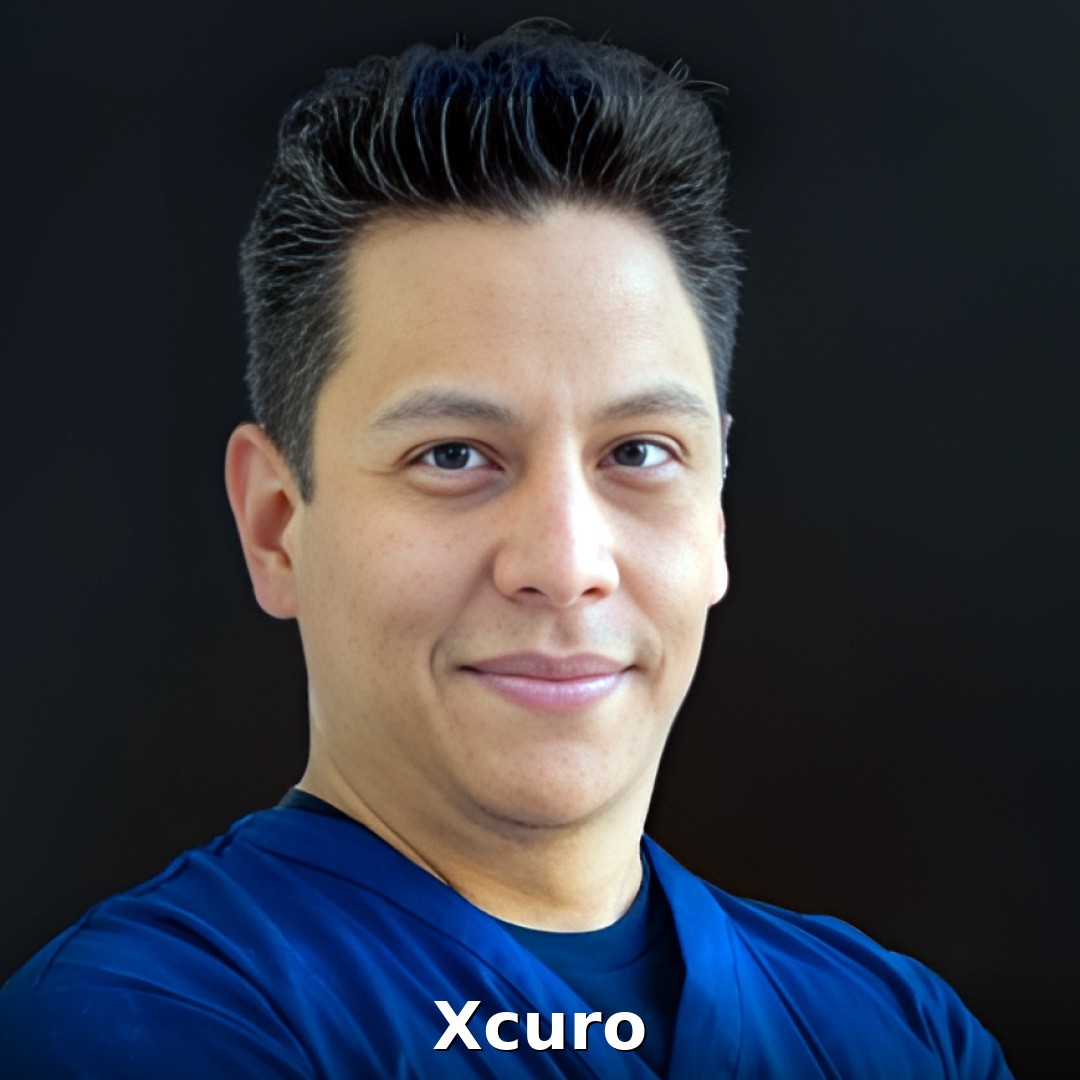
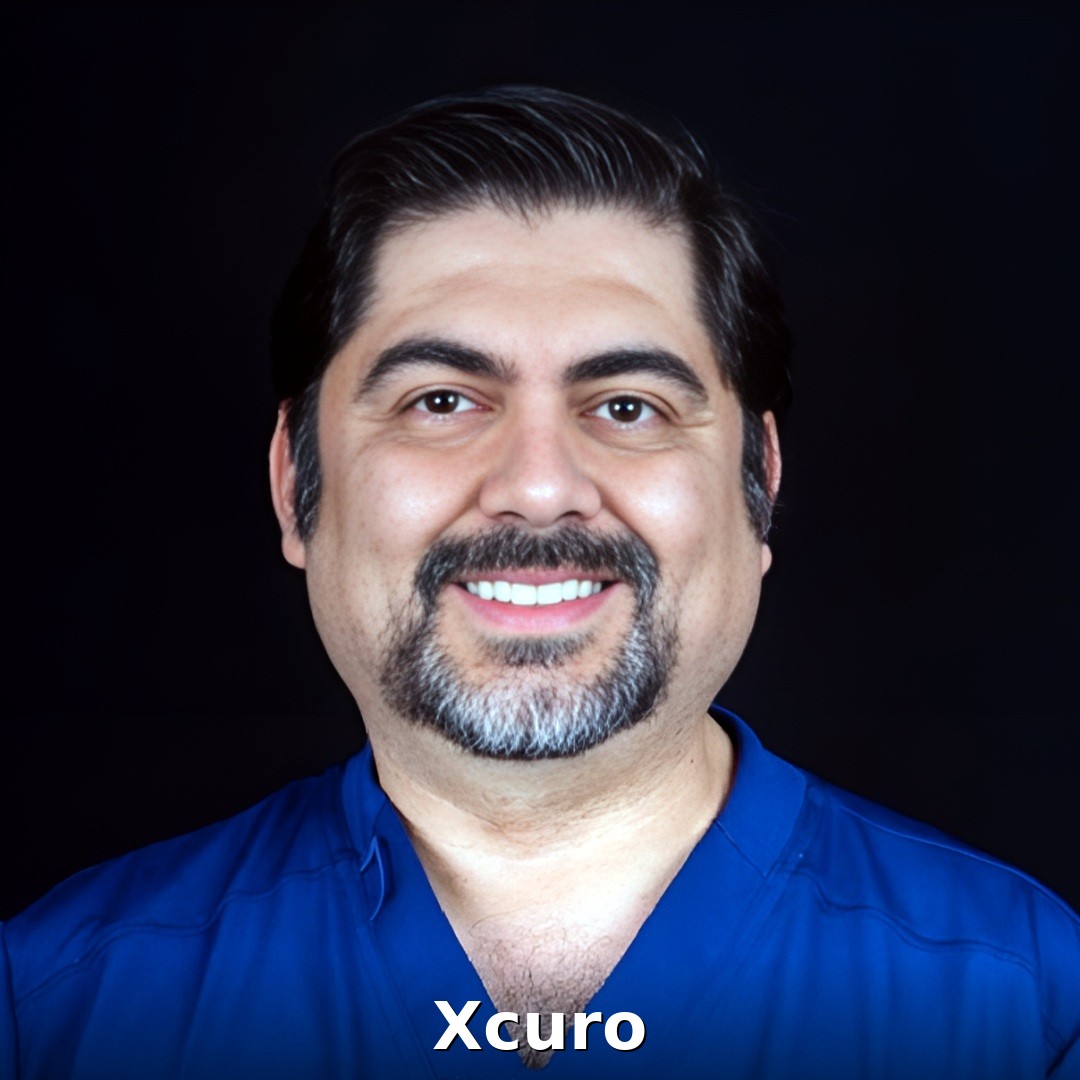
Dental Implants doctors in Mexico
Frequently asked questions
How much does one dental implant cost in Mexico?
At Sani Dental Group, the implant costs $890 and the crown with abutment $720, about $1,610 for a complete tooth. In the U.S., the implant ($2,143) and a porcelain crown ($1,399) alone average about $3,542 (CareCredit).
How much is All-on-4 in Mexico?
Sani Dental Group publishes $8,110 to $9,710 per arch depending on the system, against a U.S. average of about $15,176 (CareCredit).
Is the crown included in the implant price?
Usually not. Ask for the total per tooth: implant, abutment and crown.
How many trips to Mexico do I need for implants?
Usually two: one to place the implants and a second, three to six months later, for the final crowns.
Can I use my HSA or FSA for dental implants in Mexico?
Dental treatment to restore teeth generally counts as a medical expense under IRS Publication 502; check with your plan.
What do I need to cross back into the U.S. from Los Algodones?
A U.S. passport, passport card, enhanced driver's license or trusted-traveler card such as SENTRI.
Getting to Mexico from the U.S.
Visa. U.S. passport holders travel without a visa for up to 180 days. A passport book is required for air travel, and a tourist permit (FMM, issued digitally at airports) is required on arrival.Official source.
Flights and time zone. The shortest trip of any destination we work with. Nonstop flights to Mexico City, Guadalajara, Monterrey and Cancun from most large U.S. hubs, 2 to 5 hours; Tijuana is reachable on foot from San Diego.
U.S. State Department advisory. The advisory is set state by state. Baja California, where Tijuana and Ensenada are, is at Level 3 – Reconsider Travel, because of crime and kidnapping; U.S. government employees face no extra restrictions in Tijuana, Ensenada or Rosarito, and most violence happens outside tourist areas.Read the advisory.
Before you travel: what the CDC recommends
The U.S. Centers for Disease Control and Prevention publishes guidance for Americans travelling abroad for medical care. These are its recommendations, not ours.
- Check the qualifications of the clinician who will perform the procedure and the credentials of the facility.
- Bring copies of your medical records, including lab and other test results related to your condition.
- Make sure you can get follow-up care in the United States. Care for complications can be expensive and might not be covered by your health insurance.
- Obtain international travel health insurance that covers medical evacuation back to the United States.
- See your own healthcare provider 4–6 weeks before the trip to discuss risks specific to your health.
Sources
- Dental procedure cost list (2024 Synchrony cost study) — CareCredit
- Price list — Sani Dental Group
- Typical fares New York – Cancun — Kayak
- Typical fares New York – Phoenix — Kayak
- Mexico Travel Advisory — U.S. Department of State
- Medical Tourism — CDC Travelers’ Health
- Publication 502: Medical and Dental Expenses — IRS
More cost guides for U.S. patients
Clinical evidence on dental implants
15 peer-reviewed sourcesDental implants are supported by an extensive evidence base, including long-term cohort studies extending beyond 15 to 20 years, systematic reviews, randomized controlled trials, and international consensus guidelines. Published survival rates are consistently high across single-tooth, partial, and full-arch (such as All-on-4 and All-on-6) restorations, and patient-reported outcomes show meaningful gains in oral health-related quality of life compared with conventional dentures. The most studied biological complication is peri-implantitis, a progressive inflammatory condition affecting surrounding bone whose prevalence and risk factors have been quantified in systematic reviews. Evidence also addresses timing questions such as immediate versus delayed loading and placement. The references below combine long-term survival data, complication and peri-implantitis reviews, loading-protocol trials, and consensus guidance to give a balanced view of expected outcomes and maintenance needs.
- Dental implant survival and marginal bone loss after a minimum of 20 years: systematic review
- Outcomes of One-Piece and Two-Piece Dental Implants After 15-17 Years: Follow-Up of a Trial
- Ten-year outcomes of short dental implants (<= 6 mm): a systematic review and sensitivity analysis
- All-on-4 and All-on-6 implant-supported fixed prostheses for the edentulous jaw: a systematic review
- Consensus Report of Group 2 of the 1st Global Consensus for Clinical Guidelines
Compiled from peer-reviewed medical literature indexed on PubMed. This overview is for general education and is not medical advice. · Last updated 2026-06-15