Breast Augmentation in Mexico: 2026 Cost, Implants and What U.S. Patients Should Know
Breast augmentation costs $5,699 at Hospital VELMAR in Ensenada and $7,000 at VIDA in Tijuana, against a U.S. average of $6,000 to $12,000 that already includes the implants. Below: prices, which implants to ask for, your trip budget and the border crossing.
Flights and extra hotel nights are not included in either price. Final quotes depend on your case.
Breast Augmentation clinics in Mexico: prices and independent ratings
Prices are each clinic's own quoted range in USD, as of October 2026. Ratings come from independent review platforms and link to the source.
| Clinic | Price | Independent ratings | |
|---|---|---|---|
| Hospital VELMAR Ensenada · CSG | From $5,699 | ||
| VIDA Wellness and Beauty Center Tijuana · QUAD A | From $7,000 |
How clinics get listed: our methodology. Clinics do not pay for position on this page.
Total trip budget from the U.S.
Surgery at our partner clinics plus a round-trip economy flight. Hotel nights included in the clinic package are covered; extra nights, meals and travel insurance are not.
| Flying from | Surgery | Round-trip flight | Total | Same surgery at home |
|---|---|---|---|---|
| New York nonstop ≈ 6h 10m | $5,699 - $7,000 | $323 – $563 | $6,022 – $7,563 | $6,000 - $12,000 |
| Chicago nonstop ≈ 4h 35m | $5,699 - $7,000 | $226 – $398 | $5,925 – $7,398 | $6,000 - $12,000 |
| Dallas nonstop ≈ 3h 10m | $5,699 - $7,000 | $204 – $363 | $5,903 – $7,363 | $6,000 - $12,000 |
Flights: Kayak, typical round-trip economy fares to San Diego over the past 12 months, checked September 29, 2026 · source. Home prices: Cherry, 2026 — surgeon, anesthesia, facility and implants. Tijuana is across the border from San Diego. From Southern California, most patients drive or take the trolley to the border instead of flying.
Breast Augmentation in Mexico: pros and cons for U.S. patients
- Lower price than many U.S. quotes: $5,699–$7,000.
- Tijuana borders San Diego, so the trip home is short.
- FDA-approved implant brands can be requested, which keeps U.S. follow-up simple.
- VIDA's facility is accredited by QUAD A, a U.S. accreditation body.
- The saving is modest: the U.S. average of $6,000–$12,000 already includes the implants.
- Warranty and follow-up depend on the implant brand; you must check it in writing.
- The U.S. State Department rates Baja California Level 3, “Reconsider Travel”.
- Follow-up care at home, and treating complications, may not be covered by U.S. insurance (CDC).
How much does breast augmentation in Mexico cost?
The two Baja California clinics we work with quote $5,699 (Hospital VELMAR, Ensenada) and $7,000 (VIDA Wellness and Beauty Center, Tijuana). In the United States, most patients pay $6,000 to $12,000 for the complete procedure, including anesthesia, the surgical facility and the implants, according to Cherry's 2026 data.
That means the saving on breast augmentation is modest. If a U.S. surgeon near you quotes around $6,000 to $7,000 all-in, Mexico may not save you money once travel is added. It makes more sense if you would pay toward the top of the U.S. range. The American Society of Plastic Surgeons' average of $4,875 is the surgeon's fee alone, so don't compare a Mexican package with that figure.
Implants or fat transfer?
Most breast augmentations, often simply called a boob job, use implants. A fat transfer breast augmentation uses your own fat, taken by liposuction, instead. It gives a smaller and less predictable increase in size, because part of the fat is reabsorbed, so it suits people who want a modest change. Ask each surgeon which option fits your goals.
Many international patients combine breast surgery with a tummy tuck, a package often called a mommy makeover. It costs more and makes the operation longer; see our tummy tuck in Mexico guide for that part.
Ask which implants you will get
This matters more for a U.S. patient than the price difference. In the United States, the FDA has approved silicone breast implants from Allergan (Natrelle), Mentor, Sientra and Motiva. If your implants come from one of these manufacturers, U.S. surgeons will know the device, and the manufacturer's warranty and registration may apply.
- Ask for the brand, model, size and whether the shell is smooth or textured, in writing, before surgery.
- Make sure you leave with the implant card or device information. A U.S. surgeon will need it if you ever have a problem or want the implants replaced.
- Ask how the manufacturer's warranty works for surgery done in Mexico.
Since 2021, the FDA has required implant labeling in the U.S. to carry a boxed warning and a patient decision checklist. Two points from that warning are worth knowing wherever you have surgery: breast implants are not lifetime devices, and the longer you have them, the more likely you are to need another operation; and a rare lymphoma called BIA-ALCL occurs more often with textured implants.
How long you need to stay
Plan on about a week nearby. The operation takes 60 to 90 minutes under general anesthesia, and many patients go home the same day or after one night. Stitches are usually removed within one to two weeks, most people go back to office work around the end of week two, and the implants settle into a more natural shape over about three months.
Getting to Tijuana, Mexico from the U.S.
- Fly into San Diego. Nonstop flights take about 6 hours from New York, 4.5 hours from Chicago and 3 hours from Dallas. Ask your clinic whether it arranges pickup from San Diego.
- Or fly into Tijuana. The Cross Border Xpress (CBX) bridge connects Tijuana's airport directly to a terminal on the U.S. side, for passengers flying in or out of Tijuana.
- Coming back by land. At the border you need a U.S. passport, a passport card, an enhanced driver's license or a trusted-traveler card such as SENTRI. You can check current wait times on the CBP border wait times site.
Hospital VELMAR is in Ensenada, about 1.5 hours' drive south of Tijuana along the coast highway.
How to check your surgeon
In Mexico, plastic surgeons are certified by the Consejo Mexicano de Cirugía Plástica, Estética y Reconstructiva (CMCPER), the counterpart of the American Board of Plastic Surgery. You can look a surgeon up in the CMCPER directory. Every doctor also needs a professional license (cédula profesional), which can be checked in the Mexican government's public registry. Also ask where the surgery takes place: VIDA's facility is accredited by QUAD A, the same body that accredits outpatient surgery centers in the United States.
Paying for it: insurance and taxes
Cosmetic breast augmentation is not covered by U.S. health insurance, and the IRS does not treat cosmetic surgery as a medical expense (IRS Publication 502). Breast reconstruction after cancer treatment is the exception the IRS names. The CDC notes that treating complications after surgery abroad can be expensive and may not be covered by your U.S. health plan.
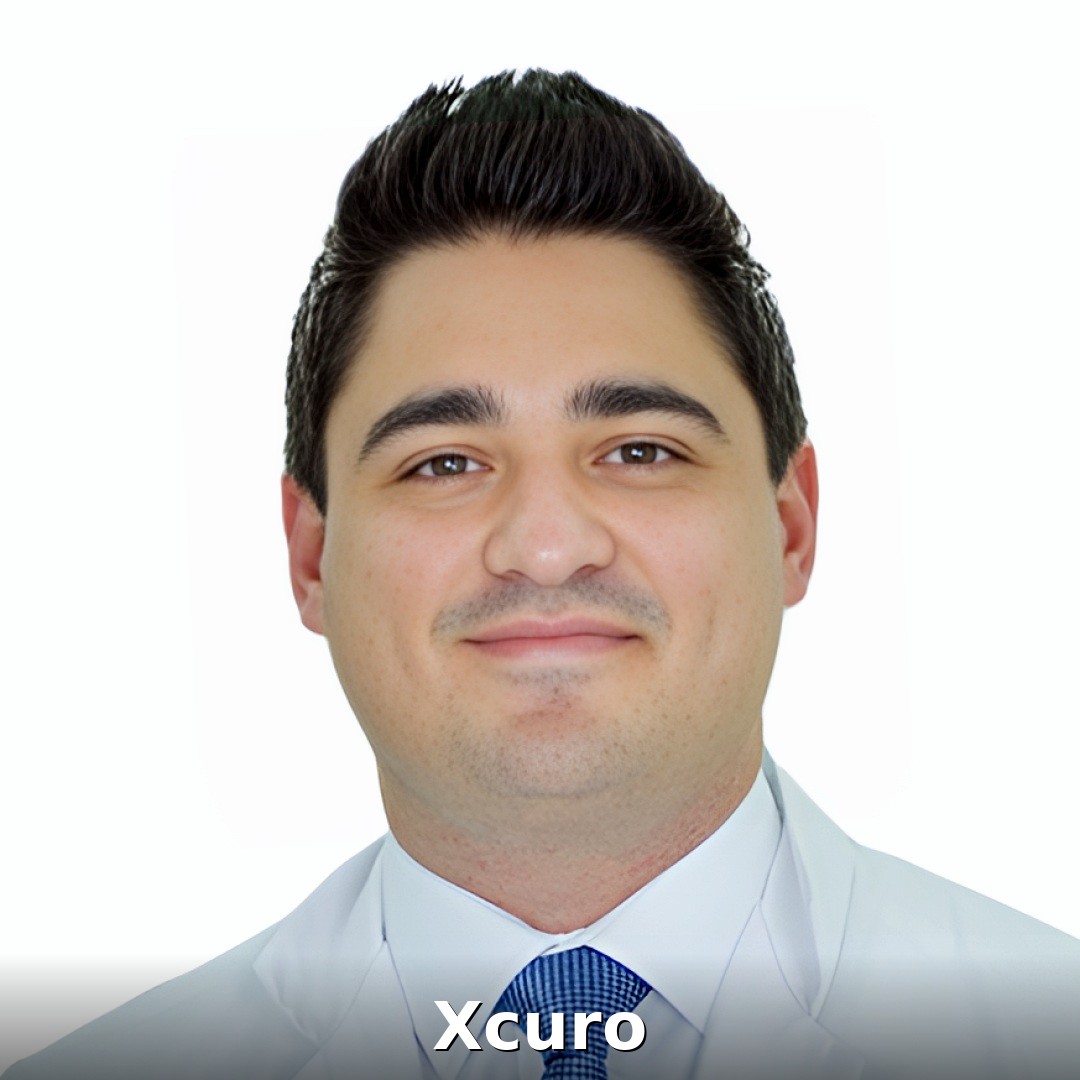
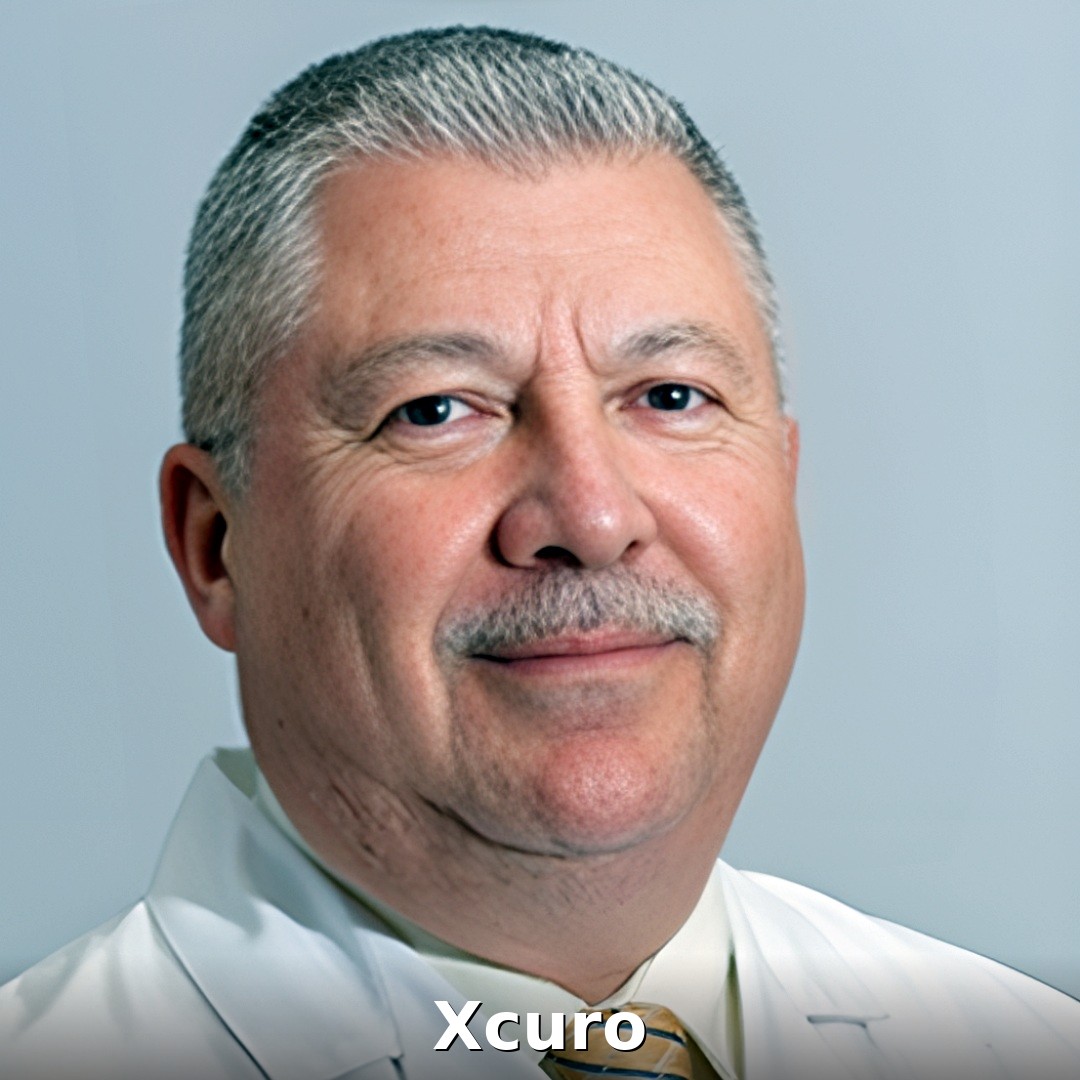
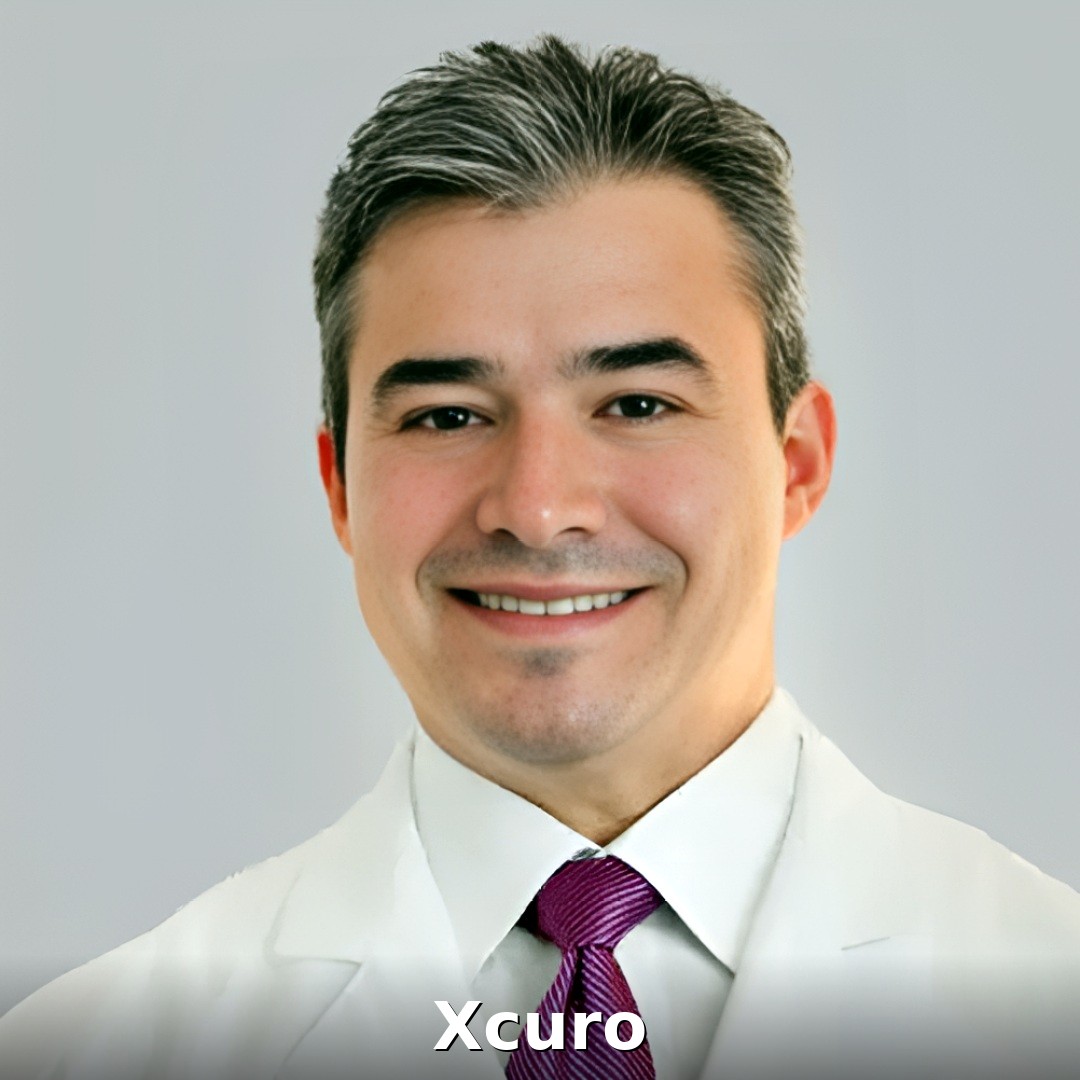
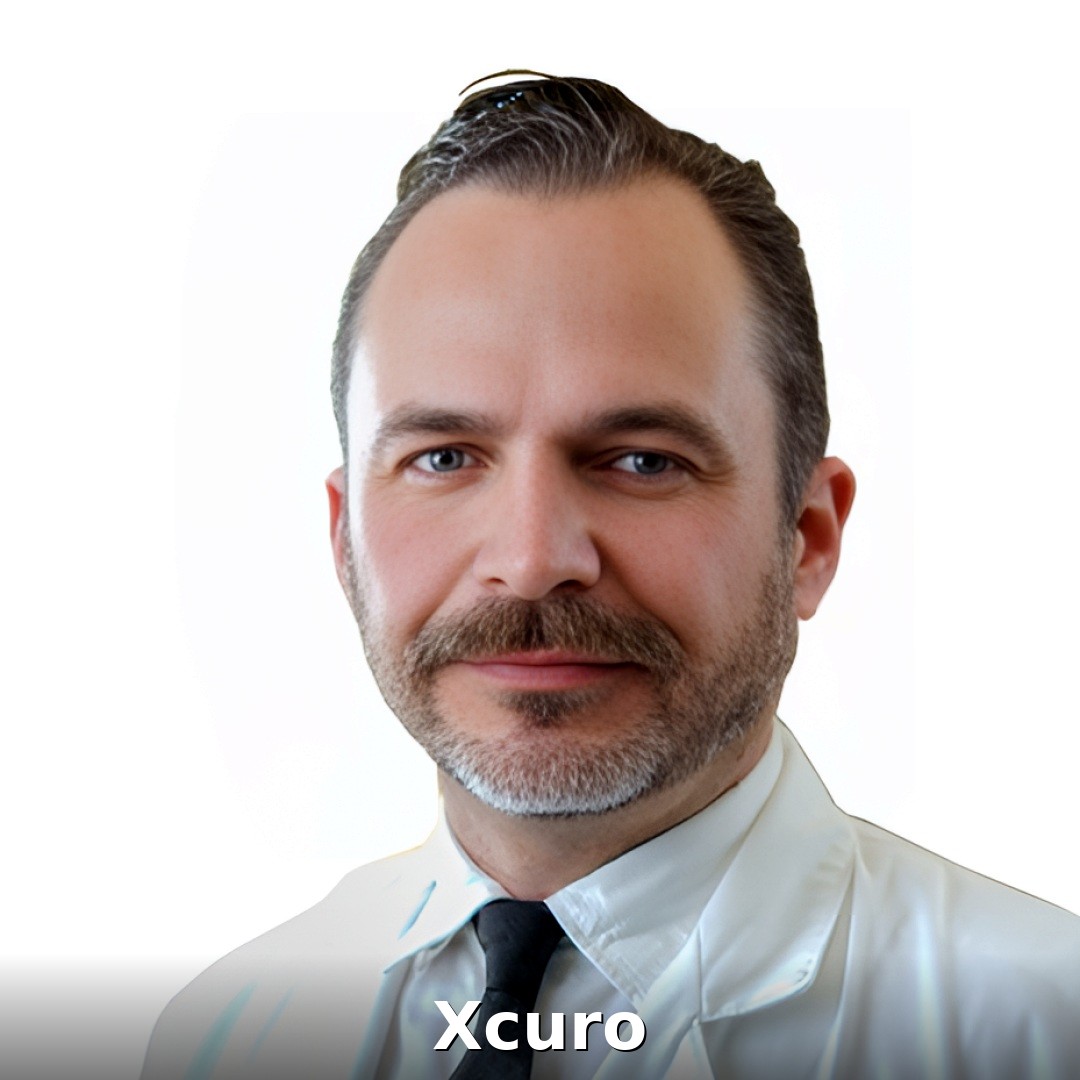
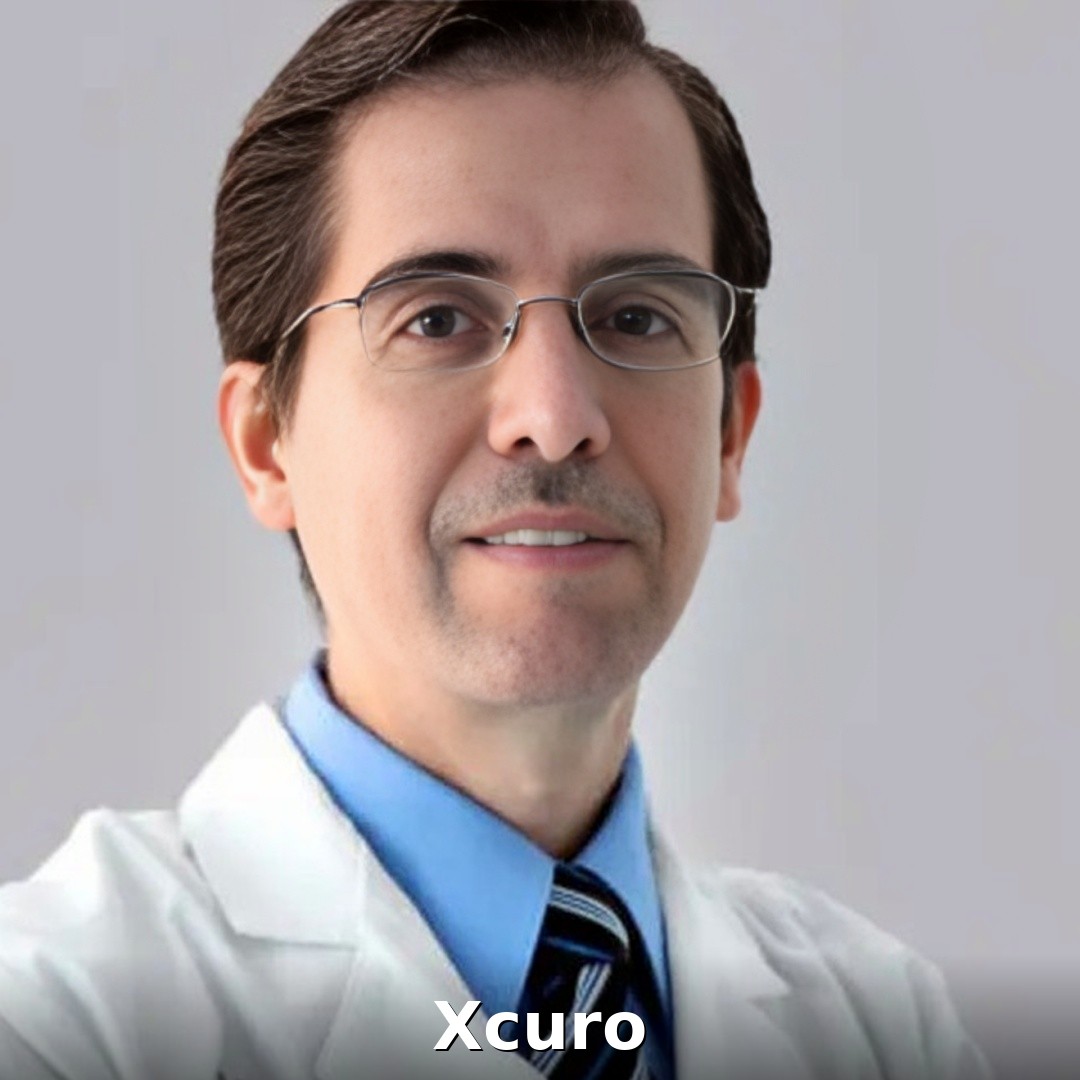
Breast Augmentation doctors in Mexico
Frequently asked questions
How much does breast augmentation cost in Mexico?
At the two Baja California clinics we list, $5,699 (Hospital VELMAR, Ensenada) and $7,000 (VIDA, Tijuana). In the U.S., most patients pay $6,000 to $12,000 including the implants (Cherry, 2026).
Is breast augmentation in Mexico much cheaper than in the U.S.?
Less than for many other procedures. Compared with the low end of U.S. prices, the saving may disappear once you add flights and a week nearby; it is meaningful mainly if you would pay toward the top of the U.S. range.
Which breast implants should I ask for in Mexico?
Ask for the brand and model in writing. Implants from Allergan (Natrelle), Mentor, Sientra and Motiva are FDA-approved in the U.S., which makes follow-up care and replacement at home simpler.
How long do I need to stay in Mexico after breast augmentation?
About a week. Many patients leave hospital the same day or after one night, and stitches come out within one to two weeks.
Do breast implants last forever?
No. The FDA warns that breast implants are not lifetime devices; the longer you have them, the more likely you are to need another operation.
What documents do I need to cross the border back into the U.S.?
A U.S. passport, a passport card, an enhanced driver's license or a trusted-traveler card such as SENTRI. If you fly home from Mexico, you need a passport book.
Getting to Mexico from the U.S.
Visa. U.S. passport holders travel without a visa for up to 180 days. A passport book is required for air travel, and a tourist permit (FMM, issued digitally at airports) is required on arrival.Official source.
Flights and time zone. The shortest trip of any destination we work with. Nonstop flights to Mexico City, Guadalajara, Monterrey and Cancun from most large U.S. hubs, 2 to 5 hours; Tijuana is reachable on foot from San Diego.
U.S. State Department advisory. The advisory is set state by state. Baja California, where Tijuana and Ensenada are, is at Level 3 – Reconsider Travel, because of crime and kidnapping; U.S. government employees face no extra restrictions in Tijuana, Ensenada or Rosarito, and most violence happens outside tourist areas.Read the advisory.
Before you travel: what the CDC recommends
The U.S. Centers for Disease Control and Prevention publishes guidance for Americans travelling abroad for medical care. These are its recommendations, not ours.
- Check the qualifications of the clinician who will perform the procedure and the credentials of the facility.
- Bring copies of your medical records, including lab and other test results related to your condition.
- Make sure you can get follow-up care in the United States. Care for complications can be expensive and might not be covered by your health insurance.
- Obtain international travel health insurance that covers medical evacuation back to the United States.
- See your own healthcare provider 4–6 weeks before the trip to discuss risks specific to your health.
Sources
- Breast augmentation financing and costs — Cherry, updated July 25, 2026
- Breast augmentation cost — American Society of Plastic Surgeons
- Labeling for approved breast implants — U.S. Food and Drug Administration
- Typical fares New York – San Diego — Kayak
- Typical fares Chicago – San Diego — Kayak
- Typical fares Dallas – San Diego — Kayak
- Mexico Travel Advisory — U.S. Department of State
- Western Hemisphere Travel Initiative: documents for re-entry — U.S. Customs and Border Protection
- Border wait times — U.S. Customs and Border Protection
- Consejo Mexicano de Cirugía Plástica, Estética y Reconstructiva (CMCPER) — CMCPER
- QUAD A accreditation — QUAD A
- Medical Tourism — CDC Travelers’ Health
- Publication 502: Medical and Dental Expenses — IRS
More cost guides for U.S. patients
Clinical Evidence on Breast Augmentation and Implant Safety
13 peer-reviewed sourcesBreast augmentation is one of the most commonly performed aesthetic operations, and a substantial body of research examines its outcomes, complication profiles, and long-term implant safety. The references below include a Cochrane systematic review and several meta-analyses comparing implant surface types, pocket planes, and surgical approaches, as well as evidence on capsular contracture, patient satisfaction, and the management of symptomatic patients seeking explantation. Collectively they show high satisfaction rates alongside well-characterized risks such as capsular contracture, reoperation, and rare implant-associated conditions that warrant informed decision-making. Because results depend on implant choice, surgical technique, anatomy, and individual healing, these sources are provided for education and should support, not replace, a personalized consultation with a board-certified plastic surgeon.
- Breast implant insertion funnels for preventing capsular contracture.
- A Head-to-Head Meta-Analysis of 35,052 Smooth vs Textured Implants in Breast Reconstruction and Augmentation.
- Implant Pocket Plane Selection in Primary Breast Augmentation: A Meta-Analysis and Systematic Review of Complication Profiles.
- A Systematic Review and Meta-Analysis of 11,686 Breasts Undergoing Transaxillary Augmentation.
- Breast implant explantation and capsulectomy in symptomatic patients. Is there any improvement with the procedure? Systematic review and meta-analysis.
Compiled from peer-reviewed medical literature indexed on PubMed. This overview is for general education and is not medical advice. · Last updated 2026-06-15