Dental Crowns
A custom-made cap of ceramic, zirconia, metal or porcelain fused to metal that covers a damaged tooth or a dental implant to restore its shape and strength.
Overview
Hospital & stay
Procedure details
How it's performed
Under local anesthesia, the dentist removes any decay, rebuilds the core of the tooth if needed and reshapes it so the crown can fit over it. A digital scan or impression is taken and a temporary crown is fitted. The laboratory, or an in-office milling machine for same-day crowns, makes the permanent crown, which is tried in, adjusted for bite and color, and cemented or bonded in place; an X-ray may be taken to check the fit.
Preparation
- 1Dental examination and X-rays to check the tooth, its nerve and the surrounding gum and bone.
- 2Treat decay and gum disease first; if the nerve is infected or badly damaged, root canal treatment is done before the crown.
- 3Agree on the crown material (zirconia, lithium disilicate, porcelain-fused-to-metal or metal) and get the price per tooth in writing.
- 4Choose the shade with the dentist in daylight, especially for front teeth.
- 5If you grind or clench your teeth, plan a night guard to protect the new crowns.
Recovery
- 1Day 0: Numbness wears off within a few hours; avoid chewing on that side until it does.
- 2Days 1-14: Mild sensitivity to hot and cold is common and usually settles; avoid sticky or hard foods on a temporary crown.
- 3Fitting visit: The permanent crown is cemented and the bite is checked; return if the tooth feels high when you bite.
- 4Long term: Brush twice a day, floss around the crown edge and keep regular dental check-ups; wear a night guard if you grind.
Risks & considerations
Sensitivity to hot and cold, usually temporary; nerve inflammation that may later need root canal treatment; chipping or cracking, more common with layered porcelain; a loose or dislodged crown; decay at the edge of the crown; gum irritation; rarely, an allergic reaction to the metal.
Before you travel: what the CDC recommends
The U.S. Centers for Disease Control and Prevention publishes guidance for Americans travelling abroad for medical care. These are its recommendations, not ours.
- Check the qualifications of the clinician who will perform the procedure and the credentials of the facility.
- Bring copies of your medical records, including lab and other test results related to your condition.
- Make sure you can get follow-up care in the United States. Care for complications can be expensive and might not be covered by your health insurance.
- Obtain international travel health insurance that covers medical evacuation back to the United States.
- Plan for the possibility of paying out of pocket for additional or emergency care.
- See your own healthcare provider 4–6 weeks before the trip to discuss risks specific to your health.
- Delay air travel for 10–14 days after major surgery, particularly chest surgery, to reduce risks from changes in cabin pressure.
Best countries for Dental Crowns: prices vs the U.S.
Price ranges published by clinics listed on xcuro in each country (USD), next to the typical U.S. price. Final quotes vary by clinic and case.
| Country | Price at listed clinics | Clinics | |
|---|---|---|---|
| Mexico | $220 - $650 | 8 | Full guide → |
| United States | $1,399 | CareCredit (Synchrony 2024 cost study) — national average per porcelain crown | |
Dental Crowns by country: full guides
Clinics offering Dental Crowns


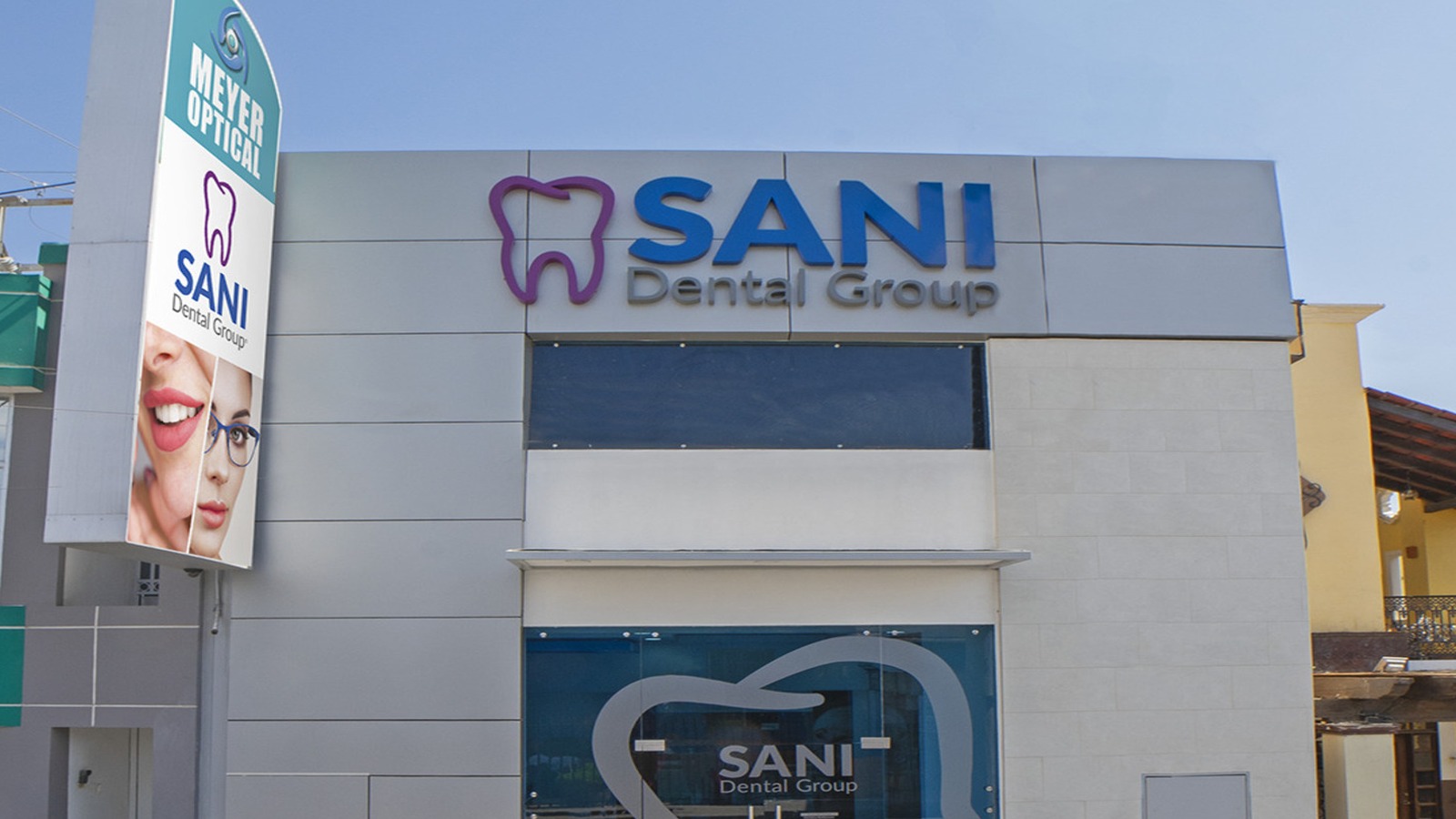
Dental Crowns abroad: frequently asked questions
How much does dental crowns cost abroad?
At clinics listed on xcuro, prices for dental crowns are: Mexico $220 to $650 (8 clinics). Final prices depend on your case and are confirmed in writing after a free consultation.
What is the best country for dental crowns?
There is no single best country; it depends on the surgeon, the clinic and how far you are willing to travel. Among clinics listed on xcuro, prices start lowest in Mexico (from $220), which also has the most clinics (8). Compare surgeons' credentials and independent ratings before price.
How much does dental crowns cost in the U.S.?
Typically $1,399, according to CareCredit (Synchrony 2024 cost study).
How long do I need to stay abroad for dental crowns?
Plan on about 5 days, from arrival to the flight home. Your surgeon will confirm when it is safe to travel.
Will U.S. insurance pay for dental crowns abroad?
Most U.S. health plans do not pay for elective surgery abroad, and cosmetic procedures are not covered at all. The CDC also warns that care for complications after surgery abroad may not be covered, so check your plan before you book.
Related procedures
Related procedures
Clinical evidence on dental crowns
9 peer-reviewed sourcesSingle crowns are among the best-studied restorations in dentistry. A 2026 systematic review and meta-analysis reported five-year survival of 98.5% for monolithic lithium-disilicate crowns, 97.1% for metal-ceramic crowns and 96.8% for monolithic zirconia crowns, while feldspathic porcelain crowns did worse at 90.4%. Ten-year clinical studies of lithium-disilicate crowns report survival between 83.5% for chair-side milled crowns and 96.5% to 99.6% for pressed crowns. Crowns on teeth with a living nerve survive longer than those on root-treated teeth, especially when a cast metal post is used. A Cochrane review found the evidence directly comparing metal-free and metal-ceramic restorations to be of very low quality, so neither can be called better on trial evidence alone.
- A Systematic Review and Meta-analysis Evaluating the Survival, Failure, and Complication Rates of Metal-Ceramic, Veneered, and Monolithic All-Ceramic Tooth-Supported Single Crowns-Part 1
- All-ceramic or metal-ceramic tooth-supported fixed dental prostheses (FDPs)? A systematic review of the survival and complication rates. Part I: Single crowns (SCs)
- A systematic review of the survival and complication rates of zirconia-ceramic and metal-ceramic single crowns
- Clinical performance of monolithic CAD/CAM tooth-supported zirconia restorations: systematic review and meta-analysis
- Survival of fixed prosthetic restorations on vital and nonvital teeth: A systematic review
Compiled from peer-reviewed medical literature indexed on PubMed. This overview is for general education and is not medical advice. · Last updated 2026-10-19