Oncology
Oncology covers surgical, radiation and cell-based cancer treatment, including brachytherapy, proton therapy, CAR-T cell therapy and bone marrow transplantation. Cancer care is the category where continuity matters most and where travelling is least suitable for an urgent diagnosis. If you are considering treatment abroad, the practical questions are whether your existing U.S. oncology team will co-manage the case, whether pathology and imaging can be shared in a format they accept, and how surveillance after treatment will be organised at home. Bring complete records: the CDC advises taking copies of all lab and imaging results with you.
Procedures in Oncology

A curative-intent treatment for blood cancers and marrow disorders in which diseased bone marrow is replaced with healthy haematopoietic stem cells from a donor or the patient.
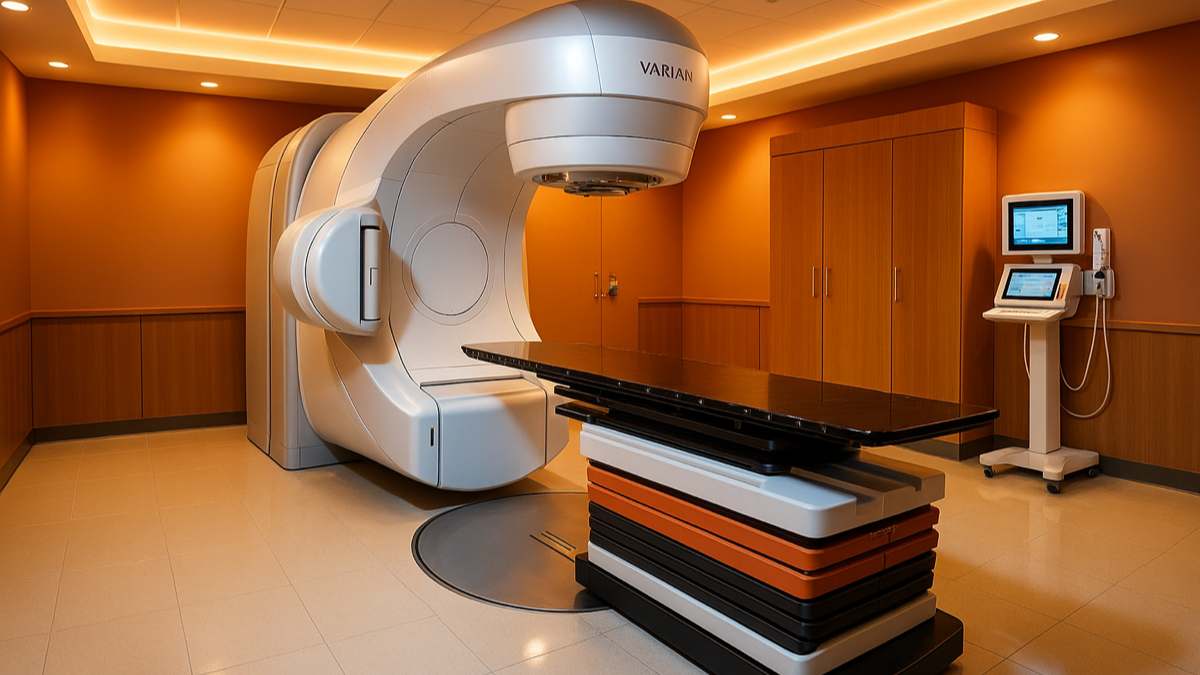
Internal radiation therapy in which radioactive sources are placed directly inside or next to a tumour to deliver a high, targeted radiation dose.

Surgical removal of one or both breasts to treat breast cancer, with options for skin- or nipple-sparing techniques and immediate or delayed reconstruction.

An advanced immunotherapy in which a patient's own T-cells are genetically engineered to recognise and destroy cancer cells, then infused back into the body.
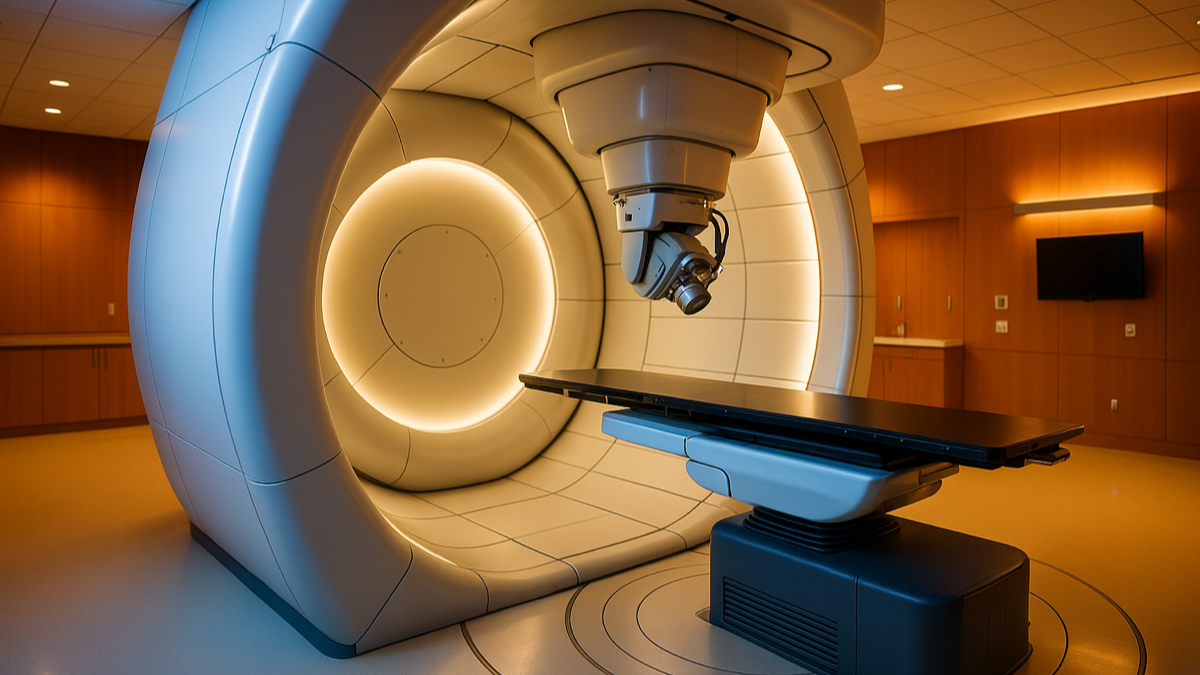
A precise form of external radiation therapy that uses proton beams to target tumours while sparing surrounding healthy tissue.
Frequently asked questions
Does U.S. insurance cover cancer treatment abroad?
Most U.S. health plans do not pay for elective surgery abroad, and cosmetic procedures are not covered at all. The CDC warns that care for complications after surgery abroad may not be covered either.