Is It Safe to Get Dental Work in Mexico? A 2026 Guide for U.S. Patients
Dental care is one of the most common reasons Americans travel abroad for treatment, and Mexico is the most common destination, according to CDC. Here is how to check a Mexican dentist, the problems U.S. and UK dentists see most often afterwards, and how to avoid them.
Is it safe to get dental work in Mexico?
For most patients, yes, if the dentist is properly licensed and you have a plan for follow-up at home. The American Dental Association recognizes that there are very capable dentists outside the U.S., but warns that getting a problem fixed abroad can be difficult (ADA) and that infection-control standards differ between countries (ADA). The most common problems are not dramatic: in a 2022 survey of UK dentists, 86% had treated patients for problems after treatment abroad, most often crowns and implants (BDA survey).
Since May 28, 2026 the U.S. State Department rates Mexico as a whole Level 2, “Exercise Increased Caution”, because of terrorism, crime and kidnapping, and asks U.S. citizens to follow the same rules as U.S. government employees, such as no travel between cities after dark and using Uber or regulated taxi stands (advisory). Most dental visits are short day trips to border towns or stays in Cancun, and stay within that advice.
How to check a dentist in Mexico
- Licence. Mexican law requires every dentist to have a registered degree, which gives a professional licence number (cédula profesional), and to display it (Ley General de Salud, arts. 79 and 83). Look it up in the government registry. Oral surgeons, periodontists and other specialists hold a separate specialty cédula.
- Certification. The Mexican Dental Association’s certification council publishes a list of certified dentists (ADM). It is voluntary, so it is a plus, not a requirement.
- Infection control. Ask how instruments are sterilised and whether new needles and gloves are used for every patient.
Avoiding the common problems
- Get a written plan with every item priced: implants by brand, crowns by material, and whether the abutment is included.
- Make sure you get what you asked for. The UK dentists most often had to repair crowns and implants, including over-prepared teeth and ill-fitting crowns (BDA survey). If you asked for veneers, ask how much enamel will be removed.
- Get the warranty in writing and check what it covers and whether you must return to Mexico to use it.
- Plan the timing. Implants usually need two trips, and the ADA notes that major dental work can need months of healing (ADA).
- Arrange follow-up with a U.S. dentist before you go, as the ADA advises.
Documents and medicines
To come back by land you need a U.S. passport, passport card, enhanced driver’s licence or trusted-traveler card; flying home, you need a passport book or trusted-traveler card (CBP). Medicines bought in Mexico generally may not be brought back; the FDA may allow up to about a three-month personal supply at its discretion (CBP, FDA).
U.S. State Department advisory for Mexico
Level 2 – Exercise Increased Caution (May 28, 2026), because of terrorism, crime and kidnapping. The advisory now covers the whole country and lists restricted areas; U.S. citizens are asked to follow the same rules as U.S. government employees, such as no travel between cities after dark.Read the advisory.
Dentistry clinics in Mexico listed on xcuro
Sorted by the number of independent reviews. Partner clinics have a contract with xcuro; the others are listed for comparison.
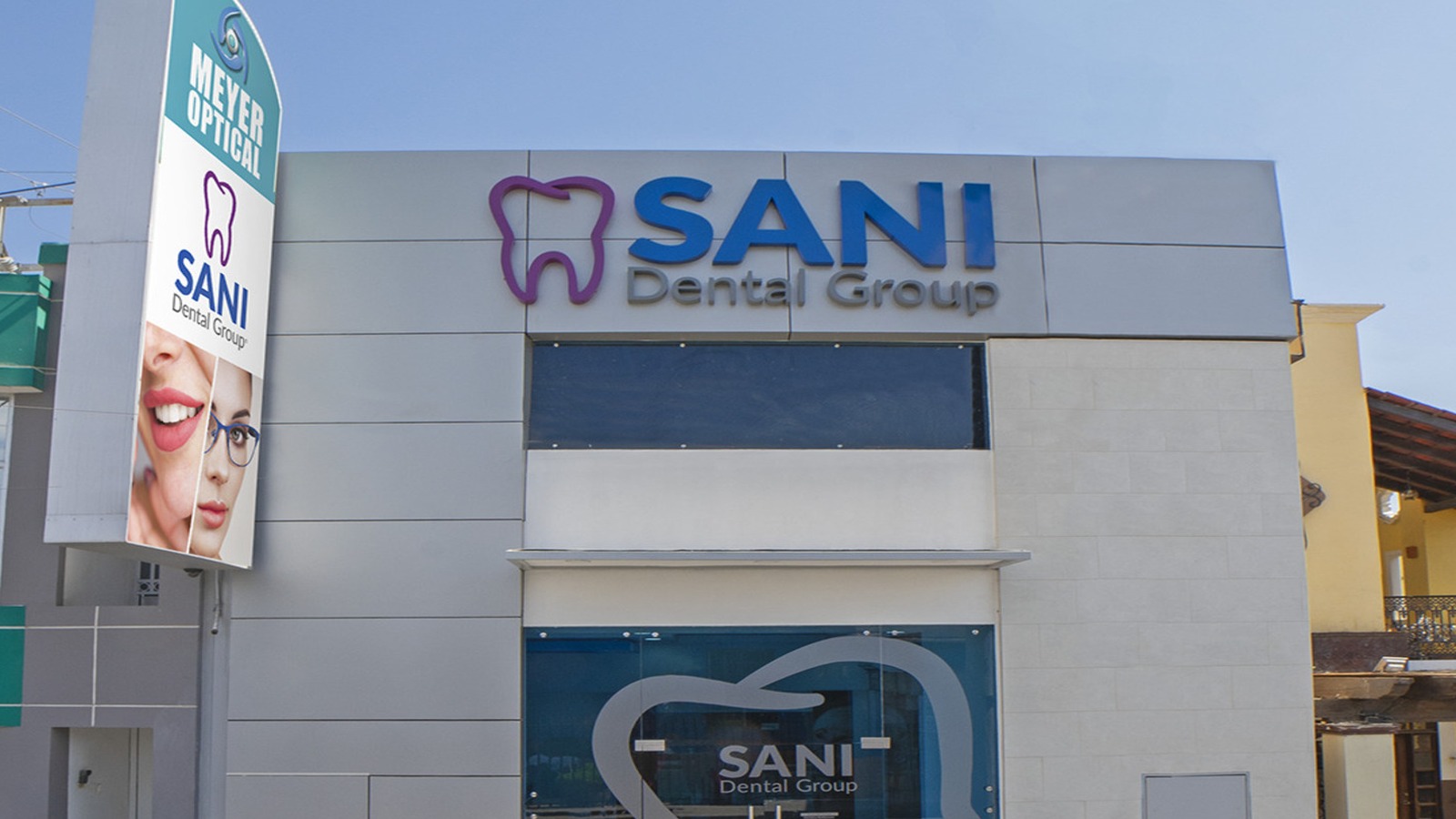
Dentistry prices in Mexico vs the U.S.
Price ranges published by the clinics above (USD), next to the typical U.S. price for the same procedure.
| Procedure | Clinics in Mexico | Typical U.S. price | |
|---|---|---|---|
| All-on-4 Dental Implants 7 clinics | $5,400 - $13,500 | From $15,176 | Full guide → |
| Dental Crowns 8 clinics | $220 - $650 | From $1,399 | Full guide → |
| Dental Implants 8 clinics | $800 - $2,200 | From $2,143 | Full guide → |
| Veneers 6 clinics | $430 - $550 | From $1,455 | Full guide → |
U.S. prices come from the sources named on each procedure page. Travel and hotel are not included.
How xcuro works
- Free for you
You don't pay xcuro anything. If you go ahead with treatment at an xcuro partner clinic, that clinic pays us a referral fee.
- Rankings aren't for sale
Clinics can't pay to be listed, to appear higher or to change their reviews.
- Ratings you can check
Clinic ratings come from Google and Trustpilot, and each one links to its source.
- Prices with sources
Every U.S. price we compare against names its source. Your own quote comes from the clinic in writing.
Frequently asked questions
Is it safe to get dental work in Mexico?
For most patients, yes, with a licensed dentist, a written treatment plan and follow-up arranged at home. The ADA recognizes capable dentists abroad but warns that infection-control standards differ and that fixing problems abroad can be hard.
How do I check a Mexican dentist’s licence?
Ask for the dentist’s cédula profesional and look it up in the Secretaría de Educación Pública registry. Mexican law requires dentists to display it. Specialists have a separate specialty cédula.
What problems are most common after dental work abroad?
In a 2022 survey of UK dentists, 86% had treated patients for problems after treatment abroad. Crowns and implants needed follow-up most often, including over-prepared teeth and ill-fitting crowns.
Is Los Algodones or Tijuana safer for dental work?
Both are in Baja California, which shares Mexico’s countrywide Level 2 advisory. The dentist matters more than the town; see our Los Algodones and Tijuana guides for border hours, parking and documents.
Do dental warranties in Mexico work for U.S. patients?
Only as well as the written terms. Ask what the warranty covers, whether it pays for your travel, and whether you must return to Mexico to use it.
Before you travel: what the CDC recommends
- Check the qualifications of the clinician who will perform the procedure and the credentials of the facility.
- Make sure you can get follow-up care in the United States. Care for complications can be expensive and might not be covered by your health insurance.
- Obtain international travel health insurance that covers medical evacuation back to the United States.
- See your own healthcare provider 4–6 weeks before the trip to discuss risks specific to your health.
Sources
- Statement on dental tourism — American Dental Association, CEBJA (2009)
- Dental care while traveling — American Dental Association (MouthHealthy)
- Dental tourism: nine in 10 dentists have treated patients who travelled abroad — Dentistry.co.uk, reporting a BDA survey (2022)
- Mexico Travel Advisory — U.S. Department of State
- Ley General de Salud (arts. 79, 83, 272 Bis) — Cámara de Diputados, Mexico
- Registro Nacional de Profesionistas (cédula profesional) — Secretaría de Educación Pública
- Certified dentists — Consejo de Certificación, Asociación Dental Mexicana
- Western Hemisphere Travel Initiative — U.S. Customs and Border Protection
- Prohibited and restricted items: medication — U.S. Customs and Border Protection
- Personal importation — U.S. Food and Drug Administration
- Medical Tourism — CDC Travelers’ Health