Is It Safe to Get Veneers in Mexico? A 2026 Guide for U.S. Patients
Veneers are permanent, so the dentist matters more than the price. Here is what the ADA and long-term studies say, how to check a Mexican dentist, and what to get in writing.
Is it safe to get veneers in Mexico?
It can be, with a licensed dentist, a written plan for every tooth and a dentist at home for maintenance. The main risk with veneers is not the trip: it is that veneers are permanent, because enamel is ground off (ADA), and that cheap “smile makeovers” sometimes turn into crowns on healthy teeth. The American Dental Association also warns against unlicensed “veneer technicians”: unsupervised treatment by unlicensed people can cause infection and nerve damage (ADA).
Since May 29, 2026 the U.S. State Department rates Mexico as a whole Level 2, “Exercise Increased Caution”, because of terrorism, crime and kidnapping, and asks U.S. citizens to follow the same rules as U.S. government employees, such as no travel between cities after dark and using Uber or regulated taxi stands (advisory).
What you are agreeing to: veneers vs crowns
A veneer covers only the front of a tooth; a crown covers the whole tooth (ADA). Both remove natural tooth, and the American Dental Association is clear that veneers are permanent: “Treatment is not reversible because tooth enamel is removed to place a veneer” (ADA).
- Porcelain veneers are made by a dental lab from a scan or impression, so you usually wear temporaries until they are ready; they are strong and stain-resistant but cost more (ADA).
- Composite veneers are built up on the tooth in one sitting, may need less enamel removed and are easier to fix, but stain and wear more (ADA).
- Not everyone is a candidate. Decay and gum disease must be treated first, and veneers may not suit you if you clench or grind your teeth or have a deep overbite (ADA).
How long veneers last
A review of 13 studies found that 89% of porcelain veneers were still in place after a median of 9 years; chipping and fractures were the most common problem (Morimoto et al., 2016). A university clinic that followed 318 veneers found 94% surviving at 5 years, 93.5% at 10 and 83% at 20, and a 7.7 times higher risk of failure in patients who grind their teeth (Beier et al., 2012). Veneers can also chip, loosen, and get cavities under them (ADA). In practice, any repair or replacement in the coming years will be done by a dentist at home, so budget for it.
How to check a dentist in Mexico
- Check the license. Every dentist in Mexico has a professional license number (cédula profesional); look it up in the government registry. If a dentist says they are a specialist, ask for the specialist cédula number and look it up too.
- Certification. The Mexican Dental Association’s certification council lists certified dentists (ADM). It is voluntary, so it is a plus, not a requirement.
- Get a tooth-by-tooth plan in writing: which teeth get veneers and which get crowns, how much enamel will be removed, porcelain or composite, and which lab makes them.
- Keep the records: before and after X-rays, the material and shade, so a U.S. dentist can repair or match them later.
- Ask the regulator’s questions. The UK dental regulator’s checklist for treatment abroad asks: who will treat you and what are their qualifications, how many times have they done the procedure and what are the complication rates, is the work guaranteed and for how long, and “who pays for the extra flights, hotel and remedial work?” (General Dental Council). Ask the same, in writing.
Before you go and after you come back
Arrange a U.S. dentist for follow-up before you travel: the ADA notes that many dental procedures need months of healing and follow-up (ADA), and CDC warns that treating complications at home can be expensive and may not be covered by insurance (CDC). Ask what the clinic’s warranty covers and whether you have to fly back to use it.
U.S. State Department advisory for Mexico
Level 2 – Exercise Increased Caution (May 29, 2026), due to terrorism, crime and kidnapping. Level 3 – Reconsider Travel: Baja California (Tijuana, Los Algodones) and Jalisco (Guadalajara, Puerto Vallarta). Quintana Roo (Cancún): Exercise Increased Caution.Read the advisory.
Dentistry clinics in Mexico listed on xcuro
Clinics that publish veneers prices come first, then by the number of independent reviews. Partner clinics have a contract with xcuro; the others are listed for comparison.
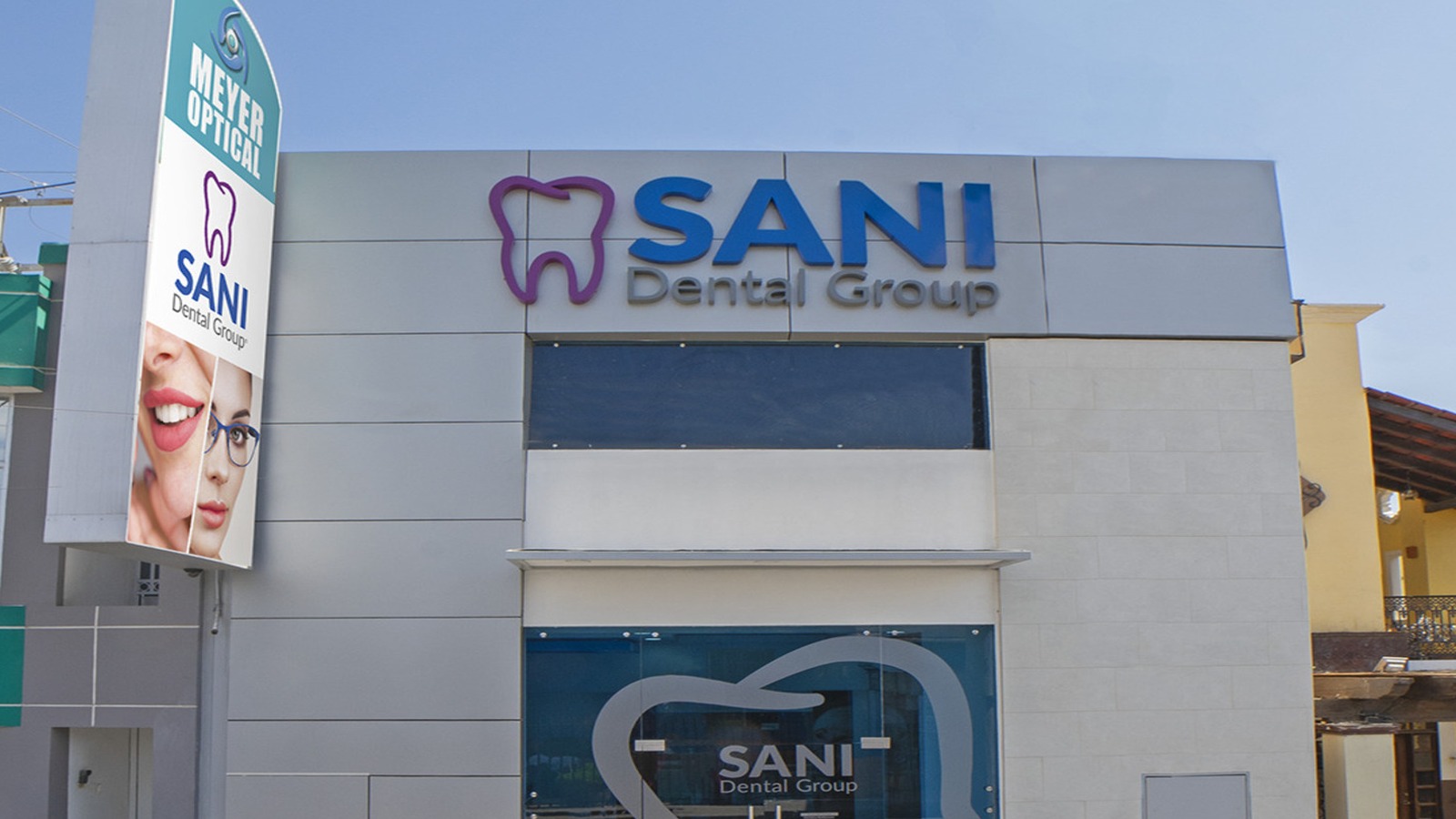

Dentistry prices in Mexico vs the U.S.
Price ranges published by the clinics above (USD), next to the typical U.S. price for the same procedure.
| Procedure | Clinics in Mexico | Typical U.S. price | |
|---|---|---|---|
| Veneers 6 clinics | $430 - $550 | From $1,455 | Full guide → |
| All-on-4 Dental Implants 7 clinics | $5,400 - $13,500 | From $15,176 | Full guide → |
| All-on-6 Dental Implants 5 clinics | $8,000 - $14,499 | From $29,980 | Full guide → |
| Dental Bridge 2 clinics | $690 - $1,290 | $4,100 - $9,650 | Full guide → |
| Dental Crowns 8 clinics | $220 - $650 | From $1,399 | Full guide → |
| Dental Implants 8 clinics | $800 - $2,200 | From $2,143 | Full guide → |
| Dentures 4 clinics | $300 - $1,200 | $1,493 - $3,309 | Full guide → |
| Root Canal 6 clinics | $250 - $550 | $679 - $1,733 | Full guide → |
U.S. prices come from the sources named on each procedure page. Travel and hotel are not included.
How xcuro works
- Free for you
You don't pay xcuro anything. If you go ahead with treatment at an xcuro partner clinic, that clinic pays us a referral fee.
- Rankings aren't for sale
Clinics can't pay to be listed, to appear higher or to change their reviews.
- Ratings you can check
Clinic ratings come from Google and Trustpilot, and each one links to its source.
- Prices with sources
Every U.S. price we compare against names its source. Your own quote comes from the clinic in writing.
Frequently asked questions
Is it safe to get veneers in Mexico?
It can be, with a licensed dentist and a written plan for each tooth. Veneers are permanent because enamel is removed, so check the dentist’s cédula profesional, ask whether each tooth gets a veneer or a crown, and arrange a dentist at home for maintenance.
Are veneers permanent?
Yes. The ADA says treatment is not reversible because enamel is removed. Composite veneers usually need less enamel removed than porcelain.
How long do veneers last?
Studies of porcelain veneers found about 89% still in place after a median of 9 years, and 83% after 20 years at one university clinic. Grinding your teeth raises the risk of failure sharply.
How do I check a dentist in Mexico?
Look up the dentist’s cédula profesional in the SEP government registry, and check the Mexican Dental Association’s certification list, which is voluntary.
What is the difference between veneers and crowns?
A veneer covers the front of the tooth; a crown covers the whole tooth and needs more of it removed. Ask for a tooth-by-tooth plan in writing.
Before you travel: what the CDC recommends
- Check the qualifications of the clinician who will perform the procedure and the credentials of the facility.
- Make sure you can get follow-up care in the United States. Care for complications can be expensive and might not be covered by your health insurance.
- Obtain international travel health insurance that covers medical evacuation back to the United States.
- See your own healthcare provider 4–6 weeks before the trip to discuss risks specific to your health.
Sources
- Veneers — American Dental Association (MouthHealthy)
- Crowns — American Dental Association (MouthHealthy)
- Survival of porcelain laminate veneers: systematic review and meta-analysis (Morimoto et al., 2016) — International Journal of Prosthodontics
- Clinical performance of porcelain laminate veneers for up to 20 years (Beier et al., 2012) — International Journal of Prosthodontics
- Mexico Travel Advisory — U.S. Department of State
- Registro Nacional de Profesionistas (cédula profesional) — Secretaría de Educación Pública
- Certified dentists — Consejo de Certificación, Asociación Dental Mexicana
- Going abroad for dental treatment — General Dental Council (UK dental regulator)
- Dental care while traveling — American Dental Association (MouthHealthy)
- Medical Tourism — CDC Travelers’ Health