Breast Reduction in Istanbul: 2026 Prices and Clinics for U.S. Patients
Breast reduction in Istanbul means 1 or 2 nights in the hospital and one trip of about 10 to 14 days. Check your U.S. insurance first; here is how to plan the trip if you go.
Flights and extra hotel nights are not included in either price. Final quotes depend on your case.
Breast Reduction clinics in Istanbul: prices and independent ratings
Prices are each clinic's own quoted range in USD, as of October 2026. Ratings come from independent review platforms and link to the source.
| Clinic | Price | Independent ratings | |
|---|---|---|---|
| Dr. Cağrı Sade Plastic Surgery Center xcuro partner Istanbul · Turkish Ministry of Health | From $3,485 | ||
| Memorial Ataşehir Hospital xcuro partner Istanbul · ISO 9001, JCI, Health Tourism Cert. | $3,600 - $5,800 | ||
| Medipol Mega Üniversite Hastanesi xcuro partner Istanbul · JCI | From $3,700 | ||
| Quartz Hospital xcuro partner Istanbul · Health Tourism Cert. | $4,570 - $7,615 |
How clinics get listed: our methodology. Clinics do not pay for position on this page.Compare the clinics side by side.
Your trip, day by day
Typical, from the “Your trip, day by day” section of this guide; plan on 10 to 14 days in Istanbul. Your clinic’s schedule may differ — ask for it in writing.
- Day 1Arrive. Consultation, measurements and pre-op tests. Agree on the target size and the scar pattern.
- Day 2Surgery (2 to 3 hours) under general anesthetic.
- Day 3–41 or 2 nights in the hospital; drains usually removed after 1 or 2 days, then discharge.
- Day 5–9Hotel. Support bra day and night if your surgeon asks; no lifting or stretching. Wound check at the clinic.
- Day 10–14Fly home. ASPS suggests at least 5 to 7 days after body surgery; CDC 10 to 14 days after major surgery on the chest.
Breast Reduction in Istanbul: pros and cons for U.S. patients
- An option if your U.S. insurer has denied coverage.
- Direct flights from 14 U.S. cities to IST.
- Two of the four clinics are on the same Nişantaşı avenue.
- No visa needed for U.S. passport holders.
- At home it may be covered by insurance; abroad you pay yourself.
- Chest surgery and a 10 to 13 hour flight: CDC advises 10 to 14 days.
- Complication insurance is not mandatory in Türkiye.
- Wound problems after you get home are treated in the U.S.
How xcuro works
- Free for you
You don't pay xcuro anything. If you go ahead with treatment at an xcuro partner clinic, that clinic pays us a referral fee.
- Rankings aren't for sale
Clinics can't pay to be listed, to appear higher or to change their reviews.
- Ratings you can check
Clinic ratings come from Google and Trustpilot, and each one links to its source.
- Prices with sources
Every U.S. price we compare against names its source. Your own quote comes from the clinic in writing.
Breast reduction in Istanbul: the short answer
Breast reduction removes fat, gland tissue and skin and moves the nipple higher. The NHS describes 2 to 3 hours under general anesthetic, 1 or 2 nights in the hospital, and drains that usually come out after 1 or 2 days (NHS). Before you plan a trip, ask your U.S. insurer: unlike most cosmetic surgery, breast reduction for symptoms such as back pain is often a covered procedure at home, though ASPS reports that denials rose from 18% in 2012 to 41% in 2017 in one study (ASPS). Istanbul makes most sense if you have been denied or are paying yourself.
Getting to Istanbul from the U.S.
Turkish Airlines has direct flights to Istanbul from 14 U.S. cities. The nonstop is about 9 hours 40 minutes from New York (Kayak) and about 13 hours from Los Angeles (Kayak), into Istanbul Airport (IST).
- Nişantaşı (Şişli): Dr. Cağrı Sade Plastic Surgery Center and Quartz are both on Abdi İpekçi Avenue. From IST, the M11 metro reaches Gayrettepe in about 30 minutes and connects with the M2 line toward Taksim (Ministry of Transport).
- Medipol Mega University Hospital is in Bağcılar, in the west of the European side.
- Memorial Ataşehir is on the Asian side. Sabiha Gökçen (SAW) is the airport on that side, 40 km (25 miles) from Kadıköy (Sabiha Gökçen Airport); if you fly nonstop to IST, allow for the drive across the Bosphorus.
Your trip, day by day
One trip of about 10 to 14 days.
| Day | What happens |
|---|---|
| Day 1 | Arrive. Consultation, measurements and pre-op tests. Agree on the target size and the scar pattern. |
| Day 2 | Surgery (2 to 3 hours) under general anesthetic. |
| Day 3–4 | 1 or 2 nights in the hospital; drains usually removed after 1 or 2 days, then discharge. |
| Day 5–9 | Hotel. Support bra day and night if your surgeon asks; no lifting or stretching. Wound check at the clinic. |
| Day 10–14 | Fly home. ASPS suggests at least 5 to 7 days after body surgery; CDC 10 to 14 days after major surgery on the chest. |
ASPS's guidance for body procedures is 5 to 7 days before flying (ASPS), but the CDC singles out surgery on the chest and advises 10 to 14 days. The NHS says swelling can last about 3 months, recovery takes 2 to 6 weeks, and some surgeons suggest a sports bra 24 hours a day for up to 3 months (NHS).
Is Istanbul safe for breast reduction?
The U.S. State Department rates Türkiye Level 2: “Exercise increased caution in Türkiye due to terrorism, armed conflict, and arbitrary detentions” (State Department, June 2026). It also asks for care in crowded places such as airports and says not to travel to the border region with Syria and Iraq, far from Istanbul. Read Is It Safe to Get Plastic Surgery in Turkey? and the Istanbul city guide before you book.
How to check a breast reduction surgeon in Istanbul
- Scar pattern. Ask whether you will have an anchor-shaped scar or a vertical one only; the NHS says it depends on the type of surgery (NHS).
- Specialty in writing. Check plastic surgeons in the Turkish society's member search, and ask who gives the anesthesia.
- Authorization. The clinic needs Türkiye's health-tourism authorization certificate (2025 health-tourism regulation), must show it on its website, and the website name must match its license (2025 advertising regulation). Agencies are listed on HealthTürkiye.
- Complication cover. Not mandatory: Türkiye's Council of State suspended the insurance requirement on December 25, 2025 (Turkish Medical Association). Ask what the clinic covers if a wound opens after you are home.
- Records for your insurer. If you hope for any reimbursement, ask for the weight of tissue removed and the operative notes in English.
Use our list of questions to ask a plastic surgeon at the consultation.
Recovery logistics in Istanbul
Book a hotel near your clinic for the wound check, with front-opening clothes and two support bras. Ask the clinic to carry your bags to the airport. Arrange a U.S. surgeon for follow-up before you go: the CDC says care for complications at home may not be covered by insurance.
More: Breast Reduction in Turkey and breast reduction cost in the U.S..
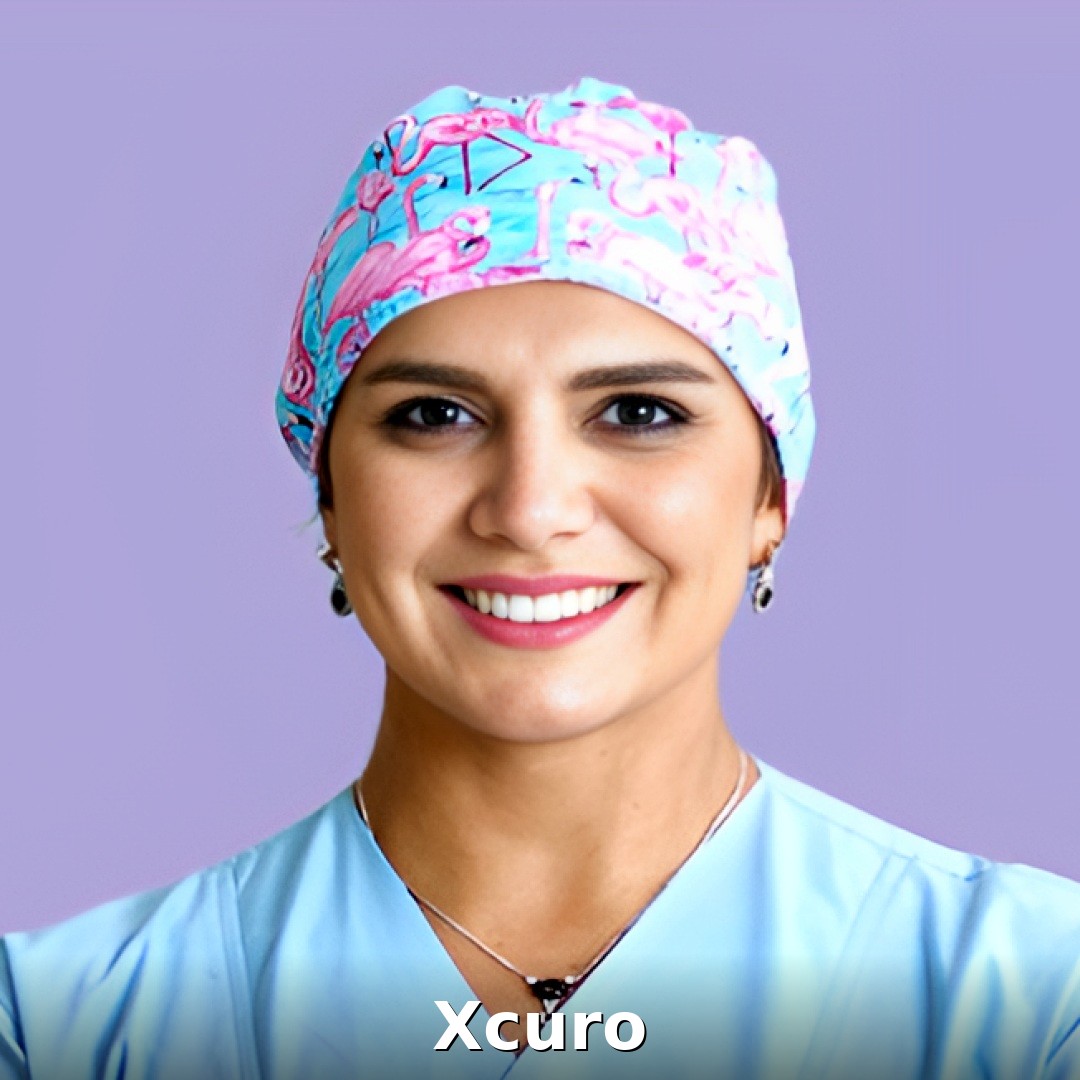
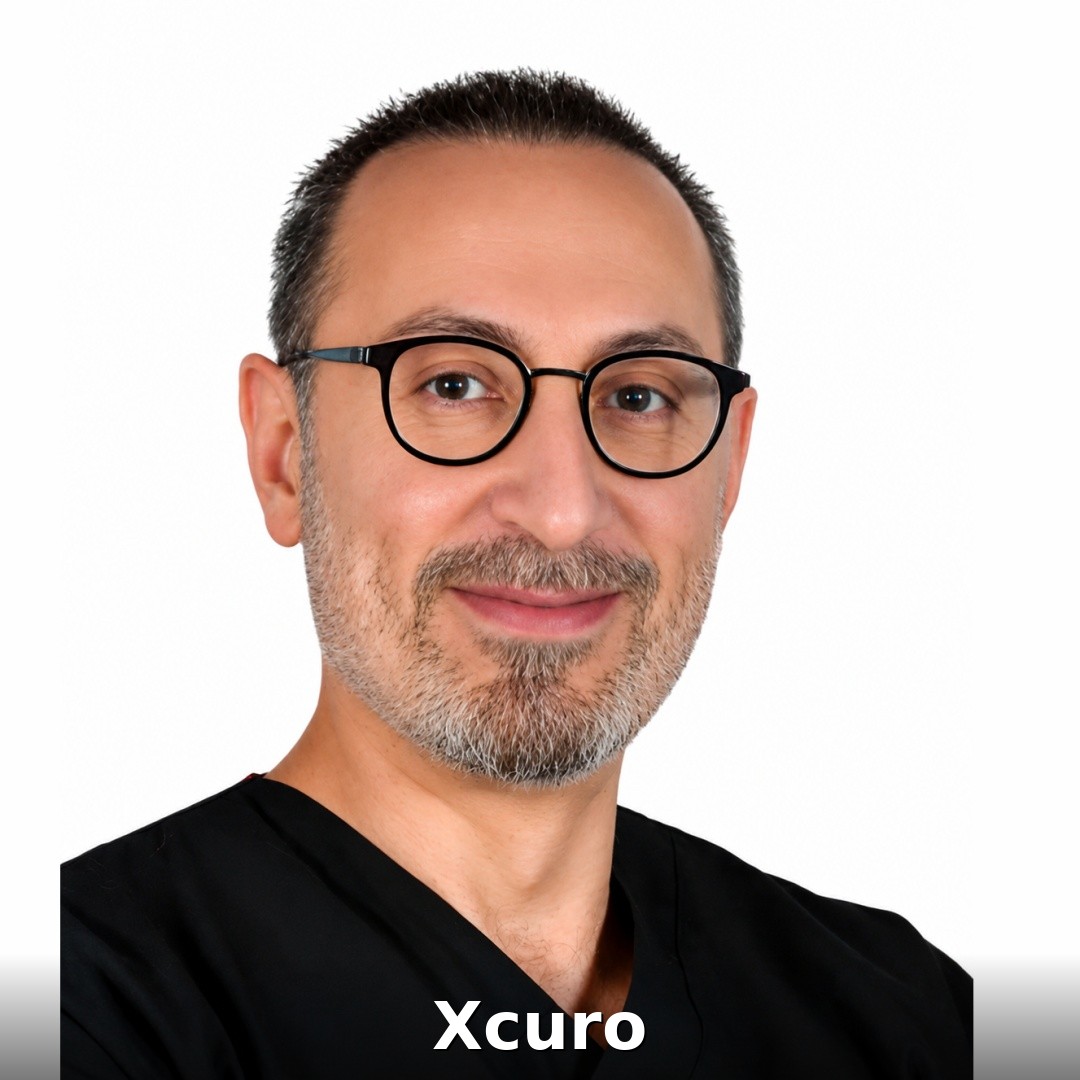
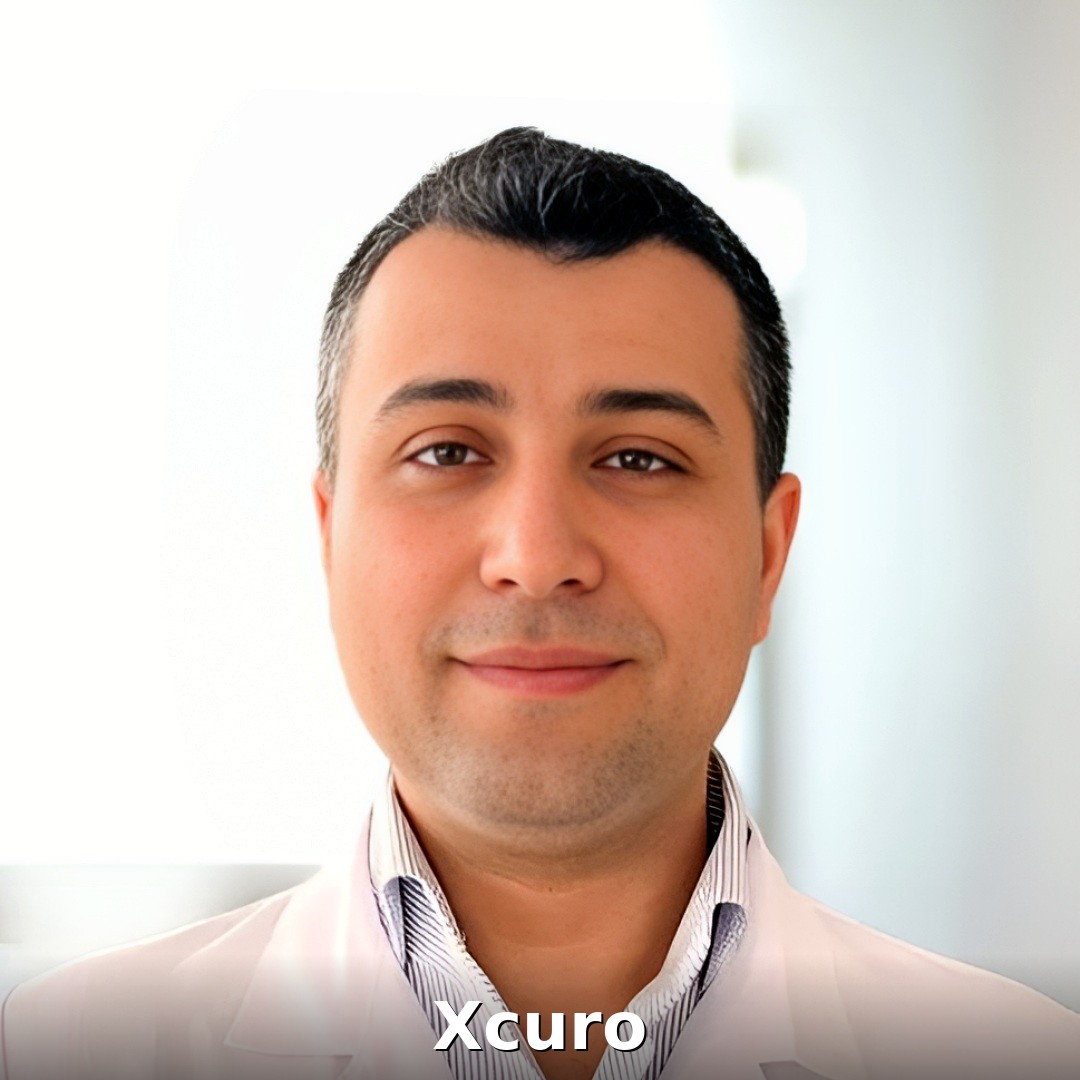
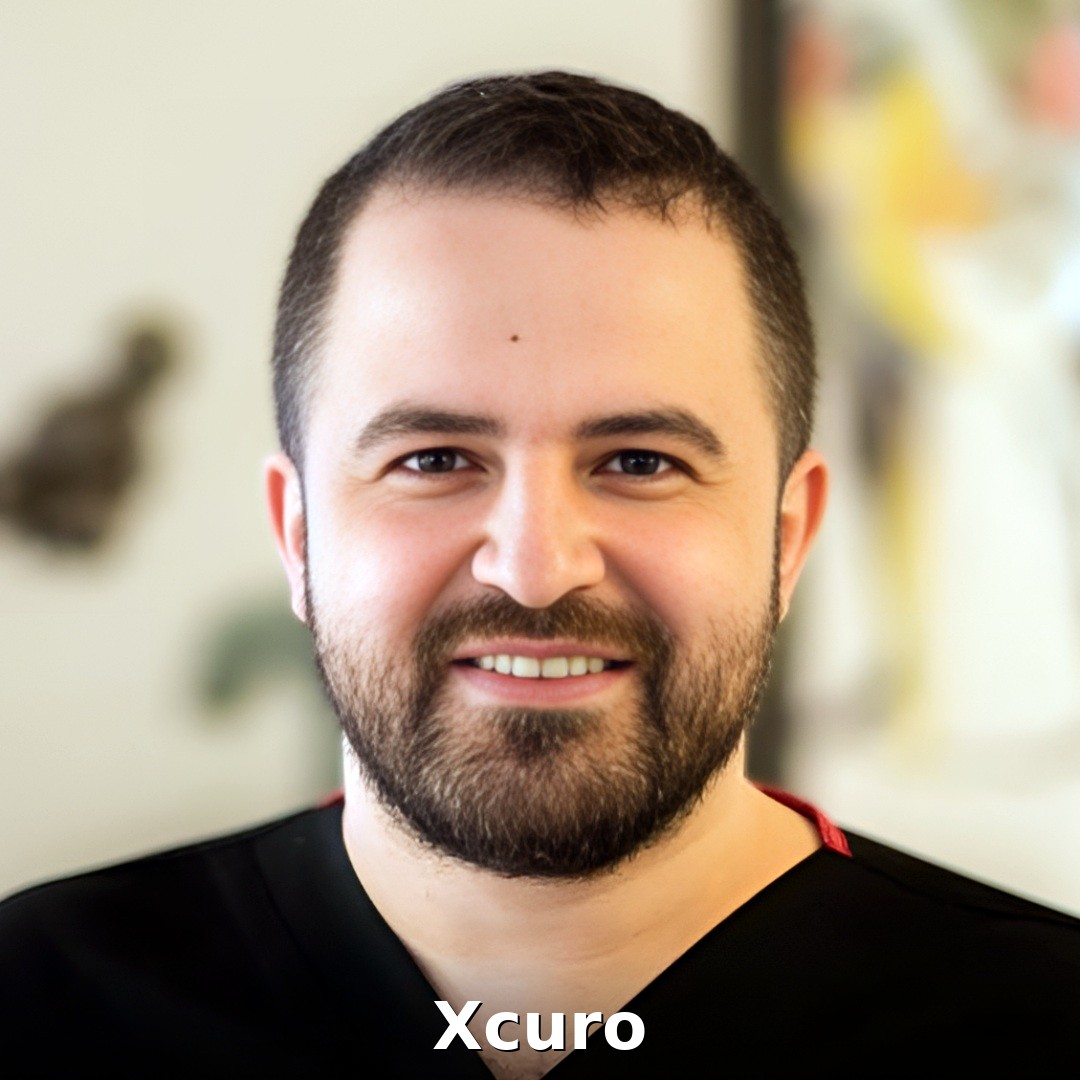
Breast Reduction doctors in Istanbul
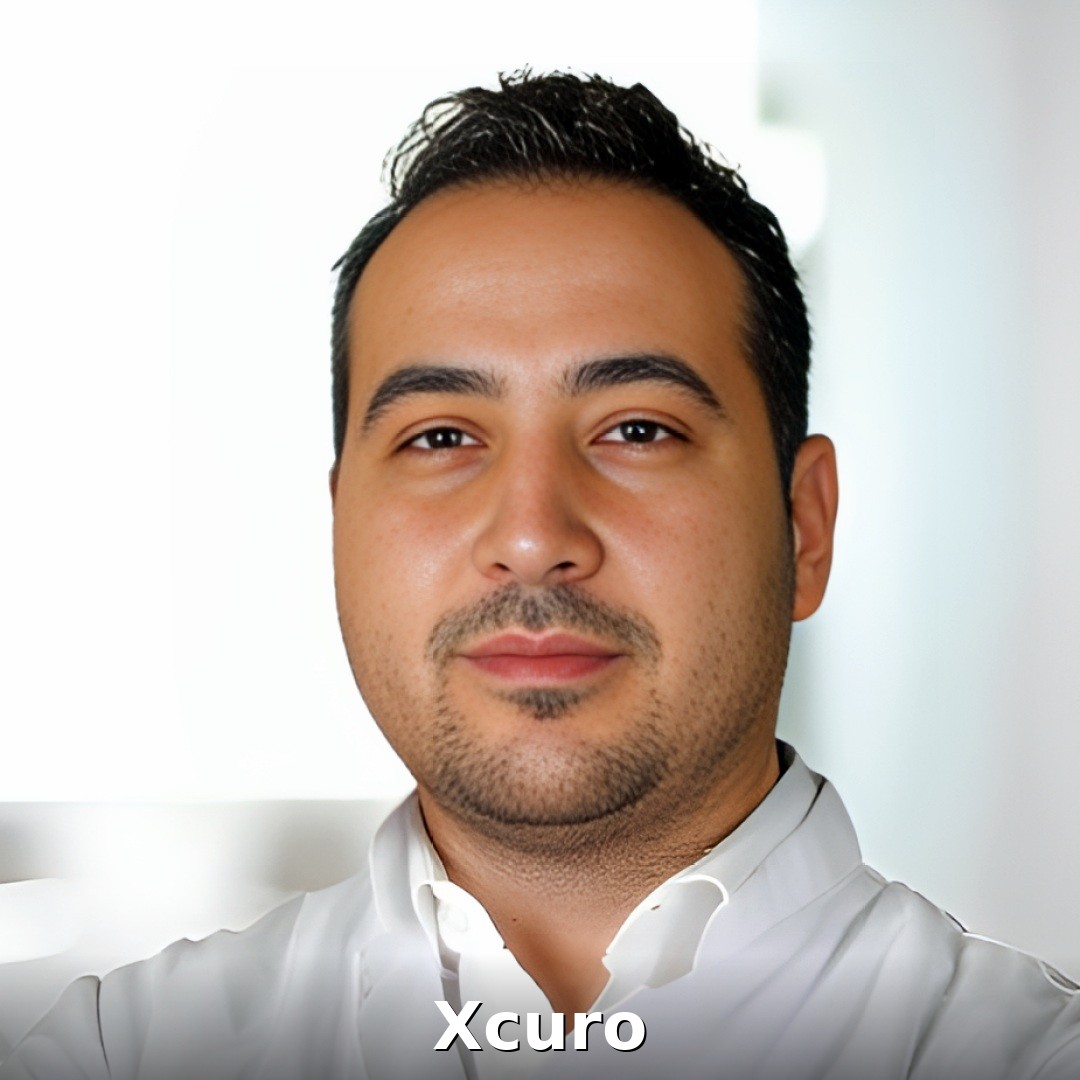
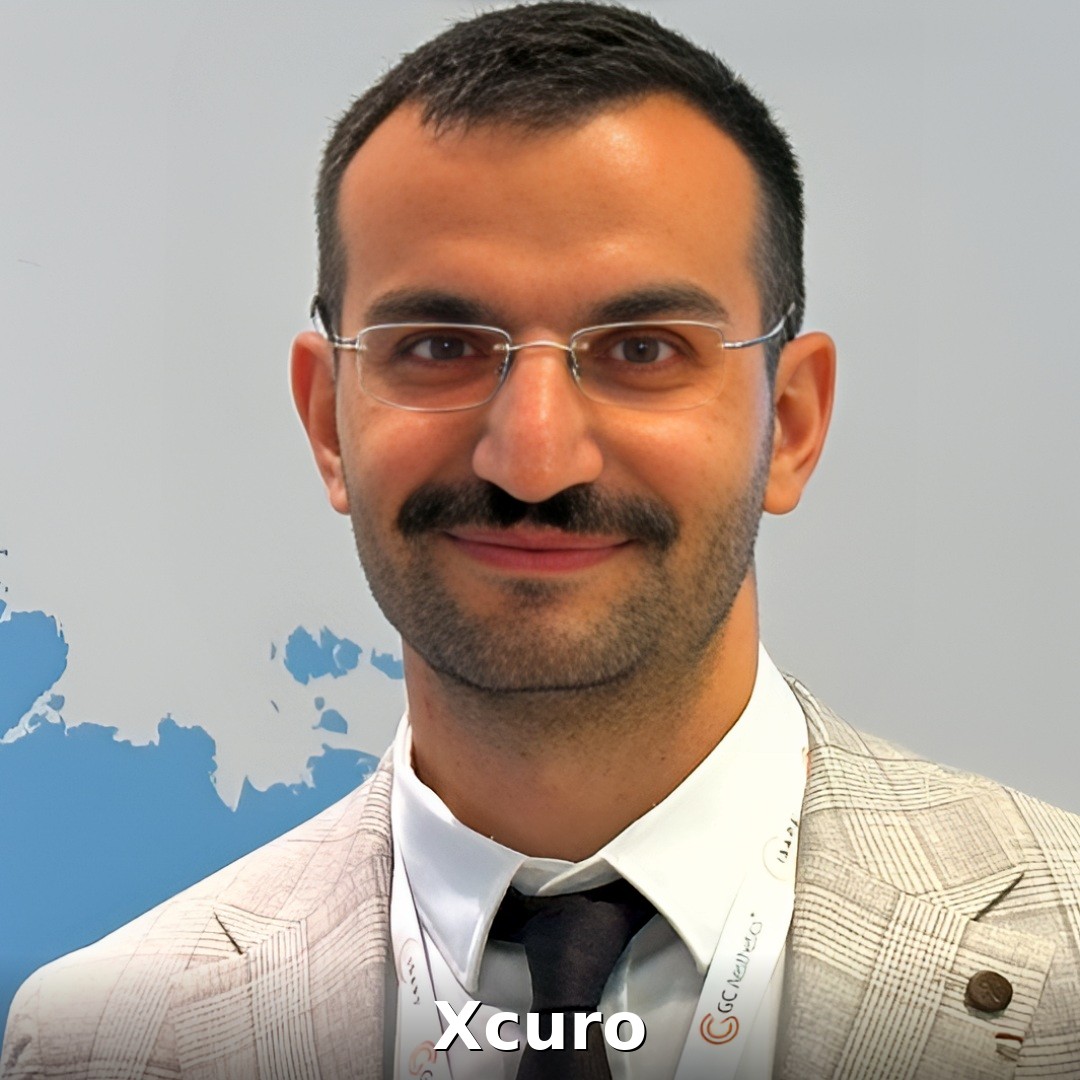

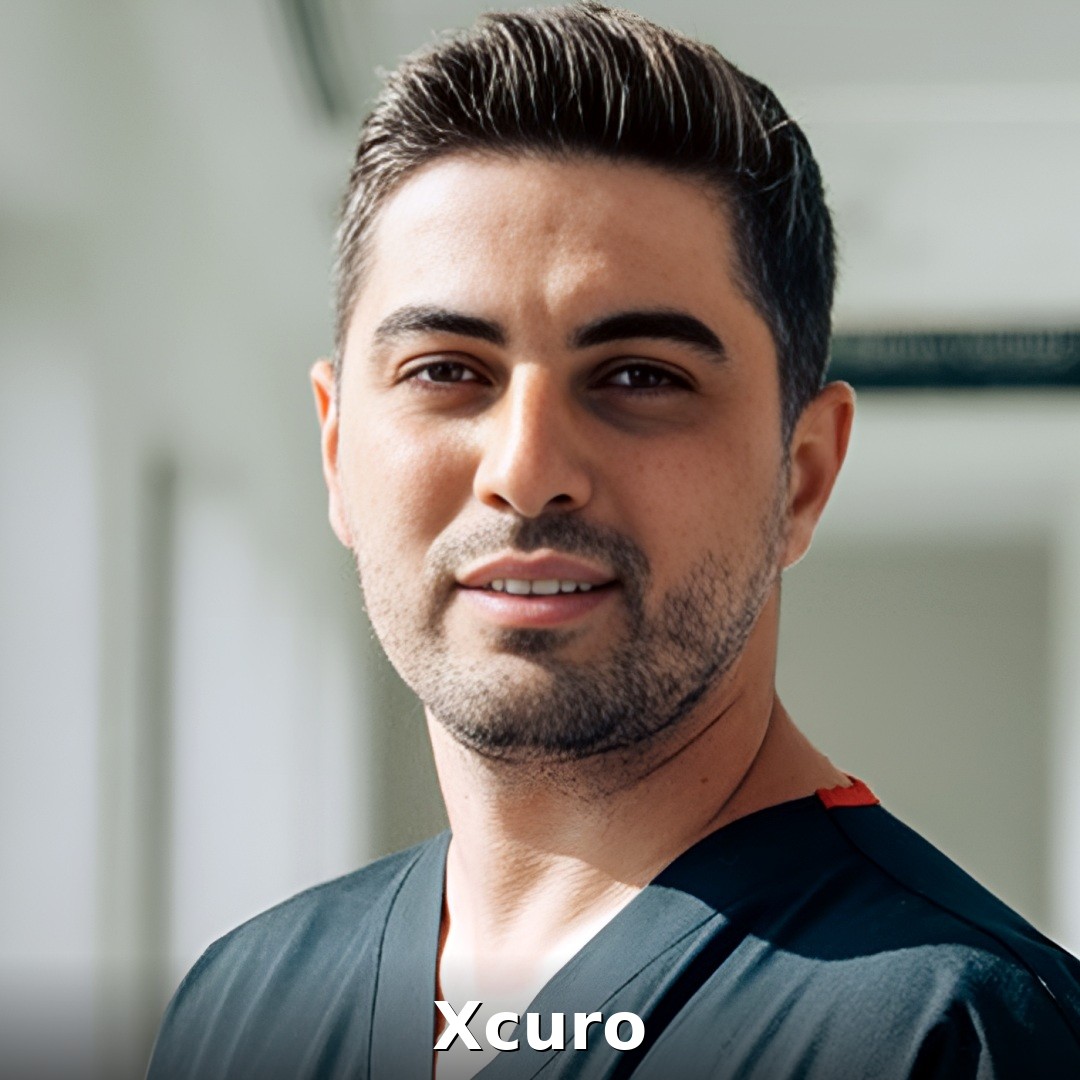

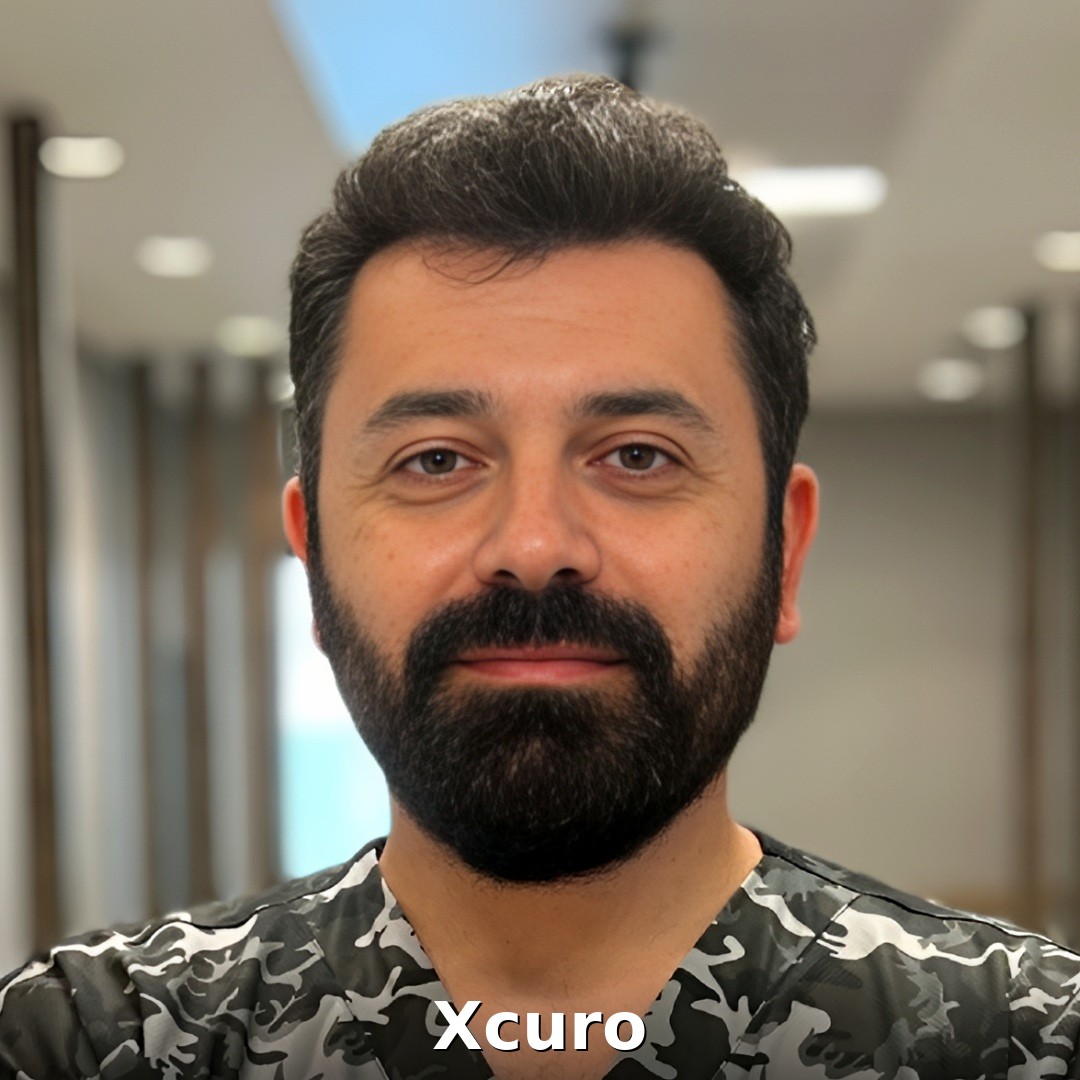
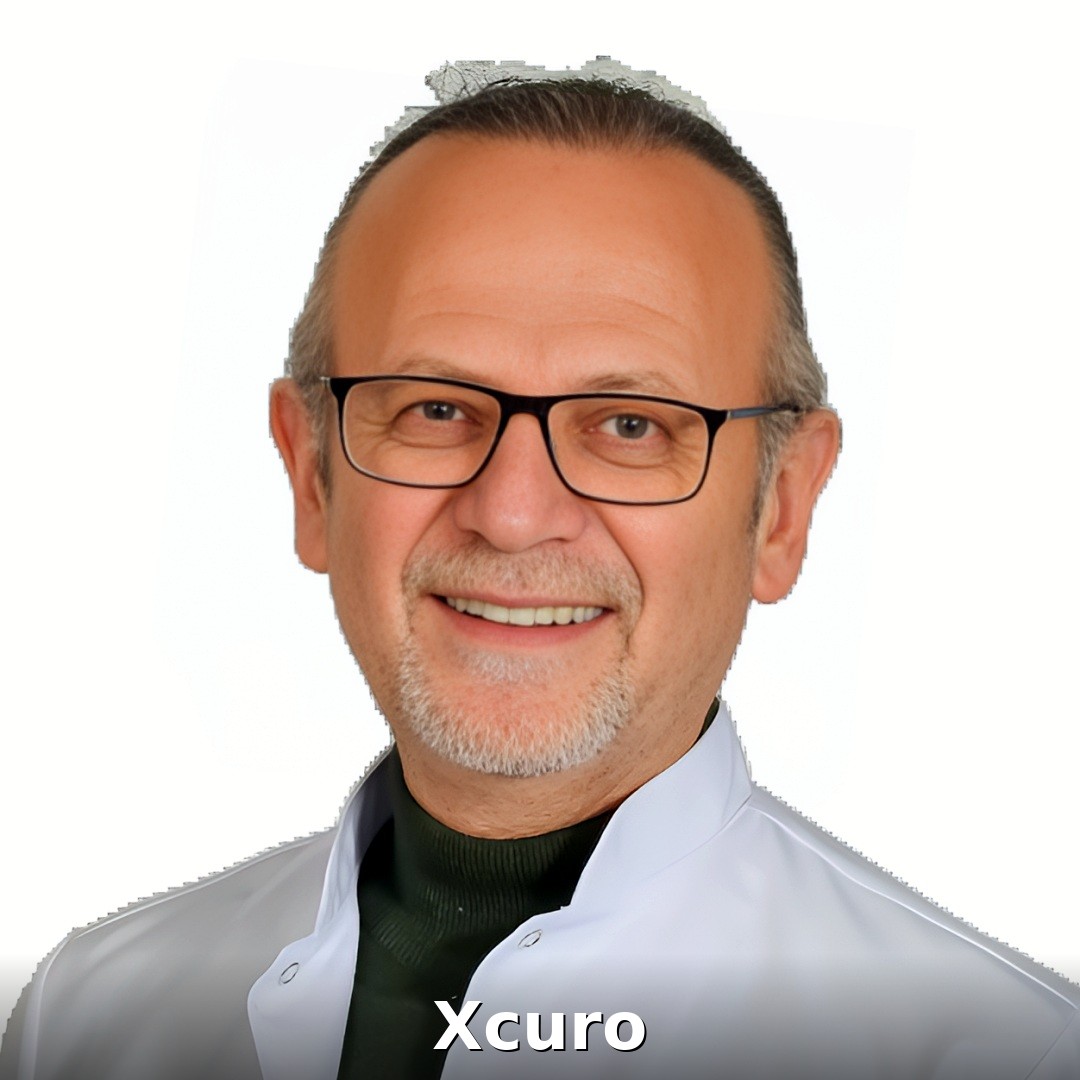
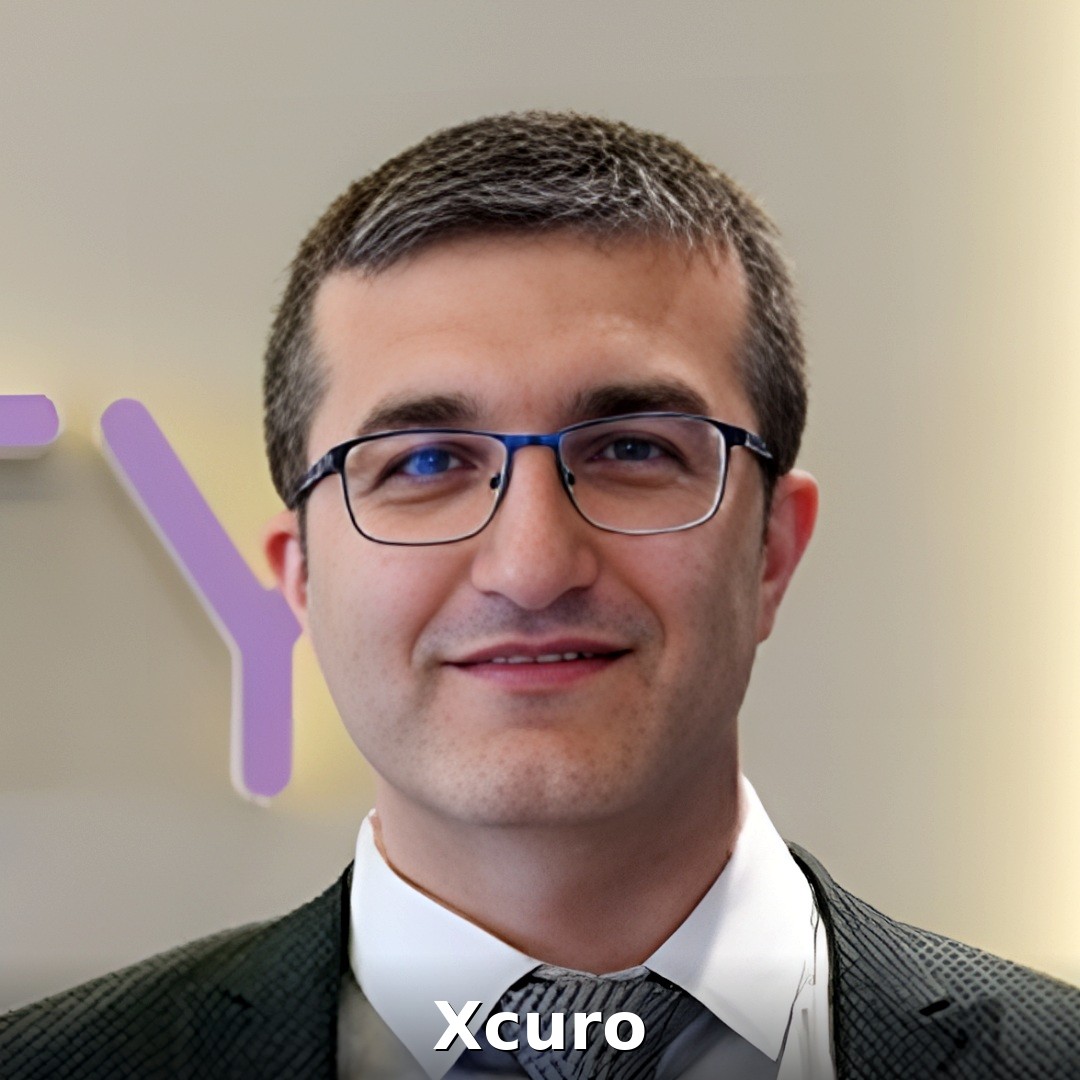
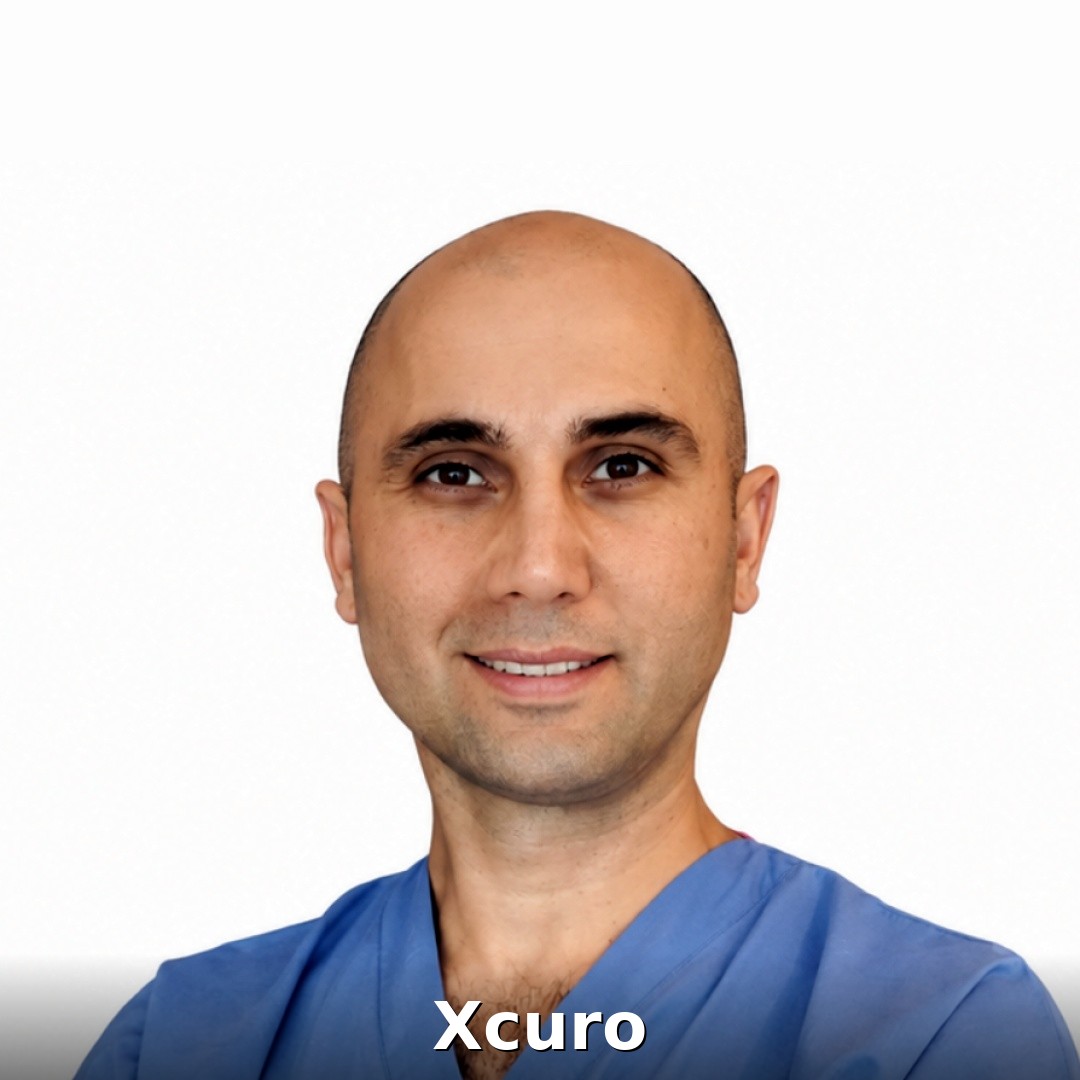
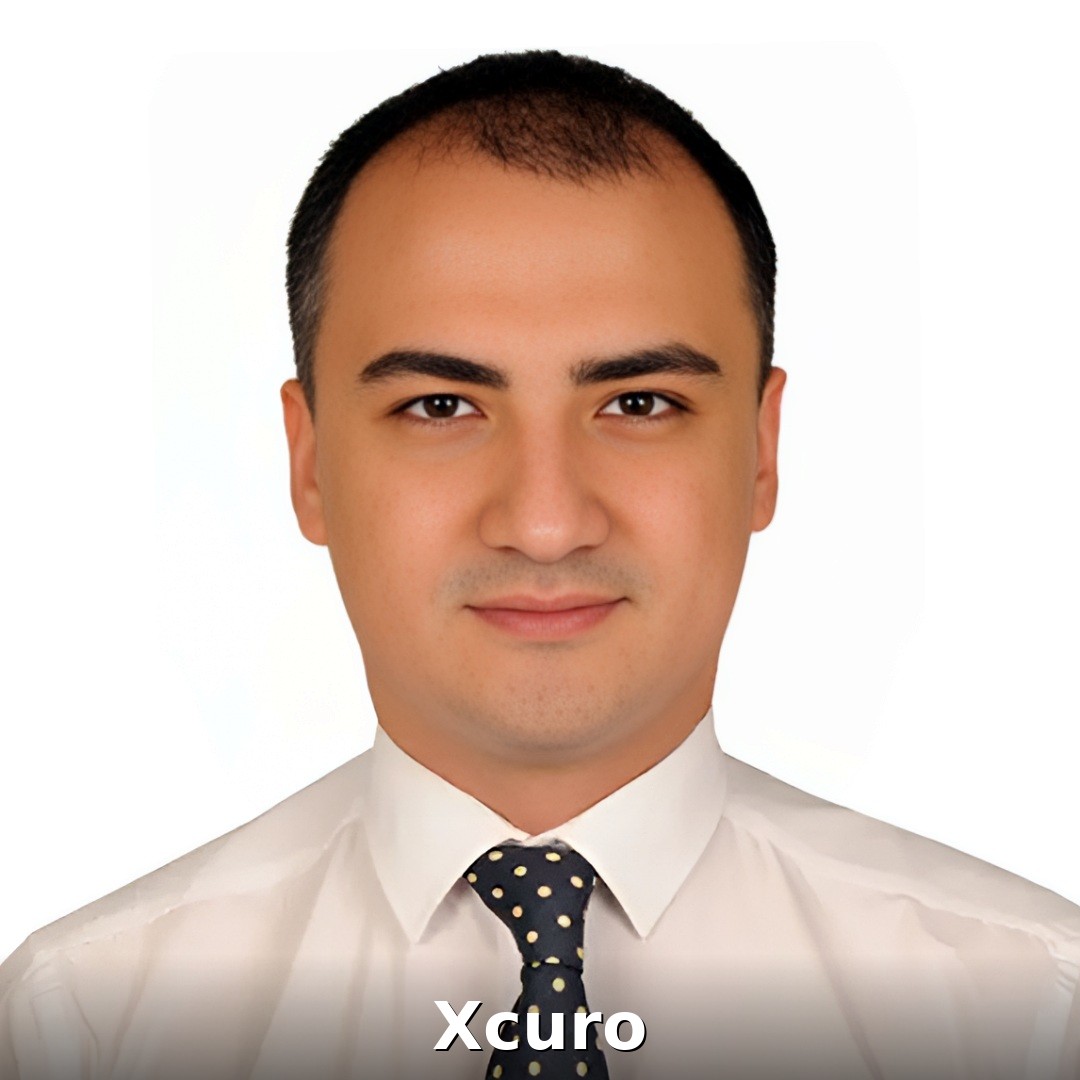




Breast Reduction before & after: surgeons in Istanbul
Results from surgeons listed on xcuro. Individual results vary; ask your surgeon for results in patients similar to you.


If something goes wrong after breast reduction in Turkey
Emergency? In the U.S., call 911; in Turkey, call 112. Then tell the clinic in writing.
Get help now if you notice these after cosmetic surgery
- Sudden shortness of breath, chest pain or a racing heart: call 911 (possible blood clot).
- Confusion, clammy skin, fever with shivering or extreme pain: call 911 (possible sepsis).
- Swelling, pain, warmth or redness in one leg: see a doctor the same day.
- Increasing redness, swelling, or yellow or green drainage at an incision, or a fever of 100°F or higher: call your surgeon today.
- Sudden swelling of one breast or a collection of fluid or blood under the skin: call your surgeon today.
Where to complain in Turkey
- Ministry of Health Communication Center, SABİM (ALO 184): Complaints about health services in Türkiye, public and private.Call 184 from a Turkish phone. A Ministry of Health directorate page says complaints about health services go to ALO 184 and that postal applications are not accepted. We could not confirm English service on 184 or an online route for patients abroad.
- HealthTürkiye / USHAŞ (International Health Services Inc.) international patient line: Claims and inquiries from international patients. USHAŞ is a state company affiliated with the Ministry of Health that also promotes health tourism, so it is not an independent regulator.International Health Services Call Center, +90 850 288 38 38, 24/7 in six languages (listed on a Ministry of Health hospital site). HealthTürkiye's FAQ says that after incorrect treatment causing damage, a patient has the right to complain and to compensation.
The U.S. embassy keeps a list of local doctors and hospitals.
What to do if something goes wrong: the full guide for U.S. patients →
Frequently asked questions
How long do I need to stay in Istanbul for breast reduction?
About 10 to 14 days. You will spend 1 or 2 nights in the hospital (<a href="https://www.nhs.uk/tests-and-treatments/cosmetic-procedures/cosmetic-surgery/breast-reduction-female/" target="_blank" rel="nofollow noopener">NHS</a>), and CDC advises waiting 10 to 14 days before flying after major chest surgery (<a href="https://wwwnc.cdc.gov/travel/page/medical-tourism" target="_blank" rel="nofollow noopener">CDC</a>).
Will my U.S. insurance pay for a breast reduction in Istanbul?
Unlikely for surgery abroad. At home, breast reduction for symptoms is often covered, though one study found denials rose to 41% by 2017 (<a href="https://www.plasticsurgery.org/news/press-releases/rising-rates-of-insurance-denial-for-breast-reduction-surgery" target="_blank" rel="nofollow noopener">ASPS</a>). Ask your insurer before you book.
Can I combine breast reduction and a lift in Istanbul?
A reduction already lifts the nipple to a higher position (<a href="https://www.nhs.uk/tests-and-treatments/cosmetic-procedures/cosmetic-surgery/breast-reduction-female/" target="_blank" rel="nofollow noopener">NHS</a>). Ask the surgeon what extra shaping you need and whether it changes the scars.
When will I see the final result?
Swelling can last about 3 months, so the final shape shows after that (<a href="https://www.nhs.uk/tests-and-treatments/cosmetic-procedures/cosmetic-surgery/breast-reduction-female/" target="_blank" rel="nofollow noopener">NHS</a>).
Getting to Turkey from the U.S.
Visa. U.S. passport holders travel to Turkey without a visa for tourism or short business, for up to 90 days within any 180-day period.Official source.
Flights and time zone. Turkish Airlines flies nonstop to Istanbul from New York, Newark, Boston, Washington, Atlanta, Miami, Chicago, Dallas, Houston, Seattle, San Francisco and Los Angeles. East-coast flights run about 10 hours, west-coast about 13. Istanbul is 7 hours ahead of New York in summer and 8 hours in winter, because Turkey stays on UTC+3 all year.
U.S. State Department advisory. Level 2 – Exercise Increased Caution (reissued June 9, 2026). The advisory says not to travel within 10 km (6 miles) of the borders with Syria or Iraq; Istanbul is far from both.Read the advisory.
Before you travel: what the CDC recommends
The U.S. Centers for Disease Control and Prevention publishes guidance for Americans traveling abroad for medical care. These are its recommendations, not ours.
- Check the qualifications of the clinician who will perform the procedure and the credentials of the facility.
- Bring copies of your medical records, including lab and other test results related to your condition.
- Make sure you can get follow-up care in the United States. Care for complications can be expensive and might not be covered by your health insurance.
- Obtain international travel health insurance that covers medical evacuation back to the United States.
- See your own healthcare provider 4–6 weeks before the trip to discuss risks specific to your health.
Sources
- Breast reduction — NHS
- Rising rates of insurance denial for breast reduction surgery (July 29, 2020) — American Society of Plastic Surgeons
- Flights to the United States (14 U.S. cities with direct flights) — Turkish Airlines (page archived September 25, 2026)
- New York to Istanbul Airport: nonstop flight time and airlines — Kayak
- Los Angeles to Istanbul Airport: nonstop flight time and airlines — Kayak
- Gayrettepe – Istanbul Airport in 30 minutes (January 29, 2024, in Turkish) — Ministry of Transport and Infrastructure, Türkiye
- Transportation — Istanbul Sabiha Gökçen International Airport
- Cosmetic surgery tourism briefing paper — American Society of Plastic Surgeons
- Medical tourism — CDC Travelers' Health
- Türkiye Travel Advisory (Level 2, June 2026) — U.S. Department of State
- Find a plastic surgeon (member list, in Turkish) — Turkish Society of Plastic, Reconstructive and Aesthetic Surgeons
- Regulation on International Health Tourism and Tourist Health (April 26, 2025, in Turkish) — Resmî Gazete, Republic of Türkiye
- Regulation on advertising of health services (November 12, 2025, in Turkish) — Resmî Gazete, Republic of Türkiye
- Authorized health tourism agencies — HealthTürkiye (Ministry of Health)
- Council of State suspends the complication-insurance requirement (March 24, 2026, in Turkish) — Turkish Medical Association (TTB)
Read before you decide
Breast Reduction in other cities, and more in Istanbul
More cost guides for U.S. patients
What the research says about breast reduction (reduction mammaplasty)
14 peer-reviewed sourcesReduction mammaplasty is one of the most studied procedures in plastic surgery, with a large body of systematic reviews and meta-analyses examining its effect on physical symptoms, complications, and psychological wellbeing. Pooled evidence consistently links surgery for symptomatic macromastia with meaningful improvements in pain, function, and quality of life, alongside high patient-reported satisfaction on validated tools such as the BREAST-Q. Research also clarifies modifiable risk factors for wound healing problems, including body mass index, smoking, glycemic control, and resection weight, helping surgeons counsel candidates and reduce complications. The studies below span technique comparisons, mental-health outcomes, and adjuncts such as tranexamic acid and nerve blocks. They are summarized here for education only and do not replace an individual consultation with a qualified surgeon.
- The Impact of Breast Reduction Surgery on Mental Health and Well-Being: A Systematic Review
- Efficacy and Safety of the L-Scar Technique in Breast Surgery: A Systematic Review and Meta-Analysis
- Disparities in Access and Outcomes of Bilateral Reduction Mammaplasty (BRM): A Systematic Review
- Mental Health Outcomes in Adolescents/Young Adults Following Reduction Mammaplasty: A Systematic Review
- Complications and Satisfaction After Adolescent Breast Reduction for Juvenile Macromastia
Compiled from peer-reviewed medical literature indexed on PubMed. This overview is for general education and is not medical advice. · Last updated 2026-06-15