Dental Implants in Istanbul: 2026 Prices and Clinics for U.S. Patients
A standard dental implant in Istanbul means two trips: one to place the implant, and a second three to six months later for the crown once the bone has healed. Get the implant brand and model in writing before you fly.
Flights and extra hotel nights are not included in either price. Final quotes depend on your case.
Dental Implants clinics in Istanbul: prices and independent ratings
Prices are each clinic's own quoted range in USD, as of October 2026. Ratings come from independent review platforms and link to the source.
| Clinic | Price | Independent ratings | |
|---|---|---|---|
| Dentakay Dental Clinic xcuro partner Istanbul · ISO 9001, Health Tourism Cert. | $425 - $987 Implant only, €379–€879; complete tooth from €558 — clinic price page |
How clinics get listed: our methodology. Clinics do not pay for position on this page.Compare the clinics side by side.
Your trip, day by day
Typical, from the “Your implant trips, day by day” section of this guide. Your clinic’s schedule may differ — ask for it in writing.
- Day 1Fly in to IST. Rest.
- Day 2Exam and 3D (CBCT) scan. Written plan: number of implants, system and model, any bone graft or sinus lift, and the date of the second trip.
- Day 3Extractions if needed and implant placement, 1 to 3 hours.
- Day 4–5Soft food and a check-up. Dentakay says it follows up 2 to 5 days after treatment (Dentakay).
- Day 6–7Fly home. A British Dental Journal review sets a minimum of 72 hours after implant placement and recommends a week (British Dental Journal).
- Day 90–180Second trip of several days: abutment, crown and bite check, once your dentist confirms the implant has fused (3 to 6 months, per Dentakay).
Dental Implants in Istanbul: pros and cons for U.S. patients
- Daily nonstop flights from several U.S. hubs make the two trips predictable to plan.
- Implants in Türkiye are tracked unit by unit, so you can ask for proof of a registered product.
- The clinic we list names its implant systems, including Nobel Biocare and Straumann.
- Two long-haul round trips, 3 to 6 months apart, plus at least 72 hours before each flight home.
- Smuggled, unregistered implants have been seized in Istanbul, so you must check the labels.
- A failed implant or loose crown is far away; repairs often fall to a U.S. dentist.
- Complication insurance is not required, so cover depends on the clinic's own terms.
How xcuro works
- Free for you
You don't pay xcuro anything. If you go ahead with treatment at an xcuro partner clinic, that clinic pays us a referral fee.
- Rankings aren't for sale
Clinics can't pay to be listed, to appear higher or to change their reviews.
- Ratings you can check
Clinic ratings come from Google and Trustpilot, and each one links to its source.
- Prices with sources
Every U.S. price we compare against names its source. Your own quote comes from the clinic in writing.
Dental implants in Istanbul: two trips, not one
An implant is a titanium post placed in the jawbone, with an abutment and a crown on top. The bone has to grow around the post before it can carry a tooth, and the FDA says this healing "may take several months or longer" (FDA). Dentakay (xcuro partner) describes the same sequence for its Istanbul patients. Placement takes 1 to 3 hours depending on the number of implants. Fusion with the bone typically takes 3 to 6 months, and then the abutment and the custom crown are fitted (Dentakay).
So for a U.S. patient, Istanbul usually means two long-haul round trips. The ADA notes that some patients can have implants and replacement teeth in one visit (ADA), and Dentakay says immediate loading with a temporary crown is possible for some patients but "not suitable for all" (Dentakay). Ask which plan you are getting, and why, before you book flights.
Reading "dental implants Istanbul reviews"
Most reviews are written within days of surgery, before anyone knows whether the implant has fused. Long-term data are more useful. A review of 18 studies put 10-year implant survival at 96.4%. When patients lost to follow-up were counted, the estimate was 93.2%, and people aged 65 and older had about twice the risk of losing an implant (Journal of Dentistry, 2019). Problems after treatment abroad are real: in a 2022 survey of UK dentists, 85% named implants as a treatment from abroad likely to need follow-up work (BDA survey). What protects you is the paperwork, below.
Which implant goes into your jaw
- Brand and model. The FDA tells patients to ask "what brand and model of dental implant system is being used and keep this information for your records" (FDA). Dentakay lists Swiss Implant, Nobel Biocare and Straumann SLActive systems and says the dentist picks one after reviewing your case (Dentakay). Agree on the system before you travel, not in the chair.
- Registered stock. Since January 1, 2020, every dental implant in Türkiye must be tracked unit by unit in the national product-tracking system, ÜTS (TİTCK). Ask for the barcode labels from the box. This matters in Istanbul: in April 2026, officials there seized 72,956 unregistered dental implant items brought in by suitcase (Yeni Birlik).
Getting to Istanbul, twice
Turkish Airlines serves 14 U.S. cities (Turkish Airlines), and the nonstop to Istanbul Airport averages about 9 hours 39 minutes from New York and 13 hours 13 minutes from Los Angeles (Kayak). No visa is needed for tourist stays of up to 90 days within six months, so the two trips can use the same rule (Türkiye MFA). Dentakay's Istanbul branches are in Bahçelievler (Nish), Esentepe in Şişli, and Bağcılar, all on the European side (Dentakay, Dentakay, Dentakay). Ask for the second visit at the same branch with the same dentist.
Your implant trips, day by day
| Day | What happens |
|---|---|
| Day 1 | Fly in to IST. Rest. |
| Day 2 | Exam and 3D (CBCT) scan. Written plan: number of implants, system and model, any bone graft or sinus lift, and the date of the second trip. |
| Day 3 | Extractions if needed and implant placement, 1 to 3 hours. |
| Day 4–5 | Soft food and a check-up. Dentakay says it follows up 2 to 5 days after treatment (Dentakay). |
| Day 6–7 | Fly home. A British Dental Journal review sets a minimum of 72 hours after implant placement and recommends a week (British Dental Journal). |
| Day 90–180 | Second trip of several days: abutment, crown and bite check, once your dentist confirms the implant has fused (3 to 6 months, per Dentakay). |
A sinus lift changes the plan: the same review says to wait at least two weeks before flying and ideally six (British Dental Journal). A bone graft can add months.
Is Istanbul safe for an implant trip?
Türkiye is rated Level 2, "Exercise Increased Caution", for terrorism, armed conflict and arbitrary detentions (June 2026). The State Department says terrorists "may attack with little or no warning, targeting tourist locations", and that Americans have been subject to exit bans (State Department). It advises against travel to the border region with Syria and Iraq, not to Istanbul. Read Is It Safe to Get Dental Implants in Turkey? and the Istanbul city guide.
How to check an implant dentist in Istanbul
- Registered dentist. Dentists in private practice must join their provincial dental chamber within a month of starting work (Law 3224). Get the dentist's name and ask whether they are an oral surgeon or periodontist.
- Authorized clinic. Facilities serving international patients need the health-tourism authorization certificate (2025 regulation).
- Complication cover is optional. The same regulation's complication-insurance requirement was suspended by the Council of State on December 25, 2025 (Turkish Medical Association). Ask whether any cover exists, and get it in writing.
- Who pays if it fails. Ask the UK regulator's question: "who pays for the extra flights, hotel and remedial work?" (GDC).
Our list of questions to ask your dentist before implants or veneers covers warranties and the second visit.
Recovery in Istanbul and at home
Dentakay advises soft, cool food, no smoking or alcohol, and gentle brushing around the site for the first days (Dentakay). It says it offers remote aftercare for up to two years (Dentakay). Between trips, a U.S. dentist should check the healing. The FDA lists risks such as nerve injury with numbness, sinus perforation and failure from infection (FDA), and the CDC warns that treating complications at home can be expensive (CDC).
Related guides
Dental Implants doctors in Istanbul
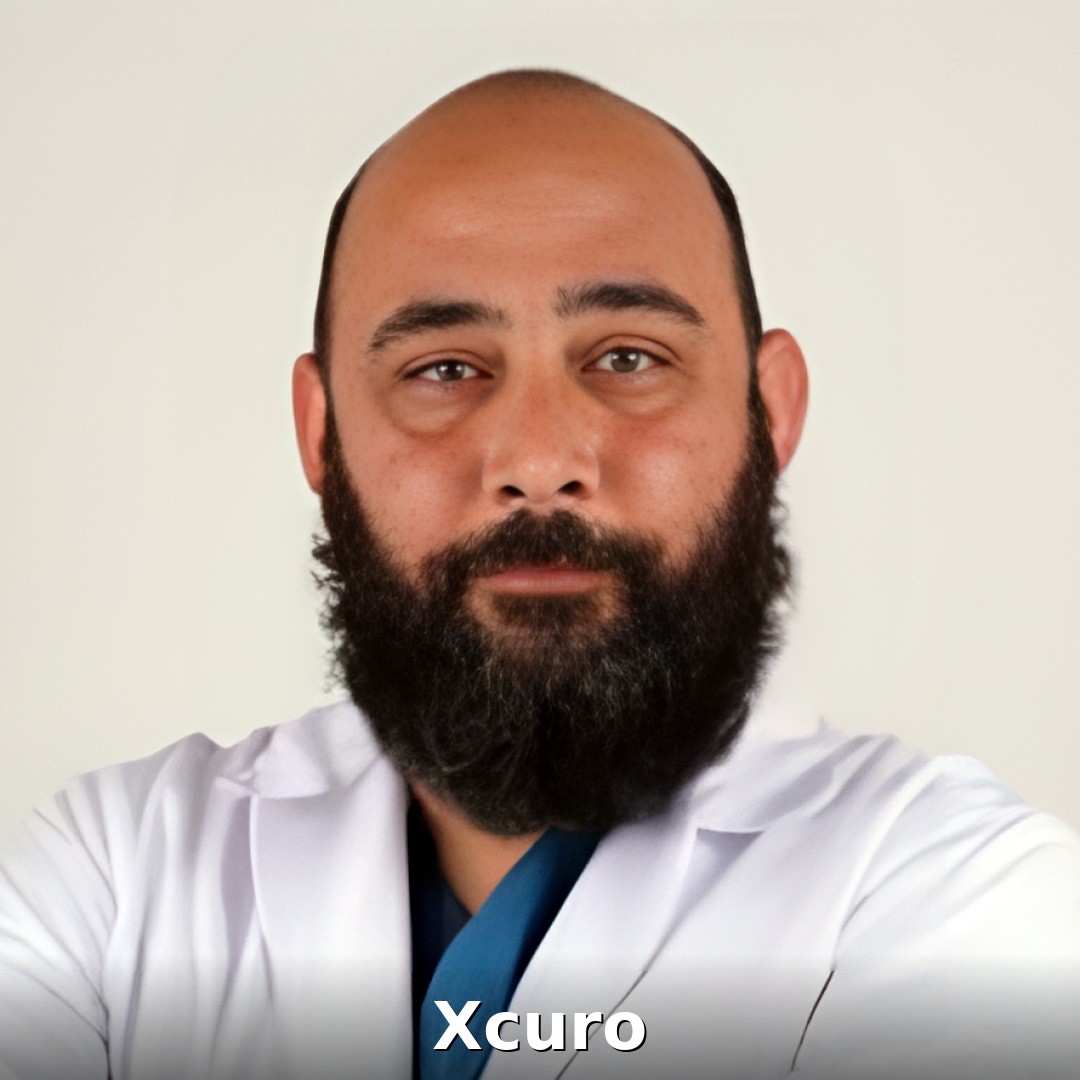
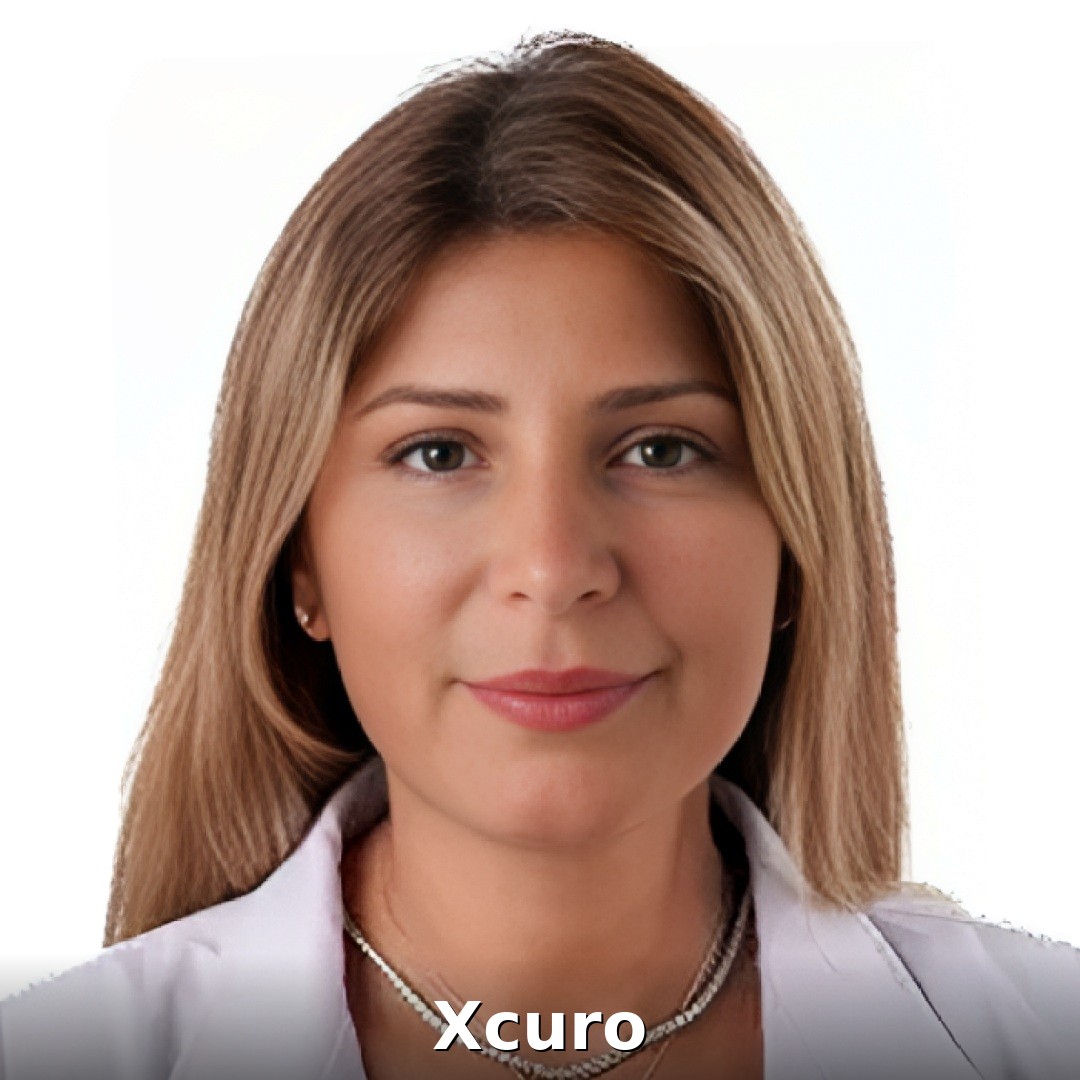
If something goes wrong after dental implants in Turkey
Emergency? In the U.S., call 911; in Turkey, call 112. Then tell the clinic in writing.
Get help now if you notice these after dental work
- Hard to breathe, speak or swallow: call 911 or go to the ER.
- A swollen or painful eye, or sudden problems with your eyesight: go to the ER.
- A lot of swelling in your mouth, or you can hardly open it: go to the ER.
- A swollen face or jaw with a high temperature: see a dentist urgently.
- An implant that moves, or pain and bleeding around it: contact your dentist or oral surgeon.
Where to complain in Turkey
- Ministry of Health Communication Center, SABİM (ALO 184): Complaints about health services in Türkiye, public and private.Call 184 from a Turkish phone. A Ministry of Health directorate page says complaints about health services go to ALO 184 and that postal applications are not accepted. We could not confirm English service on 184 or an online route for patients abroad.
- HealthTürkiye / USHAŞ (International Health Services Inc.) international patient line: Claims and inquiries from international patients. USHAŞ is a state company affiliated with the Ministry of Health that also promotes health tourism, so it is not an independent regulator.International Health Services Call Center, +90 850 288 38 38, 24/7 in six languages (listed on a Ministry of Health hospital site). HealthTürkiye's FAQ says that after incorrect treatment causing damage, a patient has the right to complain and to compensation.
The U.S. embassy keeps a list of local doctors and hospitals.
What to do if something goes wrong: the full guide for U.S. patients →
Frequently asked questions
How many trips to Istanbul do I need for dental implants?
Usually two: one to place the implants and one 3 to 6 months later for the crowns, after the implant fuses with the bone (<a href="https://dentakay.com/treatments/dental-implants" target="_blank" rel="nofollow noopener">Dentakay</a>). Same-week temporary teeth are possible only for some patients.
How soon can I fly home after implants in Istanbul?
A British Dental Journal review says at least 72 hours after implant placement, ideally a week, and at least two weeks after a sinus lift (<a href="https://pmc.ncbi.nlm.nih.gov/articles/PMC9880927/" target="_blank" rel="nofollow noopener">British Dental Journal</a>).
Which implant brands do Istanbul clinics use?
It varies. Dentakay lists Swiss Implant, Nobel Biocare and Straumann SLActive (<a href="https://dentakay.com/prices/dental-implants-costs-and-packages-in-turkey" target="_blank" rel="nofollow noopener">Dentakay</a>). Whatever the brand, keep the model and lot labels, as the FDA advises.
How do I know my implant in Turkey is genuine?
Every dental implant in Türkiye must be tracked in the national ÜTS system (<a href="https://titck.gov.tr/storage/Archive/2019/contentFile/tsg13%20bilgilendirme%20duyurusu%20(1)_cd1459de-df95-44fa-9f43-c6d18a89cfa5.pdf" target="_blank" rel="nofollow noopener">TİTCK</a>). Ask for the barcode labels from the box after surgery.
Do Turkish dental clinics have to carry complication insurance?
No. Türkiye's Council of State suspended the complication-insurance requirement on December 25, 2025 (<a href="https://ttb.org.tr/haber_goster.php?Guid=3d460645-2766-11f1-903b-42010a9c0017" target="_blank" rel="nofollow noopener">Turkish Medical Association</a>). Ask the clinic what its warranty covers instead.
Getting to Turkey from the U.S.
Visa. U.S. passport holders travel to Turkey without a visa for tourism or short business, for up to 90 days within any 180-day period.Official source.
Flights and time zone. Turkish Airlines flies nonstop to Istanbul from New York, Newark, Boston, Washington, Atlanta, Miami, Chicago, Dallas, Houston, Seattle, San Francisco and Los Angeles. East-coast flights run about 10 hours, west-coast about 13. Istanbul is 7 hours ahead of New York in summer and 8 hours in winter, because Turkey stays on UTC+3 all year.
U.S. State Department advisory. Level 2 – Exercise Increased Caution (reissued June 9, 2026). The advisory says not to travel within 10 km (6 miles) of the borders with Syria or Iraq; Istanbul is far from both.Read the advisory.
Before you travel: what the CDC recommends
The U.S. Centers for Disease Control and Prevention publishes guidance for Americans traveling abroad for medical care. These are its recommendations, not ours.
- Check the qualifications of the clinician who will perform the procedure and the credentials of the facility.
- Bring copies of your medical records, including lab and other test results related to your condition.
- Make sure you can get follow-up care in the United States. Care for complications can be expensive and might not be covered by your health insurance.
- Obtain international travel health insurance that covers medical evacuation back to the United States.
- See your own healthcare provider 4–6 weeks before the trip to discuss risks specific to your health.
Sources
- Dental implants: what you should know — U.S. Food and Drug Administration
- Dental implants — Dentakay
- Implants — American Dental Association (MouthHealthy)
- Long-term (10-year) dental implant survival: systematic review and meta-analysis (Howe et al., 2019) — Journal of Dentistry (via PubMed)
- Dental tourism survey (2022) — British Dental Association, reported by Dentistry.co.uk
- Dental implant costs and packages in Turkey — Dentakay
- Announcement 2019/ÜTSG-13: unit tracking of dental implants from January 1, 2020 (in Turkish) — Turkish Medicines and Medical Devices Agency (TİTCK)
- Customs staff trained to fight smuggled implants (July 2026, in Turkish) — Yeni Birlik
- Flights to the United States (14 U.S. cities) — Turkish Airlines (page archived September 25, 2026)
- New York to Istanbul Airport flights — KAYAK
- Los Angeles to Istanbul Airport flights — KAYAK
- Visa information for foreigners — Ministry of Foreign Affairs, Türkiye
- Nish clinic — Dentakay
- Şişli clinic — Dentakay
- Bağcılar clinic — Dentakay
- Dental tourism and the risk of barotrauma and barodontalgia (2023) — British Dental Journal (via PubMed Central)
- Türkiye Travel Advisory (Level 2, June 8, 2026) — U.S. Department of State
- Law No. 3224 on the Turkish Dental Association, Article 17 (in Turkish) — Mevzuat Bilgi Sistemi, Republic of Türkiye
- Regulation on International Health Tourism and Tourist Health (April 26, 2025, in Turkish) — Resmî Gazete, Republic of Türkiye
- Council of State suspends the complication-insurance requirement (March 24, 2026, in Turkish) — Turkish Medical Association (TTB)
- Going abroad for dental treatment — General Dental Council (UK)
- Packages, aftercare and FAQ (homepage) — Dentakay
- Medical tourism — CDC Travelers' Health
Read before you decide
Dental Implants in other cities, and more in Istanbul
More cost guides for U.S. patients
Clinical evidence on dental implants
15 peer-reviewed sourcesDental implants are supported by an extensive evidence base, including long-term cohort studies extending beyond 15 to 20 years, systematic reviews, randomized controlled trials, and international consensus guidelines. Published survival rates are consistently high across single-tooth, partial, and full-arch (such as All-on-4 and All-on-6) restorations, and patient-reported outcomes show meaningful gains in oral health-related quality of life compared with conventional dentures. The most studied biological complication is peri-implantitis, a progressive inflammatory condition affecting surrounding bone whose prevalence and risk factors have been quantified in systematic reviews. Evidence also addresses timing questions such as immediate versus delayed loading and placement. The references below combine long-term survival data, complication and peri-implantitis reviews, loading-protocol trials, and consensus guidance to give a balanced view of expected outcomes and maintenance needs.
- Dental implant survival and marginal bone loss after a minimum of 20 years: systematic review
- Outcomes of One-Piece and Two-Piece Dental Implants After 15-17 Years: Follow-Up of a Trial
- Ten-year outcomes of short dental implants (<= 6 mm): a systematic review and sensitivity analysis
- All-on-4 and All-on-6 implant-supported fixed prostheses for the edentulous jaw: a systematic review
- Consensus Report of Group 2 of the 1st Global Consensus for Clinical Guidelines
Compiled from peer-reviewed medical literature indexed on PubMed. This overview is for general education and is not medical advice. · Last updated 2026-06-15