Breast Reduction in Seoul: 2026 Prices and Clinics for U.S. Patients
A breast reduction in Seoul means one trip of 10 to 14 days, with 1 or 2 nights at the clinic and the flight home after the CDC's chest-surgery window. Check your U.S. insurance first: at home this operation is often covered.
Flights and extra hotel nights are not included in either price. Final quotes depend on your case.
Breast Reduction clinics in Seoul: prices and independent ratings
Prices are each clinic's own quoted range in USD, as of October 2026. Ratings come from independent review platforms and link to the source.
| Clinic | Price | Independent ratings | |
|---|---|---|---|
| SAERO Plastic Surgery xcuro partner Seoul | $6,000 - $9,000 | ||
| VG Plastic Surgery xcuro partner Seoul | From $18,500 |
How clinics get listed: our methodology. Clinics do not pay for position on this page.Compare the clinics side by side.
Your trip, day by day
Typical, from the “Your trip, day by day” section of this guide; plan on 10 to 14 days in Seoul. Your clinic’s schedule may differ — ask for it in writing.
- Day 1Arrive. Consultation with the operating surgeon: target size, scar pattern (around the nipple and down, or anchor-shaped) and how much tissue will be removed.
- Day 2Surgery, 2 to 3 hours under general anesthetic.
- Day 3–41 or 2 nights at the clinic; drains usually out after 1 or 2 days.
- Day 5–9Rest near the clinic in a support bra; no lifting or stretching. Wound check.
- Day 10–14Final check, records in English, then fly home.
Breast Reduction in Seoul: pros and cons for U.S. patients
- South Korea is rated Level 1, the State Department's lowest level.
- Korean law lets you ask for your operation to be filmed and requires the consent form to name the surgeon.
- Both clinics are a short subway ride apart in Gangnam and Seocho.
- At home, a breast reduction is often covered by insurance; abroad it almost never is.
- 13 to 16 hours of flying after chest surgery.
- Swelling lasts about 3 months, so you judge the result at home.
- Wound problems after you leave mean care in the U.S. that may not be covered.
How xcuro works
- Free for you
You don't pay xcuro anything. If you go ahead with treatment at an xcuro partner clinic, that clinic pays us a referral fee.
- Rankings aren't for sale
Clinics can't pay to be listed, to appear higher or to change their reviews.
- Ratings you can check
Clinic ratings come from Google and Trustpilot, and each one links to its source.
- Prices with sources
Every U.S. price we compare against names its source. Your own quote comes from the clinic in writing.
Breast reduction in Seoul: what to expect
A breast reduction removes fat, gland tissue and skin and moves the nipple higher. The NHS describes 2 to 3 hours under general anesthetic, usually 1 or 2 nights in the hospital, and drains that come out after 1 or 2 days (NHS). In Seoul, the surgeons on our list work in Gangnam and Seocho, close to each other. Before you plan anything, though, call your U.S. insurer.
Check your U.S. insurance first
Unlike most cosmetic surgery, a breast reduction that treats symptoms is considered medically necessary and is often covered at home. Insurers usually want documented symptoms, and many require a minimum amount of tissue removed, typically at least 200 to 350 grams from each breast (ASPS). Denials are common: in one hospital's study they rose from 18% in 2012 to 41% in 2017, and 13 of 18 appeals succeeded (ASPS). Seoul makes most sense if you have been turned down or would pay yourself anyway.
Getting to Seoul and where the clinics are
Nonstop flights reach Incheon (ICN) in about 13 hours 26 minutes from Los Angeles, 12 hours 58 minutes from San Francisco and 15 hours 45 minutes from New York (Kayak; Kayak; Kayak). Airport transfers and areas to stay are in our Seoul city guide.
Both clinics on our list for this operation are a short subway ride apart: SAERO Plastic Surgery in Seocho-gu, by Sinnonhyeon Station, and VG Plastic Surgery on Nonhyeon-ro in Gangnam-gu. Stay near the one you choose: you will go back for the drain and wound checks.
Your trip, day by day
Plan one trip of 10 to 14 days.
| Day | What happens |
|---|---|
| Day 1 | Arrive. Consultation with the operating surgeon: target size, scar pattern (around the nipple and down, or anchor-shaped) and how much tissue will be removed. |
| Day 2 | Surgery, 2 to 3 hours under general anesthetic. |
| Day 3–4 | 1 or 2 nights at the clinic; drains usually out after 1 or 2 days. |
| Day 5–9 | Rest near the clinic in a support bra; no lifting or stretching. Wound check. |
| Day 10–14 | Final check, records in English, then fly home. |
The NHS says swelling can last about 3 months, full recovery takes 2 to 6 weeks, and heavy lifting should wait up to 6 weeks (NHS). The CDC advises delaying air travel 10 to 14 days after major surgery, particularly on the chest, which is why the table ends there rather than at the 5 to 7 days ASPS gives for body procedures (ASPS).
What can go wrong
ASPS lists changes in nipple or breast sensation, fat necrosis, loss of skin where the cuts meet, partial or total loss of the nipple and areola, unfavorable scarring, blood clots, and possibly being unable to breastfeed (ASPS). The NHS adds that bleeding inside the breast generally happens within the first 24 hours (NHS). Stay until your final wound check rather than flying early.
Is Seoul safe for this surgery?
The U.S. State Department rates South Korea Level 1, the lowest level: “Exercise normal precautions in the Republic of Korea.” It adds that large demonstrations may occur with little notice (State Department, May 27, 2025). For the legal protections for foreign patients, see Is It Safe to Get Plastic Surgery in South Korea?
How to check a clinic and surgeon in Seoul
- The clinic should appear on Medical Korea's list of registered hospitals. Registration requires at least one specialist in each department serving foreign patients and malpractice insurance or membership of the liability mutual-aid scheme (law, art. 6).
- The surgeon should be in the member search of the Korean Society of Plastic and Reconstructive Surgeons.
- Who operates. The consent form must name the principal surgeon (Medical Service Act, art. 24-2). Check that it is the person you met.
- CCTV. Since September 25, 2023, clinics operating under general anesthesia must have operating-room cameras and film the surgery if you ask (Ministry of Health and Welfare).
- Insurance paperwork. If you hope to claim anything, ask for the weight of tissue removed from each breast and the operative notes in English.
More in our questions to ask a plastic surgeon.
Recovery and the flight home
Pack front-opening tops and two soft support bras; some surgeons suggest a sports bra day and night for up to 3 months (NHS). Ask the clinic to arrange a car to Incheon so you do not lift bags. Before you go, find a U.S. surgeon for follow-up: the CDC warns that care for complications at home may not be covered by insurance.
Prices and insurance details: Breast Reduction in Korea and breast reduction cost in the U.S..
Breast Reduction doctors in Seoul
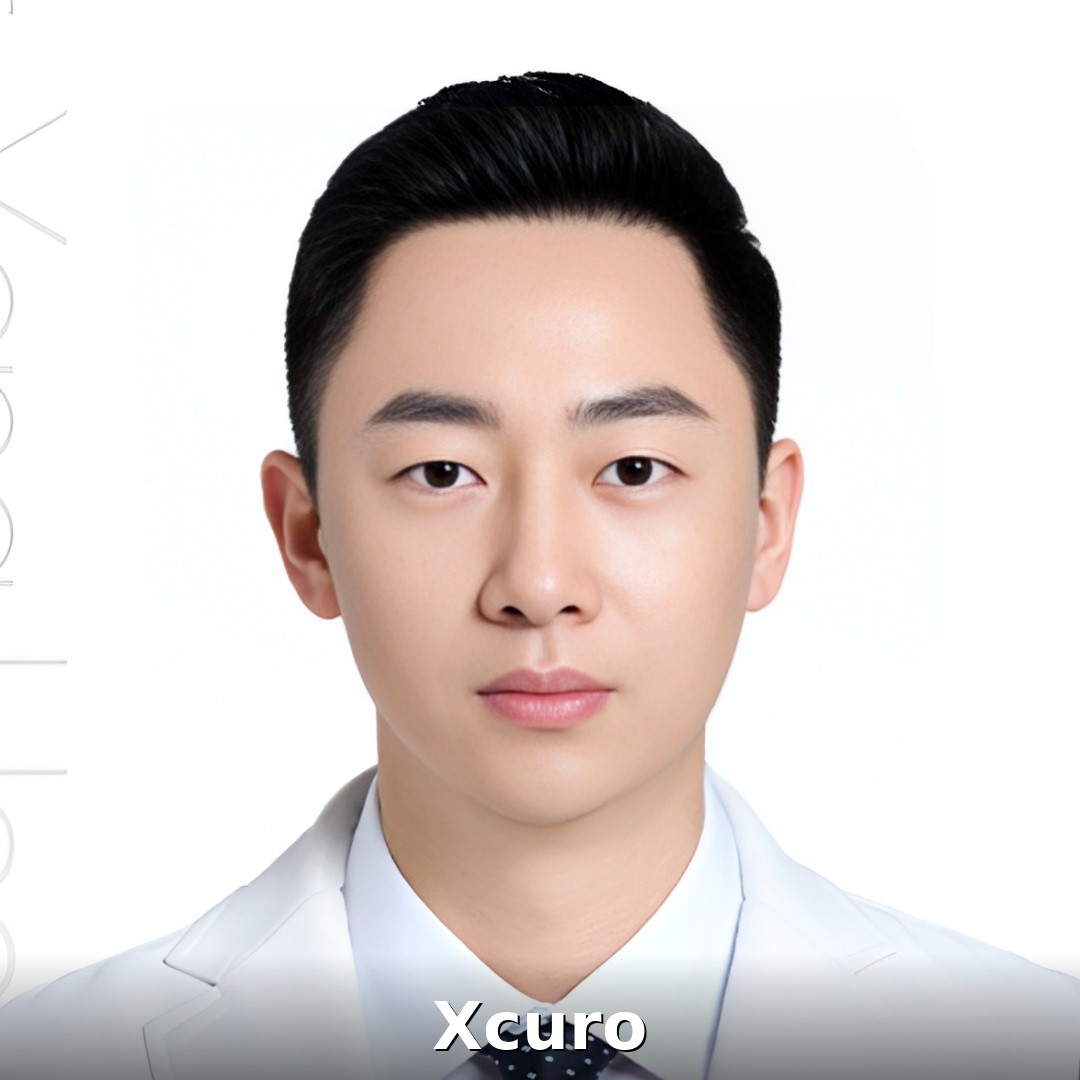
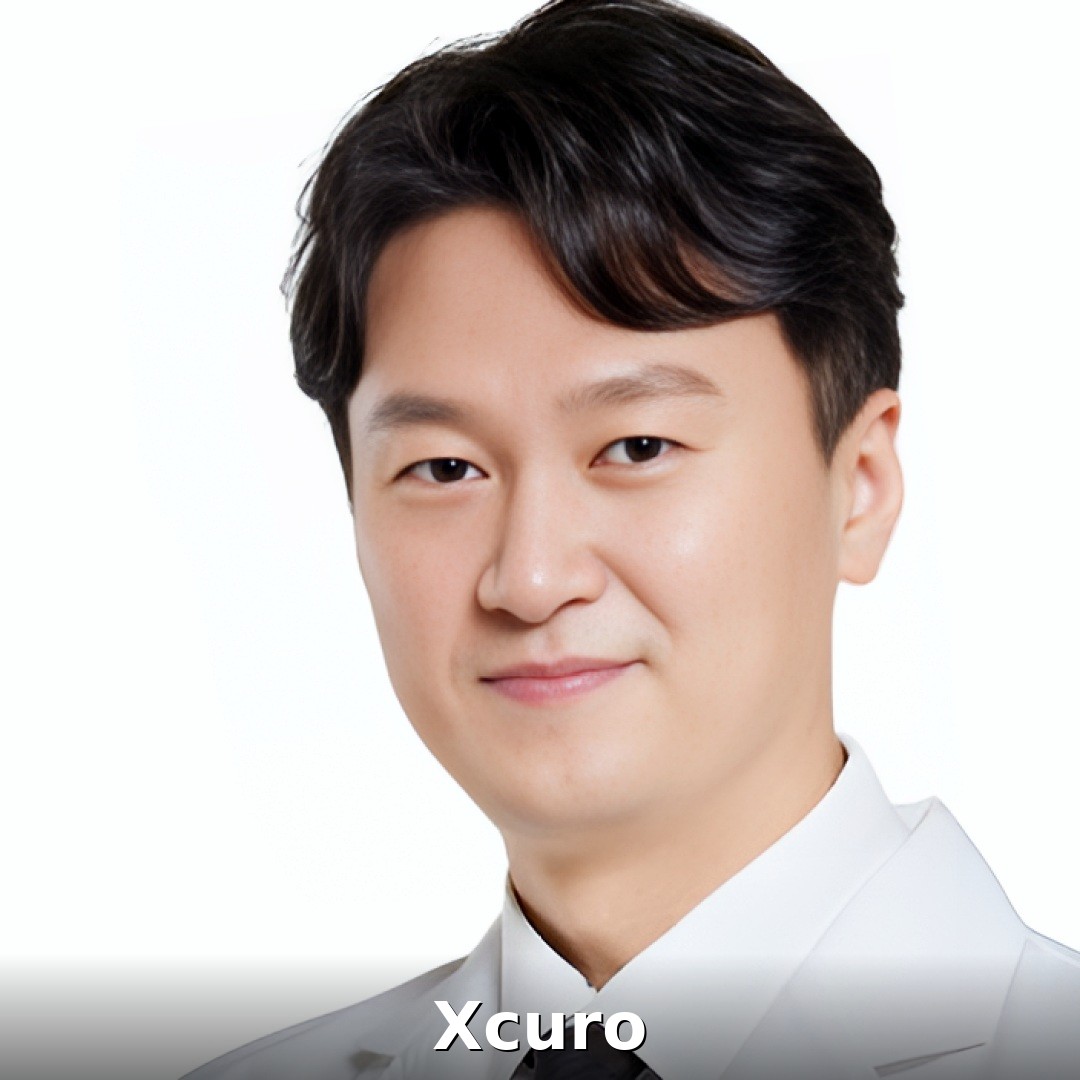
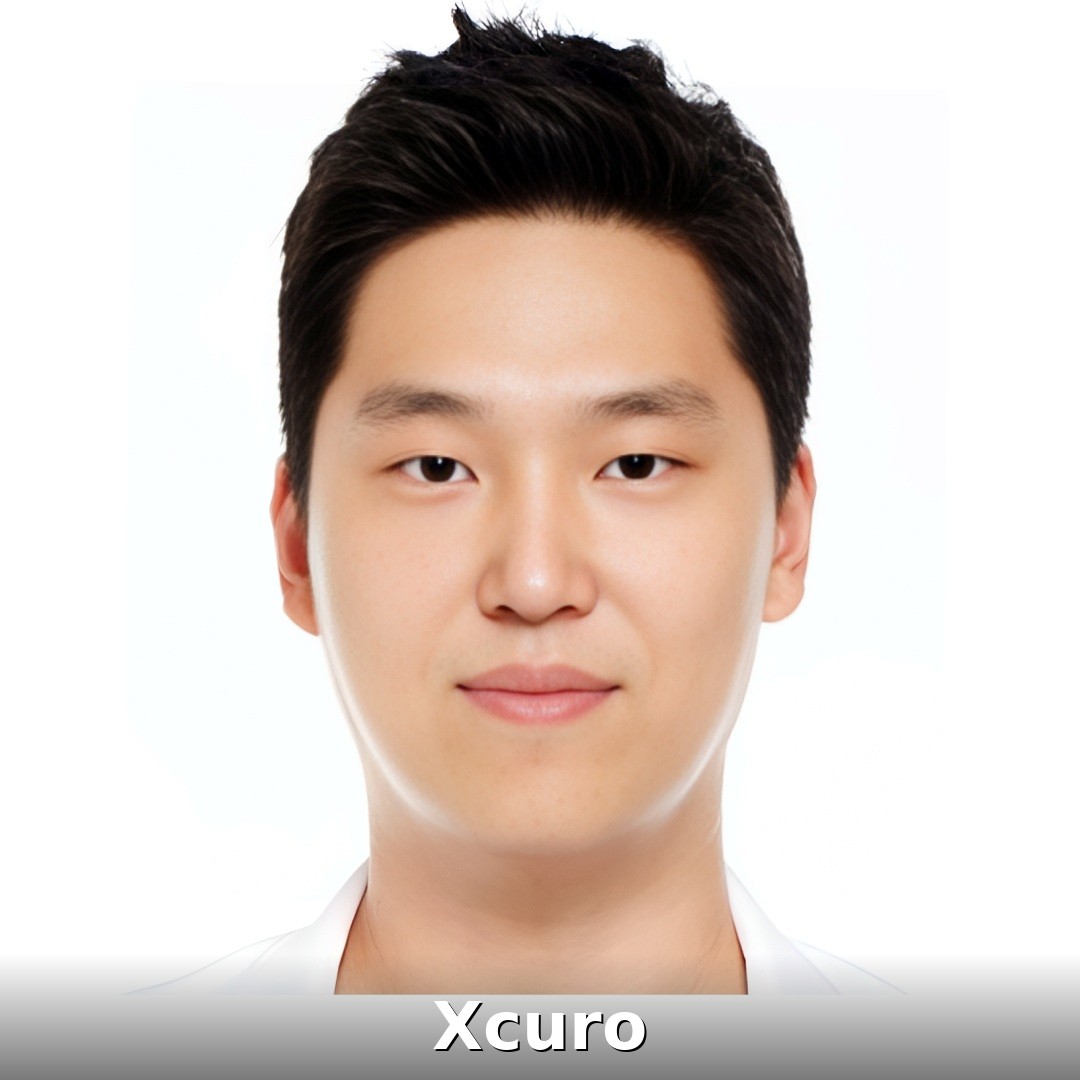
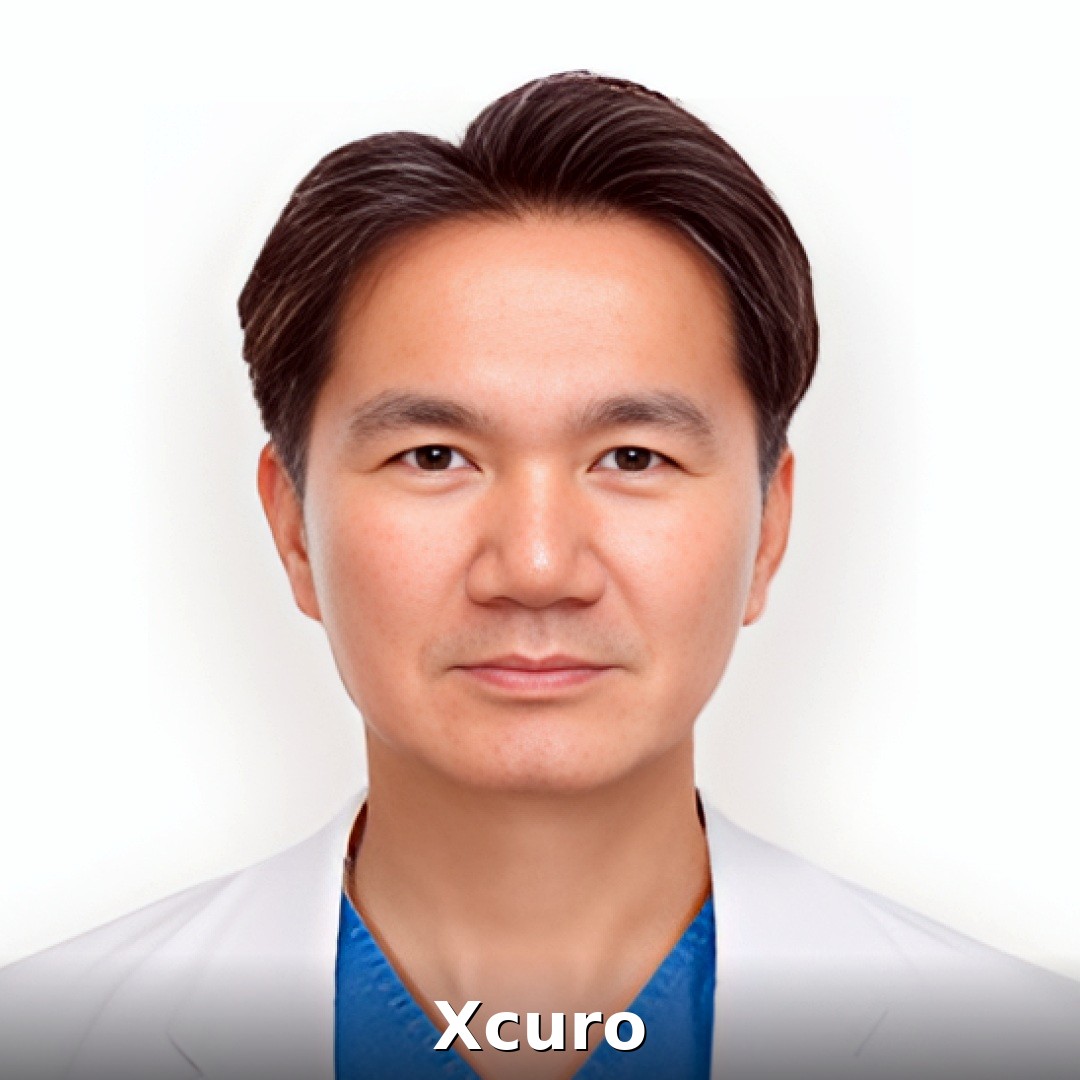

If something goes wrong after breast reduction in South Korea
Emergency? In the U.S., call 911; in South Korea, call 119 (ambulance); 112 (police). Then tell the clinic in writing.
Get help now if you notice these after cosmetic surgery
- Sudden shortness of breath, chest pain or a racing heart: call 911 (possible blood clot).
- Confusion, clammy skin, fever with shivering or extreme pain: call 911 (possible sepsis).
- Swelling, pain, warmth or redness in one leg: see a doctor the same day.
- Increasing redness, swelling, or yellow or green drainage at an incision, or a fever of 100°F or higher: call your surgeon today.
- Sudden swelling of one breast or a collection of fluid or blood under the skin: call your surgeon today.
Where to complain in South Korea
- Korea Medical Dispute Mediation and Arbitration Agency (K-MEDI): Mediation and arbitration of medical disputes, including for foreign patients living abroad.Download the application form and annexed paper from K-MEDI's English site, sign them, and email them as PDFs. Documents must be in Korean, or in English with a Korean translation. K-MEDI asks for Korean bank details for refunds and does not cover exchange losses for foreign accounts.
- Medical Korea call center (Korea Health Industry Development Institute, KHIDI): Registers foreign patients' complaints about Korean healthcare providers and medical disputes, and gives basic consulting after a medical accident.1577-7129 in Korea, +82-1577-7129 from abroad; 24 hours, in Korean, English, Japanese, Chinese, Russian and Arabic (per KHIDI).
The U.S. embassy keeps a list of local doctors and hospitals.
What to do if something goes wrong: the full guide for U.S. patients →
Frequently asked questions
How long should I stay in Seoul after a breast reduction?
10 to 14 days. The CDC advises delaying air travel that long after major chest surgery (<a href="https://wwwnc.cdc.gov/travel/page/medical-tourism" target="_blank" rel="nofollow noopener">CDC</a>).
Will my U.S. insurance cover a breast reduction?
At home it often does, if you have documented symptoms and enough tissue is removed, typically at least 200 to 350 grams per breast (<a href="https://www.plasticsurgery.org/news/blog/live-your-breast-life-answers-to-your-breast-reduction-questions" target="_blank" rel="nofollow noopener">ASPS</a>). Surgery abroad is unlikely to be covered, so ask your insurer before booking.
Is breast reduction cheaper in Korea?
Not always. See the clinic quotes in the table above and our <a href="/procedure/breast-reduction/south-korea/">Korea guide</a>; once a 13- to 16-hour flight and two weeks of hotel are added, an insured U.S. operation usually costs you less.
Can I breastfeed after a breast reduction?
Most women still can, but it may be limited, and the NHS lists being permanently unable to breastfeed as a possible complication (<a href="https://www.plasticsurgery.org/reconstructive-procedures/breast-reduction/safety" target="_blank" rel="nofollow noopener">ASPS</a>; <a href="https://www.nhs.uk/tests-and-treatments/cosmetic-procedures/cosmetic-surgery/breast-reduction-female/" target="_blank" rel="nofollow noopener">NHS</a>).
Can I ask for my surgery in Seoul to be filmed?
Yes. Since September 25, 2023, clinics operating under general anesthesia must film the operation if you ask (<a href="https://www.mohw.go.kr/board.es?mid=a10503010100&bid=0027&act=view&list_no=378350&tag=&nPage=29" target="_blank" rel="nofollow noopener">Ministry of Health and Welfare</a>).
Getting to South Korea from the U.S.
Visa. U.S. passport holders do not need a K-ETA through 31 December 2026; an electronic Arrival Card is required instead. From 1 January 2027 the K-ETA requirement returns, so check the official portal before you book.Official source.
Flights and time zone. Nonstop service to Seoul from Los Angeles, San Francisco, Seattle, Dallas, Chicago, Atlanta, New York and Washington. West-coast flights run about 13 hours, east-coast about 14 to 15.
U.S. State Department advisory. Level 1 – Exercise Normal Precautions. The advisory notes that large demonstrations can occur with little notice.Read the advisory.
Before you travel: what the CDC recommends
The U.S. Centers for Disease Control and Prevention publishes guidance for Americans traveling abroad for medical care. These are its recommendations, not ours.
- Check the qualifications of the clinician who will perform the procedure and the credentials of the facility.
- Bring copies of your medical records, including lab and other test results related to your condition.
- Make sure you can get follow-up care in the United States. Care for complications can be expensive and might not be covered by your health insurance.
- Obtain international travel health insurance that covers medical evacuation back to the United States.
- See your own healthcare provider 4–6 weeks before the trip to discuss risks specific to your health.
Sources
- Breast reduction (female) — NHS
- Answers to your breast reduction questions (insurance) — American Society of Plastic Surgeons
- Rising rates of insurance denial for breast reduction surgery (July 29, 2020) — American Society of Plastic Surgeons
- Los Angeles to Seoul Incheon: nonstop flight time and airlines — Kayak
- San Francisco to Seoul Incheon: nonstop flight time and airlines — Kayak
- New York to Seoul Incheon: nonstop flight time and airlines — Kayak
- Medical Tourism: Travel to Another Country for Medical Care — CDC Travelers' Health
- Cosmetic surgery tourism briefing paper — American Society of Plastic Surgeons
- Breast reduction risks and safety — American Society of Plastic Surgeons
- South Korea Travel Advisory (Level 1, May 27, 2025) — U.S. Department of State
- Registered hospitals — Medical Korea (KHIDI)
- Act on Overseas Expansion of Medical Services and Attraction of International Patients (art. 6) — Korea Legislation Research Institute
- Search member — Korean Society of Plastic and Reconstructive Surgeons
- Medical Service Act (art. 24-2) — Korea Legislation Research Institute
- Operating-room CCTV rules take effect September 25, 2023 (in Korean) — Ministry of Health and Welfare, Korea
Read before you decide
Breast Reduction in other cities, and more in Seoul
More cost guides for U.S. patients
What the research says about breast reduction (reduction mammaplasty)
14 peer-reviewed sourcesReduction mammaplasty is one of the most studied procedures in plastic surgery, with a large body of systematic reviews and meta-analyses examining its effect on physical symptoms, complications, and psychological wellbeing. Pooled evidence consistently links surgery for symptomatic macromastia with meaningful improvements in pain, function, and quality of life, alongside high patient-reported satisfaction on validated tools such as the BREAST-Q. Research also clarifies modifiable risk factors for wound healing problems, including body mass index, smoking, glycemic control, and resection weight, helping surgeons counsel candidates and reduce complications. The studies below span technique comparisons, mental-health outcomes, and adjuncts such as tranexamic acid and nerve blocks. They are summarized here for education only and do not replace an individual consultation with a qualified surgeon.
- The Impact of Breast Reduction Surgery on Mental Health and Well-Being: A Systematic Review
- Efficacy and Safety of the L-Scar Technique in Breast Surgery: A Systematic Review and Meta-Analysis
- Disparities in Access and Outcomes of Bilateral Reduction Mammaplasty (BRM): A Systematic Review
- Mental Health Outcomes in Adolescents/Young Adults Following Reduction Mammaplasty: A Systematic Review
- Complications and Satisfaction After Adolescent Breast Reduction for Juvenile Macromastia
Compiled from peer-reviewed medical literature indexed on PubMed. This overview is for general education and is not medical advice. · Last updated 2026-06-15