Breast Reduction in Turkey: 2026 Cost, Insurance and What U.S. Patients Should Know
A breast reduction costs about $3,500 to $7,600 at the four Istanbul clinics we work with. Before you look abroad, check your U.S. insurance: when it is medically necessary, breast reduction is often covered at home. Below: prices, the insurance question, and your trip budget.
Flights and extra hotel nights are not included in either price. Final quotes depend on your case.
Breast Reduction clinics in Turkey: prices and independent ratings
Prices are each clinic's own quoted range in USD, as of October 2026. Ratings come from independent review platforms and link to the source.
| Clinic | Price | Independent ratings | |
|---|---|---|---|
| Dr. Cağrı Sade Plastic Surgery Center Istanbul · Turkish Ministry of Health | From $3,485 | ||
| Memorial Ataşehir Hospital Istanbul · ISO 9001, JCI, Health Tourism Cert. | $3,600 - $5,800 | ||
| Medipol Mega Üniversite Hastanesi Istanbul · JCI | From $3,700 | ||
| Quartz Hospital Istanbul · Health Tourism Cert. | $4,570 - $7,615 |
How clinics get listed: our methodology. Clinics do not pay for position on this page.
Total trip budget from the U.S.
Surgery at our partner clinics plus a round-trip economy flight. Hotel nights included in the clinic package are covered; extra nights, meals and travel insurance are not.
| Flying from | Surgery | Round-trip flight | Total | U.S. surgeon fee alone |
|---|---|---|---|---|
| New York nonstop ≈ 9h 40m | $3,485 - $7,615 | $740 – $1,178 | $4,225 – $8,793 | From $7,800 |
| Los Angeles nonstop ≈ 13h 10m | $3,485 - $7,615 | $784 – $1,262 | $4,269 – $8,877 | From $7,800 |
Flights: Kayak, typical round-trip economy fares to Istanbul Airport over the past 12 months, checked September 29, 2026 · source. Home prices: American Society of Plastic Surgeons — surgeon fee only, excludes anesthesia and facility.
Breast Reduction in Turkey: pros and cons for U.S. patients
- About $3,500–$7,600, below the U.S. surgeon's fee alone ($7,800 ASPS average).
- An option if your insurer has denied coverage.
- Packages usually include the hotel, transfers and an interpreter.
- No visa needed with a U.S. passport.
- If your U.S. insurance covers it, staying home is usually cheaper.
- 10–14 days in Istanbul, then a long flight after chest surgery.
- Follow-up care happens back home, and treating complications may not be covered by U.S. insurance (CDC).
- The U.S. State Department rates Türkiye Level 2, “Exercise Increased Caution”.
Check your U.S. insurance first
Unlike most cosmetic surgery, a breast reduction that treats physical symptoms of large breasts is considered medically necessary and is often covered by insurance, according to the American Society of Plastic Surgeons (ASPS). Insurers usually ask for documentation of persistent symptoms, such as back, neck or shoulder pain, that have not improved with other treatment, and many set a minimum amount of tissue to be removed, often 200 to 350 grams per breast.
If your plan covers the operation, staying in the U.S. will often cost you less than any trip abroad. Turkey makes more sense if your claim has been denied, if you want a cosmetic reduction that does not meet your insurer's criteria, or if you are paying out of pocket anyway. ASPS has reported that insurance denials for breast reduction became more common over the 2010s, so ask your surgeon to help with an appeal before you give up on coverage.
How much does a breast reduction in Turkey cost?
The four Istanbul clinics we work with quote between $3,485 and $7,615. In the U.S., the ASPS average of $7,800 is the surgeon's fee alone; anesthesia and the operating room are billed on top, so the full out-of-pocket price at home is higher.
What the operation involves
A breast reduction removes breast tissue, fat and skin to reduce breast size, and lifts and reshapes the breast at the same time, so it also works as a breast lift. Ask your surgeon how much tissue they plan to remove, what size you can expect, and where the scars will be. If you may claim insurance later, the amount of tissue removed matters: many insurers set a minimum per breast.
Most patients spend one night in hospital, and the length of your stay before you can return home depends on when your surgeon removes the stitches and clears you to fly.
How long you need to stay
Plan on 10 to 14 days in Istanbul. A breast reduction is done under general anesthesia, usually with one night in hospital. Ask your surgeon when the stitches come out and when you can fly; the CDC advises delaying air travel for 10 to 14 days after major surgery, particularly chest surgery.
How to check your surgeon in Turkey
- Check that the surgeon holds a Turkish specialist title in plastic, reconstructive and aesthetic surgery. Some also hold the European board qualification (EBOPRAS / FEBOPRAS), a recognized extra exam.
- Confirm that the surgeon you consulted is the one who operates, and ask how many of these operations they perform a year.
- Ask for before-and-after photos of patients with a body type similar to yours.
- Ask who you contact once you are back home, and whether the clinic reviews progress photos.
Paying for it
If you pay out of pocket, a breast reduction done for medical reasons may count as a medical expense, unlike purely cosmetic surgery, which the IRS excludes (IRS Publication 502). Ask a tax adviser about your situation. The CDC notes that treating complications after surgery abroad can be expensive and may not be covered by your U.S. health plan.
Breast Reduction doctors in Turkey



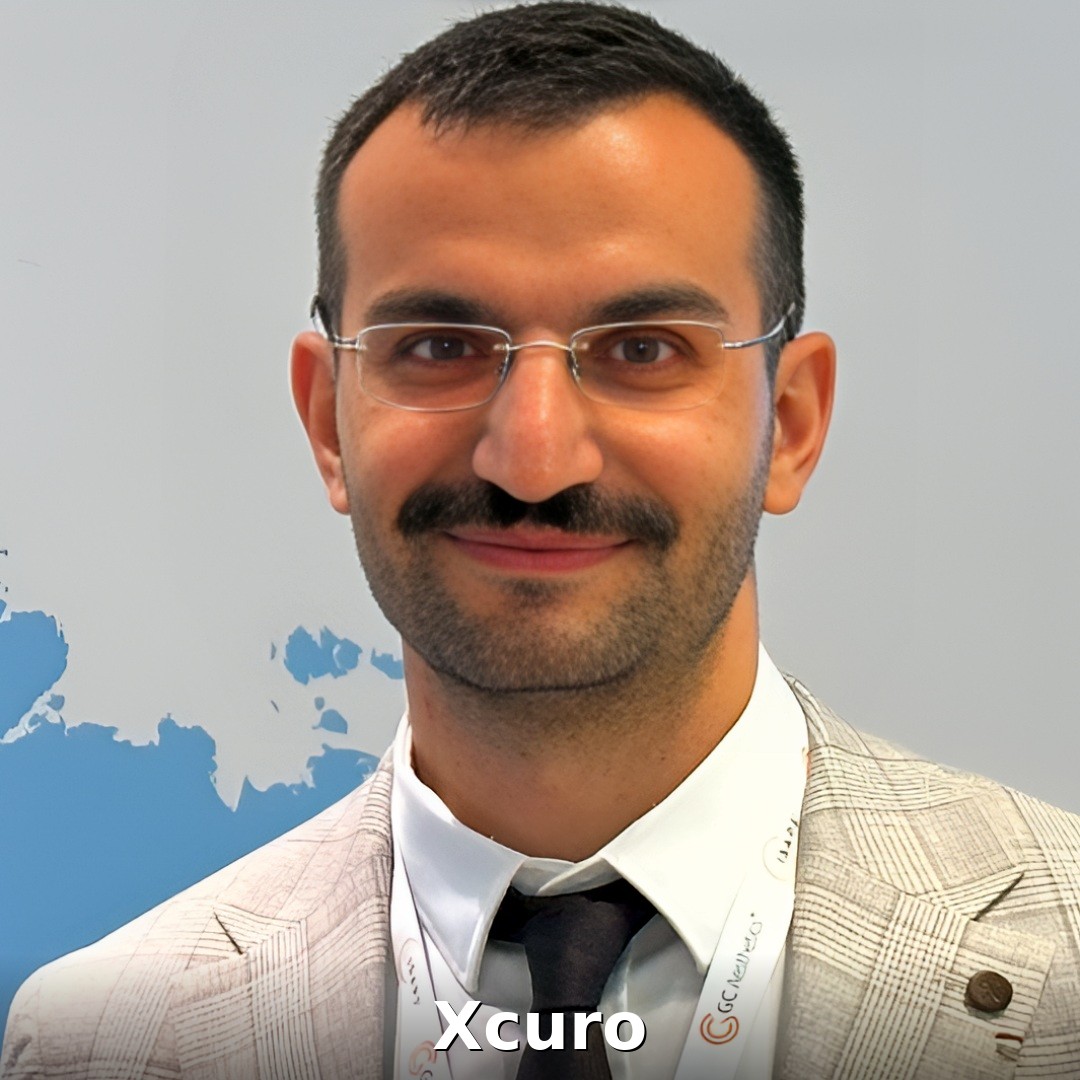




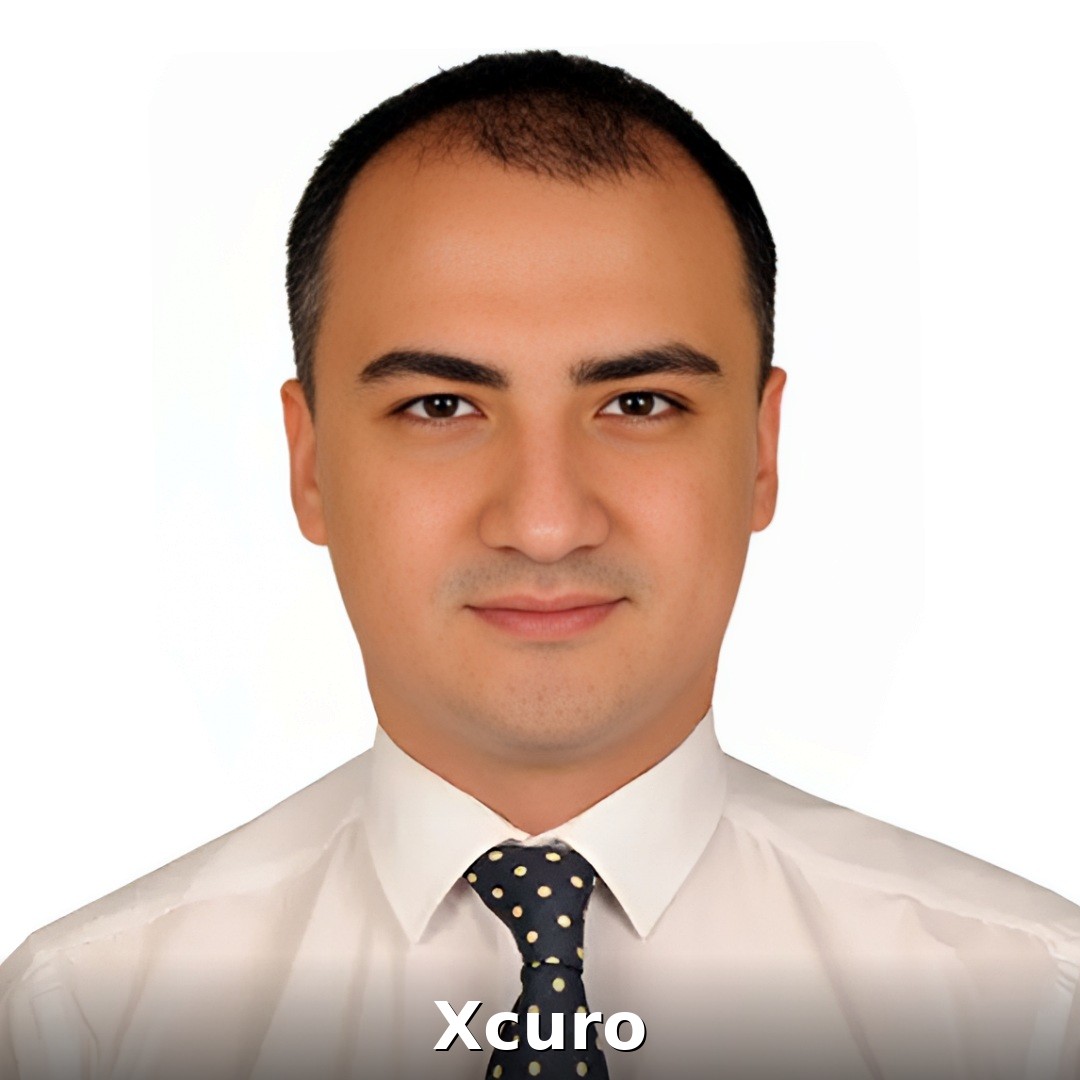












Breast Reduction before & after: surgeons in Turkey
Results from surgeons we work with. Individual results vary; ask your surgeon for results in patients similar to you.




Frequently asked questions
Does insurance cover breast reduction?
Often, yes, when it treats physical symptoms of large breasts, according to the American Society of Plastic Surgeons. Insurers usually require documented symptoms and a minimum amount of tissue removed. Check your plan before paying for surgery abroad.
How much does a breast reduction cost in Turkey?
At the four Istanbul clinics we list, about $3,500 to $7,600. The U.S. average surgeon's fee alone is $7,800 (ASPS), before anesthesia and facility fees.
How long do I need to stay in Turkey after a breast reduction?
Plan on 10 to 14 days. The CDC advises delaying air travel for 10 to 14 days after major surgery, particularly chest surgery.
When does a breast reduction abroad make sense?
Mainly if your U.S. insurance has denied coverage or you are paying out of pocket anyway. If your plan covers the surgery, staying home is usually cheaper.
Do I need a visa to travel to Turkey from the U.S.?
No. U.S. passport holders can visit Turkey without a visa for tourism or short business trips, for up to 90 days within any 180-day period.
Getting to Turkey from the U.S.
Visa. U.S. passport holders travel to Turkey without a visa for tourism or short business, for up to 90 days within any 180-day period.Official source.
Flights and time zone. Turkish Airlines flies nonstop to Istanbul from New York, Newark, Boston, Washington, Atlanta, Miami, Chicago, Dallas, Houston, Seattle, San Francisco and Los Angeles. East-coast flights run about 10 hours, west-coast about 13. Istanbul is 7 hours ahead of New York in summer and 8 hours in winter, because Turkey stays on UTC+3 all year.
U.S. State Department advisory. Level 2 – Exercise Increased Caution (reissued June 9, 2026). The advisory says not to travel within 10 km of the borders with Syria or Iraq; Istanbul is far from both.Read the advisory.
Before you travel: what the CDC recommends
The U.S. Centers for Disease Control and Prevention publishes guidance for Americans travelling abroad for medical care. These are its recommendations, not ours.
- Check the qualifications of the clinician who will perform the procedure and the credentials of the facility.
- Bring copies of your medical records, including lab and other test results related to your condition.
- Make sure you can get follow-up care in the United States. Care for complications can be expensive and might not be covered by your health insurance.
- Obtain international travel health insurance that covers medical evacuation back to the United States.
- See your own healthcare provider 4–6 weeks before the trip to discuss risks specific to your health.
Sources
- Answers to your breast reduction questions — American Society of Plastic Surgeons
- Rising rates of insurance denial for breast reduction surgery — American Society of Plastic Surgeons
- Breast reduction cost — American Society of Plastic Surgeons
- Typical fares New York – Istanbul — Kayak
- Typical fares Los Angeles – Istanbul — Kayak
- Türkiye Travel Advisory — U.S. Department of State
- Medical Tourism — CDC Travelers’ Health
- Publication 502: Medical and Dental Expenses — IRS
- e-Visa and visa exemptions — Republic of Türkiye
More cost guides for U.S. patients
What the research says about breast reduction (reduction mammaplasty)
14 peer-reviewed sourcesReduction mammaplasty is one of the most studied procedures in plastic surgery, with a large body of systematic reviews and meta-analyses examining its effect on physical symptoms, complications, and psychological wellbeing. Pooled evidence consistently links surgery for symptomatic macromastia with meaningful improvements in pain, function, and quality of life, alongside high patient-reported satisfaction on validated tools such as the BREAST-Q. Research also clarifies modifiable risk factors for wound healing problems, including body mass index, smoking, glycemic control, and resection weight, helping surgeons counsel candidates and reduce complications. The studies below span technique comparisons, mental-health outcomes, and adjuncts such as tranexamic acid and nerve blocks. They are summarized here for education only and do not replace an individual consultation with a qualified surgeon.
- The Impact of Breast Reduction Surgery on Mental Health and Well-Being: A Systematic Review
- Efficacy and Safety of the L-Scar Technique in Breast Surgery: A Systematic Review and Meta-Analysis
- Disparities in Access and Outcomes of Bilateral Reduction Mammaplasty (BRM): A Systematic Review
- Mental Health Outcomes in Adolescents/Young Adults Following Reduction Mammaplasty: A Systematic Review
- Complications and Satisfaction After Adolescent Breast Reduction for Juvenile Macromastia
Compiled from peer-reviewed medical literature indexed on PubMed. This overview is for general education and is not medical advice. · Last updated 2026-06-15