Rhinoplasty in Mexico: 2026 Nose Job Cost in Tijuana and What U.S. Patients Should Know
A nose job costs from $3,200 at VIDA in Tijuana and from $5,399 at Hospital VELMAR in Ensenada, against a U.S. average of $5,000 to $15,000. Below: prices and ratings, your trip budget from the U.S., crossing the border, and how to check your surgeon.
Flights and extra hotel nights are not included in either price. Final quotes depend on your case.
Rhinoplasty (Nose Job) clinics in Mexico: prices and independent ratings
Prices are each clinic's own quoted range in USD, as of October 2026. Ratings come from independent review platforms and link to the source.
| Clinic | Price | Independent ratings | |
|---|---|---|---|
| VIDA Wellness and Beauty Center Tijuana · QUAD A | From $3,200 | ||
| Hospital VELMAR Ensenada · CSG | From $5,399 |
How clinics get listed: our methodology. Clinics do not pay for position on this page.
Total trip budget from the U.S.
Surgery at our partner clinics plus a round-trip economy flight. Hotel nights included in the clinic package are covered; extra nights, meals and travel insurance are not.
| Flying from | Surgery | Round-trip flight | Total | Same surgery at home |
|---|---|---|---|---|
| New York nonstop ≈ 6h 10m | $3,200 - $5,399 | $323 – $563 | $3,523 – $5,962 | $5,000 - $15,000 |
| Chicago nonstop ≈ 4h 35m | $3,200 - $5,399 | $226 – $398 | $3,426 – $5,797 | $5,000 - $15,000 |
| Dallas nonstop ≈ 3h 10m | $3,200 - $5,399 | $204 – $363 | $3,404 – $5,762 | $5,000 - $15,000 |
Flights: Kayak, typical round-trip economy fares to San Diego over the past 12 months, checked September 29, 2026 · source. Home prices: Cherry, 2026 — surgeon, facility and anesthesia. Tijuana is across the border from San Diego. From Southern California, most patients drive or take the trolley to the border instead of flying.
Rhinoplasty (Nose Job) in Mexico: pros and cons for U.S. patients
- Prices from $3,200, against a $5,000–$15,000 U.S. average.
- Tijuana borders San Diego: a short flight to Southern California, then a drive.
- Same time zone as California, so follow-up visits are easy to arrange.
- VIDA's facility is accredited by QUAD A, a U.S. accreditation body.
- Only two partner clinics in Mexico for this procedure, so less choice than in Istanbul.
- You need 7 to 10 days nearby, and the final result takes up to a year.
- The U.S. State Department rates Baja California Level 3, “Reconsider Travel”.
- Follow-up care at home, and treating complications, may not be covered by U.S. insurance (CDC).
How much does a nose job in Mexico cost?
For nose surgery, the two Baja California clinics we work with quote from $3,200 (VIDA Wellness and Beauty Center, Tijuana) and from $5,399 (Hospital VELMAR, Ensenada) for a rhinoplasty. In the United States, the average is $5,000 to $15,000, depending on the surgeon, facility fees and anesthesia, according to Cherry's 2026 data.
Be careful with lower U.S. figures you may see elsewhere. The American Society of Plastic Surgeons publishes an average of $7,637, but that is the surgeon's fee alone: anesthesia and the operating room are billed on top.
What moves the price
- Primary or revision surgery. Correcting a previous nose job usually takes longer and may need cartilage from the ear or rib.
- Cosmetic only, or breathing too. Straightening the septum (septoplasty) can be done in the same operation and changes the price.
- The surgeon. Rhinoplasty is one of the most technically demanding cosmetic operations; experience costs more and matters more.
Open or closed rhinoplasty?
In a closed rhinoplasty, all incisions are inside the nostrils and leave no visible scar. In an open rhinoplasty, a small incision across the strip of skin between the nostrils gives the surgeon a direct view of the cartilage. Ask which approach your surgeon recommends for your nose, and why.
How long you need to stay
Plan on 7 to 10 days nearby. The operation takes 1.5 to 3 hours under general anesthesia, and most patients spend one or two nights in hospital. A splint protects the nose for about seven days; once it and the external stitches come off, you can usually travel home. Bruising and swelling around the eyes peak in the first few days and are mostly gone by week three. The tip keeps refining for 6 to 12 months, so judge the result then.
Because Tijuana borders San Diego, the trip home can start with a short drive. Ask your surgeon when you can cross back and how follow-up visits work, and whether the package covers your hotel stay until the splint comes off.
You can start with a free virtual consultation: send photos of your nose from the front, side and below, and ask each surgeon what they would change and why.
Getting to Tijuana, Mexico from the U.S.
- Fly into San Diego. Nonstop flights take about 6 hours from New York, 4.5 hours from Chicago and 3 hours from Dallas. Ask your clinic whether it arranges pickup from San Diego.
- Or fly into Tijuana. The Cross Border Xpress (CBX) bridge connects Tijuana's airport directly to a terminal on the U.S. side, for passengers flying in or out of Tijuana.
- Coming back by land. At the border you need a U.S. passport, a passport card, an enhanced driver's license or a trusted-traveler card such as SENTRI. You can check current wait times on the CBP border wait times site.
Hospital VELMAR is in Ensenada, about 1.5 hours' drive south of Tijuana along the coast highway.
How to check your surgeon
In Mexico, plastic surgeons are certified by the Consejo Mexicano de Cirugía Plástica, Estética y Reconstructiva (CMCPER), the counterpart of the American Board of Plastic Surgery. You can look a surgeon up in the CMCPER directory. Every doctor also needs a professional license (cédula profesional), which can be checked in the Mexican government's public registry. Also ask where the surgery takes place: VIDA's facility is accredited by QUAD A, the same body that accredits outpatient surgery centers in the United States.
When the trip makes financial sense
From New York, surgery at VIDA plus a round-trip flight to San Diego starts at roughly $3,500; at Hospital VELMAR, roughly $5,700. Against a U.S. range of $5,000 to $15,000, the saving is large if you would pay toward the top of that range at home and small if a surgeon near you charges closer to $5,000. Compare written quotes, and add a week of time off and travel insurance.
Paying for it: insurance and taxes
A cosmetic rhinoplasty is not covered by U.S. health insurance, and the IRS does not treat cosmetic surgery as a medical expense (IRS Publication 502). Surgery to fix a breathing problem, such as a septoplasty, is often covered when done at home; U.S. plans rarely pay for elective surgery abroad, so check with your insurer first. The CDC notes that treating complications after surgery abroad can be expensive and may not be covered by your U.S. health plan.
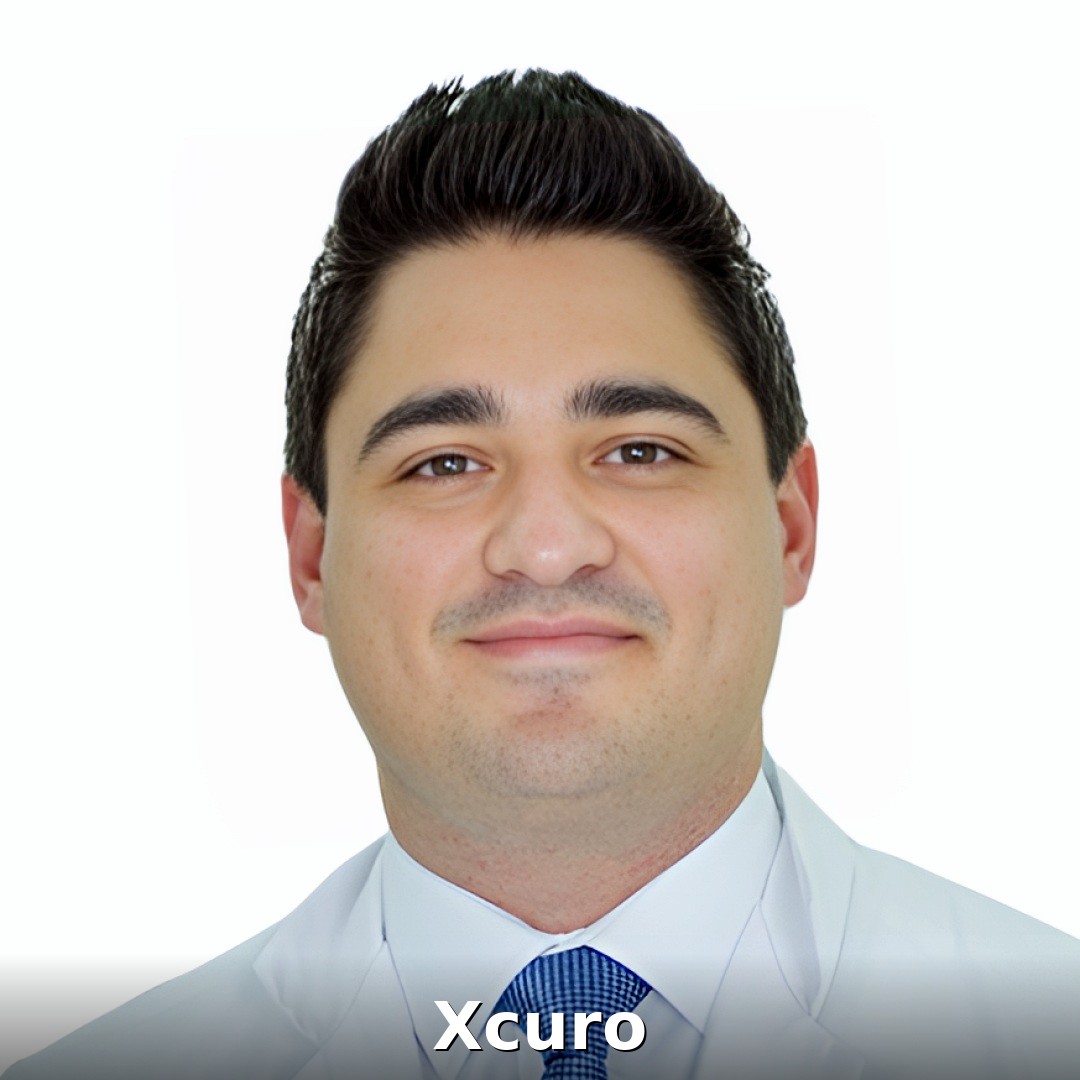
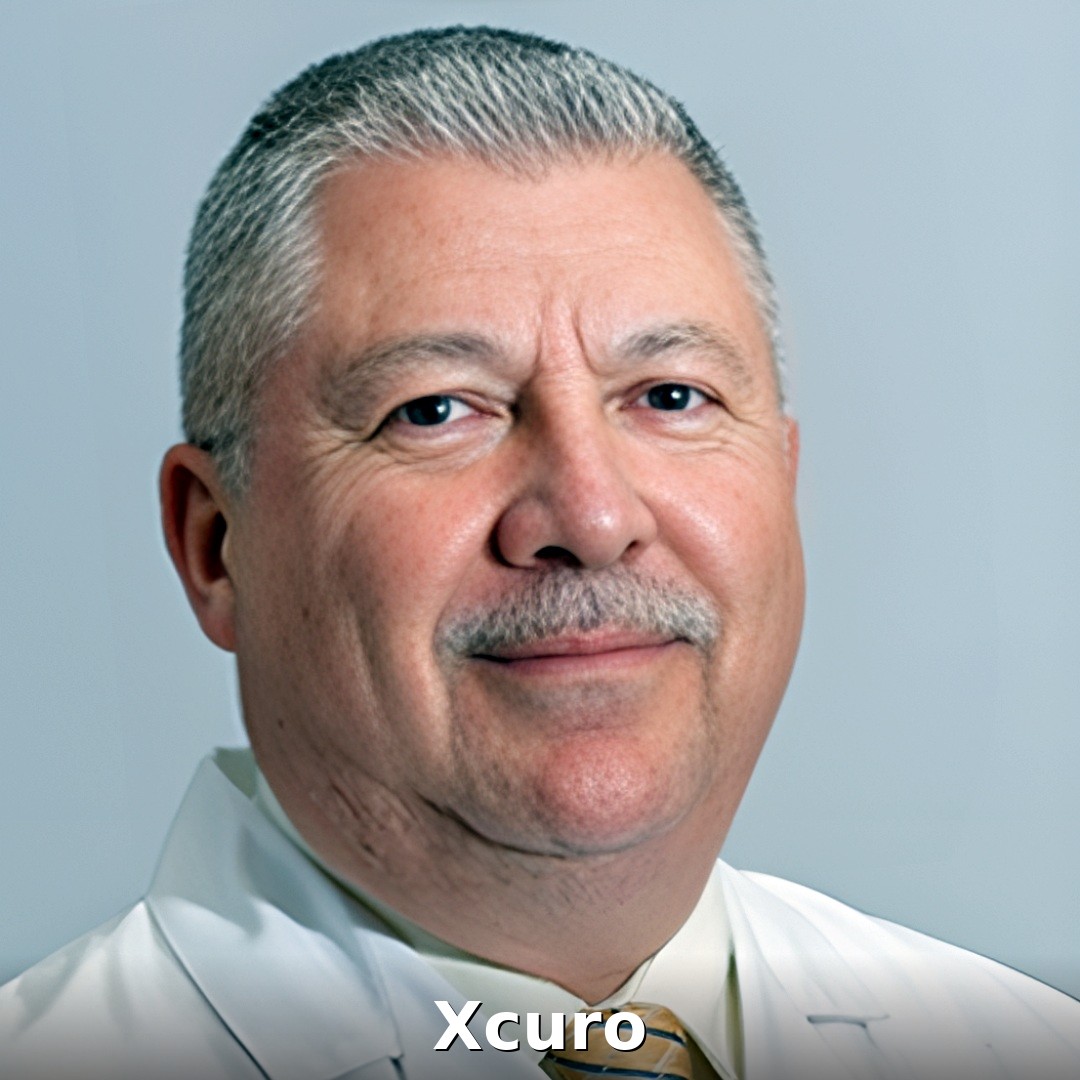
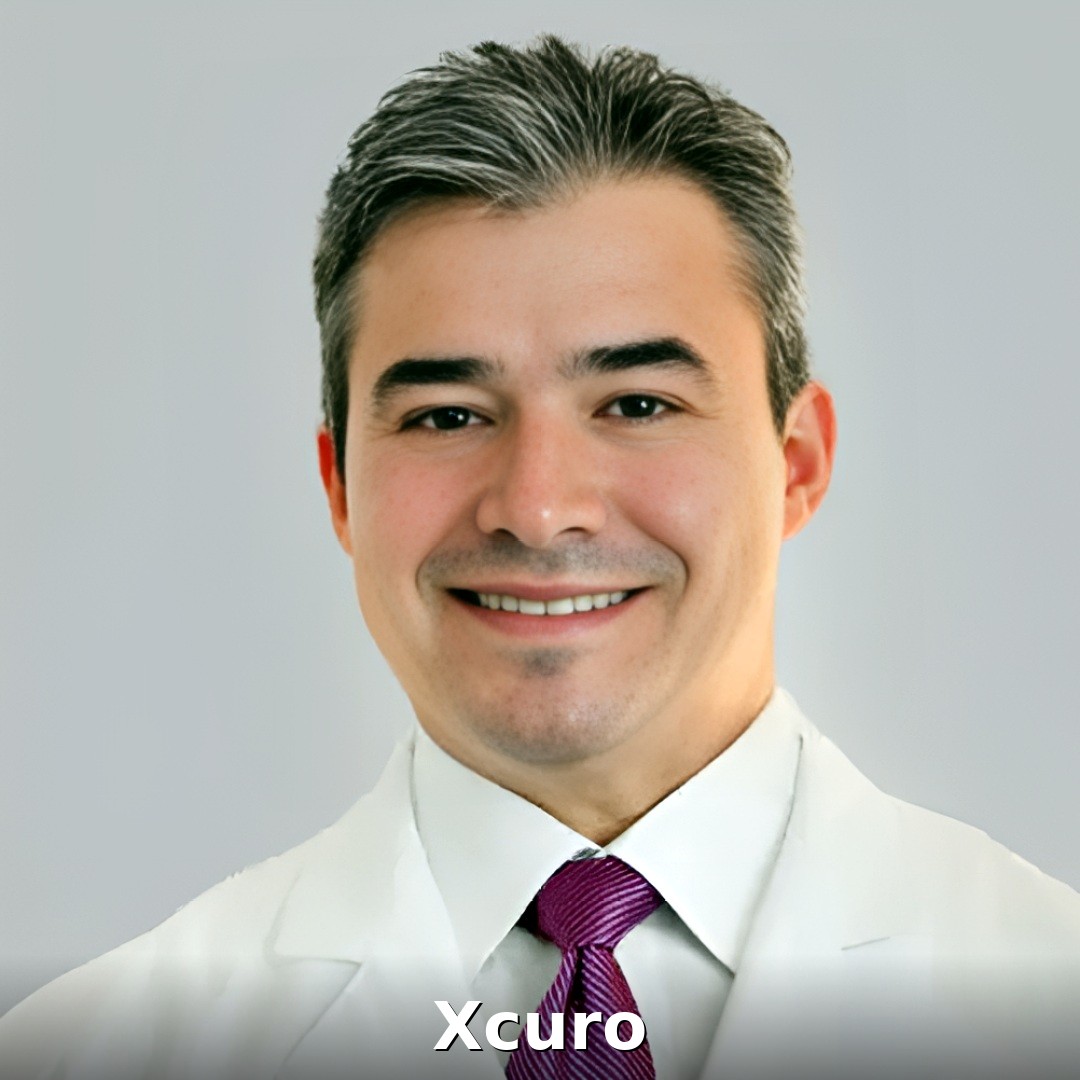
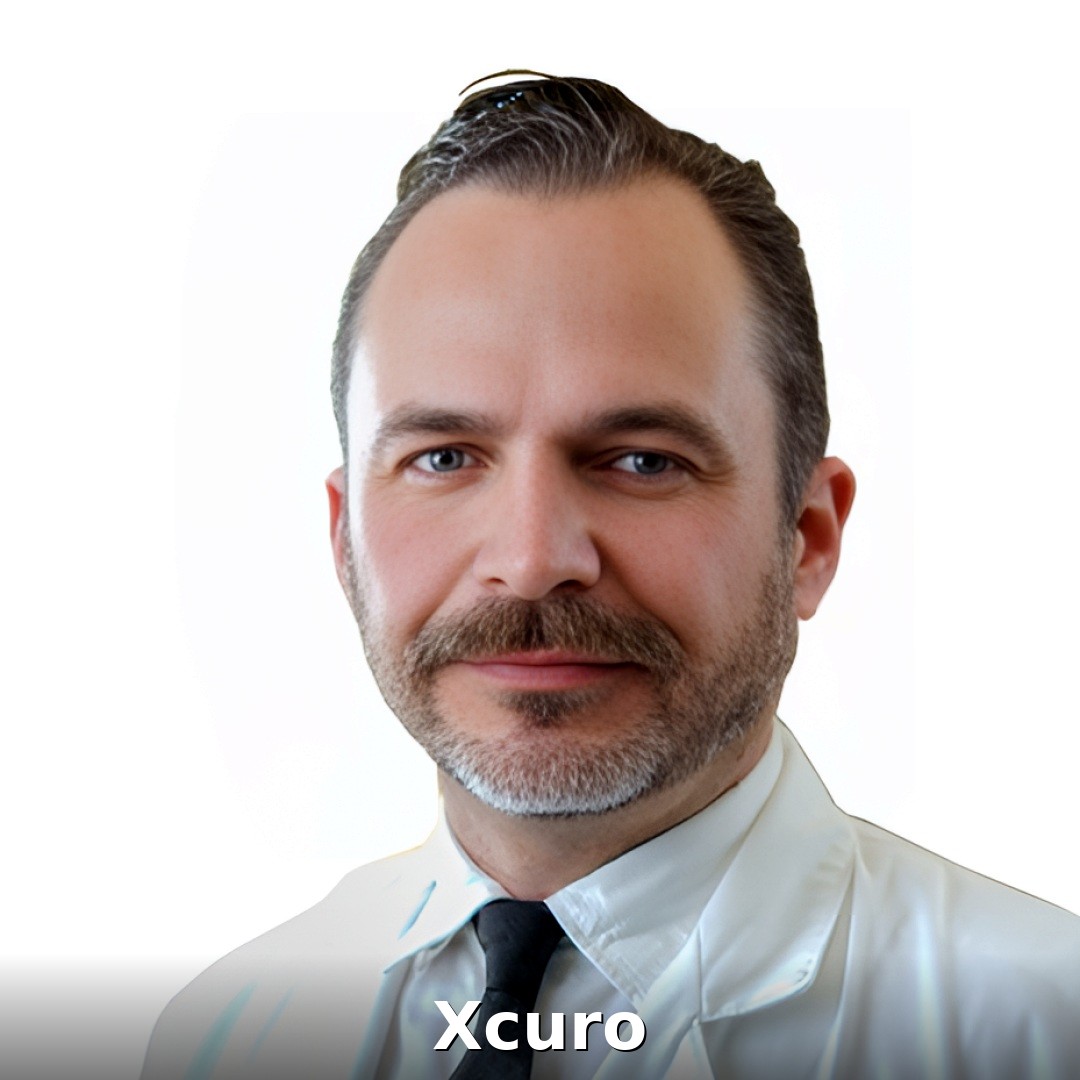
Rhinoplasty (Nose Job) doctors in Mexico

Frequently asked questions
How much is a nose job in Mexico?
At the two Baja California clinics we list, prices start at $3,200 (VIDA, Tijuana) and $5,399 (Hospital VELMAR, Ensenada). In the U.S., the average is $5,000 to $15,000 including the surgeon, facility and anesthesia (Cherry, 2026).
How long do I need to stay in Mexico after rhinoplasty?
Usually 7 to 10 days. The splint and external stitches come off after about a week, and you can usually travel home after that.
Is it safe to get a nose job in Tijuana?
Safety depends mostly on the surgeon and the facility. Choose a surgeon certified by the CMCPER, Mexico's plastic surgery board, check their professional license, and read the State Department advisory: Baja California is at Level 3, Reconsider Travel.
Will my insurance cover a nose job in Mexico?
No for a cosmetic rhinoplasty. A septoplasty to fix breathing problems is often covered in the U.S., but U.S. plans rarely pay for elective surgery abroad.
When will I see the final result?
Most bruising fades within three weeks, but the nose keeps settling for 6 to 12 months, longer with thick skin.
What documents do I need to cross the border back into the U.S.?
A U.S. passport, a passport card, an enhanced driver's license or a trusted-traveler card such as SENTRI. If you fly home from Mexico, you need a passport book.
Getting to Mexico from the U.S.
Visa. U.S. passport holders travel without a visa for up to 180 days. A passport book is required for air travel, and a tourist permit (FMM, issued digitally at airports) is required on arrival.Official source.
Flights and time zone. The shortest trip of any destination we work with. Nonstop flights to Mexico City, Guadalajara, Monterrey and Cancun from most large U.S. hubs, 2 to 5 hours; Tijuana is reachable on foot from San Diego.
U.S. State Department advisory. The advisory is set state by state. Baja California, where Tijuana and Ensenada are, is at Level 3 – Reconsider Travel, because of crime and kidnapping; U.S. government employees face no extra restrictions in Tijuana, Ensenada or Rosarito, and most violence happens outside tourist areas.Read the advisory.
Before you travel: what the CDC recommends
The U.S. Centers for Disease Control and Prevention publishes guidance for Americans travelling abroad for medical care. These are its recommendations, not ours.
- Check the qualifications of the clinician who will perform the procedure and the credentials of the facility.
- Bring copies of your medical records, including lab and other test results related to your condition.
- Make sure you can get follow-up care in the United States. Care for complications can be expensive and might not be covered by your health insurance.
- Obtain international travel health insurance that covers medical evacuation back to the United States.
- See your own healthcare provider 4–6 weeks before the trip to discuss risks specific to your health.
Sources
- Rhinoplasty cost and payment plans — Cherry, updated June 3, 2026
- Rhinoplasty cost — American Society of Plastic Surgeons
- Typical fares New York – San Diego — Kayak
- Typical fares Chicago – San Diego — Kayak
- Typical fares Dallas – San Diego — Kayak
- Mexico Travel Advisory — U.S. Department of State
- Western Hemisphere Travel Initiative: documents for re-entry — U.S. Customs and Border Protection
- Border wait times — U.S. Customs and Border Protection
- Consejo Mexicano de Cirugía Plástica, Estética y Reconstructiva (CMCPER) — CMCPER
- QUAD A accreditation — QUAD A
- Medical Tourism — CDC Travelers’ Health
- Publication 502: Medical and Dental Expenses — IRS
More cost guides for U.S. patients
What the research shows about rhinoplasty outcomes and safety
13 peer-reviewed sourcesRhinoplasty is among the most studied facial procedures, with a growing body of systematic reviews and meta-analyses comparing surgical techniques, graft materials, and approaches. Evidence consistently shows high patient satisfaction and measurable gains in quality of life when surgery is well planned and matched to realistic expectations, while also documenting revision rates and the functional impact on breathing and smell. The studies below span aesthetic and functional outcomes, open versus closed techniques, preservation versus structural methods, and psychosocial considerations. Because the nose serves both appearance and airflow, the best results come from procedures that protect or improve nasal function as well as shape. Outcomes depend heavily on surgeon experience and individual anatomy, so these findings describe general trends rather than guaranteed results.
- Preservation rhinoplasty versus conventional structural reduction: a systematic review
- Piezoelectric Versus Conventional Rhinoplasty: A GRADE-assessed Systematic Review and Meta-Analysis
- Does Dorsal Preservation Rhinoplasty Preserve Nasal Airway Function? A Systematic Review
- Complications Associated With Polycaprolactone (PCL) Use in Septorhinoplasty: A Systematic Review
- Fresh Frozen vs Autologous Costal Cartilage in Rhinoplasty: A Meta-Analysis of Complications
Compiled from peer-reviewed medical literature indexed on PubMed. This overview is for general education and is not medical advice. · Last updated 2026-06-15