Facelift in Mexico: 2026 Cost in Tijuana and What U.S. Patients Should Know
A facelift costs $5,500 to $6,000 at VIDA in Tijuana and $5,599 at Hospital VELMAR in Ensenada. In the U.S., the surgeon's fee alone averages $11,395. Below: prices and ratings, recovery, crossing the border and checking your surgeon.
Flights and extra hotel nights are not included in either price. Final quotes depend on your case.
Facelift clinics in Mexico: prices and independent ratings
Prices are each clinic's own quoted range in USD, as of October 2026. Ratings come from independent review platforms and link to the source.
| Clinic | Price | Independent ratings | |
|---|---|---|---|
| VIDA Wellness and Beauty Center xcuro partner Tijuana · QUAD A | $5,500 - $6,000 | ||
| Hospital VELMAR xcuro partner Ensenada · CSG | From $5,599 | ||
| Soulya Aesthetics Tijuana | Price on request | not enough reviews yet |
How clinics get listed: our methodology. Clinics do not pay for position on this page.Compare the clinics side by side.
Total trip budget from the U.S.
Surgery at clinics listed on xcuro plus a round-trip economy flight. Hotel nights included in the clinic package are covered; extra nights, meals and travel insurance are not.
| Flying from | Surgery | Round-trip flight | Total | U.S. surgeon fee alone |
|---|---|---|---|---|
| New York nonstop ≈ 6h 10m | $5,500 - $6,000 | $323 – $563 | $5,823 – $6,563 | From $11,395 |
| Chicago nonstop ≈ 4h 35m | $5,500 - $6,000 | $226 – $398 | $5,726 – $6,398 | From $11,395 |
| Dallas nonstop ≈ 3h 10m | $5,500 - $6,000 | $204 – $363 | $5,704 – $6,363 | From $11,395 |
Flights: Kayak, typical round-trip economy fares to San Diego over the past 12 months, checked September 29, 2026 · source. Home prices: American Society of Plastic Surgeons — surgeon fee only, excludes anesthesia and facility. Tijuana is across the border from San Diego. From Southern California, most patients drive or take the trolley to the border instead of flying.
Facelift in Mexico: pros and cons for U.S. patients
- About half the U.S. surgeon's fee alone.
- Next to San Diego: no long flight after surgery.
- VIDA's facility is accredited by QUAD A, a U.S. accreditation body.
- Same time zone as California.
- Only two partner clinics for this procedure.
- About two weeks nearby.
- The U.S. State Department rates Mexico Level 2, “Exercise Increased Caution” (May 29, 2026).
- Follow-up care happens at home, and complications may not be covered by U.S. insurance (CDC).
How xcuro works
- Free for you
You don't pay xcuro anything. If you go ahead with treatment at an xcuro partner clinic, that clinic pays us a referral fee.
- Rankings aren't for sale
Clinics can't pay to be listed, to appear higher or to change their reviews.
- Ratings you can check
Clinic ratings come from Google and Trustpilot, and each one links to its source.
- Prices with sources
Every U.S. price we compare against names its source. Your own quote comes from the clinic in writing.
How much does a facelift in Mexico cost?
xcuro's partner clinics in Baja California quote $5,500 to $6,000 (VIDA Wellness and Beauty Center, Tijuana) and $5,599 (Hospital VELMAR, Ensenada). In the U.S., the American Society of Plastic Surgeons reports an average surgeon's fee of $11,395, before anesthesia and the operating room. For a facelift, the saving in Mexico is substantial even after flights to San Diego.
Mini, full or deep plane facelift
A mini facelift lifts the lower face through shorter incisions; a full or deep plane facelift repositions deeper tissue and lasts longer. Ask each surgeon which technique they recommend for you, and whether a neck lift or eyelid surgery is included.
Anesthesia, results and combined procedures
A full facelift is usually done under general anesthesia and takes several hours. It is often combined with a brow lift or upper and lower eyelid surgery, which raises the price and lengthens recovery. A facelift does not stop aging, but most patients look younger than they otherwise would for many years.
Recovery and how long to stay
Plan on about two weeks nearby. Stitches usually come out after a week and most bruising fades within two to three weeks. Because Tijuana borders San Diego, the trip home can start with a short drive rather than a long flight; ask your surgeon when you can cross back.
How to check your surgeon in Mexico
Plastic surgeons in Mexico are certified by the Consejo Mexicano de Cirugía Plástica, Estética y Reconstructiva (CMCPER); you can look surgeons up in its directory. Every doctor also needs a professional license (cédula profesional) listed in the government registry. VIDA's facility in Tijuana is accredited by QUAD A, a U.S. accreditation body for surgery centers.
Getting there and back
Fly into San Diego, or into Tijuana and use the Cross Border Xpress bridge. Coming back by land you need a U.S. passport, passport card, enhanced driver's license or a trusted-traveler card such as SENTRI. Hospital VELMAR is in Ensenada, about 1.5 hours' drive south of Tijuana.
Insurance and taxes
Cosmetic surgery is not covered by U.S. health insurance, and the IRS does not treat it as a medical expense (IRS Publication 502). The CDC warns that treating complications after surgery abroad can be expensive and may not be covered by your U.S. plan.
Safety: read our guide Is It Safe to Get Plastic Surgery in Mexico?
Comparing countries? Read Plastic surgery in Turkey vs Mexico. Insurance questions: what health and travel insurance cover abroad.
Facelift doctors in Mexico
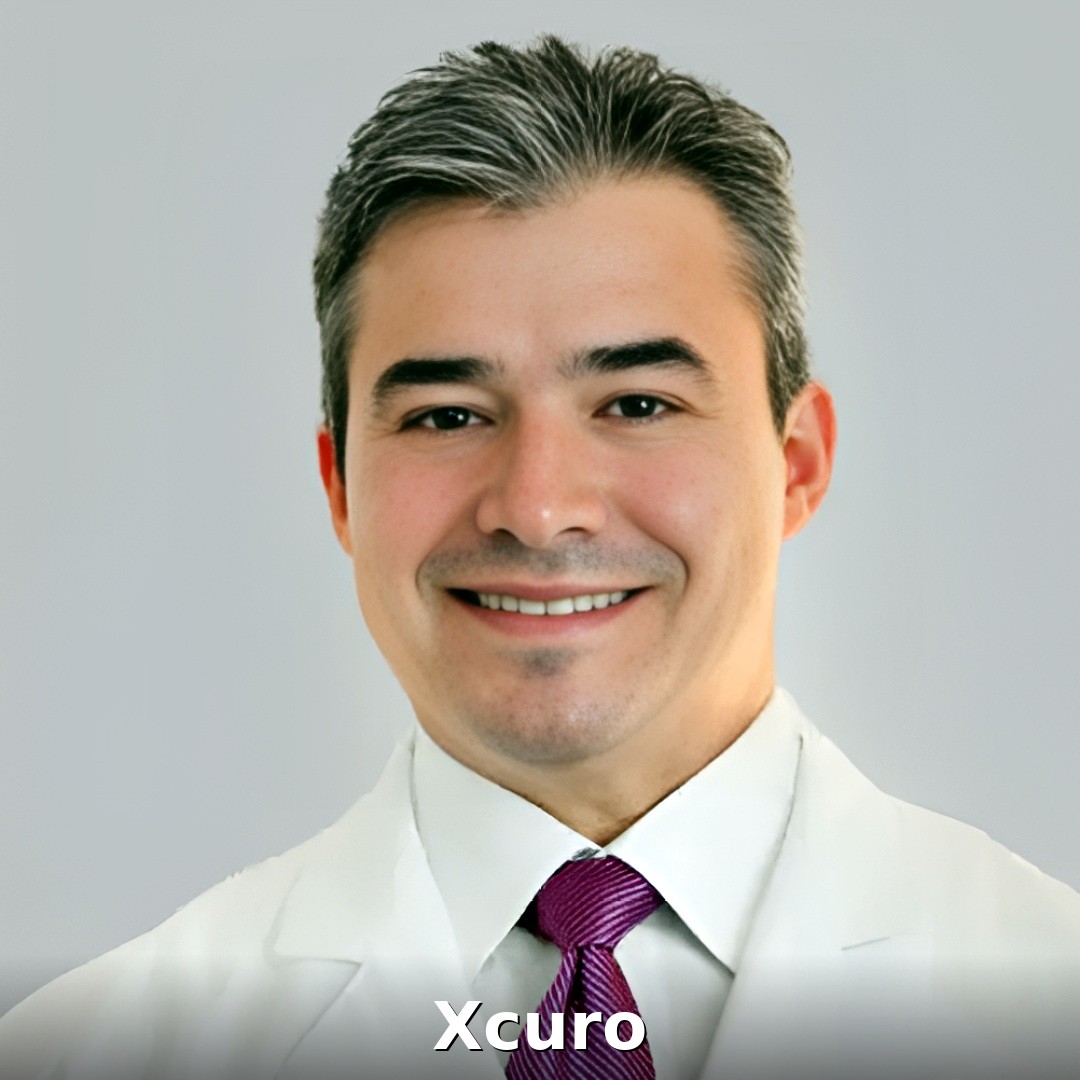

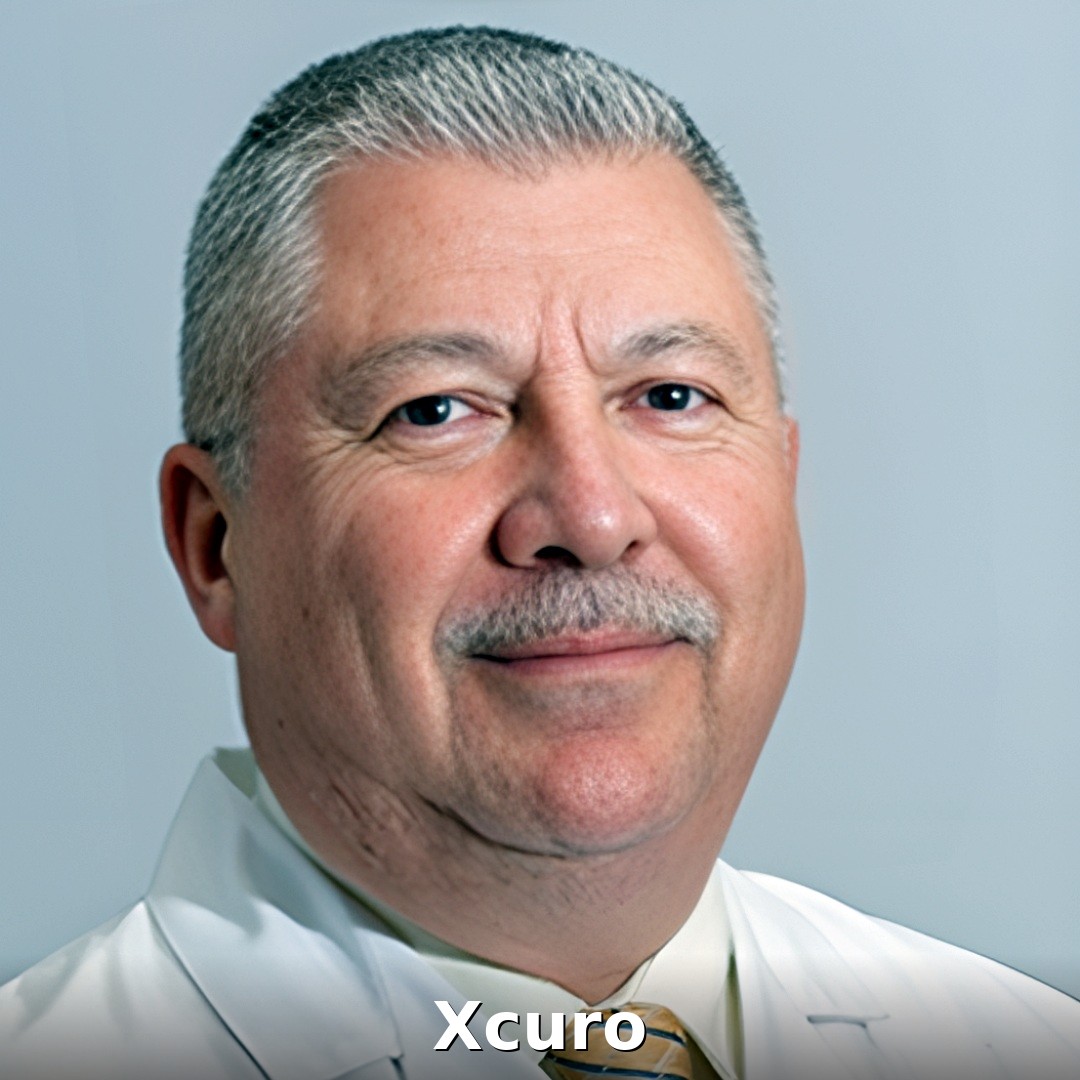
If something goes wrong after facelift in Mexico
Emergency? In the U.S., call 911; in Mexico, call 911 (not all operators speak English). Then tell the clinic in writing.
Get help now if you notice these after cosmetic surgery
- Sudden shortness of breath, chest pain or a racing heart: call 911 (possible blood clot).
- Confusion, clammy skin, fever with shivering or extreme pain: call 911 (possible sepsis).
- Swelling, pain, warmth or redness in one leg: see a doctor the same day.
- Increasing redness, swelling, or yellow or green drainage at an incision, or a fever of 100°F or higher: call your surgeon today.
- Sudden swelling of one breast or a collection of fluid or blood under the skin: call your surgeon today.
Where to complain in Mexico
- CONAMED (Comisión Nacional de Arbitraje Médico): Complaints about care from public or private doctors, hospitals and clinics; free conciliation and, if both sides agree, arbitration.Fill in CONAMED's PDF complaint guide (Guía para presentar una queja) and email it with ID and copies of medical documents to primera_atencion@conamed.gob.mx, or file in person or by post in Mexico City. Spanish only. For care in another state, CONAMED points you to that state's commission. Nothing on its pages excludes non-residents, but we could not confirm that it accepts complaints from patients living abroad.
- State medical arbitration commissions (for Tijuana: Comisión de Arbitraje Médico del Estado de Baja California, CAMEBC): Medical complaints about providers in that state, by conciliation and arbitration.Find the state commission in CONAMED's directory. CAMEBC first refused a complaint from an Oregon patient, saying it lacked jurisdiction; a district judge ordered it to hear the case in September 2026. We could not confirm an official CAMEBC website or online filing route.
- PROFECO (Procuraduría Federal del Consumidor): Consumer disputes with businesses, including billing and refunds; the State Department says PROFECO may be able to help resolve disputes over medical services.Online conciliation through Concilianet (registration required) or at a PROFECO office. Spanish only. We could not confirm the procedure for consumers who live outside Mexico.
- COFEPRIS (Comisión Federal para la Protección contra Riesgos Sanitarios): Sanitary complaints (denuncia sanitaria) about establishments, including public or private hospitals and clinics operating without proper licensing or in unsafe conditions. It does not award compensation.Online form in the Denuncias Sanitarias section of gob.mx/cofepris (official guide dated May 28, 2026); the complainant's details are kept confidential from the clinic. Spanish only.
The U.S. embassy keeps a list of local doctors and hospitals.
What to do if something goes wrong: the full guide for U.S. patients →
Frequently asked questions
How much is a facelift in Mexico?
At our Baja California partner clinics, $5,500 to $6,000 at VIDA in Tijuana and $5,599 at Hospital VELMAR in Ensenada. In the U.S., the surgeon's fee alone averages $11,395.
Can I get a deep plane facelift in Mexico?
Ask the surgeon which technique they use and recommend for you; the price depends on the technique and whether a neck lift is added.
How long should I stay in Mexico after a facelift?
About two weeks nearby. Tijuana's location next to San Diego keeps the trip home short.
Is it safe to get a facelift in Tijuana?
Choose a CMCPER-certified plastic surgeon and an accredited facility, and read the State Department advisory: Mexico is at Level 2, Exercise Increased Caution, and U.S. citizens are asked to avoid travel between cities after dark.
What documents do I need to cross the border back into the U.S.?
A U.S. passport, a passport card, an enhanced driver's license or a trusted-traveler card such as SENTRI. If you fly home from Mexico, you need a passport book.
Getting to Mexico from the U.S.
Visa. U.S. passport holders travel without a visa for up to 180 days. A passport book is required for air travel, and a tourist permit (FMM, issued digitally at airports) is required on arrival.Official source.
Flights and time zone. The shortest trip of any destination we work with. Nonstop flights to Mexico City, Guadalajara, Monterrey and Cancun from most large U.S. hubs, 2 to 5 hours; Tijuana is reachable on foot from San Diego.
U.S. State Department advisory. Level 2 – Exercise Increased Caution (May 29, 2026), due to terrorism, crime and kidnapping. Level 3 – Reconsider Travel: Baja California (Tijuana, Los Algodones) and Jalisco (Guadalajara, Puerto Vallarta). Quintana Roo (Cancún): Exercise Increased Caution.Read the advisory.
Before you travel: what the CDC recommends
The U.S. Centers for Disease Control and Prevention publishes guidance for Americans traveling abroad for medical care. These are its recommendations, not ours.
- Check the qualifications of the clinician who will perform the procedure and the credentials of the facility.
- Bring copies of your medical records, including lab and other test results related to your condition.
- Make sure you can get follow-up care in the United States. Care for complications can be expensive and might not be covered by your health insurance.
- Obtain international travel health insurance that covers medical evacuation back to the United States.
- See your own healthcare provider 4–6 weeks before the trip to discuss risks specific to your health.
Sources
- Facelift cost — American Society of Plastic Surgeons
- Typical fares New York – San Diego — Kayak
- Mexico Travel Advisory — U.S. Department of State
- Medical Tourism — CDC Travelers’ Health
- Publication 502: Medical and Dental Expenses — IRS
Read before you decide
Facelift in Mexico by city
More cost guides for U.S. patients
What the Research Says About Facelift (Rhytidectomy) Surgery
15 peer-reviewed sourcesFacelift surgery, or rhytidectomy, addresses age-related laxity of the face and neck through techniques that range from superficial musculoaponeurotic system (SMAS) manipulation to deep-plane dissection. The studies summarized below include systematic reviews, meta-analyses, and randomized controlled trials comparing these techniques and examining strategies to reduce complications such as hematoma and facial nerve injury. Current evidence suggests that deep-plane and SMAS approaches can both deliver durable rejuvenation, with ongoing research into adjuncts like tranexamic acid and hemostatic nets aimed at improving safety. Hematoma remains the most common significant complication, which is why much of the literature focuses on bleeding prevention. This material is intended for general education and should be discussed with a board-certified plastic or facial plastic surgeon in the context of your individual anatomy and goals.
- The Deep Plane versus SMAS Facelift: A Systematic Review and Meta-Analysis.
- Comparing the Safety and Efficacy of Superficial Musculoaponeurotic System and Deep Plane Facelift Techniques: A Systematic Review and Meta-analysis.
- Comparison of Deep SMAS Lift and MACS in Facelift: A Meta-Analysis.
- Impact of Tranexamic Acid on Bleeding Outcomes and Complication Rates in Facelift: A Systematic Review and Meta-analysis.
- Tranexamic Acid Application in Facial Aesthetic Surgery: An Umbrella Review.
Compiled from peer-reviewed medical literature indexed on PubMed. This overview is for general education and is not medical advice. · Last updated 2026-06-15