Is It Safe to Get Plastic Surgery in South Korea? A 2026 Guide for U.S. Patients
More than 170,000 Americans went to Korea for treatment in 2025. Here is how Korean law protects foreign patients, how to avoid ghost surgery and unregistered brokers, and how to check a clinic.
Is it safe to get plastic surgery in South Korea?
Korea has some of the most detailed rules for clinics that treat foreign patients, and the U.S. State Department rates South Korea Level 1, “Exercise Normal Precautions” (advisory). Korea received 2.01 million foreign patients in 2025, including 173,000 from the U.S., 70% more than a year earlier; 233,000 foreign patients came for plastic surgery (Ministry of Health and Welfare).
The risks Korea is known for are practical: very busy clinics, “ghost surgery” (a different surgeon operating than the one you met), and unregistered brokers. Korean law now addresses all three.
What Korean law requires
- Registration. A clinic that treats foreign patients must register with the local government, have at least one board-certified specialist in each department that serves foreign patients, and carry malpractice insurance; agencies must register too (law, art. 6). In March 2025 there were 3,114 registered clinics and 1,927 registered agencies (Medical Korea). Recruiting foreign patients without registration can mean up to 3 years in prison (Medical Korea).
- Specialist title. Only a doctor recognized by the Ministry of Health and Welfare as a specialist may advertise as a “plastic surgery specialist” (Medical Service Act, art. 77). Check the title, not just the clinic’s name.
- No ghost surgery. The written consent before surgery must name the principal surgeon, and any change of surgeon must be explained to you in writing (art. 24-2).
- Cameras in the operating room. Since September 25, 2023, operating rooms where patients are under general anesthesia or sedation must have CCTV, and the surgery must be recorded if you ask; footage is kept at least 30 days (Ministry of Health and Welfare).
How to check a clinic in Korea
- Look up the clinic in the government’s list of registered hospitals and any agency in the list of registered facilitators.
- Ask whether the surgeon is a Ministry-recognized plastic surgery specialist, and get their name on the consent form.
- Ask in writing for the operation to be recorded on CCTV.
- Check whether the hospital holds KAHF accreditation for hospitals serving foreign patients (Medical Korea).
If something goes wrong
Korea’s Medical Dispute Mediation and Arbitration Agency (K-medi) accepts requests from foreign patients by e-mail in English; an arbitration decision has the same effect as a final court judgment (K-medi). Registered clinics must carry malpractice insurance.
Recovery and the flight home
ASPS advises waiting 5 to 7 days before flying after body procedures and 7 to 10 days after facial surgery (ASPS); CDC advises 10 to 14 days after major surgery, because of the risk of blood clots on long flights (CDC). The flight from Seoul to the U.S. is long, so plan for the longer end. Arrange a U.S. doctor for follow-up before you go and bring your records home: CDC warns that treating complications can be expensive and may not be covered by your insurance (CDC). The American Society of Plastic Surgeons warns that U.S. law does not protect patients abroad, so there may be no legal recourse after negligence (ASPS).
U.S. State Department advisory for South Korea
Level 1 – Exercise Normal Precautions. The advisory notes that large demonstrations can occur with little notice.Read the advisory.
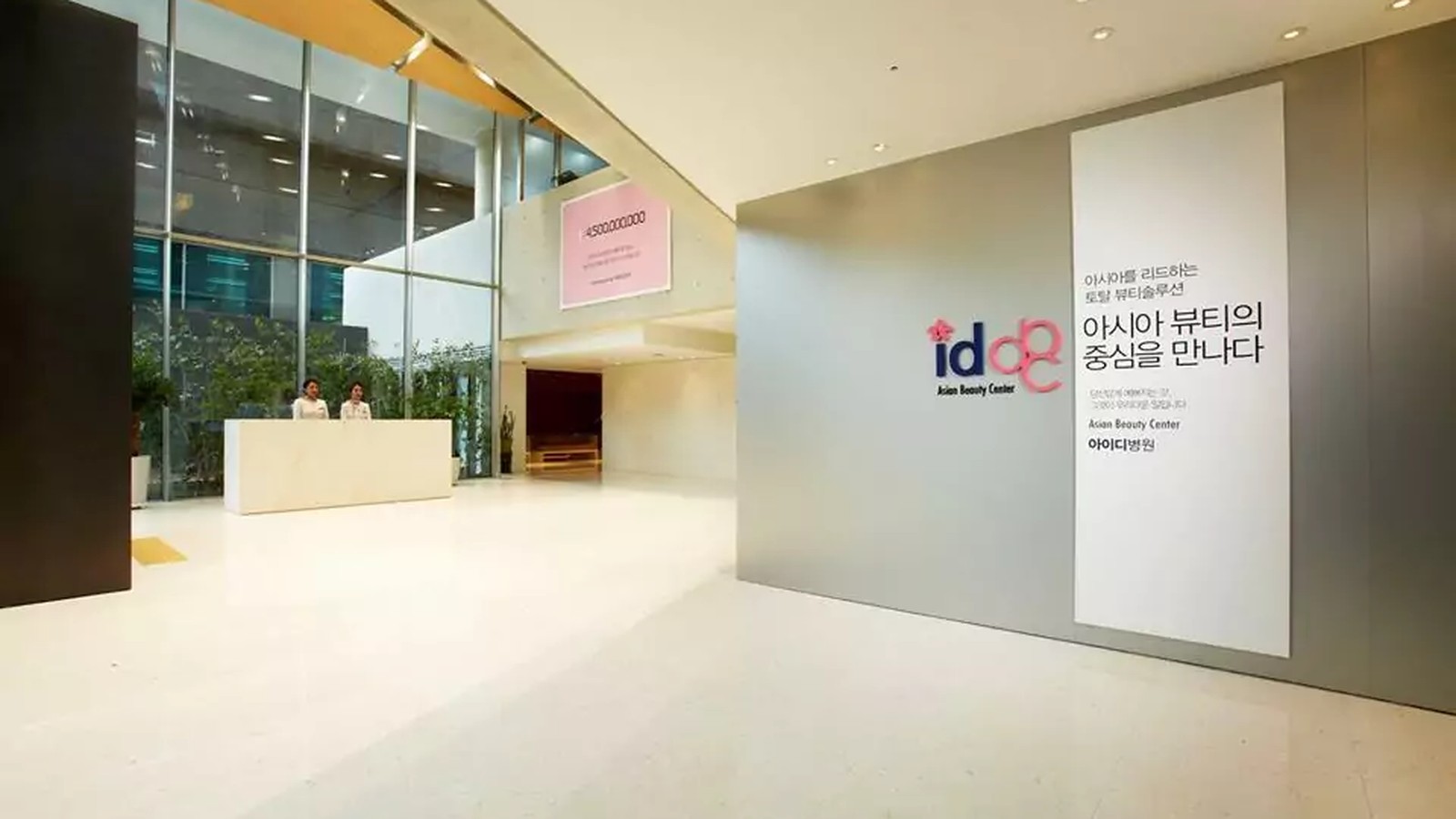
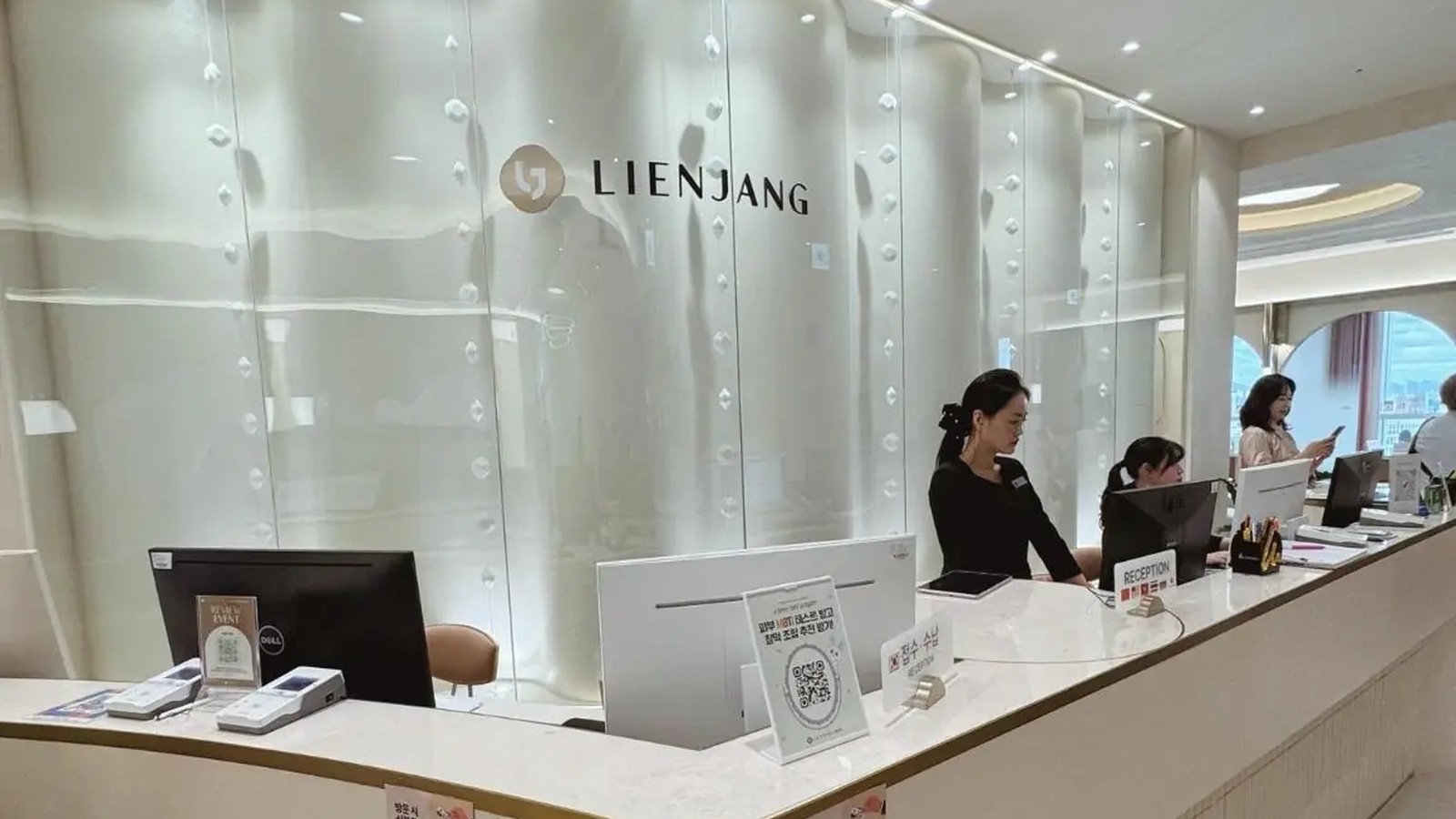
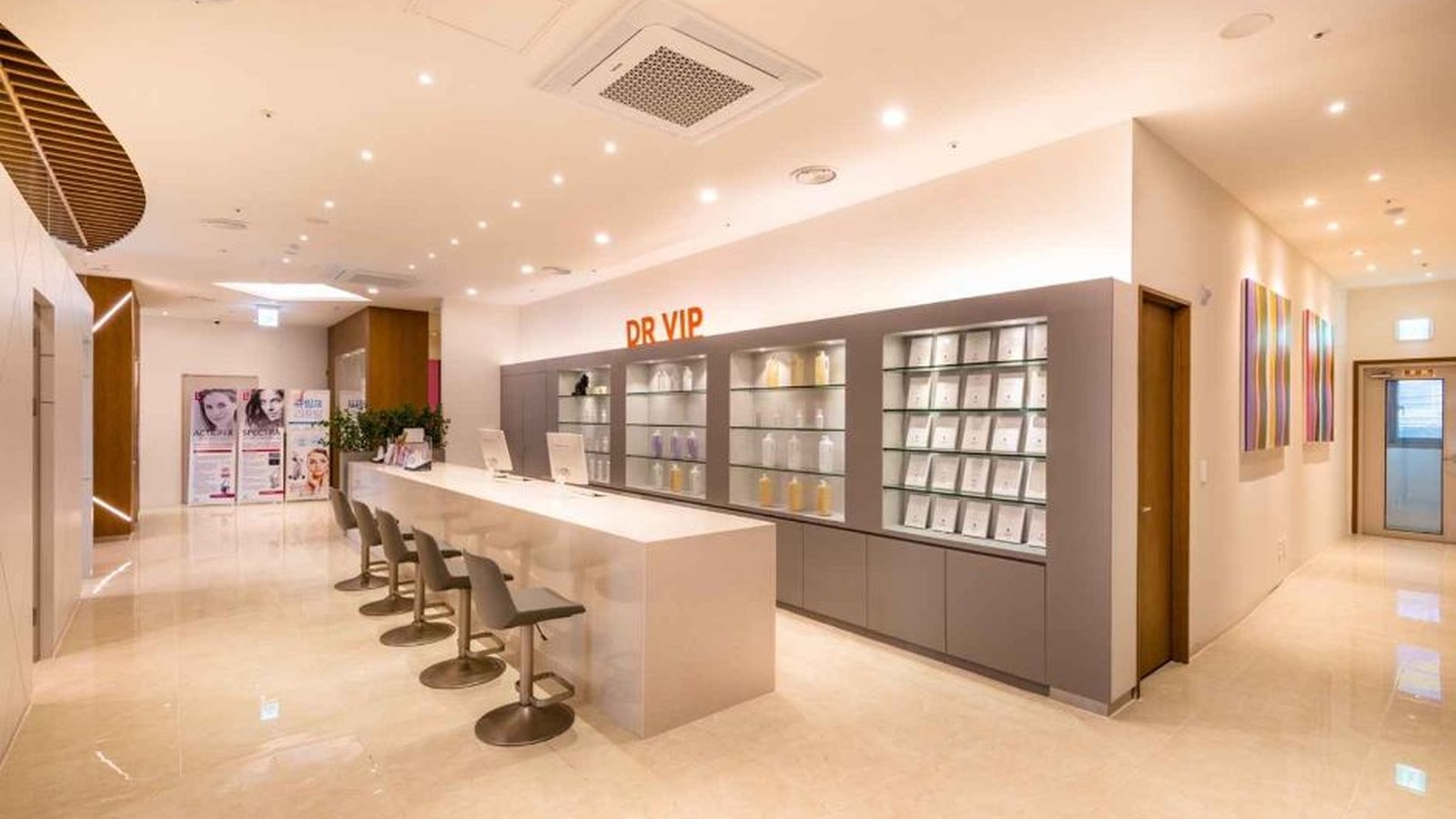
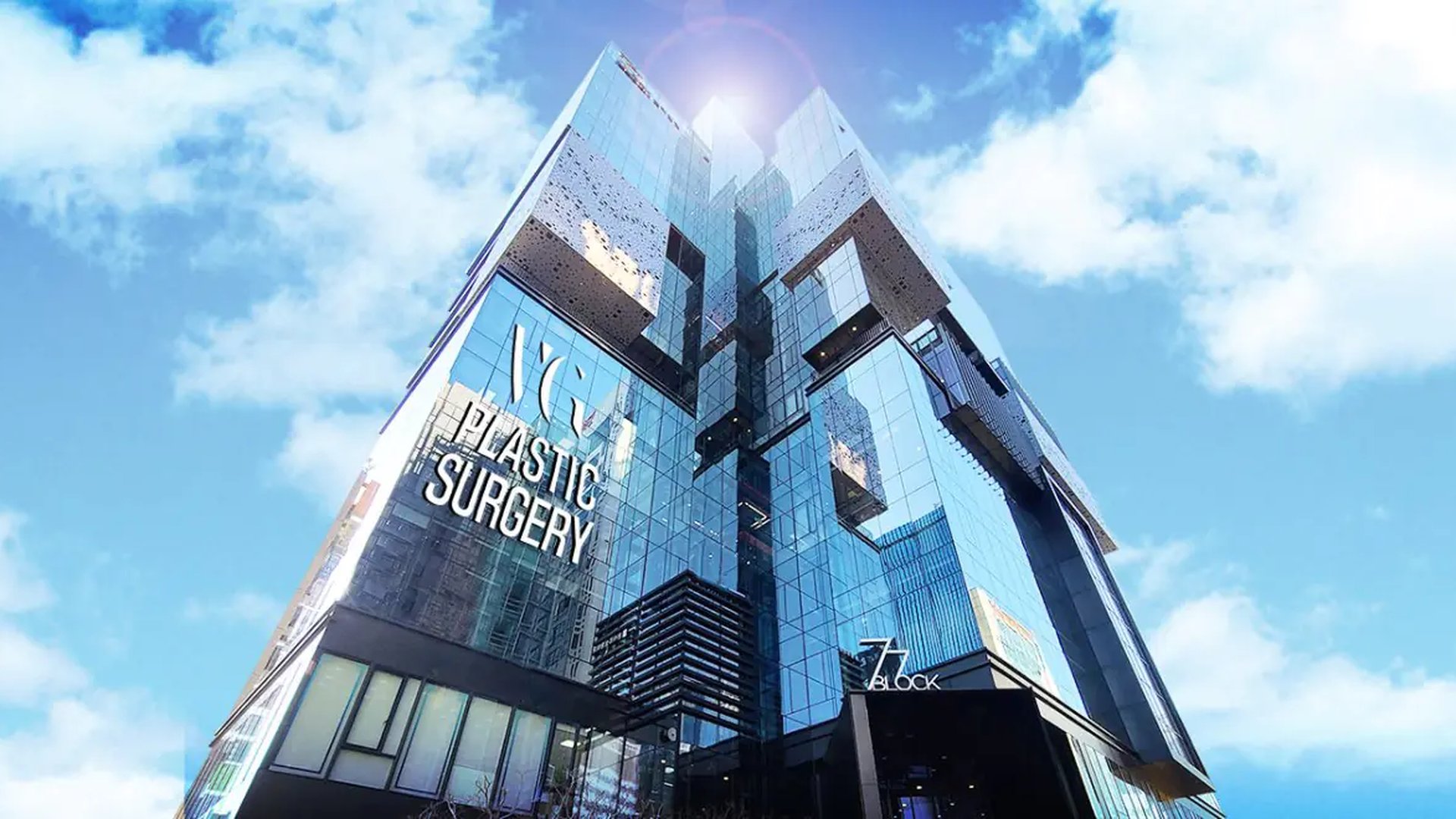
Plastic & Aesthetic Surgery clinics in South Korea listed on xcuro
Sorted by the number of independent reviews. Partner clinics have a contract with xcuro; the others are listed for comparison.
Plastic & Aesthetic Surgery prices in South Korea vs the U.S.
Price ranges published by the clinics above (USD), next to the typical U.S. price for the same procedure.
| Procedure | Clinics in South Korea | Typical U.S. price | |
|---|---|---|---|
| Breast Augmentation 5 clinics | $3,200 - $15,400 | $6,000 - $12,000 | Full guide → |
| Breast Reduction 2 clinics | $6,000 - $18,500 | From $7,800 surgeon's fee only | Full guide → |
| Eyelid Surgery (Blepharoplasty) 6 clinics | $821 - $6,600 | From $3,359 surgeon's fee only | Full guide → |
| Face Contouring 6 clinics | $2,200 - $10,000 | From $10,000 | Full guide → |
| Facelift 6 clinics | $1,230 - $25,400 | From $11,395 surgeon's fee only | Full guide → |
| Liposuction 5 clinics | $1,000 - $20,800 | From $4,711 surgeon's fee only | Full guide → |
| Rhinoplasty (Nose Job) 7 clinics | $1,187 - $10,324 | $5,000 - $15,000 | Full guide → |
| Tummy Tuck (Abdominoplasty) 3 clinics | $3,600 - $12,905 | $6,000 - $12,000 | Full guide → |
U.S. prices come from the sources named on each procedure page. Travel and hotel are not included.
How xcuro works
- Free for you
You don't pay xcuro anything. If you go ahead with treatment at an xcuro partner clinic, that clinic pays us a referral fee.
- Rankings aren't for sale
Clinics can't pay to be listed, to appear higher or to change their reviews.
- Ratings you can check
Clinic ratings come from Google and Trustpilot, and each one links to its source.
- Prices with sources
Every U.S. price we compare against names its source. Your own quote comes from the clinic in writing.
Frequently asked questions
Is it safe to get plastic surgery in South Korea?
In Korea, clinics treating foreign patients must register, employ board-certified specialists and carry malpractice insurance, the surgeon must be named on the consent form, and you can ask for the surgery to be recorded on CCTV. The State Department rates South Korea Level 1.
What is ghost surgery in Korea?
When a different, often less qualified, doctor operates instead of the surgeon you met. Korean law requires the principal surgeon to be named in the written consent and any change to be explained in writing, and since 2023 you can ask for the operation to be filmed.
How do I check a Korean plastic surgery clinic?
Find it on Medical Korea’s list of registered hospitals, check any agency on the list of registered facilitators, and confirm that the surgeon is a Ministry-recognized plastic surgery specialist.
How many Americans get treatment in Korea?
173,000 U.S. patients came to Korea in 2025, up 70% from 2024, according to the Ministry of Health and Welfare; 9.3% of them came for plastic surgery.
What can I do if surgery in Korea goes wrong?
You can apply to K-medi, Korea’s medical dispute mediation and arbitration agency, by e-mail in English. Registered clinics must carry malpractice insurance.
Before you travel: what the CDC recommends
- Check the qualifications of the clinician who will perform the procedure and the credentials of the facility.
- Make sure you can get follow-up care in the United States. Care for complications can be expensive and might not be covered by your health insurance.
- Obtain international travel health insurance that covers medical evacuation back to the United States.
- See your own healthcare provider 4–6 weeks before the trip to discuss risks specific to your health.
Sources
- South Korea Travel Advisory — U.S. Department of State
- Foreign patients in 2025 (press release, April 2026) — Ministry of Health and Welfare, Korea
- Act on Overseas Expansion of Medical Services and Attraction of International Patients — Korea Legislation Research Institute
- Reliable medical services — Medical Korea (KHIDI)
- Medical Service Act (arts. 24-2, 38-2, 77) — Korea Legislation Research Institute
- Operating-room CCTV rules (2023) — Ministry of Health and Welfare, Korea
- Registered hospitals — Medical Korea (KHIDI)
- Registered facilitators — Medical Korea (KHIDI)
- KAHF accreditation — Medical Korea (KHIDI)
- Mediation and arbitration for foreign patients — Korea Medical Dispute Mediation and Arbitration Agency (K-medi)
- South Korea travel advice: health — UK Foreign, Commonwealth & Development Office
- Cosmetic surgery tourism briefing paper — American Society of Plastic Surgeons
- Medical Tourism — CDC Travelers’ Health