BBL in Turkey: 2026 Brazilian Butt Lift Cost, Safety and What U.S. Patients Should Know
A Brazilian butt lift costs about $2,200 to $6,000 at the three Istanbul clinics we work with, against $6,000 to $16,000 or more in the U.S. Below: prices and ratings, the safety questions that matter most for a BBL, recovery and the flight home.
Flights and extra hotel nights are not included in either price. Final quotes depend on your case.
Buttock Augmentation (BBL) clinics in Turkey: prices and independent ratings
Prices are each clinic's own quoted range in USD, as of October 2026. Ratings come from independent review platforms and link to the source.
| Clinic | Price | Independent ratings | |
|---|---|---|---|
| Quartz Hospital Istanbul · Health Tourism Cert. | $2,214 - $4,025 | ||
| Medipol Mega Üniversite Hastanesi Istanbul · JCI | $3,500 - $6,000 | ||
| Istanbul Aesthetic Center Istanbul · ISO 9001, Health Tourism Cert. | $3,880 - $4,900 |
How clinics get listed: our methodology. Clinics do not pay for position on this page.
Total trip budget from the U.S.
Surgery at our partner clinics plus a round-trip economy flight. Hotel nights included in the clinic package are covered; extra nights, meals and travel insurance are not.
| Flying from | Surgery | Round-trip flight | Total | Same surgery at home |
|---|---|---|---|---|
| New York nonstop ≈ 9h 40m | $2,214 - $6,000 | $740 – $1,178 | $2,954 – $7,178 | $6,000 - $16,000 |
| Los Angeles nonstop ≈ 13h 10m | $2,214 - $6,000 | $784 – $1,262 | $2,998 – $7,262 | $6,000 - $16,000 |
Flights: Kayak, typical round-trip economy fares to Istanbul Airport over the past 12 months, checked September 29, 2026 · source. Home prices: Cherry, 2026 — typical range; anesthesia and aftercare can add to it.
Buttock Augmentation (BBL) in Turkey: pros and cons for U.S. patients
- Prices from about $2,200, against $6,000–$16,000+ in the U.S.
- Packages usually include the hotel, transfers and an interpreter.
- No visa needed with a U.S. passport.
- Before-and-after photos from the surgeons we work with.
- A long flight home when you shouldn't sit normally for two weeks.
- A BBL carries a risk of fatal fat embolism if fat is injected into the muscle (ASPS).
- Follow-up care happens at home, and complications may not be covered by U.S. insurance (CDC).
- The U.S. State Department rates Türkiye Level 2, “Exercise Increased Caution”.
How much does a BBL in Turkey cost?
The three Istanbul clinics we work with quote between $2,214 and $6,000. In the U.S., prices typically run $6,000 to $16,000 or more (Cherry, 2026), and the American Society of Plastic Surgeons has said a safe BBL by a board-certified plastic surgeon can cost $12,000 to $18,000.
Safety first
The American Society of Plastic Surgeons warns that fat accidentally injected into the buttock muscle can cause a fat embolism and death. Current guidance is to inject fat only under the skin, with ultrasound guidance recommended, and the ASPS suggests no more than two or three such procedures per surgeon per day. Ask every clinic, in writing:
- Will the fat be injected only under the skin, above the muscle?
- Does the surgeon use ultrasound to check where the fat goes?
- Who performs the liposuction and the fat transfer, and are they plastic surgeons?
- How many BBLs does the surgeon perform in one day?
How a BBL works and who is a candidate
A BBL uses your own fat. Liposuction removes fat from donor areas such as the abdomen, flanks and back; the fat is purified and injected into the buttocks. Not all transferred fat survives: part of it is reabsorbed by the body over the first months, so the final shape is smaller than right after surgery. You need enough donor fat and a stable weight; very slim patients may not have enough. Wearing compression garments and avoiding pressure on the buttocks help more fat survive.
Recovery and the flight home
You should not sit directly on your buttocks for about two weeks, and the flight home from Istanbul takes 10 to 13 hours. Plan on 7 to 10 days in Istanbul, ask your surgeon how to sit safely on the flight, and how blood clots are prevented. If a long flight worries you, compare our BBL in Mexico guide: Tijuana is a short drive from San Diego.
How to check your surgeon in Turkey
- Check that the surgeon holds a Turkish specialist title in plastic, reconstructive and aesthetic surgery; some also hold the European board qualification (EBOPRAS / FEBOPRAS).
- Confirm in writing that the surgeon you consulted is the one who will operate.
- Ask how many of these operations the surgeon performs a year, and for before-and-after photos of patients similar to you.
Insurance and taxes
Cosmetic surgery is not covered by U.S. health insurance, and the IRS does not treat it as a medical expense (IRS Publication 502). The CDC warns that treating complications after surgery abroad can be expensive and may not be covered by your U.S. plan.
Buttock Augmentation (BBL) doctors in Turkey
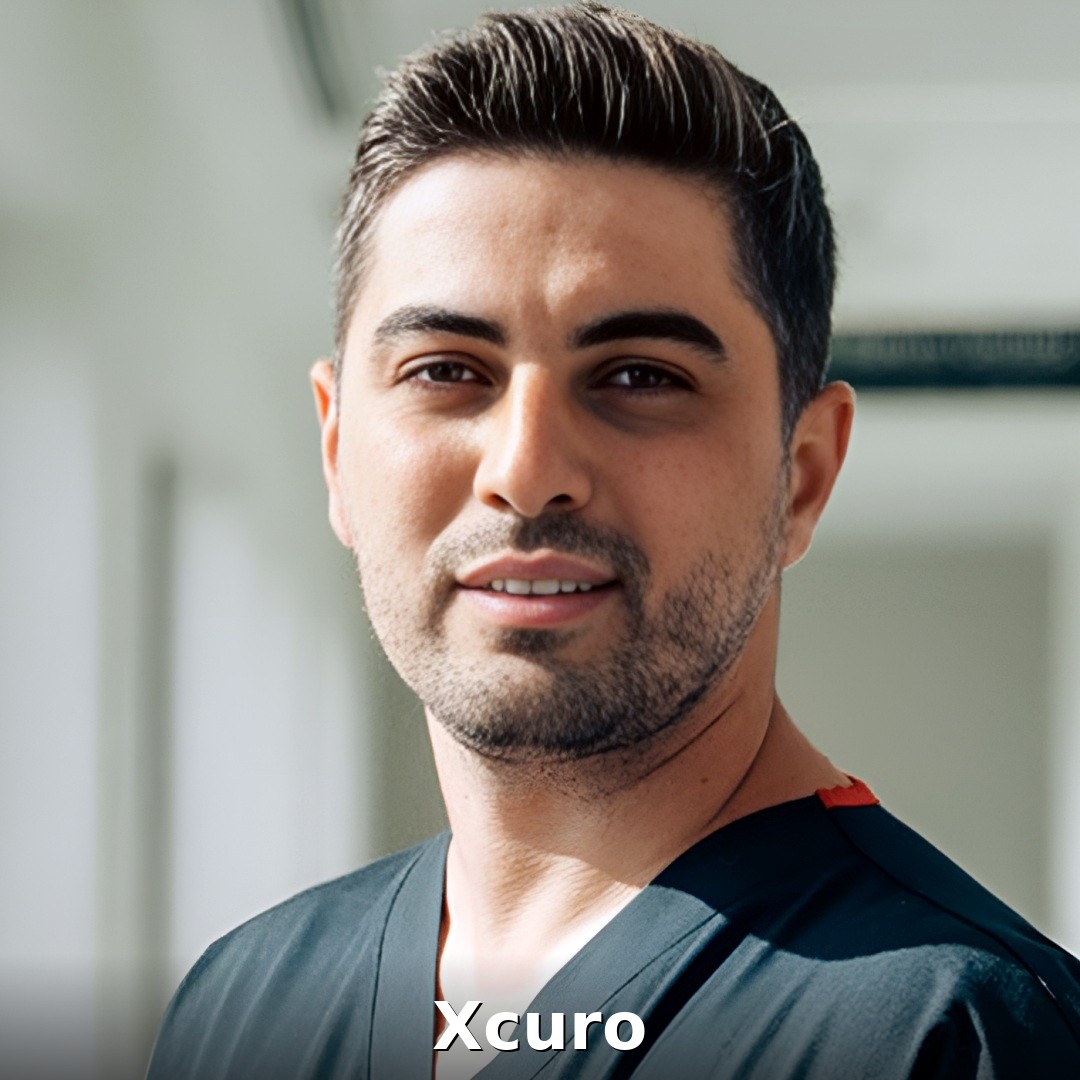
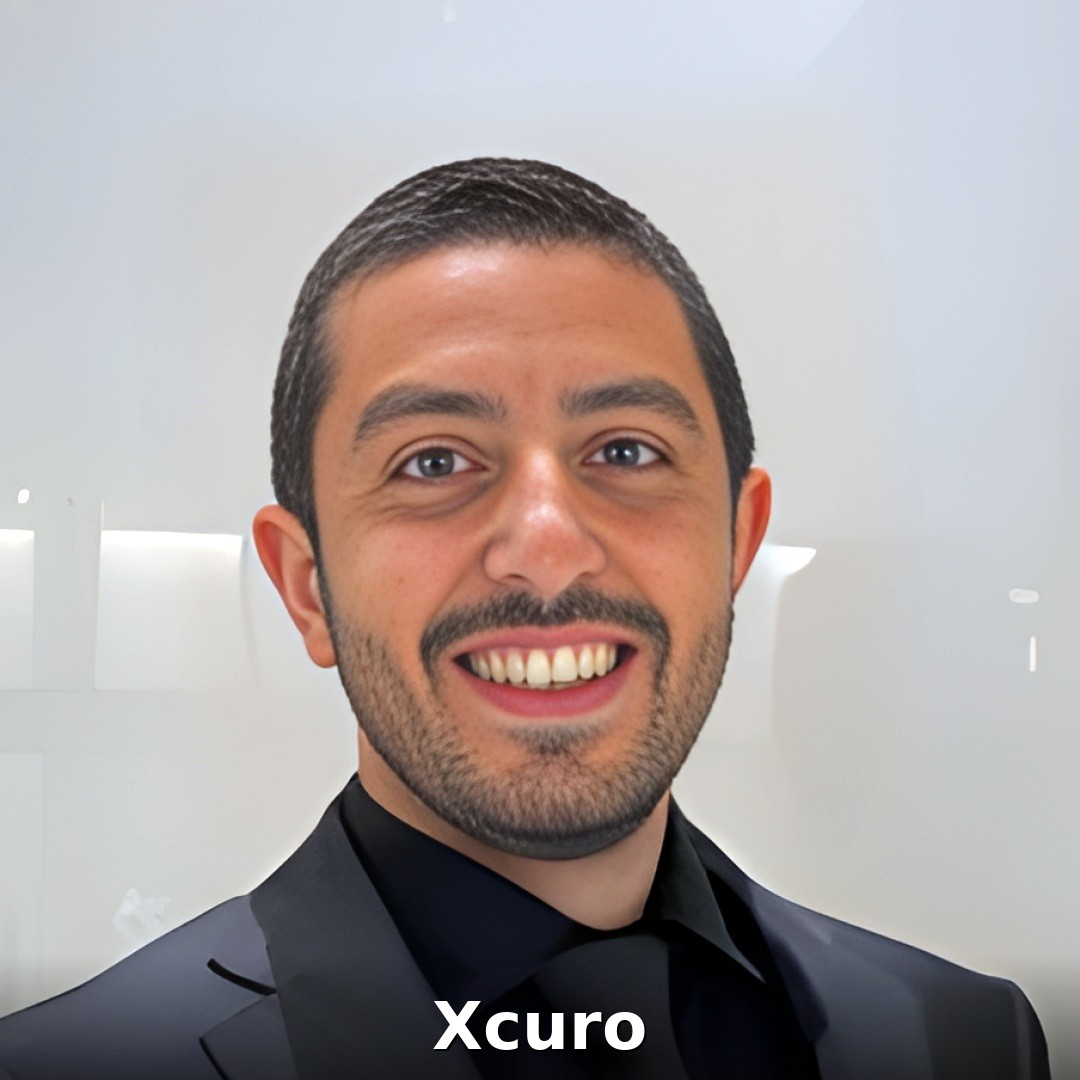
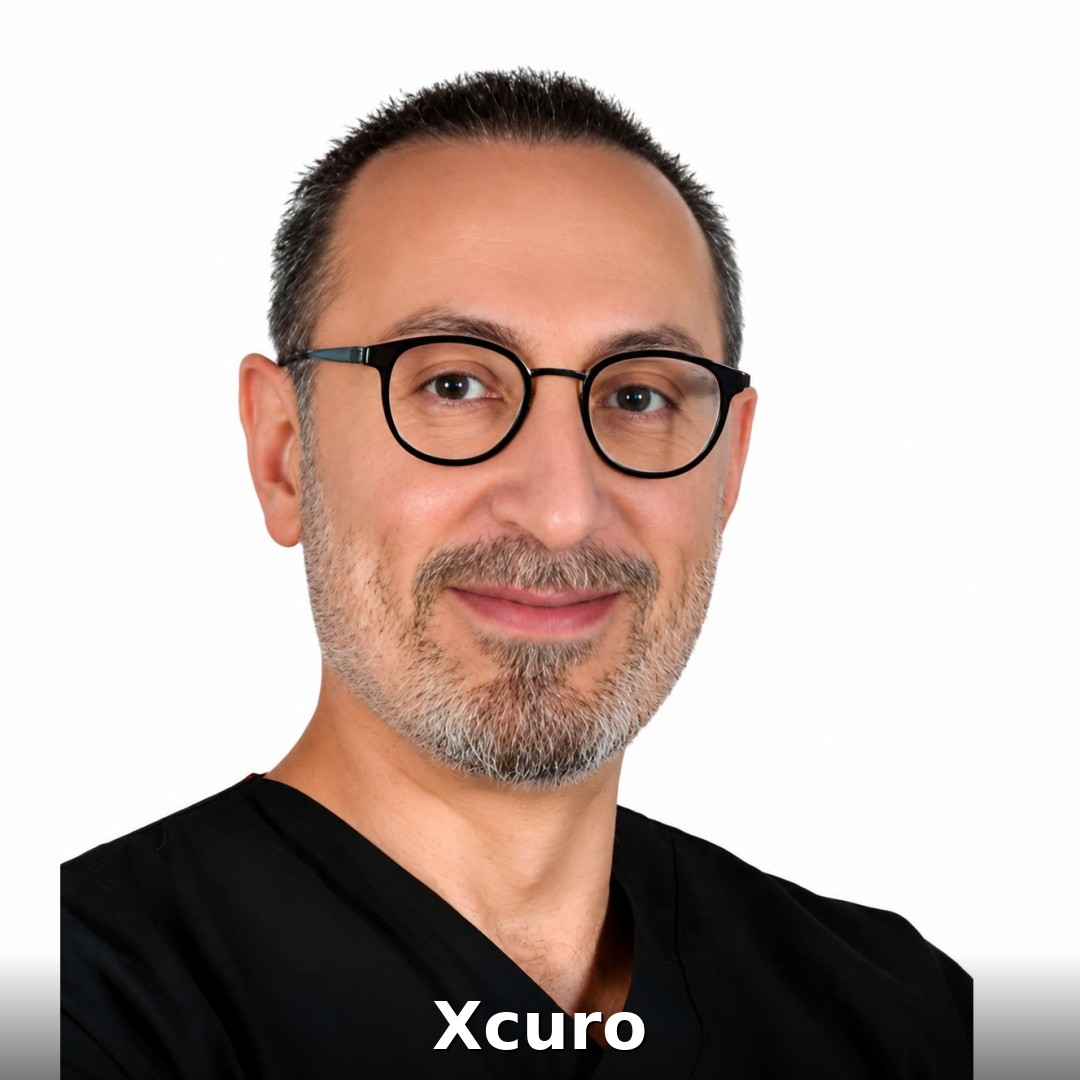
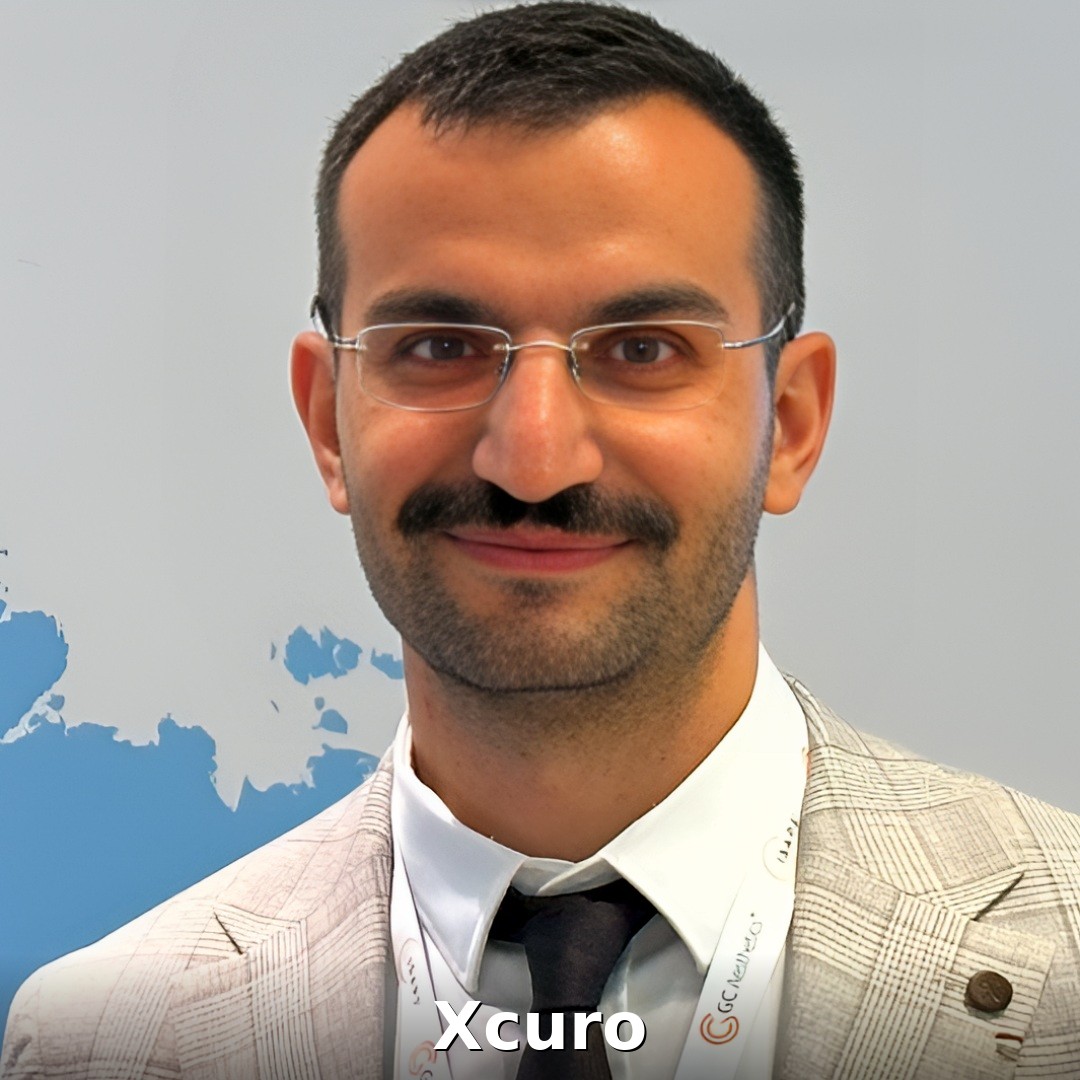



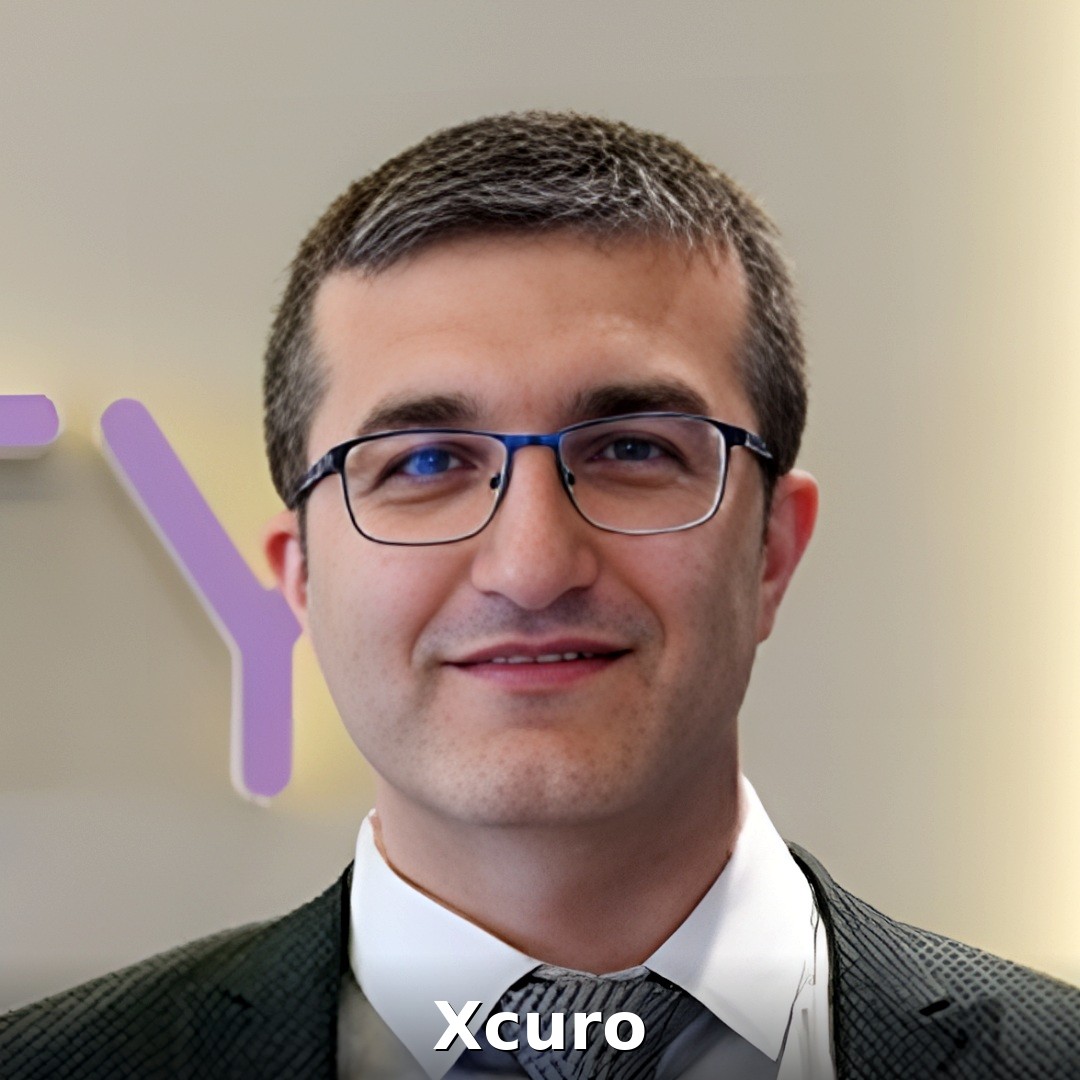
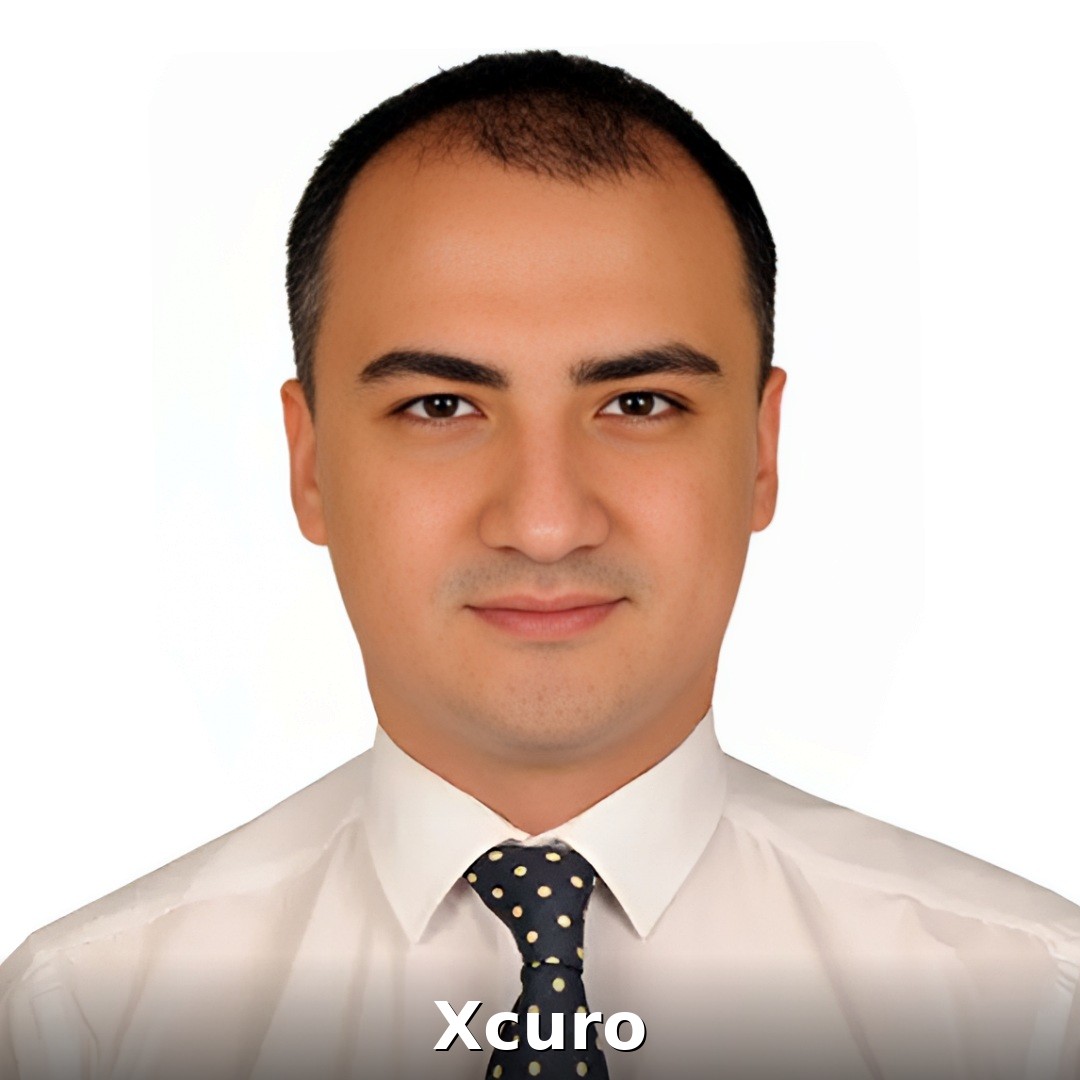
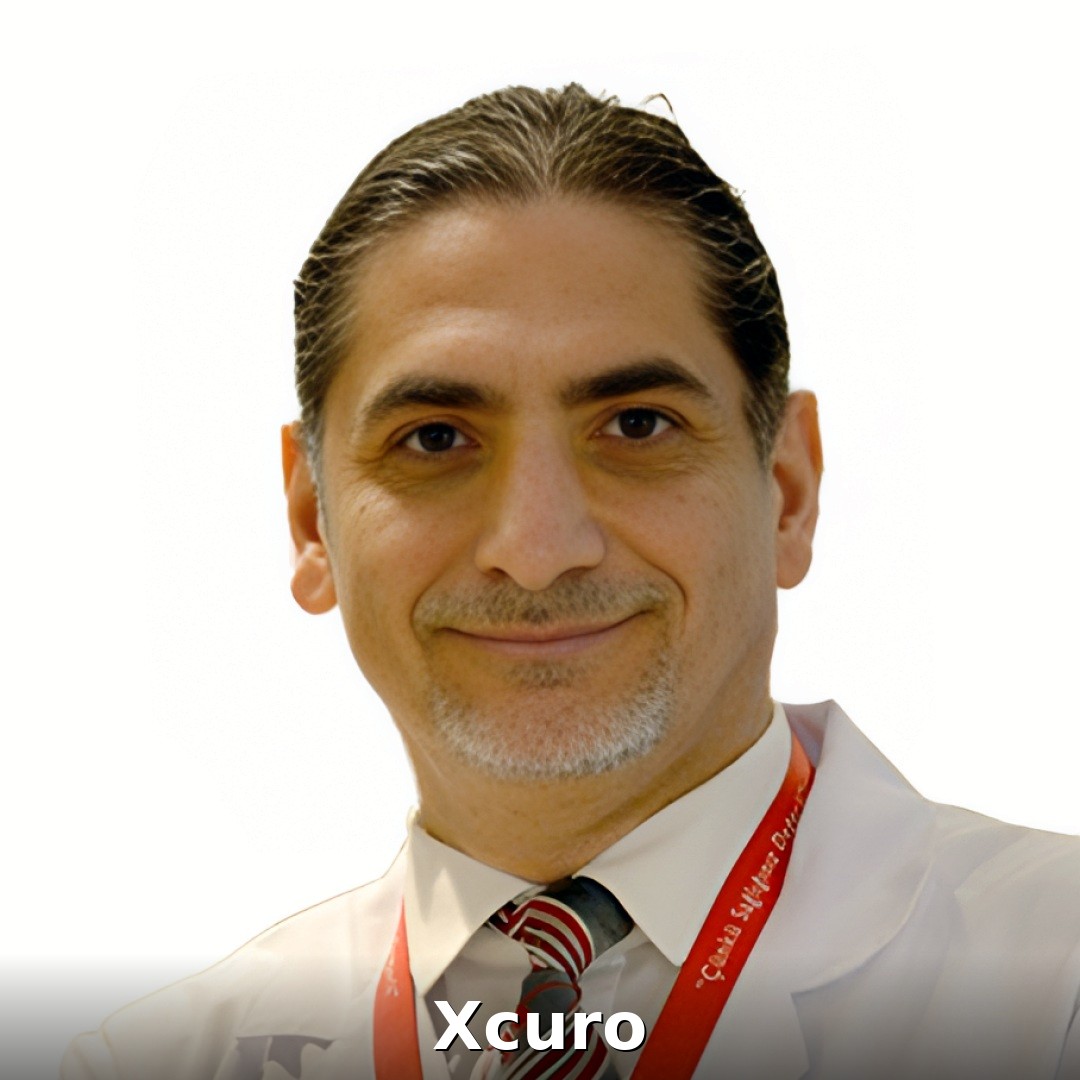
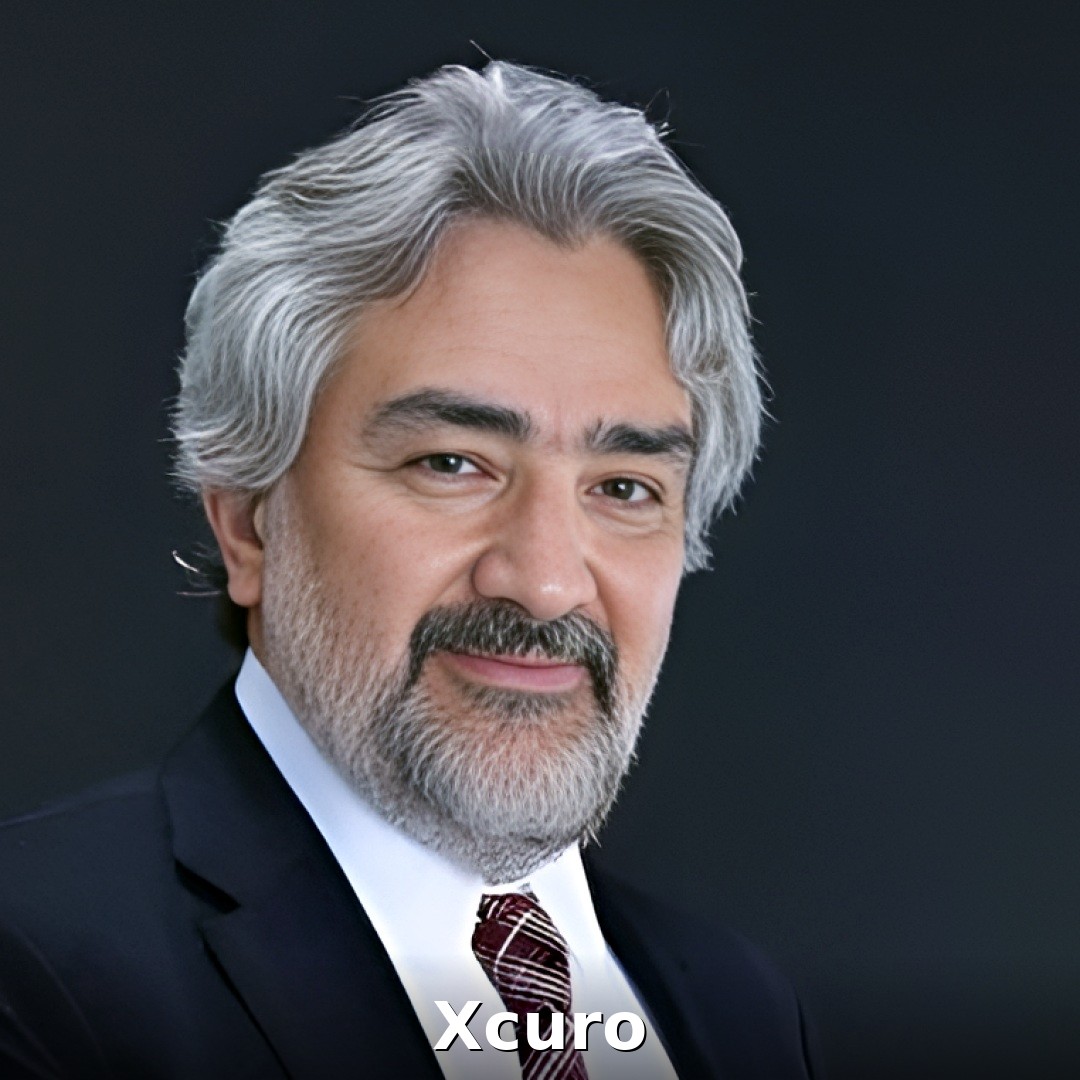

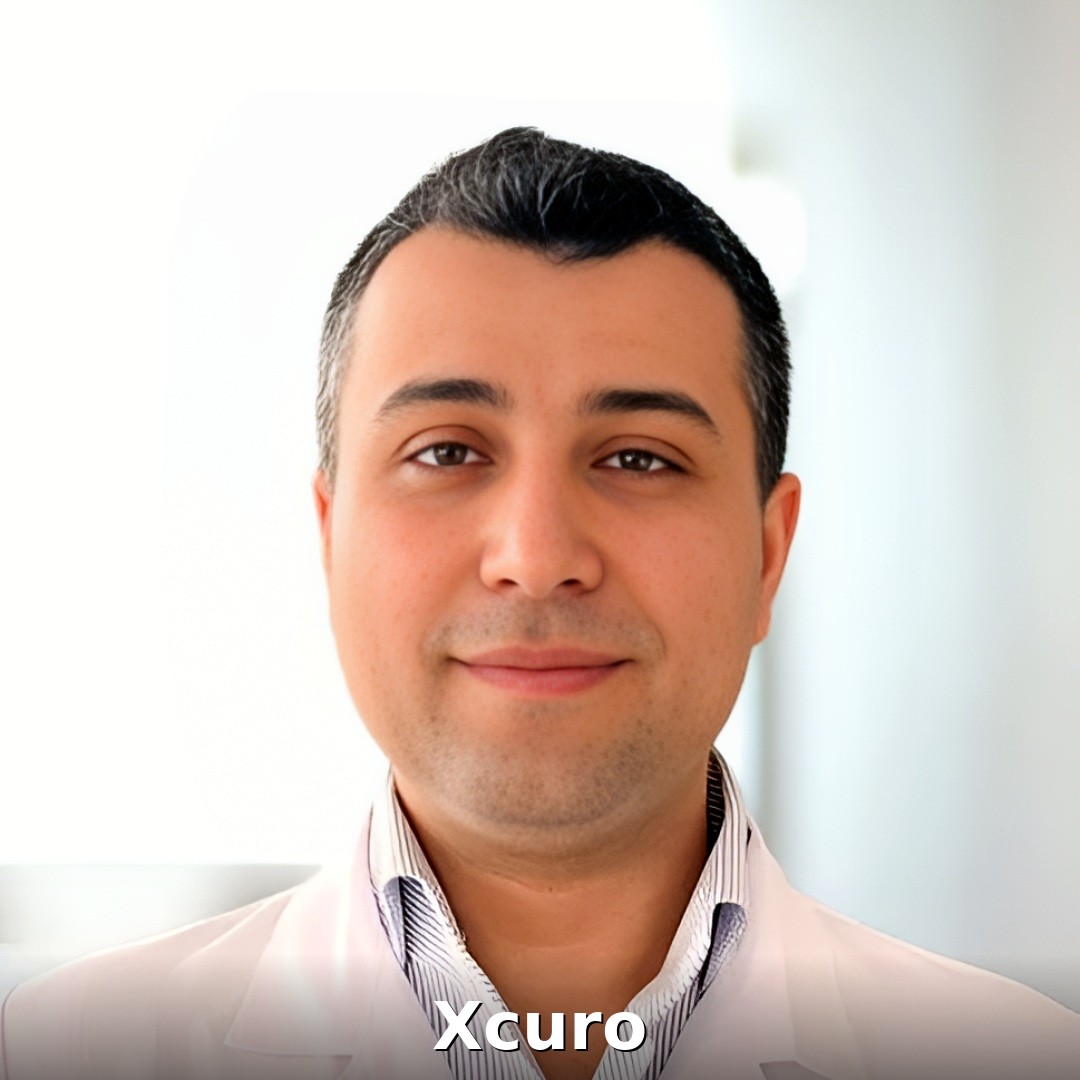
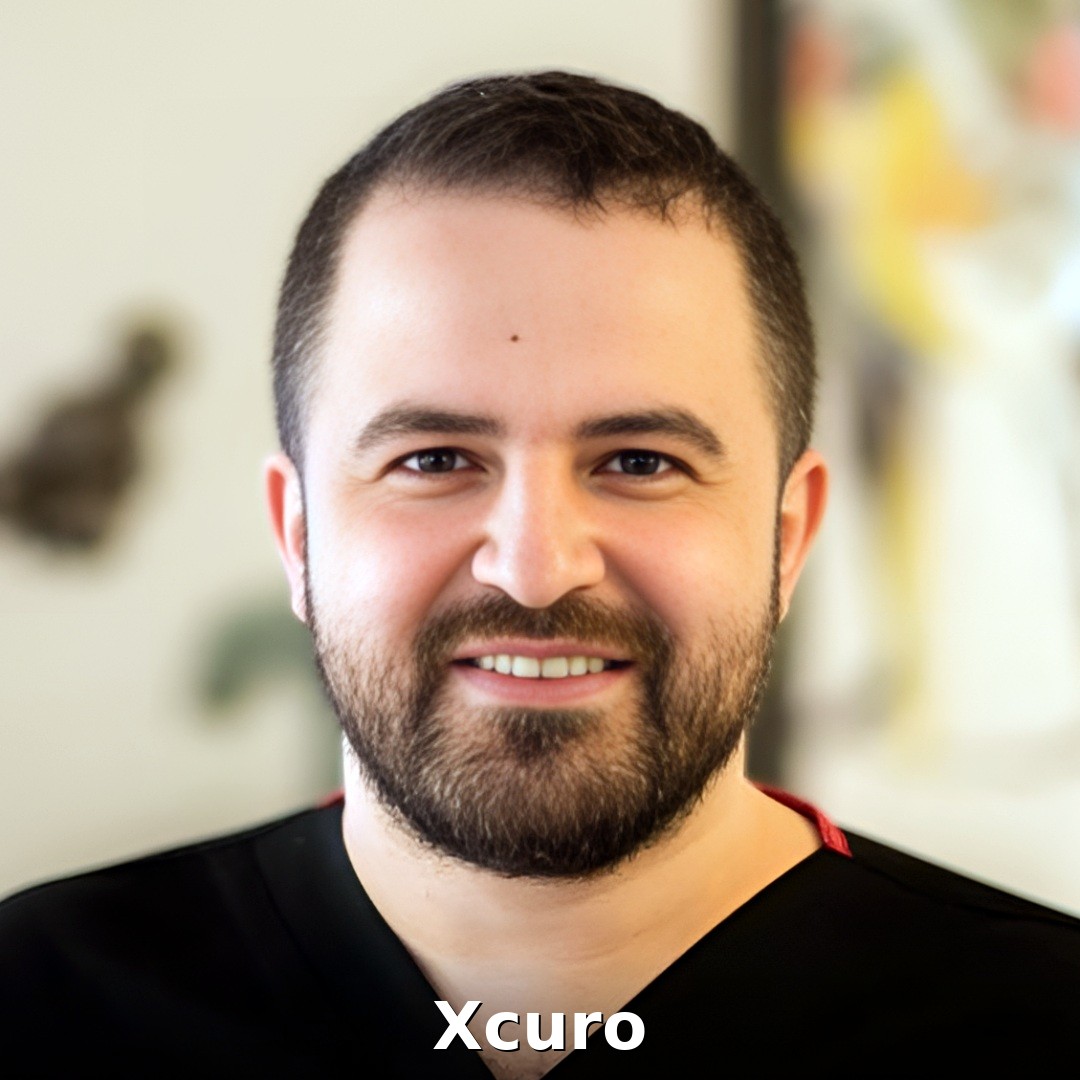

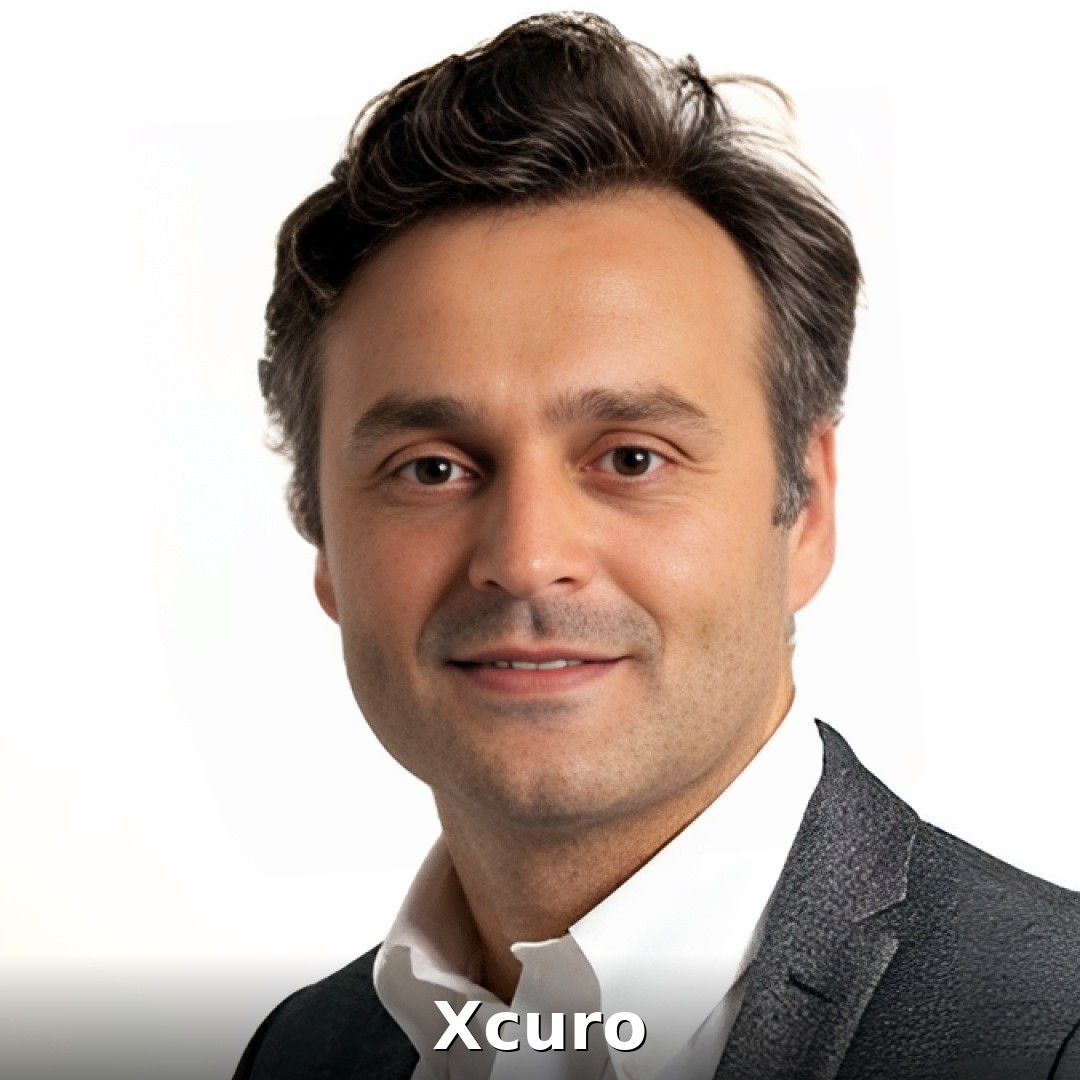

Buttock Augmentation (BBL) before & after: surgeons in Turkey
Results from surgeons we work with. Individual results vary; ask your surgeon for results in patients similar to you.









Frequently asked questions
How much is a BBL in Turkey?
At the three Istanbul clinics we list, about $2,200 to $6,000. In the U.S., typical prices run $6,000 to $16,000 or more (Cherry, 2026).
Is a BBL in Turkey safe?
A BBL carries a specific risk anywhere: fat injected into the muscle can cause a fatal fat embolism (ASPS). Ask whether fat is injected only under the skin and whether ultrasound is used.
Can I fly home after a BBL?
Only when your surgeon clears you. You should avoid sitting directly on your buttocks for about two weeks, which makes a 10–13 hour flight difficult; ask how to sit safely.
When will I see the final BBL result?
After three to six months, once swelling has gone down and part of the fat has been reabsorbed.
Can I get a BBL if I am slim?
Only if you have enough fat to transfer. The surgeon will assess your donor areas; very slim patients may not be candidates.
Do I need a visa for Turkey?
No. U.S. passport holders can visit Turkey without a visa for up to 90 days within any 180-day period.
Getting to Turkey from the U.S.
Visa. U.S. passport holders travel to Turkey without a visa for tourism or short business, for up to 90 days within any 180-day period.Official source.
Flights and time zone. Turkish Airlines flies nonstop to Istanbul from New York, Newark, Boston, Washington, Atlanta, Miami, Chicago, Dallas, Houston, Seattle, San Francisco and Los Angeles. East-coast flights run about 10 hours, west-coast about 13. Istanbul is 7 hours ahead of New York in summer and 8 hours in winter, because Turkey stays on UTC+3 all year.
U.S. State Department advisory. Level 2 – Exercise Increased Caution (reissued June 9, 2026). The advisory says not to travel within 10 km of the borders with Syria or Iraq; Istanbul is far from both.Read the advisory.
Before you travel: what the CDC recommends
The U.S. Centers for Disease Control and Prevention publishes guidance for Americans travelling abroad for medical care. These are its recommendations, not ours.
- Check the qualifications of the clinician who will perform the procedure and the credentials of the facility.
- Bring copies of your medical records, including lab and other test results related to your condition.
- Make sure you can get follow-up care in the United States. Care for complications can be expensive and might not be covered by your health insurance.
- Obtain international travel health insurance that covers medical evacuation back to the United States.
- See your own healthcare provider 4–6 weeks before the trip to discuss risks specific to your health.
Sources
- BBL financing and costs — Cherry, 2026
- Brazilian butt lifts: getting the look for less may cost you — American Society of Plastic Surgeons
- The possible dangerous complications of Brazilian butt lifts — American Society of Plastic Surgeons
- Typical fares New York – Istanbul — Kayak
- Türkiye Travel Advisory — U.S. Department of State
- Medical Tourism — CDC Travelers’ Health
- Publication 502: Medical and Dental Expenses — IRS
More cost guides for U.S. patients
What the research says about buttock augmentation and Brazilian butt lift (BBL)
14 peer-reviewed sourcesGluteal augmentation by fat grafting, commonly called the Brazilian butt lift (BBL), has been the focus of intensive safety research because of the risk of fatal fat embolism when fat is injected too deeply into or beneath the gluteal muscle. Multi-society task forces and large case series, including reports from the high-volume South Florida region, have driven clear recommendations to keep grafting in the subcutaneous plane, avoid intramuscular injection, and increasingly use real-time ultrasound guidance. Systematic reviews and meta-analyses summarize complication rates for fat grafting and implant-based techniques, while practice advisories from groups such as ASERF and BAAPS define current safety standards. Evidence also addresses the added risks of cosmetic-surgery tourism and unaccredited facilities. The references below are provided for education and reflect a procedure where surgeon technique and accreditation strongly influence safety.
- Improvement in Brazilian Butt Lift (BBL) Safety With the Current Recommendations from ASERF
- The British Association of Aesthetic Plastic Surgeons (BAAPS) Gluteal Fat Grafting Safety Recommendations
- Practice Advisory on Gluteal Fat Grafting
- Gluteal Augmentation with Fat Grafting: A Systematic Review and Meta-Analysis of Complications
- Ultrasound-Guided Gluteal Fat Grafting: What is the Evidence? A Systematic Review and Meta-Analysis
Compiled from peer-reviewed medical literature indexed on PubMed. This overview is for general education and is not medical advice. · Last updated 2026-06-15