Is It Safe to Get Breast Implants in Turkey? A 2026 Guide for U.S. Patients
Turkey requires an implant card and tracks every implant, but you have to ask. Here is what the FDA says about implants, how to check a Turkish surgeon, and what to bring home.
Is it safe to get breast implants in Turkey?
It can be, with a qualified plastic surgeon, a registered implant and a plan for check-ups at home. Breast surgery is, after tummy tucks, among the most common procedures UK surgeons see coming back from Turkey with complications (Aesthetic Surgery Journal, 2026). Turkey does have strong device rules on paper: breast implants are the highest-risk class of medical device, the hospital must give you an implant card, and each implant is recorded in the national tracking system against your passport number (TİTCK; TİTCK).
The U.S. State Department rates Türkiye Level 2, “Exercise Increased Caution” (reissued June 2026), and says not to travel within 10 km (6 miles) of the borders with Syria and Iraq; Istanbul, Antalya and Izmir are far from both (advisory).
What U.S. patients get that patients abroad may not
Since October 2021, the FDA requires every breast implant sold in the U.S. to carry a boxed warning, and a patient decision checklist that the surgeon must go through with you and sign before surgery. You also get a patient device card with the implant’s style, size and serial or lot number (FDA). The boxed warning says: “Breast implants are not considered lifetime devices. The longer people have them, the greater the chances are that they will develop complications” (FDA). None of this is required abroad, so ask for it yourself: read the FDA checklist before you go, and do not leave without your device card.
What can go wrong with breast implants
- More surgery is likely over time. In the FDA’s long-term studies, 20 to 40% of augmentation patients had another operation within 8 to 10 years, and up to 1 in 5 had their implants removed within 10 years (FDA, 2011). The most common problems are capsular contracture (hardening around the implant), reoperation and removal (FDA). The NHS also says implants are likely to need replacing at some point (NHS).
- Silent rupture. Most silicone implant ruptures cause no symptoms (FDA). The FDA recommends a first ultrasound or MRI 5 to 6 years after surgery and then every 2 to 3 years (FDA); insurance may not pay for it (FDA).
- Lymphoma (BIA-ALCL). A rare lymphoma linked mainly to textured implants. The FDA has received reports of 1,380 cases and 64 deaths worldwide, 73% with textured implants (FDA). In 2019 Allergan recalled its Biocell textured implants worldwide at the FDA’s request (FDA). Ask whether your implant is smooth or textured.
- Symptoms some women link to implants, such as fatigue, joint pain and “brain fog”, are poorly understood; in some cases removing the implants is reported to relieve them (FDA).
Which implant brands are FDA-approved
FDA-approved breast implants include certain models of Allergan Natrelle, Mentor, Sientra and Ideal (saline) (FDA), and since 2024 Motiva SmoothSilk Round and Round Ergonomix for augmentation (FDA). Approval is for specific models, not whole brands. Many implants used abroad have no U.S. approval; that does not make them unsafe, but you should know exactly what you are getting.
Leave with your records
An NHS breast unit that treated patients with complications after surgery abroad, most often breast augmentation in Turkey, found the clinic’s name recorded for only 8% of them and the surgeon’s name for none (JPRAS, 2024). In a review of patients treated for complications after breast surgery abroad, 39% of those with implants had them removed (Aesthetic Plastic Surgery, 2021). Before you fly home, get the implant card or box stickers (brand, model, size, serial number), whether it is smooth or textured, the operative note in English, and the surgeon’s and hospital’s names.
What Turkish rules require for your implant
- An implant card. Under Türkiye’s Medical Device Regulation, the hospital must give you an implant card with the device’s name, serial and lot number, model and UDI, plus information on its expected lifetime and follow-up, in Turkish and, where needed, English (TİTCK).
- A record in ÜTS. Every implanted device is notified in the national product-tracking system against the patient; foreign patients are recorded by passport number (TİTCK). Ask for the box stickers too.
How to check a plastic surgeon in Turkey
- Health tourism authorization. A clinic or hospital that treats foreign patients, and any agency that arranges your trip, needs Türkiye’s International Health Tourism Authorization Certificate (2025 regulation); HealthTürkiye lists authorized agencies (HealthTürkiye). Ask for the certificate number.
- Complication cover. The 2025 regulation required complication insurance, but Türkiye’s Council of State suspended that requirement on December 25, 2025 (Turkish Medical Association). Ask whether the clinic insures complications anyway, and get the terms in writing.
- The surgeon’s name and specialty in writing. Ask who operates, whether they are a plastic surgery specialist, and who gives the anesthesia.
- Check the clinic’s website. Since November 2025, a clinic serving foreign patients must publish its health-tourism authorization certificate on its website or social media and use the HealthTürkiye logo, and a doctor may call themselves a “specialist” only in an official medical specialty, not on the strength of a certificate (2025 advertising regulation).
- Society membership. The Turkish Society of Plastic, Reconstructive and Aesthetic Surgeons lists its members by name and province (TPRECD). Membership is not a license, but it is a useful cross-check.
Recovery and the flight home
ASPS advises waiting 5 to 7 days before flying after body procedures such as breast augmentation (ASPS). The NHS says to take a week or two off work and avoid heavy lifting for at least a month (NHS).
Before you go and after you come back
Arrange a U.S. doctor for follow-up before you travel and bring your records home: CDC warns that treating complications at home can be expensive and may not be covered by your insurance (CDC), and cosmetic surgery is not covered by U.S. insurance at all. The American Society of Plastic Surgeons warns that there may be no legal recourse after negligence abroad (ASPS).
U.S. State Department advisory for Turkey
Level 2 – Exercise Increased Caution (reissued June 9, 2026). The advisory says not to travel within 10 km (6 miles) of the borders with Syria or Iraq; Istanbul is far from both.Read the advisory.
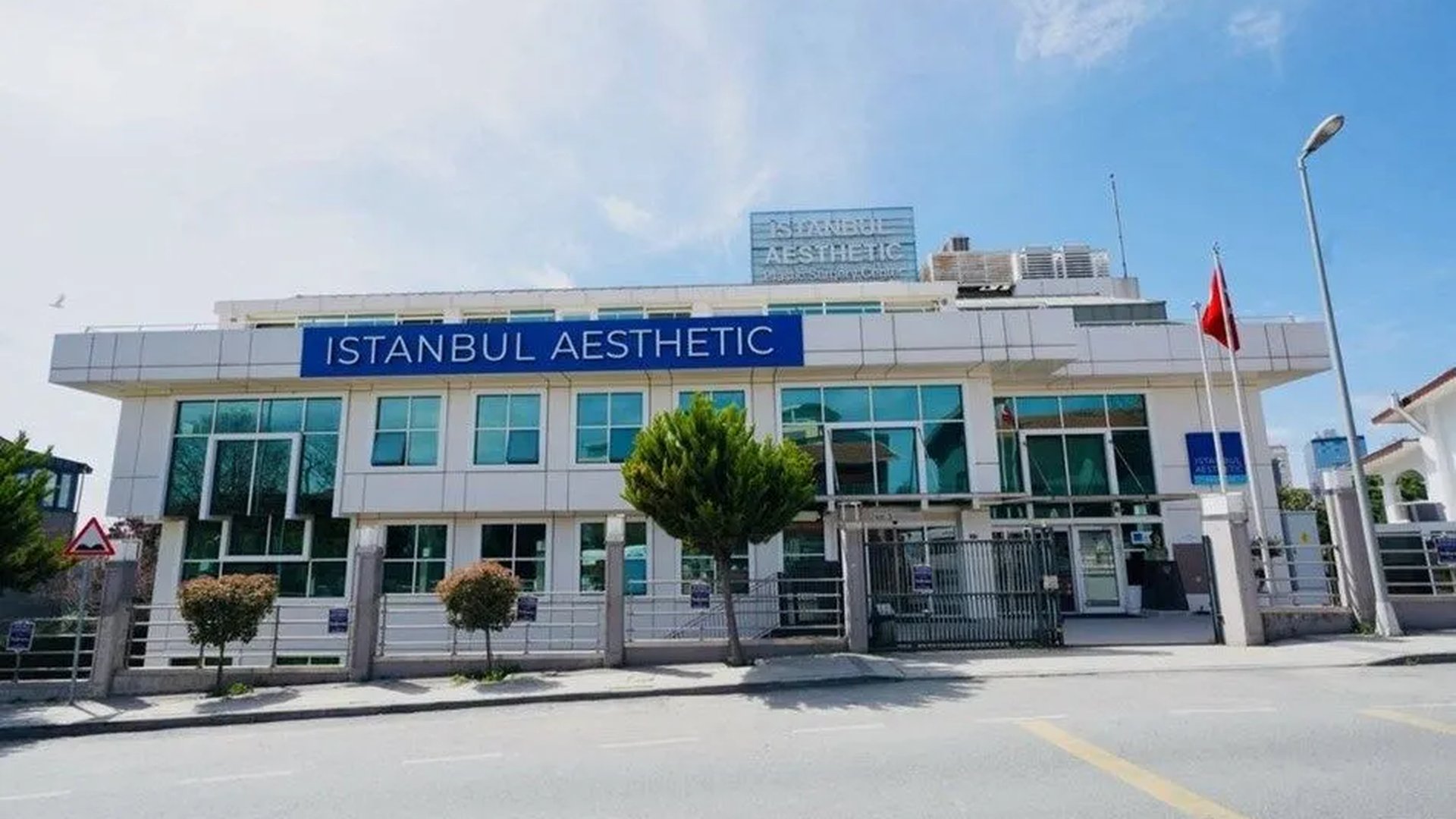
Plastic & Aesthetic Surgery clinics in Turkey listed on xcuro
Clinics that publish breast augmentation prices come first, then by the number of independent reviews. Partner clinics have a contract with xcuro; the others are listed for comparison.





Plastic & Aesthetic Surgery prices in Turkey vs the U.S.
Price ranges published by the clinics above (USD), next to the typical U.S. price for the same procedure.
| Procedure | Clinics in Turkey | Typical U.S. price | |
|---|---|---|---|
| Breast Augmentation 10 clinics | $2,000 - $8,655 | $6,000 - $12,000 | Full guide → |
| Arm Lift (Brachioplasty) 1 clinic | From $6,000 | From $6,192 surgeon's fee only | Full guide → |
| Breast Lift (Mastopexy) 2 clinics | $7,311 - $9,541 | From $6,816 surgeon's fee only | Full guide → |
| Breast Reduction 4 clinics | $3,485 - $7,615 | From $7,800 surgeon's fee only | Full guide → |
| Buttock Augmentation (BBL) 3 clinics | $2,214 - $6,000 | $6,000 - $16,000 | Full guide → |
| Eyelid Surgery (Blepharoplasty) 4 clinics | $1,088 - $4,531 | From $3,359 surgeon's fee only | Full guide → |
| Face Contouring 2 clinics | $1,477 - $3,000 | From $10,000 | |
| Facelift 7 clinics | $2,982 - $10,456 | From $11,395 surgeon's fee only | Full guide → |
| Gynecomastia Surgery (Male Breast Reduction) 4 clinics | $2,150 - $4,050 | From $5,587 surgeon's fee only | Full guide → |
| Liposuction 9 clinics | $1,500 - $8,310 | From $4,711 surgeon's fee only | Full guide → |
| Mommy Makeover 1 clinic | From $16,500 | $10,000 - $30,000 | Full guide → |
| Neck Lift 3 clinics | $6,600 - $12,000 | From $7,885 surgeon's fee only | Full guide → |
| Otoplasty (Ear Surgery) 1 clinic | From $1,250 | From $4,625 surgeon's fee only | Full guide → |
| Rhinoplasty (Nose Job) 11 clinics | $2,393 - $6,273 | $5,000 - $15,000 | Full guide → |
| Tummy Tuck (Abdominoplasty) 6 clinics | $3,027 - $12,547 | $6,000 - $12,000 | Full guide → |
U.S. prices come from the sources named on each procedure page. Travel and hotel are not included.
How xcuro works
- Free for you
You don't pay xcuro anything. If you go ahead with treatment at an xcuro partner clinic, that clinic pays us a referral fee.
- Rankings aren't for sale
Clinics can't pay to be listed, to appear higher or to change their reviews.
- Ratings you can check
Clinic ratings come from Google and Trustpilot, and each one links to its source.
- Prices with sources
Every U.S. price we compare against names its source. Your own quote comes from the clinic in writing.
Frequently asked questions
Is it safe to get breast implants in Turkey?
It can be, with a qualified plastic surgeon, a registered implant and follow-up at home. Turkish law requires an implant card and records every implant against your passport number; ask for both, plus the brand and model.
Will I get an implant card in Turkey?
You should: Türkiye’s Medical Device Regulation requires the hospital to give patients an implant card with the serial and lot number, model and UDI. Do not leave without it.
Are the implants used in Turkey FDA-approved?
Some are: certain models of Allergan Natrelle, Mentor, Sientra, Ideal and Motiva are FDA-approved. Many others used abroad are not. Ask for the exact brand and model before you book.
How long do breast implants last?
The FDA says they are not lifetime devices; in its long-term studies, 20 to 40% of augmentation patients had another operation within 8 to 10 years.
Do Turkish clinics have to insure complications?
Not at the moment: the 2025 complication-insurance requirement was suspended by the Council of State on December 25, 2025. Ask the clinic about cover in writing.
When can I fly home after breast augmentation?
ASPS advises waiting 5 to 7 days before flying after body procedures such as breast augmentation.
Before you travel: what the CDC recommends
- Check the qualifications of the clinician who will perform the procedure and the credentials of the facility.
- Make sure you can get follow-up care in the United States. Care for complications can be expensive and might not be covered by your health insurance.
- Obtain international travel health insurance that covers medical evacuation back to the United States.
- See your own healthcare provider 4–6 weeks before the trip to discuss risks specific to your health.
Sources
- Things to consider before getting breast implants — U.S. Food and Drug Administration
- Breast implants: labeling recommendations to improve patient communication (2020) — U.S. Food and Drug Administration
- Update on the safety of silicone gel-filled breast implants (2011) — U.S. Food and Drug Administration
- Risks and complications of breast implants — U.S. Food and Drug Administration
- Medical device reports of BIA-ALCL — U.S. Food and Drug Administration
- FDA requests Allergan recall textured breast implants (2019) — U.S. Food and Drug Administration
- Breast implants (approved products) — U.S. Food and Drug Administration
- Premarket approval P230005: Motiva SmoothSilk Round implants (2024) — U.S. Food and Drug Administration
- Breast enlargement (implants) — NHS
- Complications of cosmetic surgery abroad seen in an NHS breast unit (2024) — Journal of Plastic, Reconstructive & Aesthetic Surgery
- Complications of aesthetic breast surgery abroad: systematic review (2021) — Aesthetic Plastic Surgery
- Beauty abroad, burden at home: the BAAPS cosmetic tourism complications database (2026) — Aesthetic Surgery Journal
- Medical Device Regulation (Tıbbi Cihaz Yönetmeliği, 2021; Art. 18 implant card, in Turkish) — Turkish Medicines and Medical Devices Agency (TİTCK)
- ÜTS guide to device movement notifications (in Turkish) — Turkish Medicines and Medical Devices Agency (TİTCK)
- Regulation on advertising of health services (November 12, 2025, in Turkish) — Resmî Gazete, Republic of Türkiye
- Find a doctor (member list) — Turkish Society of Plastic, Reconstructive and Aesthetic Surgeons (TPRECD)
- Türkiye Travel Advisory — U.S. Department of State
- Regulation on International Health Tourism and Tourist Health (2025) — Resmî Gazete, Republic of Türkiye
- Authorized health tourism agencies — HealthTürkiye (USHAŞ, Ministry of Health)
- Council of State suspends the complication-insurance requirement (in Turkish) — Turkish Medical Association (TTB), March 24, 2026
- Cosmetic surgery tourism briefing paper — American Society of Plastic Surgeons
- Medical Tourism — CDC Travelers’ Health