Breast Augmentation in Seoul: 2026 Prices and Clinics for U.S. Patients
Seoul clinics often place breast implants through the armpit with an endoscope, leaving no scar on the breast. Plan 10 to 14 days in the city: CDC advises waiting that long before flying after chest surgery.
Flights and extra hotel nights are not included in either price. Final quotes depend on your case.
Breast Augmentation clinics in Seoul: prices and independent ratings
Prices are each clinic's own quoted range in USD, as of October 2026. Ratings come from independent review platforms and link to the source.
| Clinic | Price | Independent ratings | |
|---|---|---|---|
| SAERO Plastic Surgery xcuro partner Seoul | $3,200 - $7,156 | ||
| Lienjang xcuro partner Seoul | $5,000 - $6,500 | ||
| VG Plastic Surgery xcuro partner Seoul | $8,500 - $15,400 | ||
| ID Plastic Surgery xcuro partner Seoul | From $9,000 | ||
| JK Plastic Surgery xcuro partner Seoul · ISO 9001, KAHF | $11,340 - $12,600 |
How clinics get listed: our methodology. Clinics do not pay for position on this page.Compare the clinics side by side.
Your trip, day by day
Typical, from the “Your trip for breast augmentation” section of this guide; plan on 13 to 14 days in Seoul. Your clinic’s schedule may differ — ask for it in writing.
- Day 1Arrive. Consultation and measurements; agree in writing on the implant brand, model, size, placement and incision.
- Day 2Surgery under general anesthesia; home the same day or after one night (NHS).
- Day 3–7Soreness and swelling. Wear the support bra day and night as instructed; no lifting. Dressing checks at the clinic.
- Day 8–12Stitches out if they are not dissolvable; NHS gives 1 to 2 weeks (NHS). Ask for your implant card with the serial numbers.
- Day 13–14Final check and operative notes, then fly home.
Breast Augmentation in Seoul: pros and cons for U.S. patients
- The armpit approach, with no scar on the breast, is the most popular in Korea (Sim, 2014).
- Five clinics on our list within a few subway stops in Gangnam and Seocho.
- You can ask for the surgery to be filmed under Korea's CCTV law.
- State Department Level 1, the lowest advisory level.
- CDC advises 10 to 14 days before flying after chest surgery.
- Implants need lifelong monitoring and later surgery, most of it at home.
- No lifting for a month makes the trip home harder.
- Follow-up happens at home, and complications may not be covered by U.S. insurance (CDC).
How xcuro works
- Free for you
You don't pay xcuro anything. If you go ahead with treatment at an xcuro partner clinic, that clinic pays us a referral fee.
- Rankings aren't for sale
Clinics can't pay to be listed, to appear higher or to change their reviews.
- Ratings you can check
Clinic ratings come from Google and Trustpilot, and each one links to its source.
- Prices with sources
Every U.S. price we compare against names its source. Your own quote comes from the clinic in writing.
Breast augmentation in Seoul: what to expect
A Seoul surgeon writing in a Korean plastic surgery journal calls the armpit (axillary) approach “the most popular approach to breast augmentation among Korean women”: the implant goes in through a small cut in the armpit, guided by an endoscope, so there is no scar on the breast itself (Sim, 2014). The cut can also go next to or below the breast. The operation takes 60 to 90 minutes, and you may go home the same day or stay a night (NHS).
Getting to Seoul from the U.S.
Nonstop flights from Seattle, San Francisco, Los Angeles, Chicago, Dallas, New York and other U.S. hubs land at Incheon (ICN), and the airport limousine bus is the most direct way to Gangnam. Flight times, the train and bus options and visa rules are in our Seoul city guide.
Where the clinics are
All five Seoul clinics on xcuro's list are in Gangnam-gu or next-door Seocho-gu, along the strip from Sinsa and Apgujeong down to Gangnam Station: ID Plastic Surgery is by Sinsa Station, JK on Nonhyeon-ro in the Apgujeong area, SAERO by Sinnonhyeon Station and Lienjang in Gangnam Tower on Gangnam-daero. VG is also in Gangnam-gu, on Nonhyeon-ro. Breast surgery needs several dressing checks, so a hotel within walking distance of your clinic saves taxi rides while your arms and chest are sore.
Your trip for breast augmentation
Plan one trip of 10 to 14 days. ASPS suggests 5 to 7 days before flying after breast augmentation (ASPS), but CDC advises 10 to 14 days after major surgery, “particularly those involving the chest” (CDC). For a 12 to 16 hour flight, the longer window is the safer plan.
| Day | What happens |
|---|---|
| Day 1 | Arrive. Consultation and measurements; agree in writing on the implant brand, model, size, placement and incision. |
| Day 2 | Surgery under general anesthesia; home the same day or after one night (NHS). |
| Day 3–7 | Soreness and swelling. Wear the support bra day and night as instructed; no lifting. Dressing checks at the clinic. |
| Day 8–12 | Stitches out if they are not dissolvable; NHS gives 1 to 2 weeks (NHS). Ask for your implant card with the serial numbers. |
| Day 13–14 | Final check and operative notes, then fly home. |
What can go wrong
The FDA says breast implants are not lifetime devices: you should assume you will need more surgery at some point, and the most common problems are capsular contracture (hardening of scar tissue around the implant), reoperation and implant removal (FDA). Implants need monitoring for as long as you have them, and for silicone implants that may mean MRI or ultrasound scans that insurance may not cover (FDA). Before you choose a model, check whether it is on the FDA's list of approved implants, such as Allergan Natrelle, Mentor or Sientra (FDA), so your U.S. doctor can look up the same device later.
Is Seoul safe for this surgery?
The U.S. State Department rates South Korea Level 1, the lowest level: “Exercise normal precautions in the Republic of Korea.” It adds that “large-scale demonstrations may occur with little notice” (State Department, May 27, 2025). Korea's protections for foreign patients are in Is It Safe to Get Plastic Surgery in South Korea?; the Seoul city guide covers entry rules and getting around.
How to check a clinic and surgeon in Seoul
- The clinic: find it on Medical Korea's list of registered hospitals; a clinic that treats foreign patients must register, employ at least one specialist in each department serving them and carry malpractice insurance (law, art. 6).
- The surgeon: look the name up in the member search of the Korean Society of Plastic and Reconstructive Surgeons.
- Who operates: Korean law requires the consent form to name the principal surgeon and any change to be explained in writing (Medical Service Act, art. 24-2).
- CCTV: since September 25, 2023, clinics operating under general anesthesia or sedation must have operating-room cameras and film the surgery if you ask; footage is kept at least 30 days (Ministry of Health and Welfare).
For breast surgery, also ask who gives the anesthesia and how an implant problem after you get home would be handled and paid for. Use our list of questions to ask a plastic surgeon.
Recovery and the flight home
Avoid heavy lifting for at least a month (NHS), so pack light or ask the clinic's driver to carry your bags to the airport. Keep your implant card and operative notes in your hand luggage, and book a U.S. plastic surgeon for follow-up before you leave. See also our breast augmentation in Korea guide and the U.S. cost of breast augmentation.
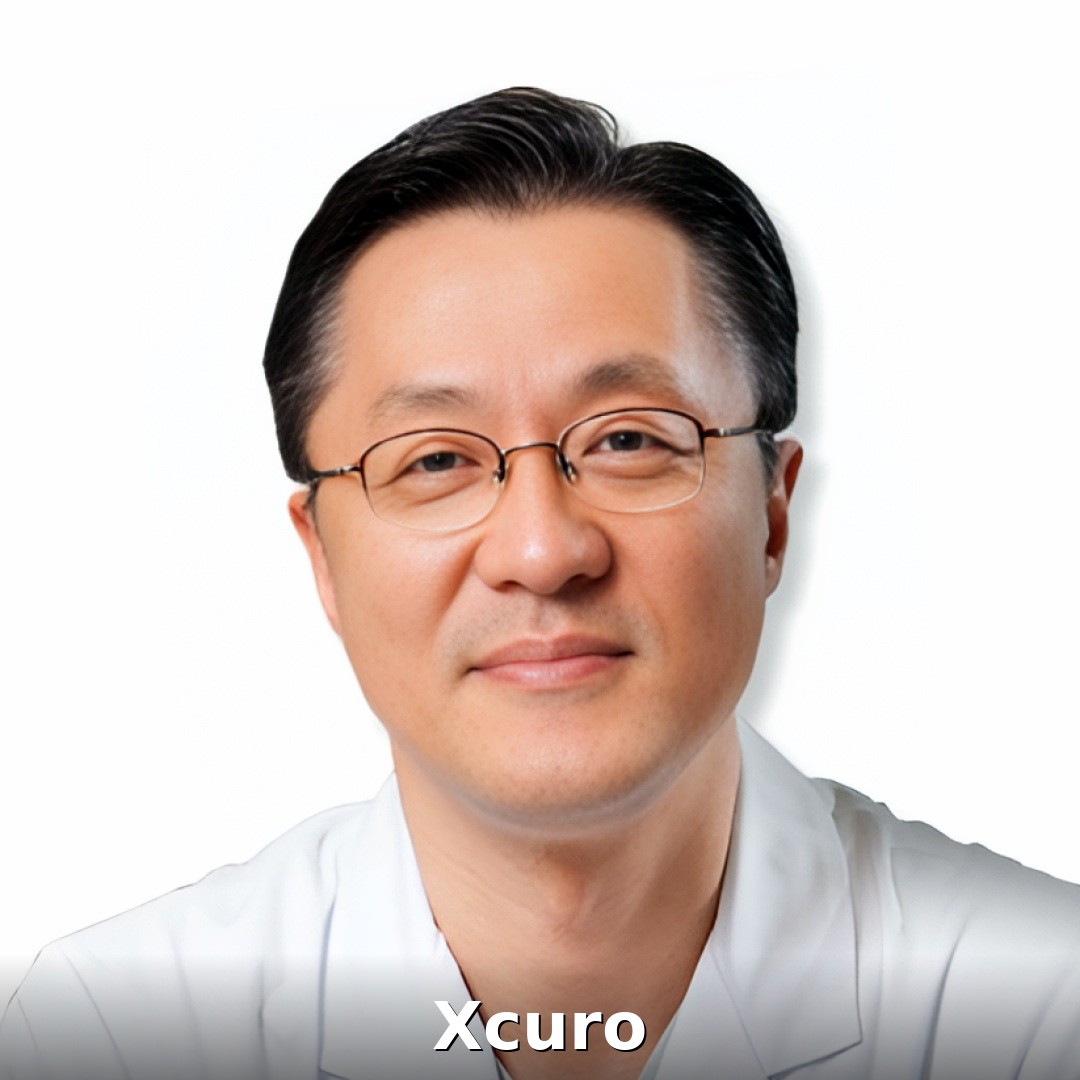
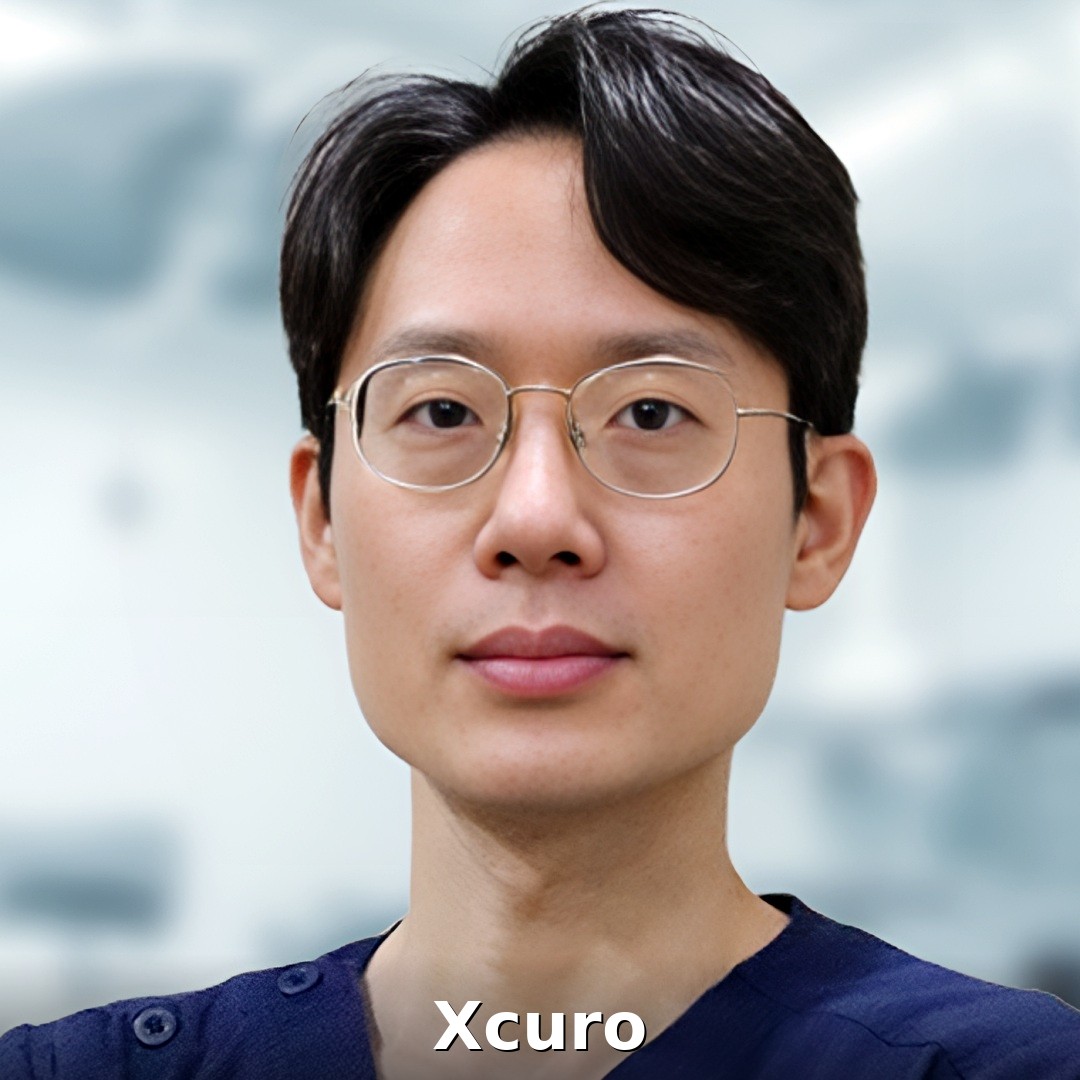
Breast Augmentation doctors in Seoul
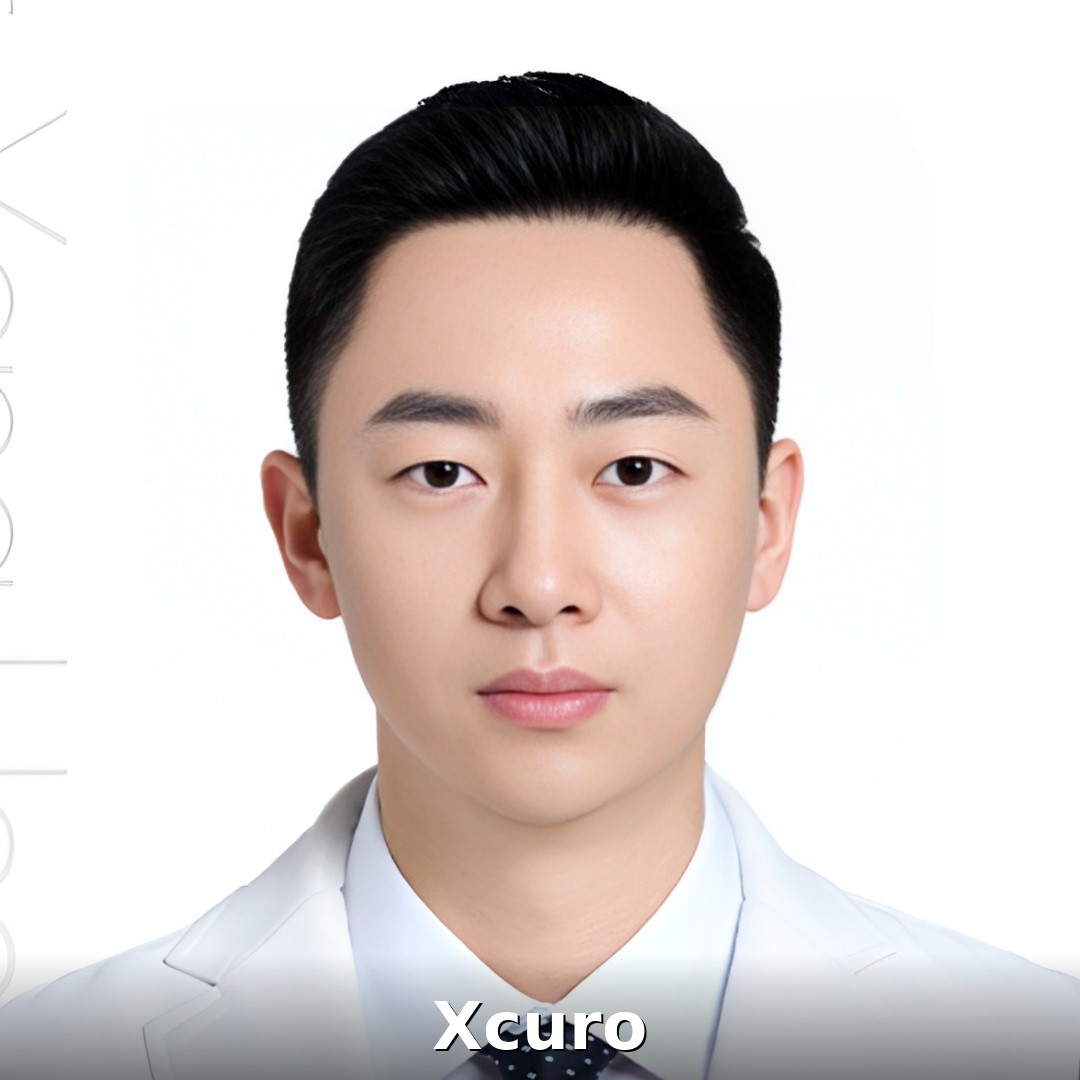
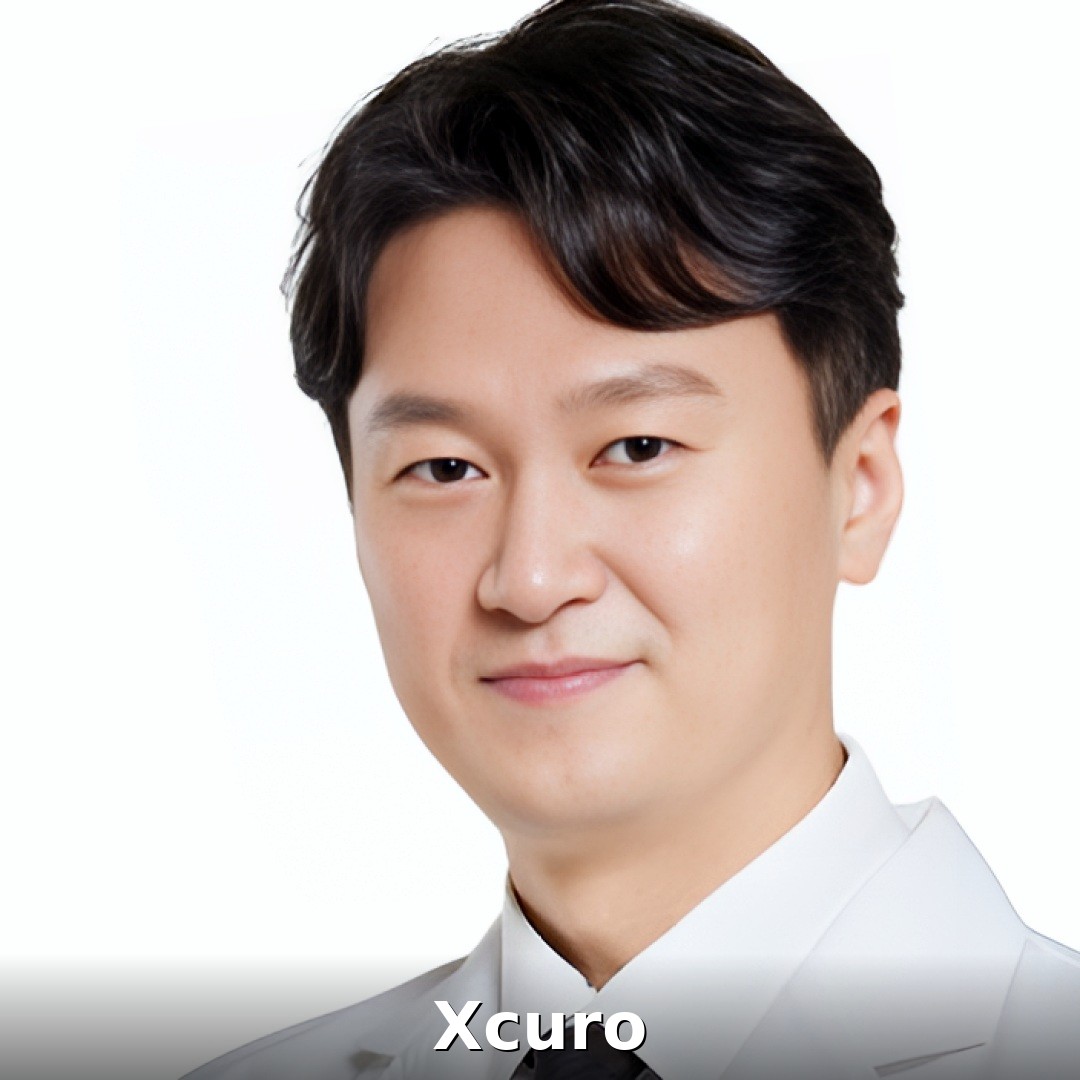
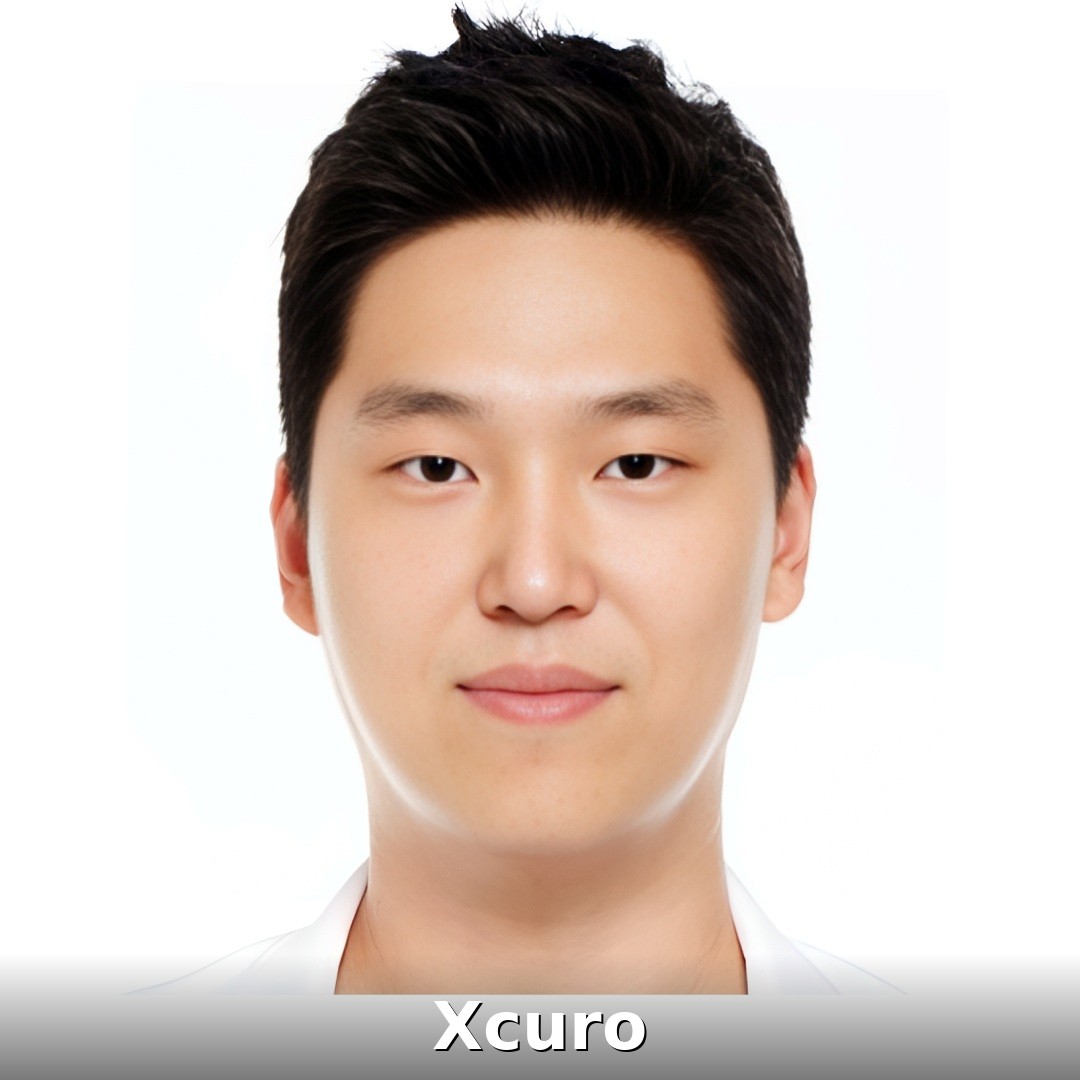
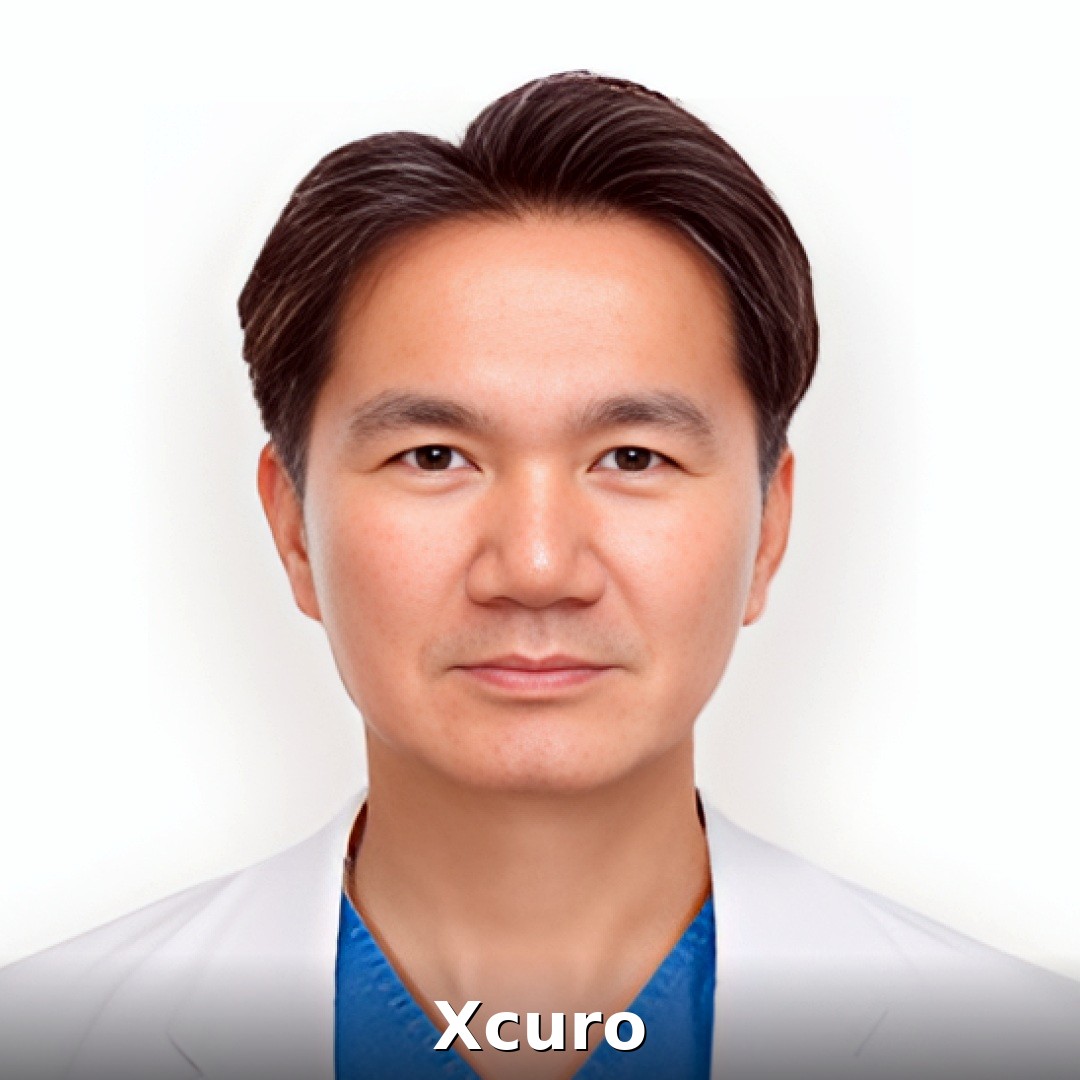
If something goes wrong after breast augmentation in South Korea
Emergency? In the U.S., call 911; in South Korea, call 119 (ambulance); 112 (police). Then tell the clinic in writing.
Get help now if you notice these after cosmetic surgery
- Sudden shortness of breath, chest pain or a racing heart: call 911 (possible blood clot).
- Confusion, clammy skin, fever with shivering or extreme pain: call 911 (possible sepsis).
- Swelling, pain, warmth or redness in one leg: see a doctor the same day.
- Increasing redness, swelling, or yellow or green drainage at an incision, or a fever of 100°F or higher: call your surgeon today.
- Sudden swelling of one breast or a collection of fluid or blood under the skin: call your surgeon today.
Where to complain in South Korea
- Korea Medical Dispute Mediation and Arbitration Agency (K-MEDI): Mediation and arbitration of medical disputes, including for foreign patients living abroad.Download the application form and annexed paper from K-MEDI's English site, sign them, and email them as PDFs. Documents must be in Korean, or in English with a Korean translation. K-MEDI asks for Korean bank details for refunds and does not cover exchange losses for foreign accounts.
- Medical Korea call center (Korea Health Industry Development Institute, KHIDI): Registers foreign patients' complaints about Korean healthcare providers and medical disputes, and gives basic consulting after a medical accident.1577-7129 in Korea, +82-1577-7129 from abroad; 24 hours, in Korean, English, Japanese, Chinese, Russian and Arabic (per KHIDI).
The U.S. embassy keeps a list of local doctors and hospitals.
What to do if something goes wrong: the full guide for U.S. patients →
Frequently asked questions
How long after breast augmentation can I fly home from Seoul?
ASPS suggests 5 to 7 days (<a href="https://www.plasticsurgery.org/news/briefing-papers/briefing-paper-cosmetic-surgery-tourism" target="_blank" rel="nofollow noopener">ASPS</a>), but CDC advises 10 to 14 days after major surgery, particularly on the chest (<a href="https://wwwnc.cdc.gov/travel/page/medical-tourism" target="_blank" rel="nofollow noopener">CDC</a>). For a 12 to 16 hour flight, plan on the longer window.
What implants do Korean clinics use?
Ask for the brand and model in writing. FDA-approved implants include Allergan Natrelle, Mentor and Sientra (<a href="https://www.fda.gov/medical-devices/implants-and-prosthetics/breast-implants" target="_blank" rel="nofollow noopener">FDA</a>), and you should get an implant card with the serial numbers.
Will I need another surgery later?
Probably at some point. The FDA says breast implants are not lifetime devices and you should assume you will need more operations (<a href="https://www.fda.gov/medical-devices/breast-implants/things-consider-getting-breast-implants" target="_blank" rel="nofollow noopener">FDA</a>).
Is breast augmentation in Seoul safe?
The State Department rates South Korea Level 1 (<a href="https://travel.state.gov/content/travel/en/traveladvisories/traveladvisories/south-korea-travel-advisory.html" target="_blank" rel="nofollow noopener">State Department</a>). Check the clinic on Medical Korea's <a href="https://www.medicalkorea.or.kr/en/registeredhospitals" target="_blank" rel="nofollow noopener">list of registered hospitals</a> and the surgeon in the KSPRS <a href="https://www.plasticsurgery.or.kr/eng/search/" target="_blank" rel="nofollow noopener">member search</a>, and ask for the surgery to be filmed.
When can I go back to normal activities?
Most normal activities after about 6 weeks; avoid heavy lifting and strenuous exercise for at least a month (<a href="https://www.nhs.uk/tests-and-treatments/cosmetic-procedures/cosmetic-surgery/breast-enlargement/" target="_blank" rel="nofollow noopener">NHS</a>).
Is a boob job the same as breast augmentation?
Yes. “Boob job” is the everyday name for breast augmentation: enlarging the breasts with silicone or saline implants, or less often with your own fat. A breast lift (mastopexy) and a breast reduction are separate operations, so make sure your written quote names the exact procedure and the implant brand.
Getting to South Korea from the U.S.
Visa. U.S. passport holders do not need a K-ETA through 31 December 2026; an electronic Arrival Card is required instead. From 1 January 2027 the K-ETA requirement returns, so check the official portal before you book.Official source.
Flights and time zone. Nonstop service to Seoul from Los Angeles, San Francisco, Seattle, Dallas, Chicago, Atlanta, New York and Washington. West-coast flights run about 13 hours, east-coast about 14 to 15.
U.S. State Department advisory. Level 1 – Exercise Normal Precautions. The advisory notes that large demonstrations can occur with little notice.Read the advisory.
Before you travel: what the CDC recommends
The U.S. Centers for Disease Control and Prevention publishes guidance for Americans traveling abroad for medical care. These are its recommendations, not ours.
- Check the qualifications of the clinician who will perform the procedure and the credentials of the facility.
- Bring copies of your medical records, including lab and other test results related to your condition.
- Make sure you can get follow-up care in the United States. Care for complications can be expensive and might not be covered by your health insurance.
- Obtain international travel health insurance that covers medical evacuation back to the United States.
- See your own healthcare provider 4–6 weeks before the trip to discuss risks specific to your health.
Sources
- Transaxillary endoscopic breast augmentation (2014) — Archives of Plastic Surgery (PMC)
- Breast enlargement (implants) — NHS
- Cosmetic surgery tourism briefing paper — American Society of Plastic Surgeons
- Medical tourism — CDC Travelers' Health
- Things to consider before getting breast implants — U.S. Food and Drug Administration
- Breast implants (approved products) — U.S. Food and Drug Administration
- South Korea Travel Advisory (Level 1, May 27, 2025) — U.S. Department of State
- Registered hospitals — Medical Korea (KHIDI)
- Act on Overseas Expansion of Medical Services and Attraction of International Patients (art. 6) — Korea Legislation Research Institute
- Search member — Korean Society of Plastic and Reconstructive Surgeons
- Medical Service Act (arts. 24-2, 38-2) — Korea Legislation Research Institute
- Operating-room CCTV rules take effect September 25, 2023 (in Korean) — Ministry of Health and Welfare, Korea
Read before you decide
Breast Augmentation in other cities, and more in Seoul
More cost guides for U.S. patients
Clinical Evidence on Breast Augmentation and Implant Safety
13 peer-reviewed sourcesBreast augmentation is one of the most commonly performed aesthetic operations, and a substantial body of research examines its outcomes, complication profiles, and long-term implant safety. The references below include a Cochrane systematic review and several meta-analyses comparing implant surface types, pocket planes, and surgical approaches, as well as evidence on capsular contracture, patient satisfaction, and the management of symptomatic patients seeking explantation. Collectively they show high satisfaction rates alongside well-characterized risks such as capsular contracture, reoperation, and rare implant-associated conditions that warrant informed decision-making. Because results depend on implant choice, surgical technique, anatomy, and individual healing, these sources are provided for education and should support, not replace, a personalized consultation with a board-certified plastic surgeon.
- Breast implant insertion funnels for preventing capsular contracture.
- A Head-to-Head Meta-Analysis of 35,052 Smooth vs Textured Implants in Breast Reconstruction and Augmentation.
- Implant Pocket Plane Selection in Primary Breast Augmentation: A Meta-Analysis and Systematic Review of Complication Profiles.
- A Systematic Review and Meta-Analysis of 11,686 Breasts Undergoing Transaxillary Augmentation.
- Breast implant explantation and capsulectomy in symptomatic patients. Is there any improvement with the procedure? Systematic review and meta-analysis.
Compiled from peer-reviewed medical literature indexed on PubMed. This overview is for general education and is not medical advice. · Last updated 2026-06-15