Tummy Tuck in Seoul: 2026 Prices and Clinics for U.S. Patients
A tummy tuck in Seoul is one trip of about two weeks: a few nights at the clinic, drains and checks, then a 13- to 16-hour flight home once the CDC's 10- to 14-day window has passed. Both clinics on our list are in Gangnam's Sinsa–Apgujeong area.
Flights and extra hotel nights are not included in either price. Final quotes depend on your case.
Tummy Tuck (Abdominoplasty) clinics in Seoul: prices and independent ratings
Prices are each clinic's own quoted range in USD, as of October 2026. Ratings come from independent review platforms and link to the source.
| Clinic | Price | Independent ratings | |
|---|---|---|---|
| ID Plastic Surgery xcuro partner Seoul | From $3,600 | ||
| JK Plastic Surgery xcuro partner Seoul · ISO 9001, KAHF | From $12,600 |
How clinics get listed: our methodology. Clinics do not pay for position on this page.Compare the clinics side by side.
Your trip, day by day
Typical, from the “Your trip, day by day” section of this guide; plan on 11 to 14 days in Seoul. Your clinic’s schedule may differ — ask for it in writing.
- Day 1Arrive. Consultation and pre-op tests. Full or mini tummy tuck, muscle repair, any liposuction, and where the scar will sit.
- Day 2Surgery under general anesthetic, 2 to 5 hours.
- Day 3–5Nights at the clinic. Compression garment on; drains in. Keep your knees bent in bed to protect the stitches.
- Day 6–10Hotel near the clinic. Drain removal and wound checks. Hard to stand fully straight at first.
- Day 11–14Final check, then fly home in the garment.
Tummy Tuck (Abdominoplasty) in Seoul: pros and cons for U.S. patients
- Level 1 travel advisory, the State Department's lowest.
- Both clinics are near Sinsa and Apgujeong, easy to compare in one day.
- Korean law requires the consent form to name your surgeon and lets you ask for the operation to be filmed.
- A long-haul flight after major abdominal surgery raises the risk of blood clots.
- About two weeks away from home, plus 4 to 6 weeks off work and exercise.
- A seroma or wound problem after you return needs a U.S. doctor, and insurance may not pay.
- Not always cheaper than a U.S. surgeon once travel is added.
How xcuro works
- Free for you
You don't pay xcuro anything. If you go ahead with treatment at an xcuro partner clinic, that clinic pays us a referral fee.
- Rankings aren't for sale
Clinics can't pay to be listed, to appear higher or to change their reviews.
- Ratings you can check
Clinic ratings come from Google and Trustpilot, and each one links to its source.
- Prices with sources
Every U.S. price we compare against names its source. Your own quote comes from the clinic in writing.
Tummy tuck in Seoul: what to expect
A tummy tuck removes loose skin and fat from the abdomen. In a full abdominoplasty the surgeon cuts from hip to hip above the pubic area, frees the belly button, realigns the stomach muscles and stitches the belly button back in a new opening; a partial one treats only the area below the belly button. Both are usually done under general anesthetic, take 2 to 5 hours, and most people stay in the hospital for a few nights (NHS). It is not a weight-loss operation: the NHS says it is not for someone who is overweight. If you want liposuction or another operation in the same trip, ask the surgeon whether combining them is safe for you.
Getting to Seoul and where the clinics are
Nonstop flights reach Incheon (ICN) in about 13 hours 26 minutes from Los Angeles, 12 hours 58 minutes from San Francisco and 15 hours 45 minutes from New York (Kayak; Kayak; Kayak). Airport buses, areas to stay and other travel basics are in our Seoul city guide.
Both Seoul clinics on our list for a tummy tuck are in the Sinsa–Apgujeong part of Gangnam-gu: ID Plastic Surgery on Dosan-daero near Sinsa Station, and JK Plastic Surgery on Nonhyeon-ro in the Apgujeong area. They are close enough to compare in person on the same day.
Your trip, day by day
Plan one trip of about 14 days.
| Day | What happens |
|---|---|
| Day 1 | Arrive. Consultation and pre-op tests. Full or mini tummy tuck, muscle repair, any liposuction, and where the scar will sit. |
| Day 2 | Surgery under general anesthetic, 2 to 5 hours. |
| Day 3–5 | Nights at the clinic. Compression garment on; drains in. Keep your knees bent in bed to protect the stitches. |
| Day 6–10 | Hotel near the clinic. Drain removal and wound checks. Hard to stand fully straight at first. |
| Day 11–14 | Final check, then fly home in the garment. |
The NHS says you wear a corset or tummy-control pants for about 6 weeks, take 4 to 6 weeks off work and exercise, and recover fully in about 6 weeks (NHS). ASPS's general advice is 5 to 7 days before flying after body procedures (ASPS), but the CDC advises 10 to 14 days after major surgery because flying raises the risk of blood clots. A tummy tuck is major surgery, so plan on the longer window.
What can go wrong
ASPS lists blood clots with heart and lung complications, seroma (a pocket of fluid under the skin), fat necrosis, numbness, recurrent loose skin, unfavorable scarring and the possibility of a revision (ASPS). The NHS adds “dog ears” of extra skin at the ends of the scar and numbness in the tummy for months to years (NHS). A seroma or wound problem can appear after you are home, so arrange who will see you before you go.
Is Seoul safe for a tummy tuck?
The U.S. State Department rates South Korea Level 1, the lowest level: “Exercise normal precautions in the Republic of Korea.” It notes that large demonstrations may occur with little notice (State Department, May 27, 2025). Korea's legal protections for foreign patients are in Is It Safe to Get Plastic Surgery in South Korea?
How to check a clinic and surgeon in Seoul
- The clinic: find it on Medical Korea's list of registered hospitals; registered clinics must have a specialist in each department serving foreign patients and carry malpractice insurance or join the liability mutual-aid scheme (law, art. 6).
- The surgeon: look the name up in the Korean Society of Plastic and Reconstructive Surgeons' member search.
- Who operates: the consent form must name the principal surgeon (Medical Service Act, art. 24-2).
- CCTV: since September 25, 2023 you can ask for your operation under general anesthesia to be filmed (Ministry of Health and Welfare).
- Clot prevention: ask what the clinic does to prevent blood clots after surgery and before your long flight, in writing.
Use our questions to ask a plastic surgeon.
Recovery and the flight home
Book a hotel with an elevator, within a short taxi ride of the clinic, and a bed you can get out of without twisting. ASPS suggests asking how long you will wear the pressure garment and when stitches come out (ASPS); bring a second garment for the flight. The NHS says someone should stay with you for the first 24 hours after you leave hospital (NHS), so travel with a companion if you can. Arrange a U.S. doctor for follow-up before you go (CDC).
Prices: Tummy Tuck in Korea and tummy tuck cost in the U.S..
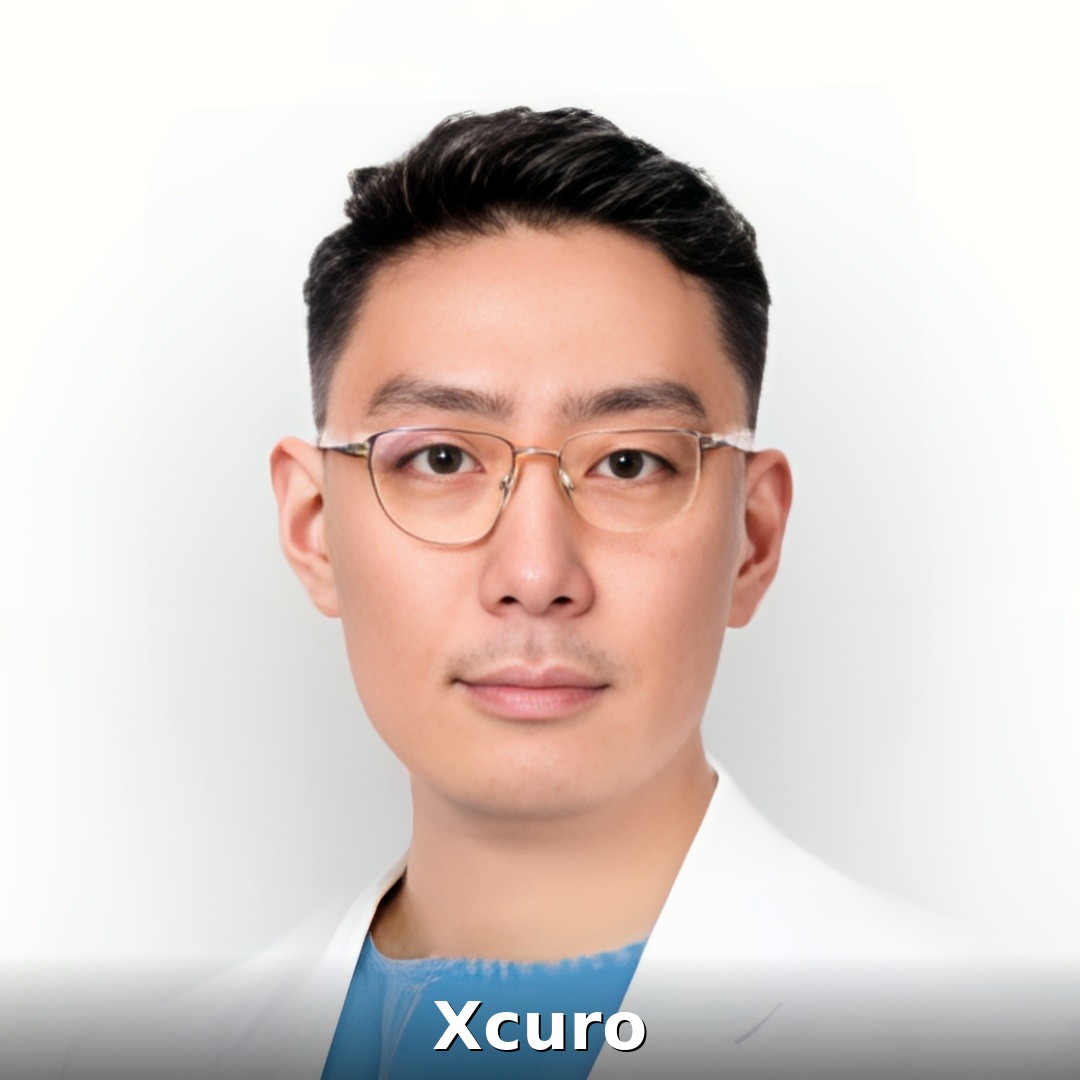
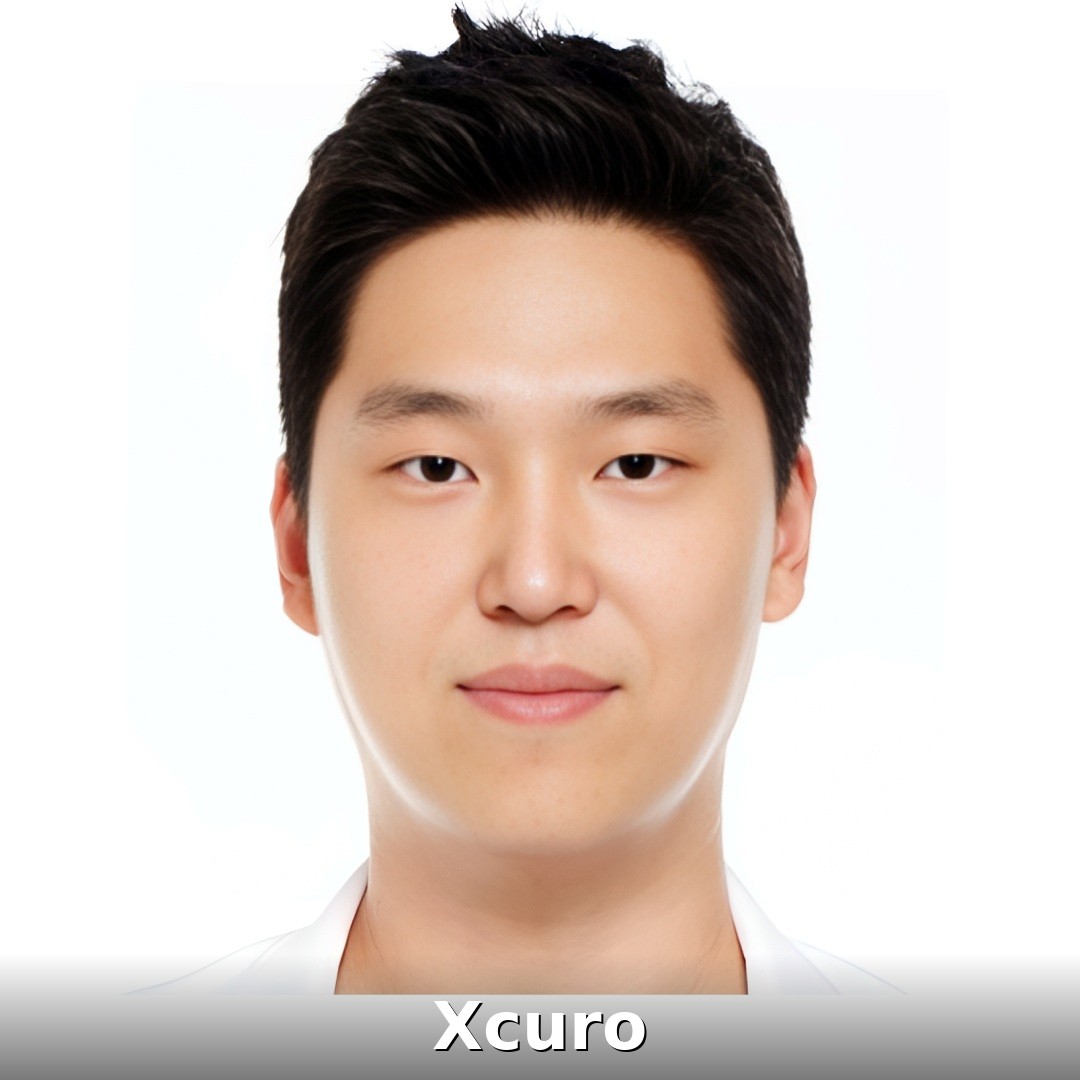
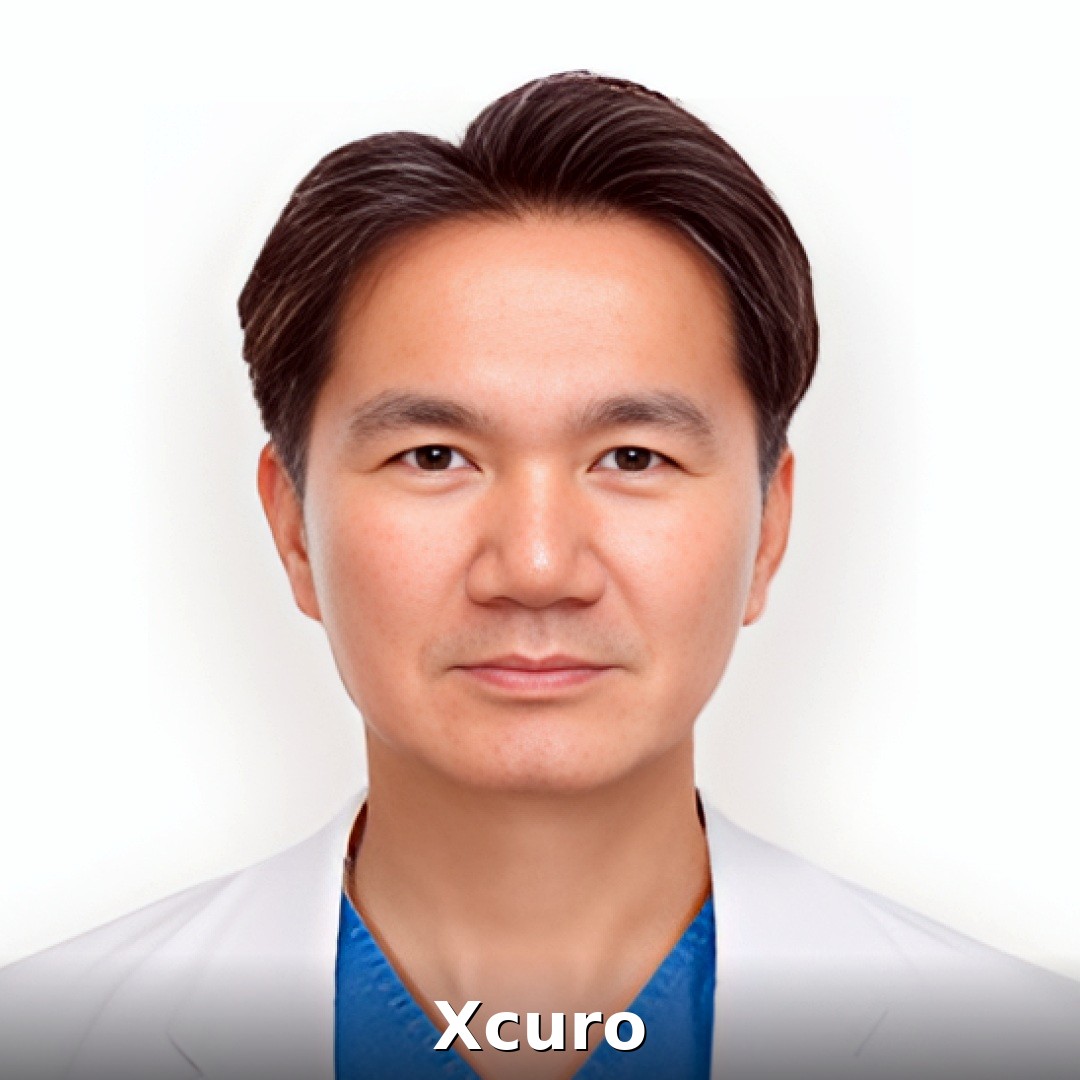
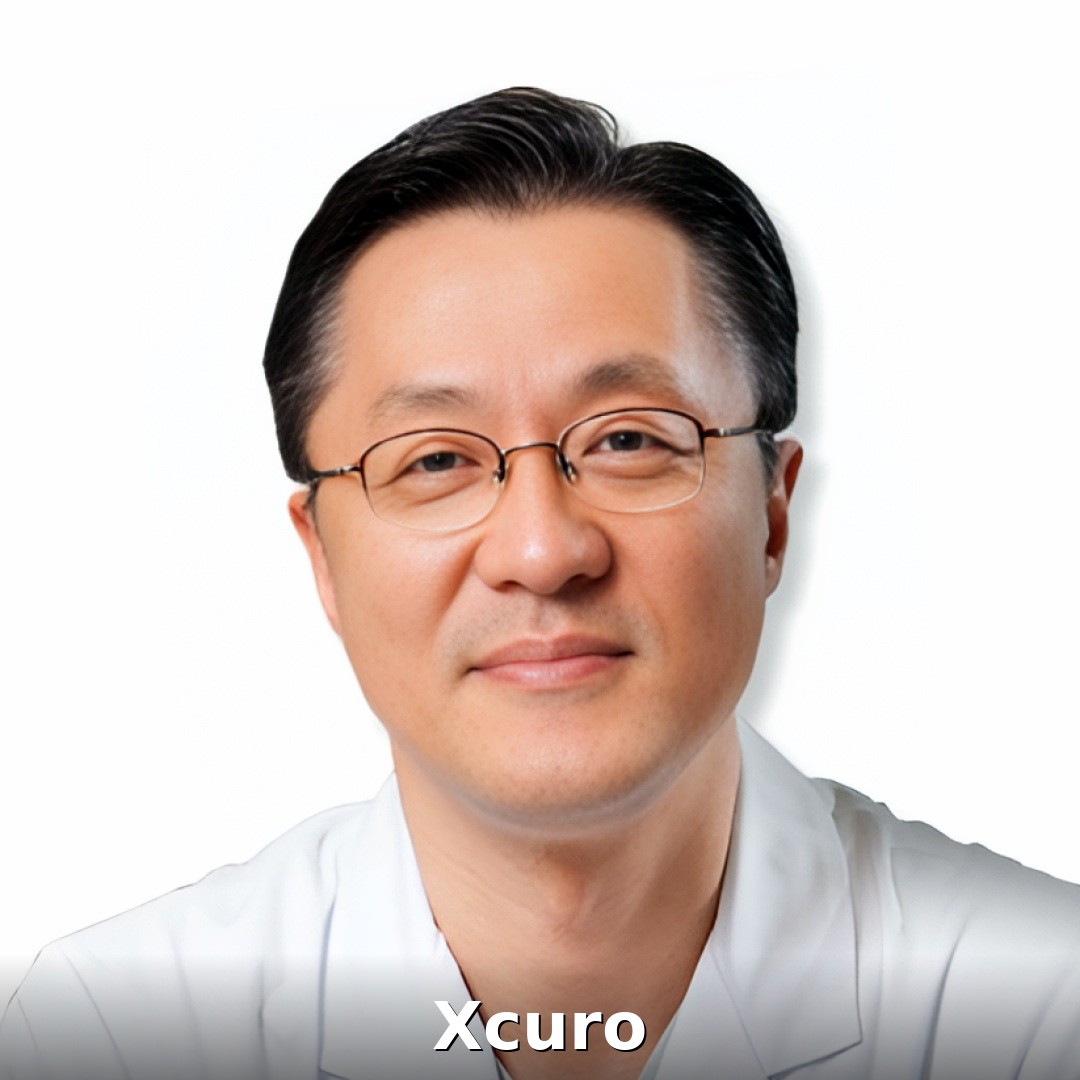
Tummy Tuck (Abdominoplasty) doctors in Seoul
If something goes wrong after tummy tuck (abdominoplasty) in South Korea
Emergency? In the U.S., call 911; in South Korea, call 119 (ambulance); 112 (police). Then tell the clinic in writing.
Get help now if you notice these after cosmetic surgery
- Sudden shortness of breath, chest pain or a racing heart: call 911 (possible blood clot).
- Confusion, clammy skin, fever with shivering or extreme pain: call 911 (possible sepsis).
- Swelling, pain, warmth or redness in one leg: see a doctor the same day.
- Increasing redness, swelling, or yellow or green drainage at an incision, or a fever of 100°F or higher: call your surgeon today.
- Sudden swelling of one breast or a collection of fluid or blood under the skin: call your surgeon today.
Where to complain in South Korea
- Korea Medical Dispute Mediation and Arbitration Agency (K-MEDI): Mediation and arbitration of medical disputes, including for foreign patients living abroad.Download the application form and annexed paper from K-MEDI's English site, sign them, and email them as PDFs. Documents must be in Korean, or in English with a Korean translation. K-MEDI asks for Korean bank details for refunds and does not cover exchange losses for foreign accounts.
- Medical Korea call center (Korea Health Industry Development Institute, KHIDI): Registers foreign patients' complaints about Korean healthcare providers and medical disputes, and gives basic consulting after a medical accident.1577-7129 in Korea, +82-1577-7129 from abroad; 24 hours, in Korean, English, Japanese, Chinese, Russian and Arabic (per KHIDI).
The U.S. embassy keeps a list of local doctors and hospitals.
What to do if something goes wrong: the full guide for U.S. patients →
Frequently asked questions
How long should I stay in Seoul after a tummy tuck?
About two weeks. The CDC advises delaying air travel for 10 to 14 days after major surgery because of the risk of blood clots (<a href="https://wwwnc.cdc.gov/travel/page/medical-tourism" target="_blank" rel="nofollow noopener">CDC</a>).
Can I get a mini tummy tuck in Seoul?
Yes, a partial tummy tuck treats only the area below the belly button (<a href="https://www.nhs.uk/tests-and-treatments/cosmetic-procedures/cosmetic-surgery/tummy-tuck/" target="_blank" rel="nofollow noopener">NHS</a>). Ask the surgeon whether your loose skin and muscles fit a mini or a full operation.
Is a tummy tuck cheaper in Korea?
Not always: compare the clinic quotes in the table above with an all-in U.S. quote, and add a long flight and two weeks of hotel. Our <a href="/procedure/tummy-tuck-abdominoplasty/south-korea/">Korea guide</a> works through it.
How long will I wear a compression garment?
Usually about 6 weeks, according to the NHS (<a href="https://www.nhs.uk/tests-and-treatments/cosmetic-procedures/cosmetic-surgery/tummy-tuck/" target="_blank" rel="nofollow noopener">NHS</a>); your surgeon decides.
Is Seoul safe for Americans having surgery?
The State Department rates South Korea Level 1, “Exercise normal precautions” (<a href="https://travel.state.gov/content/travel/en/traveladvisories/traveladvisories/south-korea-travel-advisory.html" target="_blank" rel="nofollow noopener">State Department</a>). Check the clinic on Medical Korea's <a href="https://www.medicalkorea.or.kr/en/registeredhospitals" target="_blank" rel="nofollow noopener">registered hospitals list</a>.
Getting to South Korea from the U.S.
Visa. U.S. passport holders do not need a K-ETA through 31 December 2026; an electronic Arrival Card is required instead. From 1 January 2027 the K-ETA requirement returns, so check the official portal before you book.Official source.
Flights and time zone. Nonstop service to Seoul from Los Angeles, San Francisco, Seattle, Dallas, Chicago, Atlanta, New York and Washington. West-coast flights run about 13 hours, east-coast about 14 to 15.
U.S. State Department advisory. Level 1 – Exercise Normal Precautions. The advisory notes that large demonstrations can occur with little notice.Read the advisory.
Before you travel: what the CDC recommends
The U.S. Centers for Disease Control and Prevention publishes guidance for Americans traveling abroad for medical care. These are its recommendations, not ours.
- Check the qualifications of the clinician who will perform the procedure and the credentials of the facility.
- Bring copies of your medical records, including lab and other test results related to your condition.
- Make sure you can get follow-up care in the United States. Care for complications can be expensive and might not be covered by your health insurance.
- Obtain international travel health insurance that covers medical evacuation back to the United States.
- See your own healthcare provider 4–6 weeks before the trip to discuss risks specific to your health.
Sources
- Tummy tuck (abdominoplasty) — NHS
- Los Angeles to Seoul Incheon: nonstop flight time and airlines — Kayak
- San Francisco to Seoul Incheon: nonstop flight time and airlines — Kayak
- New York to Seoul Incheon: nonstop flight time and airlines — Kayak
- Cosmetic surgery tourism briefing paper — American Society of Plastic Surgeons
- Medical Tourism: Travel to Another Country for Medical Care — CDC Travelers' Health
- Tummy tuck risks and safety — American Society of Plastic Surgeons
- South Korea Travel Advisory (Level 1, May 27, 2025) — U.S. Department of State
- Registered hospitals — Medical Korea (KHIDI)
- Act on Overseas Expansion of Medical Services and Attraction of International Patients (art. 6) — Korea Legislation Research Institute
- Search member — Korean Society of Plastic and Reconstructive Surgeons
- Medical Service Act (art. 24-2) — Korea Legislation Research Institute
- Operating-room CCTV rules take effect September 25, 2023 (in Korean) — Ministry of Health and Welfare, Korea
- Tummy tuck recovery — American Society of Plastic Surgeons
Read before you decide
Tummy Tuck (Abdominoplasty) in other cities, and more in Seoul
More cost guides for U.S. patients
What the research says about tummy tuck (abdominoplasty)
14 peer-reviewed sourcesAbdominoplasty, commonly called a tummy tuck, removes excess abdominal skin and fat and can repair separated abdominal muscles (rectus diastasis), often after pregnancy or significant weight loss. Systematic reviews and meta-analyses report high patient satisfaction and improvements in abdominal contour, with much of the research focused on reducing complications such as seroma through techniques like progressive tension sutures, drains, and tissue-sealing devices. The literature also addresses safety considerations, including venous thromboembolism prevention and the added risk when abdominoplasty is combined with other procedures or performed in patients with comorbidities. Compression garments, pain-management strategies, and revision indications are likewise examined in peer-reviewed studies. The references below are intended for general information and are not a substitute for a personalized surgical consultation.
- A Systematic Review and Meta-Analysis Evaluating the Surgical Outcomes of Progressive Tension Suturing Compared to Drains in Abdominoplasty Surgery.
- Decreasing Seroma Incidence Following Abdominoplasty: A Systematic Review and Meta-Analysis of High-Quality Evidence.
- Comparative Efficacy of Seroma Prevention Strategies in Abdominoplasty with Liposuction: A Systematic Review and Bayesian Model-based Network Meta-Analysis.
- Ligasure Impact™ to Reduce Complications After Abdominoplasty: A Meta-Analysis of Comparative Studies.
- A systematic review and meta-analysis of subcutaneous onlay laparoscopic (SCOLA) approach for diastasis recti with or without mesh reinforcement.
Compiled from peer-reviewed medical literature indexed on PubMed. This overview is for general education and is not medical advice. · Last updated 2026-06-15