Double Eyelid Surgery in Seoul: 2026 Prices and Clinics for U.S. Patients
Double eyelid surgery is one of the most common operations in Seoul's Gangnam clinics, and one of the shortest trips: most people go home the same day and fly back after 8 to 10 days.
Flights and extra hotel nights are not included in either price. Final quotes depend on your case.
Eyelid Surgery (Blepharoplasty) clinics in Seoul: prices and independent ratings
Prices are each clinic's own quoted range in USD, as of October 2026. Ratings come from independent review platforms and link to the source.
| Clinic | Price | Independent ratings | |
|---|---|---|---|
| SAERO Plastic Surgery xcuro partner Seoul | $821 - $1,973 | ||
| JK Plastic Surgery xcuro partner Seoul · ISO 9001, KAHF | $1,380 - $3,150 | ||
| VG Plastic Surgery xcuro partner Seoul | $1,700 - $6,600 | ||
| Lienjang xcuro partner Seoul | From $3,000 | ||
| ID Plastic Surgery xcuro partner Seoul | From $3,500 | ||
| INIQUÉ Plastic Surgery Clinic xcuro partner Seoul | From $3,850 |
How clinics get listed: our methodology. Clinics do not pay for position on this page.Compare the clinics side by side.
Your trip, day by day
Typical, from the “Your trip for eyelid surgery” section of this guide; plan on 8 to 10 days in Seoul. Your clinic’s schedule may differ — ask for it in writing.
- Day 1Arrive. Consultation: the surgeon who will operate marks the crease height and shape with you, and confirms the method (stitch or incision) in writing.
- Day 2Surgery under local or general anesthesia (NHS); most people go back to the hotel the same day.
- Day 3–6Puffy, numb lids and watery or sensitive eyes are normal. Cold compresses, head raised on pillows, no contact lenses.
- Day 7Stitches or strips removed at the clinic.
- Day 8–10Final check, then fly home. Sunglasses help hide the bruising, which can take several weeks to fade.
Eyelid Surgery (Blepharoplasty) in Seoul: pros and cons for U.S. patients
- Double eyelid surgery is a core operation in Gangnam clinics.
- Usually no hospital night: home the same day.
- A short trip of about 8 to 10 days.
- Clinics within a few subway stops, so you can compare crease designs in person.
- Bruising can take several weeks to fade, after you are home.
- Watery, sensitive eyes can last a few weeks (NHS).
- Check the surgeon's specialist title, not just the clinic name.
- Follow-up happens at home, and complications may not be covered by U.S. insurance (CDC).
How xcuro works
- Free for you
You don't pay xcuro anything. If you go ahead with treatment at an xcuro partner clinic, that clinic pays us a referral fee.
- Rankings aren't for sale
Clinics can't pay to be listed, to appear higher or to change their reviews.
- Ratings you can check
Clinic ratings come from Google and Trustpilot, and each one links to its source.
- Prices with sources
Every U.S. price we compare against names its source. Your own quote comes from the clinic in writing.
Eyelid surgery in Seoul: what to expect
In Seoul, eyelid surgery most often means double eyelid surgery: creating a crease in the upper lid, either with small stitches (the non-incisional method) or through a cut along the new crease, often combined with opening the inner corner of the eye (epicanthoplasty) or lifting a droopy lid (ptosis correction). Older patients come for classic blepharoplasty, removing extra skin and fat from the upper or lower lids. It is one of the shortest trips in Korean cosmetic surgery: the operation takes about 45 minutes to 2.5 hours, and most people go home the same day (NHS).
Getting to Seoul from the U.S.
Nonstop flights from Seattle, San Francisco, Los Angeles, Chicago, Dallas, New York and other U.S. hubs land at Incheon (ICN), and the airport limousine bus is the most direct way to Gangnam. Flight times, the train and bus options and visa rules are in our Seoul city guide.
Where the clinics are
All six Seoul clinics on xcuro's list are in Gangnam-gu or next-door Seocho-gu, along the strip from Sinsa and Apgujeong down to Gangnam Station: ID Plastic Surgery is by Sinsa Station, JK on Nonhyeon-ro in the Apgujeong area, SAERO by Sinnonhyeon Station and Lienjang in Gangnam Tower on Gangnam-daero. Because eyelid surgery needs no hospital night, many patients book a hotel near the clinic rather than a recovery house.
Your trip for eyelid surgery
Plan one trip of about 8 to 10 days. The thin strips or stitches that support the lids are usually removed up to a week after surgery (NHS), and ASPS suggests waiting 7 to 10 days before flying after facial procedures, including eyelid surgery (ASPS).
| Day | What happens |
|---|---|
| Day 1 | Arrive. Consultation: the surgeon who will operate marks the crease height and shape with you, and confirms the method (stitch or incision) in writing. |
| Day 2 | Surgery under local or general anesthesia (NHS); most people go back to the hotel the same day. |
| Day 3–6 | Puffy, numb lids and watery or sensitive eyes are normal. Cold compresses, head raised on pillows, no contact lenses. |
| Day 7 | Stitches or strips removed at the clinic. |
| Day 8–10 | Final check, then fly home. Sunglasses help hide the bruising, which can take several weeks to fade. |
What can go wrong
The NHS lists blurred or double vision, uneven eyes, noticeable scarring and changed feeling in the lids; rarely, injury to the eye muscles, a lower lid that turns outward (ectropion) or bleeding behind the eye (NHS). With double eyelid surgery, agree on the crease before the day: look at before-and-after photos of eyes like yours and agree on a natural height. Ask what happens if a stitch-method crease loosens later.
Is Seoul safe for this surgery?
The U.S. State Department rates South Korea Level 1, the lowest level: “Exercise normal precautions in the Republic of Korea.” It adds that “large-scale demonstrations may occur with little notice” (State Department, May 27, 2025). Our guide Is It Safe to Get Plastic Surgery in South Korea? explains how Korean law protects foreign patients; the Seoul city guide covers visas and arrival.
How to check a clinic and surgeon in Seoul
- The clinic: find it on Medical Korea's list of registered hospitals; a clinic that treats foreign patients must register, employ at least one specialist in each department serving them and carry malpractice insurance (law, art. 6).
- The surgeon: look the name up in the member search of the Korean Society of Plastic and Reconstructive Surgeons.
- Who operates: Korean law requires the consent form to name the principal surgeon and any change to be explained in writing (Medical Service Act, art. 24-2).
- CCTV: since September 25, 2023, clinics operating under general anesthesia or sedation must have operating-room cameras and film the surgery if you ask; footage is kept at least 30 days (Ministry of Health and Welfare).
In Korea, only a doctor accredited as a specialist by the Ministry of Health and Welfare may present a specialty (Medical Service Act, art. 77), so check the surgeon's own title, not just the clinic's name. More on our list of questions to ask a plastic surgeon.
Recovery and the flight home
Bring the eye drops your surgeon prescribes, with a written prescription. Book a follow-up with a U.S. doctor in case the crease needs attention later. Costs are compared on our double eyelid surgery in Korea guide and the U.S. cost of eyelid surgery.
Eyelid Surgery (Blepharoplasty) doctors in Seoul
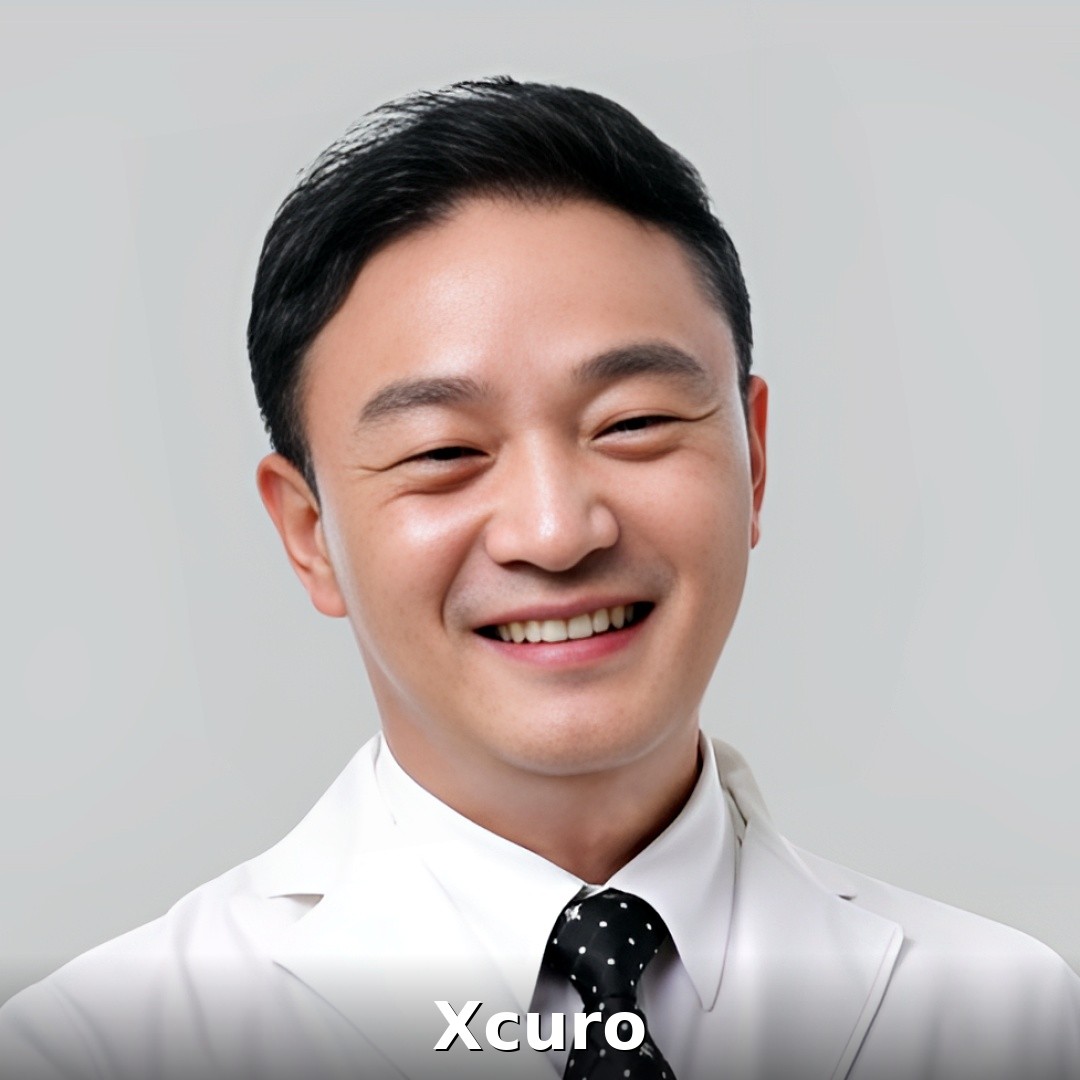

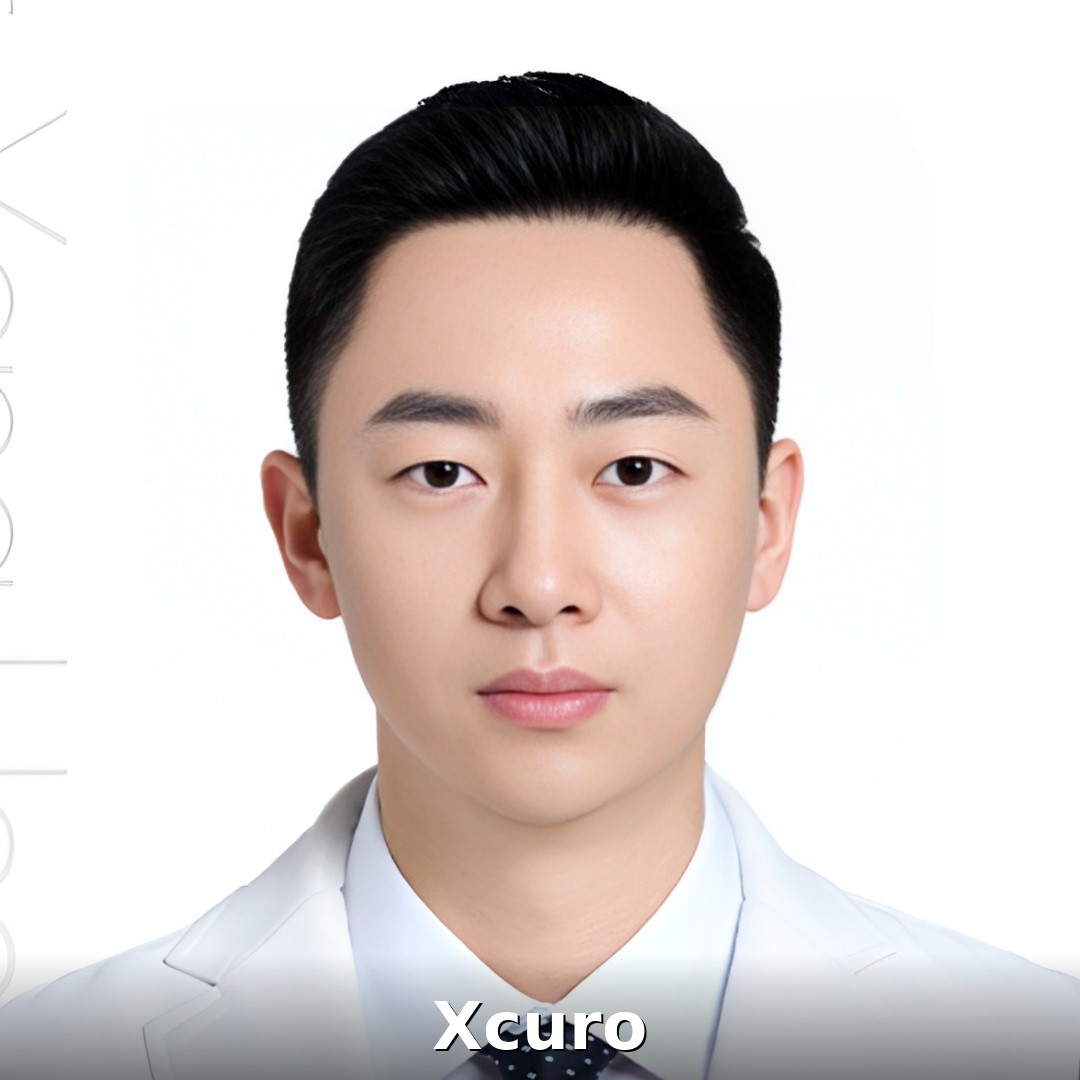
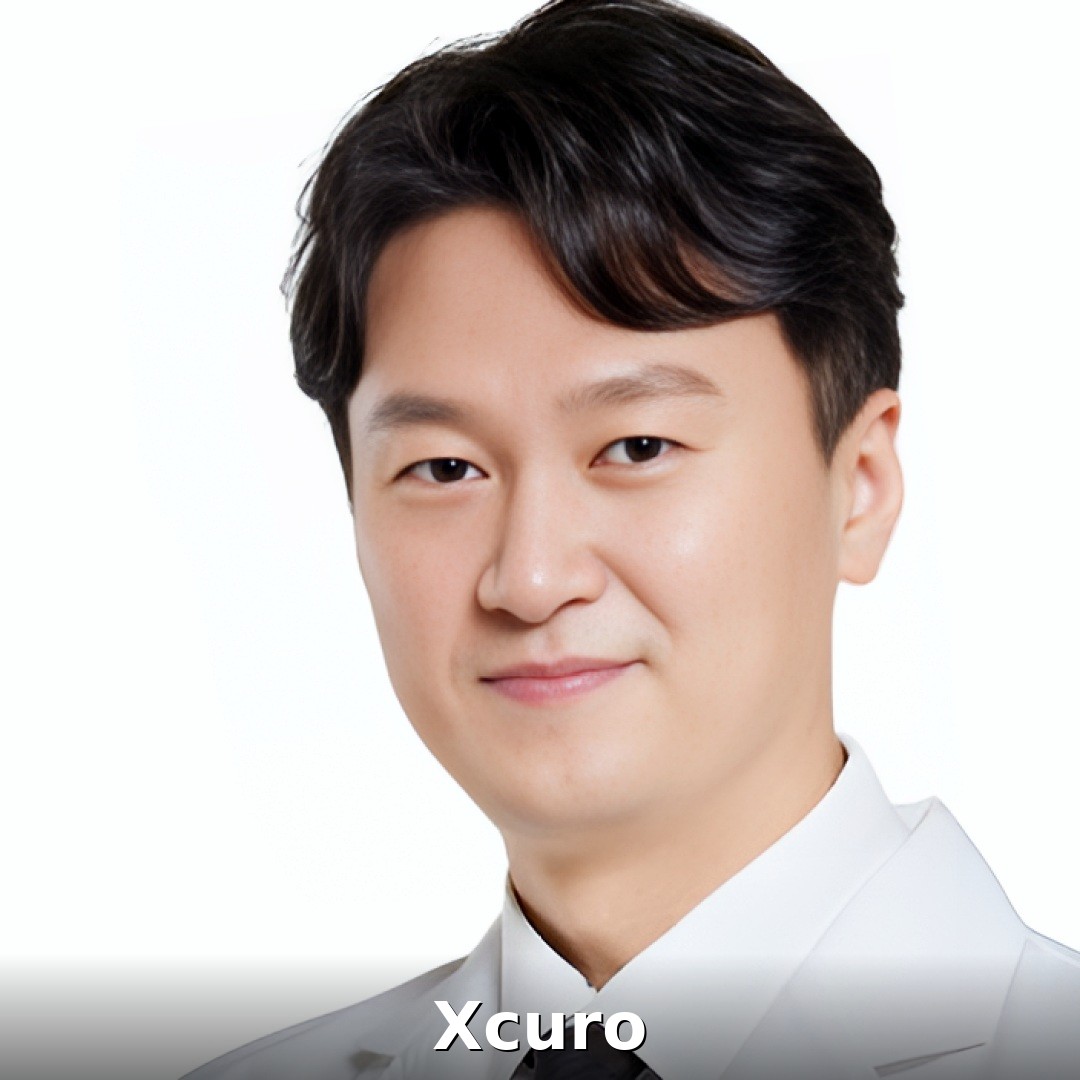
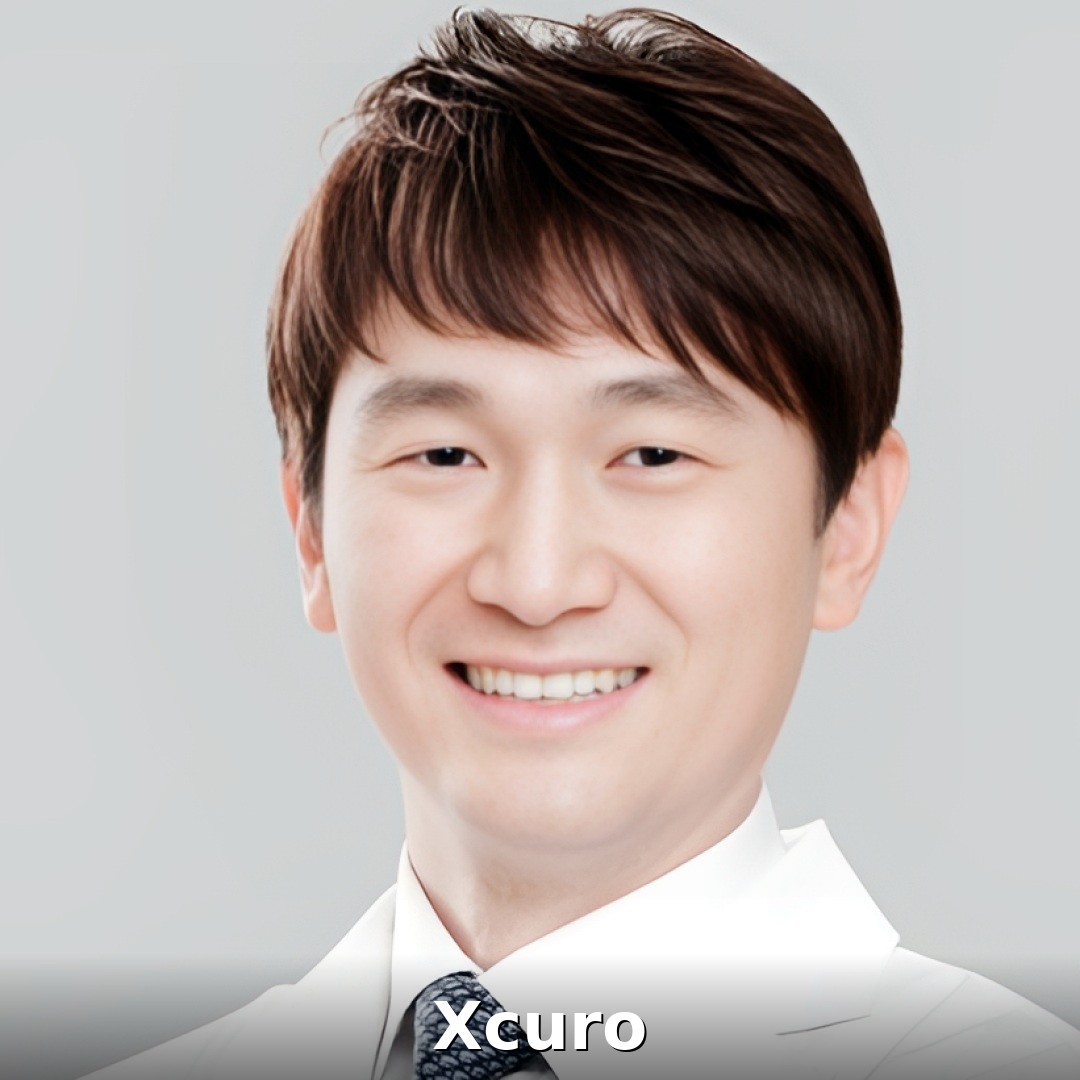
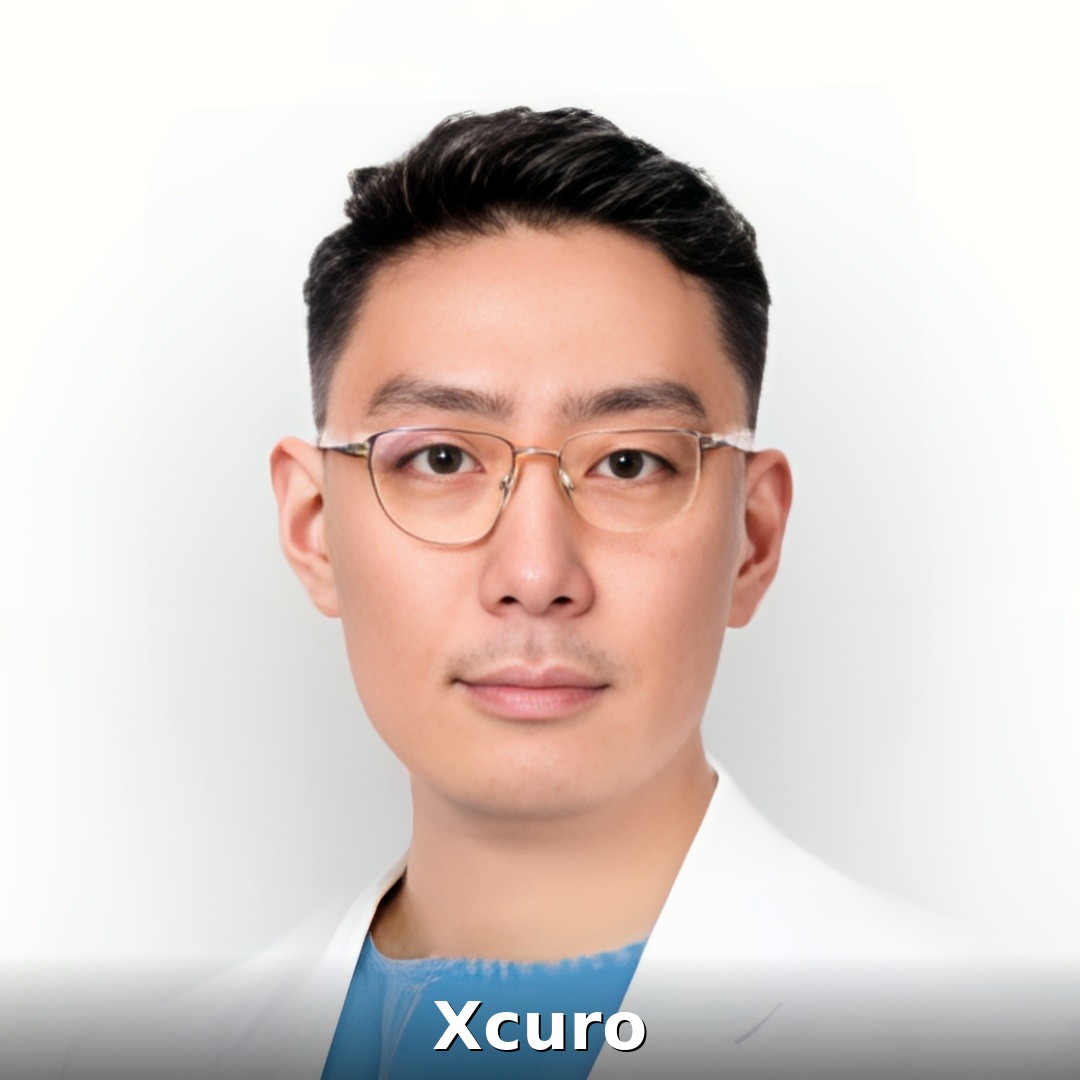
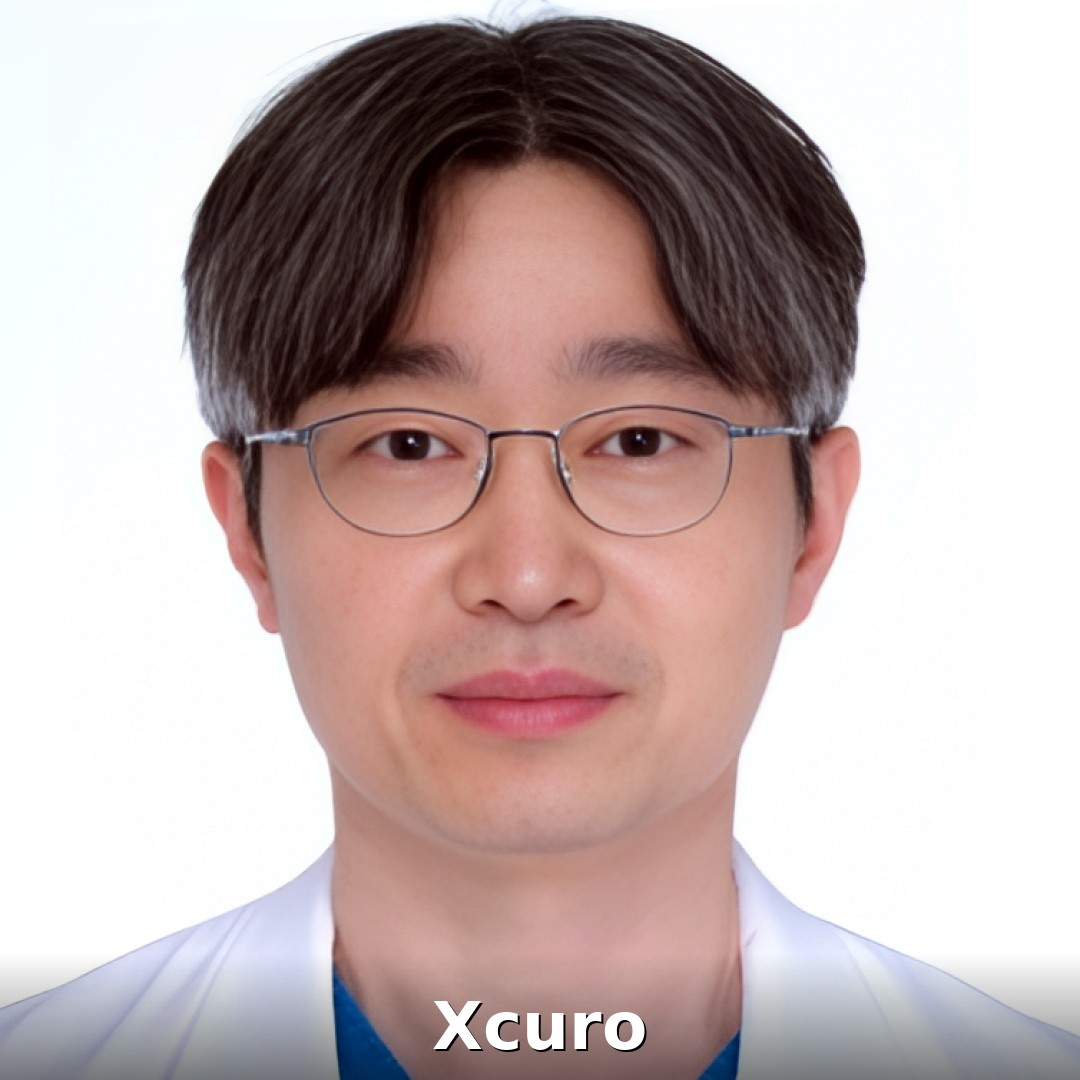
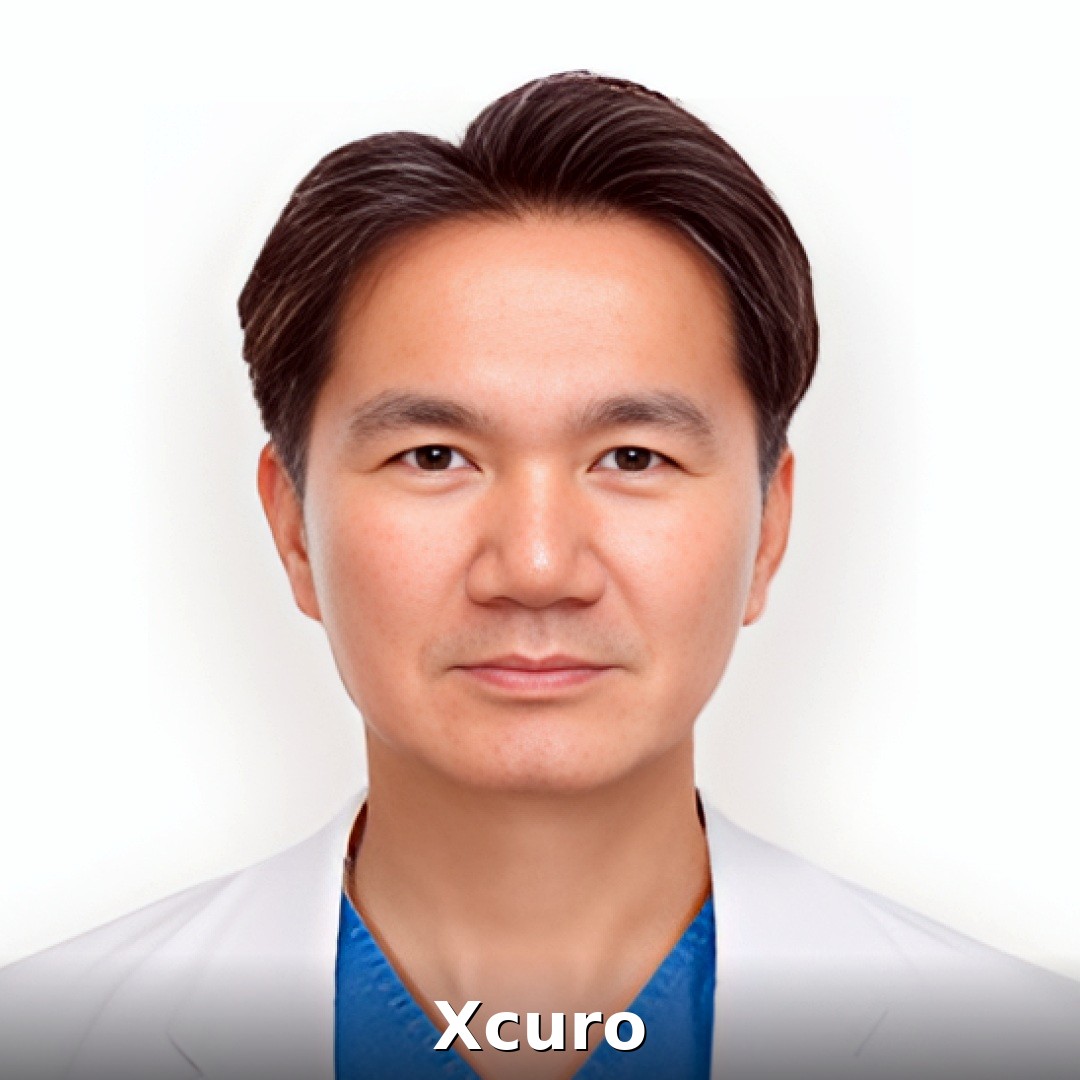
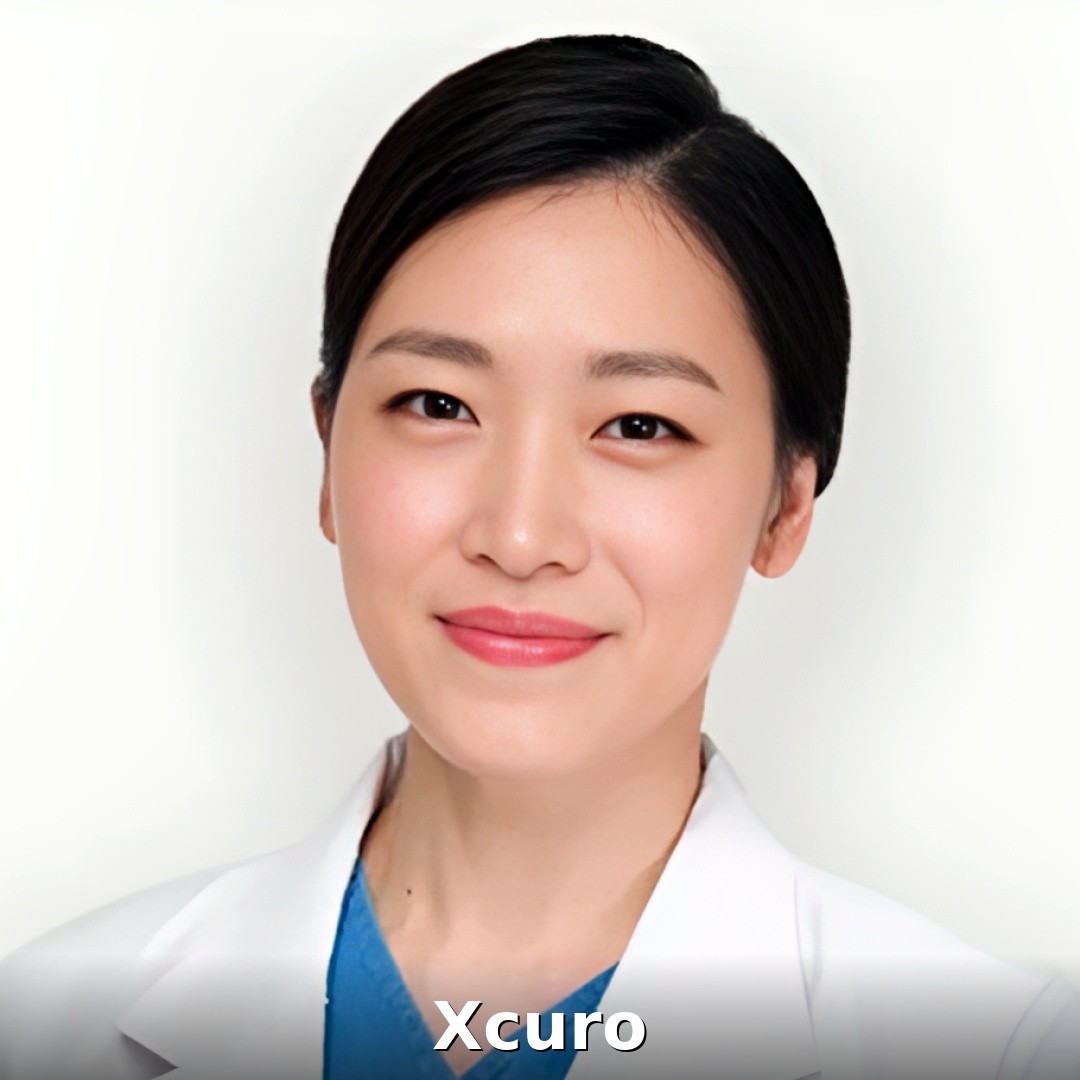
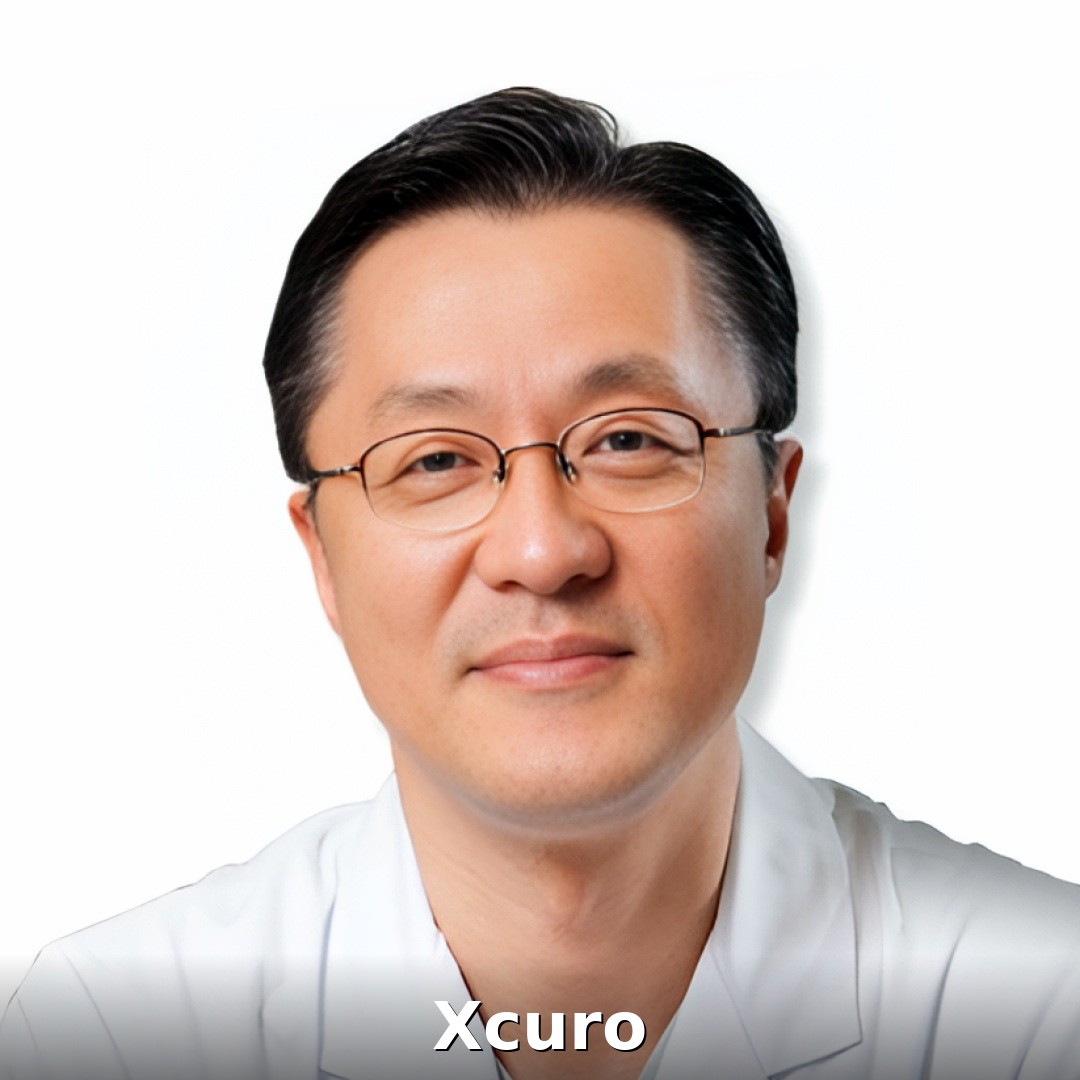

Eyelid Surgery (Blepharoplasty) before & after: surgeons in Seoul
Results from surgeons listed on xcuro. Individual results vary; ask your surgeon for results in patients similar to you.
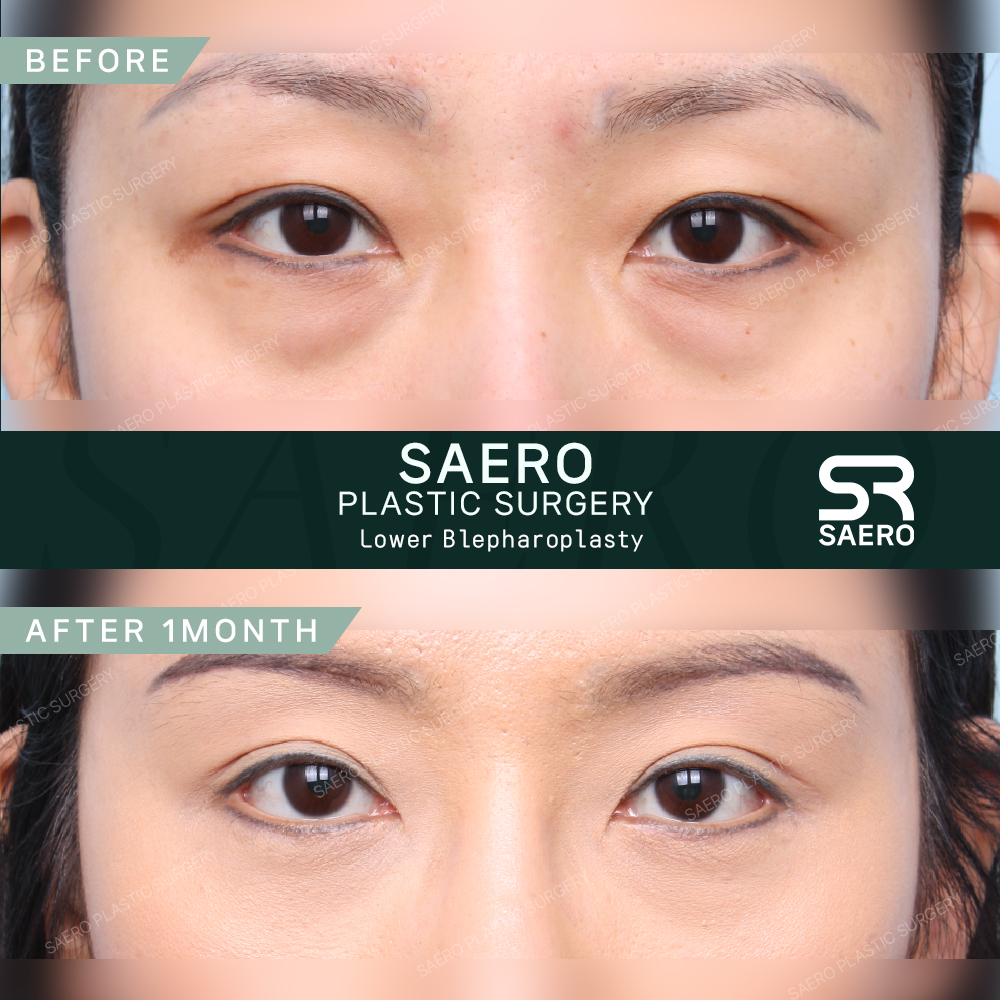
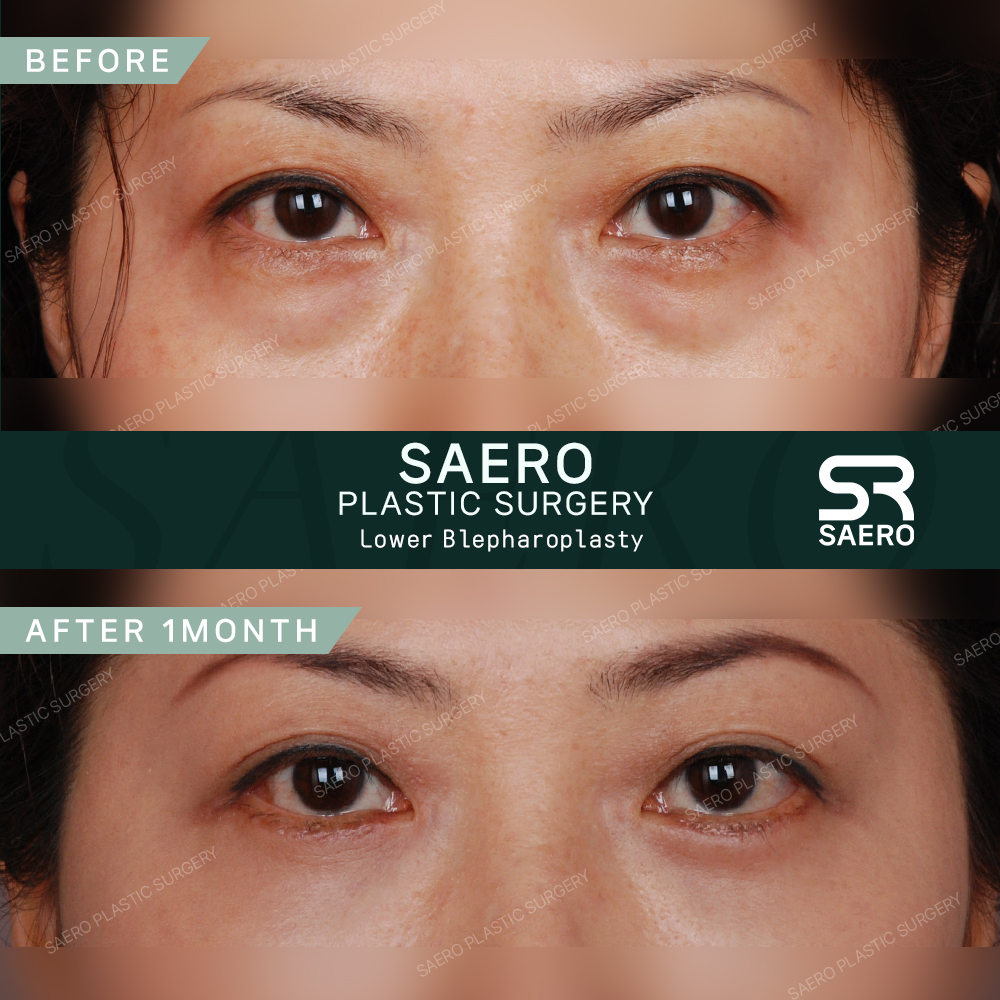
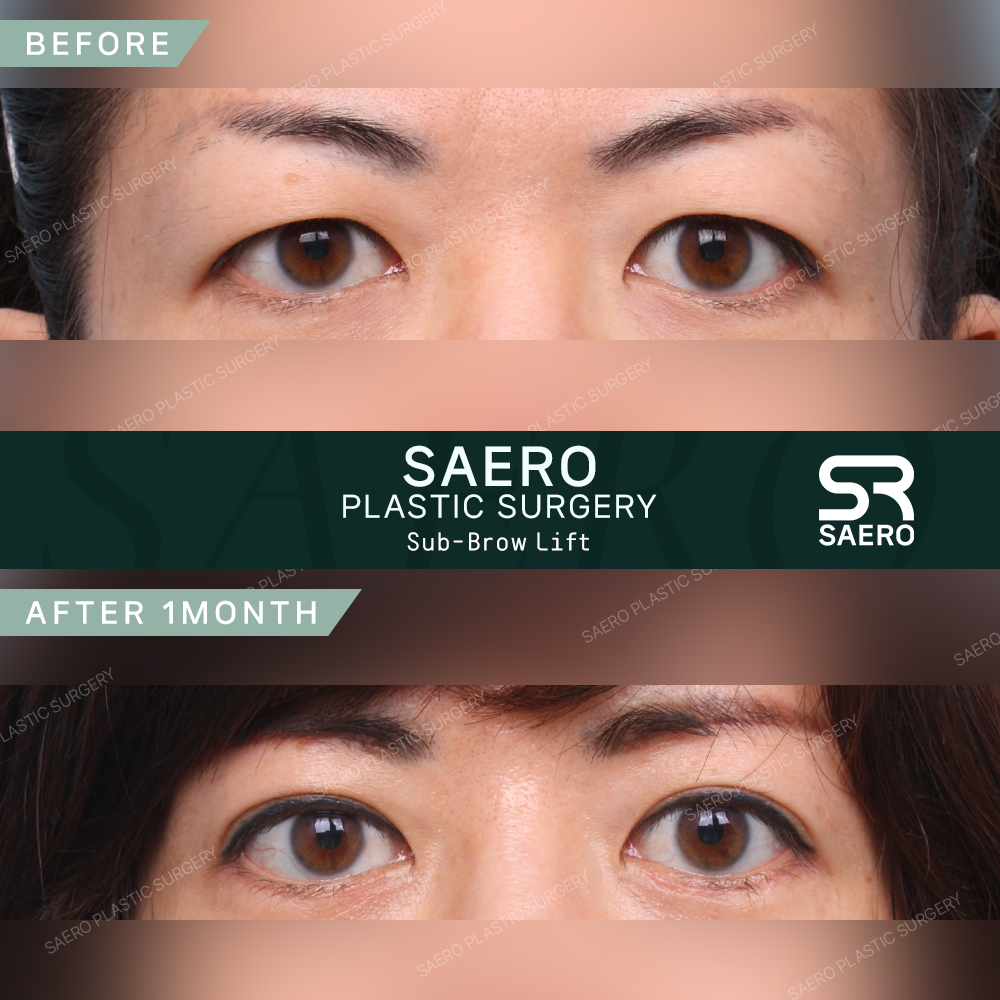
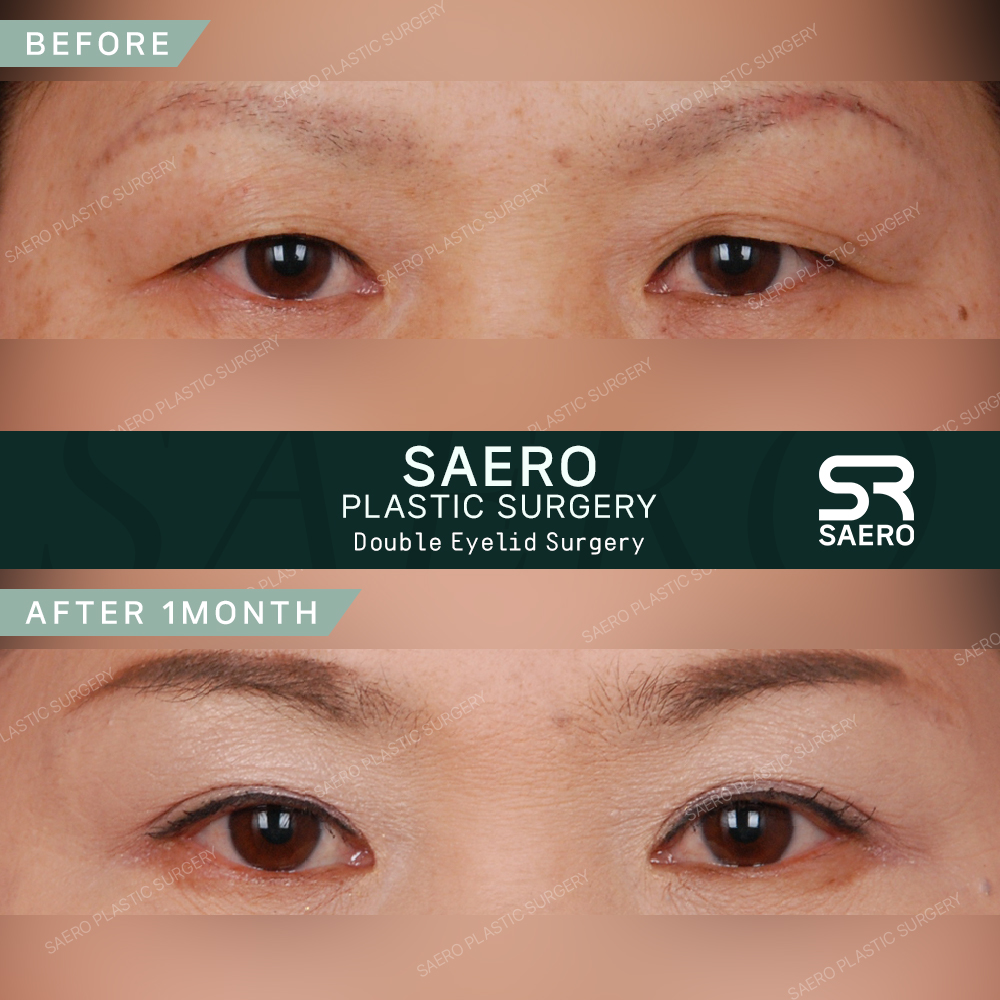
See all Eyelid Surgery (Blepharoplasty) before & after photos →
If something goes wrong after eyelid surgery (blepharoplasty) in South Korea
Emergency? In the U.S., call 911; in South Korea, call 119 (ambulance); 112 (police). Then tell the clinic in writing.
Get help now if you notice these after cosmetic surgery
- Sudden shortness of breath, chest pain or a racing heart: call 911 (possible blood clot).
- Confusion, clammy skin, fever with shivering or extreme pain: call 911 (possible sepsis).
- Swelling, pain, warmth or redness in one leg: see a doctor the same day.
- Increasing redness, swelling, or yellow or green drainage at an incision, or a fever of 100°F or higher: call your surgeon today.
- Sudden swelling of one breast or a collection of fluid or blood under the skin: call your surgeon today.
Where to complain in South Korea
- Korea Medical Dispute Mediation and Arbitration Agency (K-MEDI): Mediation and arbitration of medical disputes, including for foreign patients living abroad.Download the application form and annexed paper from K-MEDI's English site, sign them, and email them as PDFs. Documents must be in Korean, or in English with a Korean translation. K-MEDI asks for Korean bank details for refunds and does not cover exchange losses for foreign accounts.
- Medical Korea call center (Korea Health Industry Development Institute, KHIDI): Registers foreign patients' complaints about Korean healthcare providers and medical disputes, and gives basic consulting after a medical accident.1577-7129 in Korea, +82-1577-7129 from abroad; 24 hours, in Korean, English, Japanese, Chinese, Russian and Arabic (per KHIDI).
The U.S. embassy keeps a list of local doctors and hospitals.
What to do if something goes wrong: the full guide for U.S. patients →
Frequently asked questions
How long should I stay in Seoul after double eyelid surgery?
About 8 to 10 days. Stitches or strips usually come off within a week (<a href="https://www.nhs.uk/tests-and-treatments/cosmetic-procedures/cosmetic-surgery/eyelid-surgery/" target="_blank" rel="nofollow noopener">NHS</a>), and ASPS suggests waiting 7 to 10 days before flying after eyelid surgery (<a href="https://www.plasticsurgery.org/news/briefing-papers/briefing-paper-cosmetic-surgery-tourism" target="_blank" rel="nofollow noopener">ASPS</a>).
Do I need to stay in the hospital after eyelid surgery?
Usually not: most people go home the same day (<a href="https://www.nhs.uk/tests-and-treatments/cosmetic-procedures/cosmetic-surgery/eyelid-surgery/" target="_blank" rel="nofollow noopener">NHS</a>). Book a hotel close to your clinic for the check-ups.
How long does swelling last after double eyelid surgery?
Puffy, numb lids are normal at first, and bruising and redness can take several weeks to fade (<a href="https://www.nhs.uk/tests-and-treatments/cosmetic-procedures/cosmetic-surgery/eyelid-surgery/" target="_blank" rel="nofollow noopener">NHS</a>).
Is double eyelid surgery in Seoul safe?
Korea requires clinics treating foreign patients to register and carry malpractice insurance (<a href="https://elaw.klri.re.kr/eng_service/lawViewContent.do?hseq=60070" target="_blank" rel="nofollow noopener">law, art. 6</a>). Check the clinic on Medical Korea's <a href="https://www.medicalkorea.or.kr/en/registeredhospitals" target="_blank" rel="nofollow noopener">list of registered hospitals</a> and confirm who will operate.
What are the risks of eyelid surgery?
Uneven eyes, scarring, blurred or double vision and changed feeling in the lids; rarely, eye muscle injury or bleeding behind the eye (<a href="https://www.nhs.uk/tests-and-treatments/cosmetic-procedures/cosmetic-surgery/eyelid-surgery/" target="_blank" rel="nofollow noopener">NHS</a>).
Getting to South Korea from the U.S.
Visa. U.S. passport holders do not need a K-ETA through 31 December 2026; an electronic Arrival Card is required instead. From 1 January 2027 the K-ETA requirement returns, so check the official portal before you book.Official source.
Flights and time zone. Nonstop service to Seoul from Los Angeles, San Francisco, Seattle, Dallas, Chicago, Atlanta, New York and Washington. West-coast flights run about 13 hours, east-coast about 14 to 15.
U.S. State Department advisory. Level 1 – Exercise Normal Precautions. The advisory notes that large demonstrations can occur with little notice.Read the advisory.
Before you travel: what the CDC recommends
The U.S. Centers for Disease Control and Prevention publishes guidance for Americans traveling abroad for medical care. These are its recommendations, not ours.
- Check the qualifications of the clinician who will perform the procedure and the credentials of the facility.
- Bring copies of your medical records, including lab and other test results related to your condition.
- Make sure you can get follow-up care in the United States. Care for complications can be expensive and might not be covered by your health insurance.
- Obtain international travel health insurance that covers medical evacuation back to the United States.
- See your own healthcare provider 4–6 weeks before the trip to discuss risks specific to your health.
Sources
- Eyelid surgery (blepharoplasty) — NHS
- Cosmetic surgery tourism briefing paper — American Society of Plastic Surgeons
- South Korea Travel Advisory (Level 1, May 27, 2025) — U.S. Department of State
- Registered hospitals — Medical Korea (KHIDI)
- Act on Overseas Expansion of Medical Services and Attraction of International Patients (art. 6) — Korea Legislation Research Institute
- Search member — Korean Society of Plastic and Reconstructive Surgeons
- Medical Service Act (arts. 24-2, 38-2) — Korea Legislation Research Institute
- Operating-room CCTV rules take effect September 25, 2023 (in Korean) — Ministry of Health and Welfare, Korea
Read before you decide
Eyelid Surgery (Blepharoplasty) in other cities, and more in Seoul
More cost guides for U.S. patients
What research shows about eyelid surgery (blepharoplasty)
14 peer-reviewed sourcesBlepharoplasty, surgery to remove or reposition excess skin, muscle, and fat of the upper or lower eyelids, is supported by systematic reviews, meta-analyses, and prospective outcome studies addressing both functional and aesthetic goals. For upper eyelids, the evidence documents improvements in superior visual field and quality of life when redundant skin (dermatochalasis) obstructs vision, alongside high aesthetic satisfaction. For lower eyelids, reviews compare transconjunctival and transcutaneous approaches and characterize complication profiles, including the uncommon but important risk of lid malposition. Additional studies examine adjuncts such as tranexamic acid for reducing bleeding and swelling, and patient-reported quality-of-life outcomes. The references below span functional and aesthetic outcomes, surgical-technique comparisons, complication safety reviews, and validated quality-of-life data to support informed decision-making.
- Functional and Aesthetic Outcomes After Upper Blepharoplasty: A Systematic Review and Meta-Analysis
- Health-Related Quality-of-Life Outcomes for Upper Blepharoplasty and Blepharoptosis Surgery
- Safety and Complications in Lower Eyelid Blepharoplasty: A Systematic Review
- Long-Term Results with the Extended Transconjunctival Lower Eyelid Blepharoplasty
- Transconjunctival or Transcutaneous Approach for Fat-preserving Lower Lid Blepharoplasty
Compiled from peer-reviewed medical literature indexed on PubMed. This overview is for general education and is not medical advice. · Last updated 2026-06-15